


Here’s why the Maison’s oldest bag is also its most compelling, WORDS BY MILO RADONJIĆ
There are bags a man buys because he needs them, and there are has been waiting for him. The Hermès Haut à Courroies – the HAC – has always belonged to the second category for me. I don’t own one yet, but its architectural calm – tall, assured, sculptural – has followed my travels like a shadow. Part of that pull comes from its origin story, which Hermès tells with a reverence only a house rooted in craft can command.
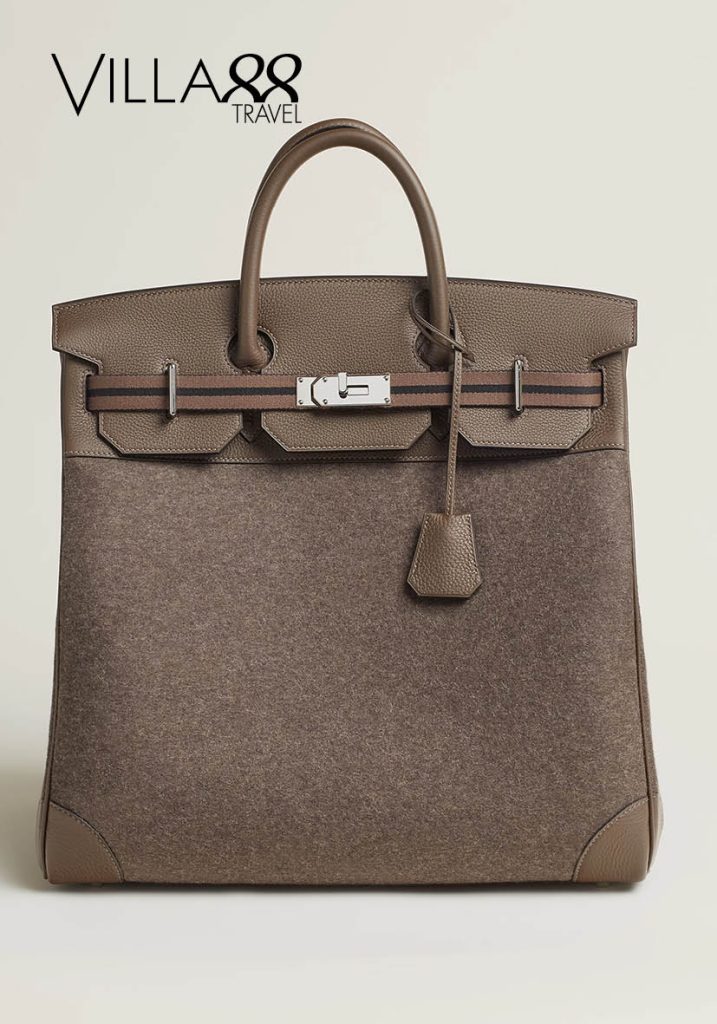
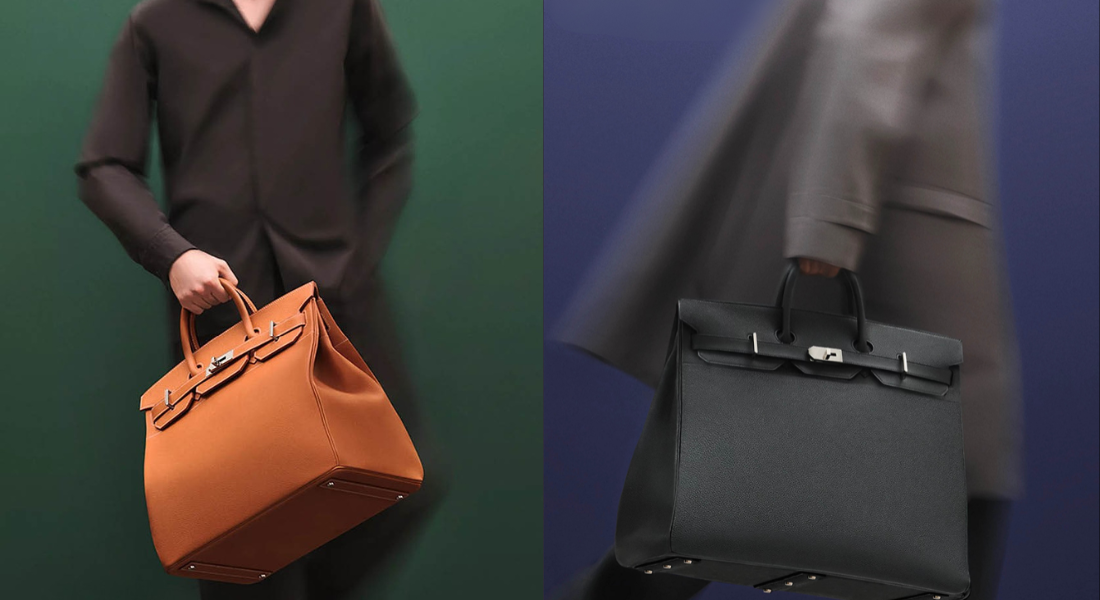
The HAC was the first bag the French Maison ever created. Designed in the early 20th century to carry a pair of riding boots and a saddle “in style”, it was built to make life easier for horsemen and women who moved between stables, fields, and long days of riding. When the motorcar arrived and the equestrian landscape shifted, the bag moved with the times, the trapezoidal holdall evolving into a travel companion without abandoning its heritage. It retained its high straps, once used to secure saddle flaps, along with its edge-polished flap, saddle stitching, turnlock, padlock, and side straps.
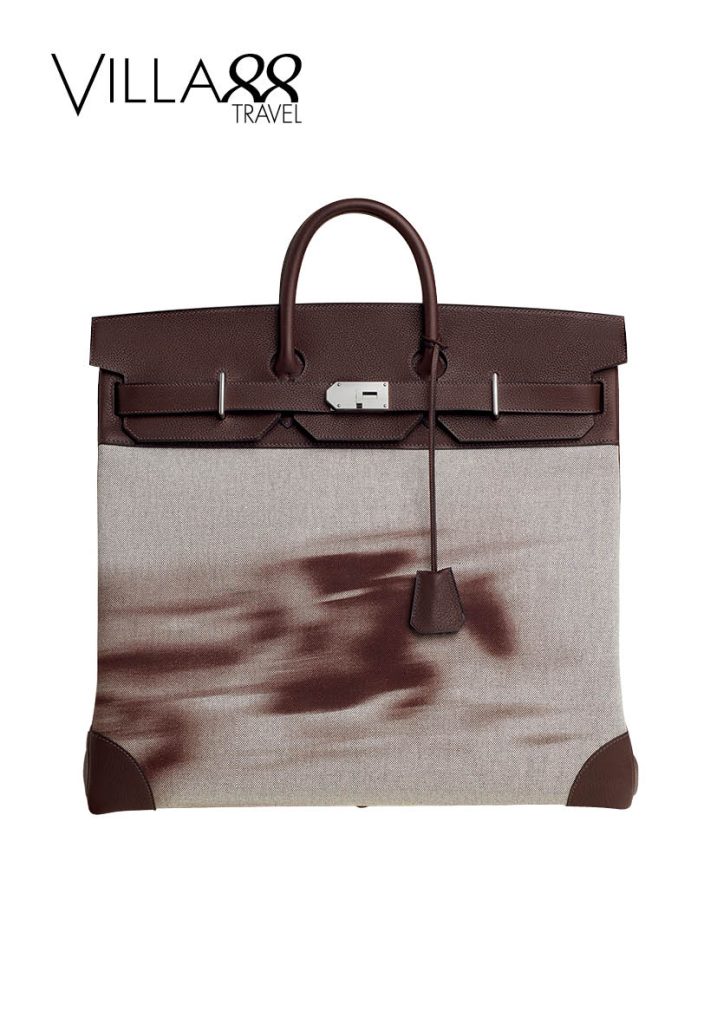
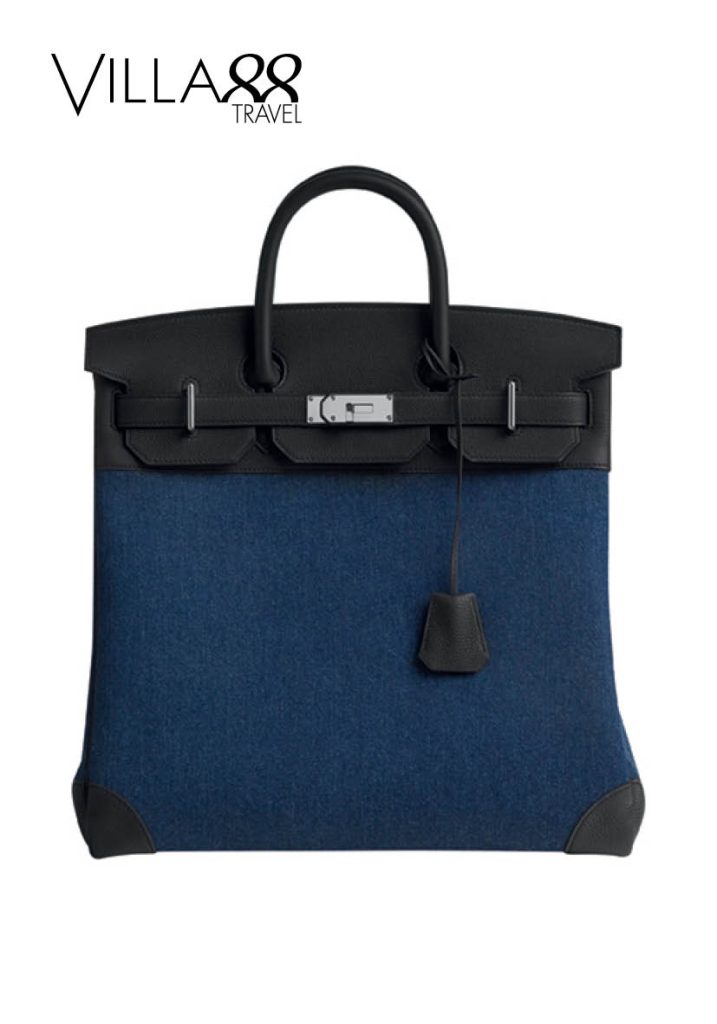
Today, everything about the HAC still whispers about where it came from. Hermès describes it as “a characterful bag with adaptable proportions”, inviting reinterpretation across materials – raw or printed canvas, felt, denim, Volynka leather. Over the decades, artisans have dressed it in cosmic scenes painted on leather, cowboy motifs embroidered directly into the hide, even sunburst-effect finishes. It’s a silhouette that can contain multitudes, yet look unmistakably like itself.
My own travels revolve around far simpler things – a stack of books, usually more than I can finish, a laptop that refuses to lighten with time, my Fuji X100VI, and the constellation of notebooks and pens that follow me everywhere and multiply without me knowing how. My Hermès Kelly Messenger GM carries this rhythm with grace, but there are moments in transit when I imagine how intuitively a HAC would house the architecture of my daily life. Not out of desire, but out of acknowledgment – some bags understand volume and movement the way a writer understands sentences.
My fascination took root when I saw the HAC in its purest, most vulnerable state, on a workbench in the Hermès documentary Hearts and Crafts (2011), half-built, unsupported, and utterly dignified. The Maison calls the creation of a bag an “intimate conversation between the artisan and the material”. Watching the HAC take shape in an atelier felt like witnessing the birth of a future companion.
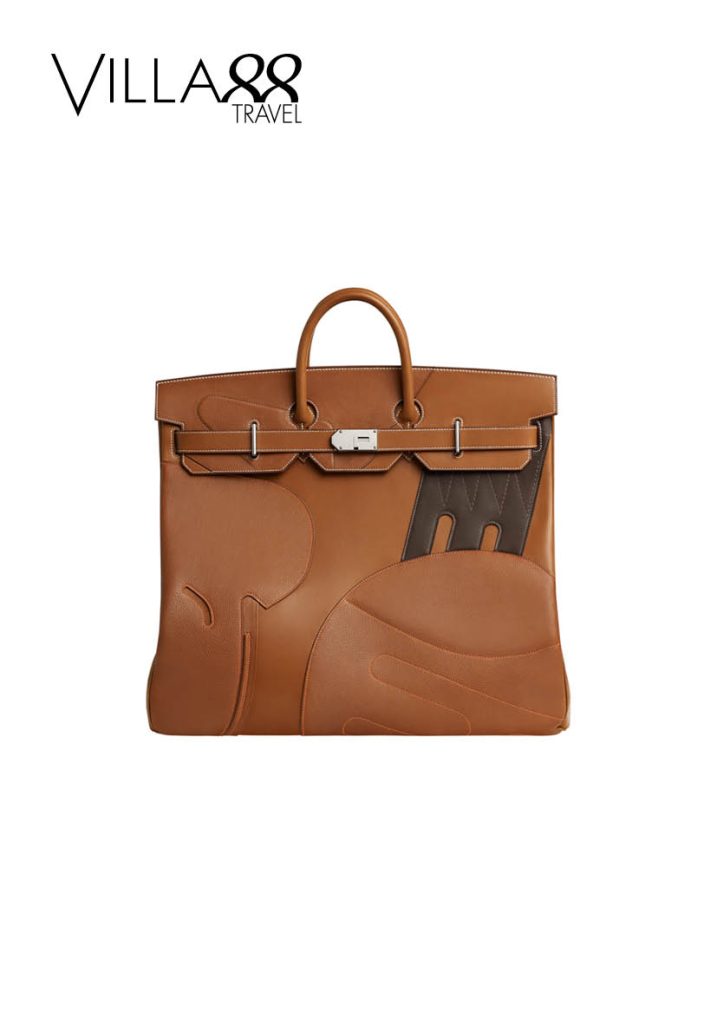
The HAC has always existed at the edges of culture, never loud yet always present. When Jane Birkin sparked the creation of her eponymous bag, during that flight we all know about, the world traced the design back to the HAC, the original blueprint. Over time, it found its way into the hands of men whose sophistication feels instinctive rather than styled. Kanye West may have been one of the most photographed with it, but collectors and elegant dressers like Pharrell Williams have long championed its capacity and its authority. Editors, designers, and discreet fashion insiders often choose it as their travel companion, knowing it commands attention without ever needing to ask for it.
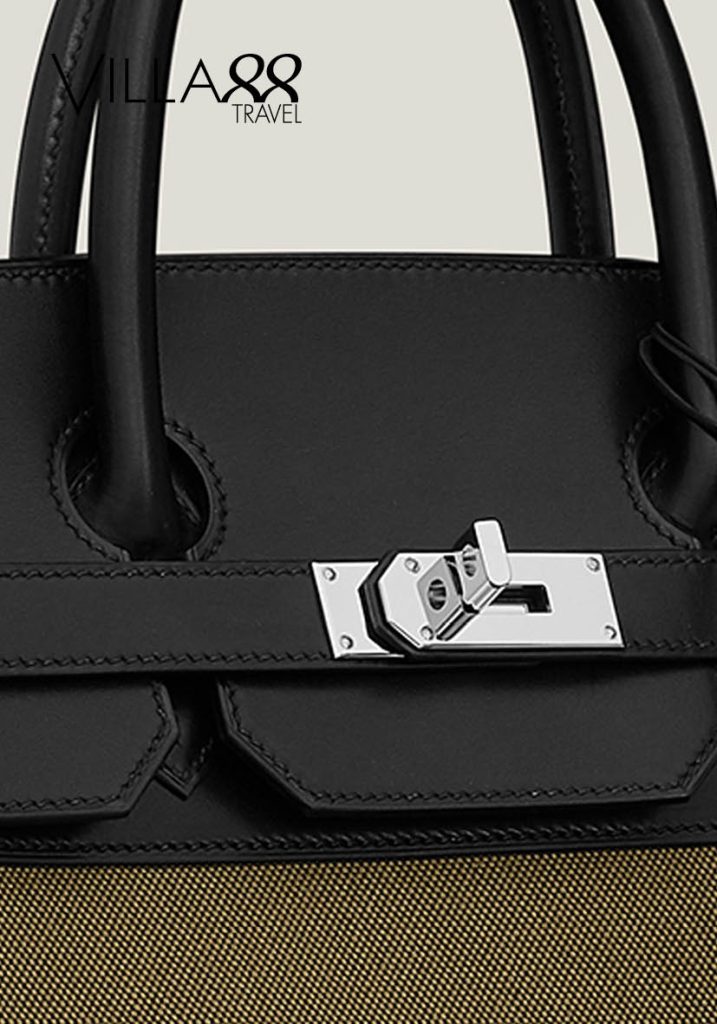
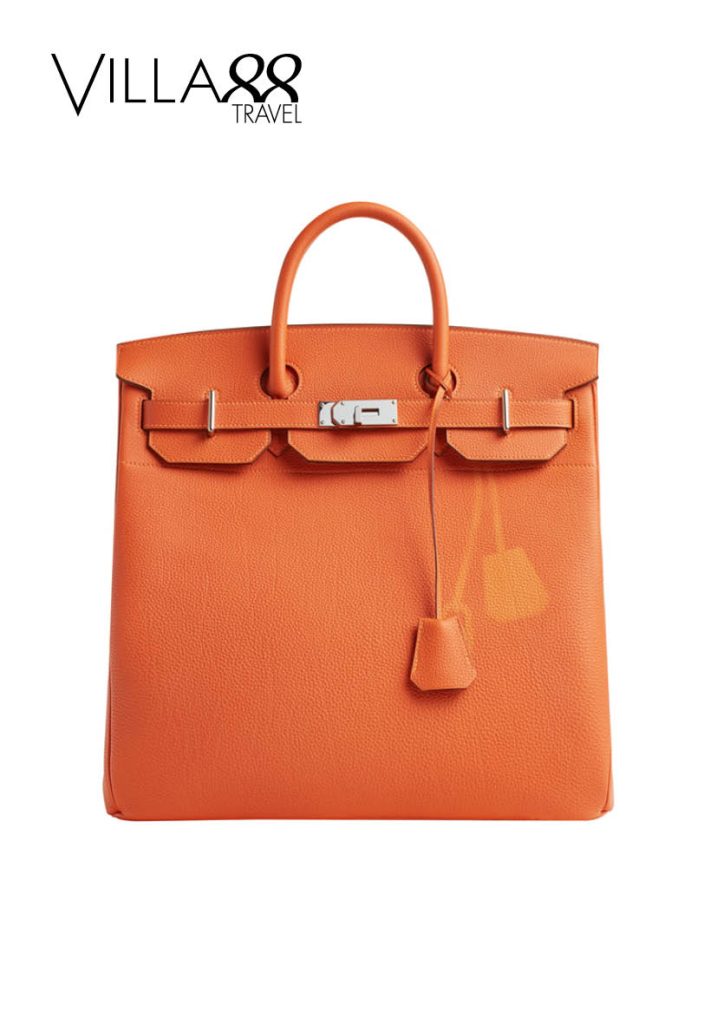
Hermès often highlights the HAC’s defining proportions – a taller body, shorter handles, and a frame “built for travel, made for endurance”. These details, more than any celebrity association, explain its longevity. The HAC is not simply a bag – it is a way of moving through the world. And perhaps that’s the real reason it endures. It feels timeless not because it tries to be, but because it carries the confidence of an object that has witnessed eras without ever needing to change. It reflects a way of traveling that is intentional, and firmly grounded in craft.
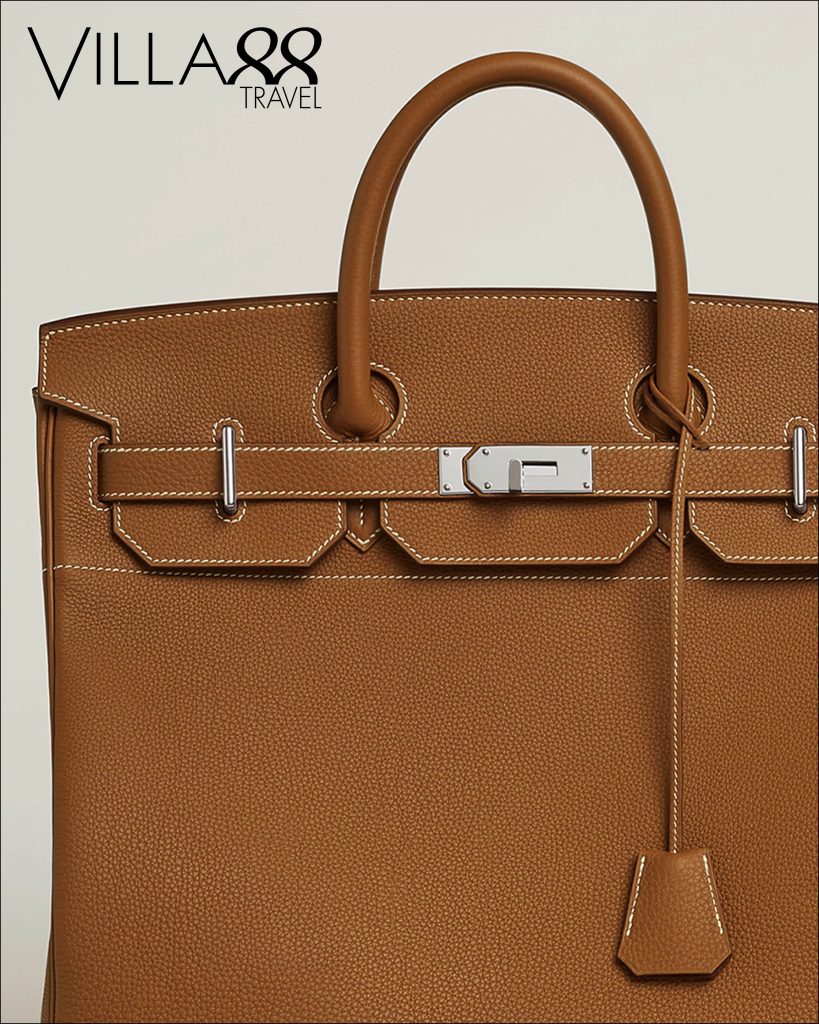
Whether or not it ever joins my own journeys, its presence has already shaped how I think about the pieces that accompany a life in motion. Some bags you own; others you learn from. The HAC, for me, remains the latter, an enduring reminder of how sophistication begins not with possession, but with appreciation.