




Words: Milo Radonjic
Photos: Ksenija’s archive
Ksenija Popović is sitting in the family house in Danilovgrad, surrounded by the four cats, a dog, and the quiet rhythm of Montenegrin countryside. I am in Dubai, looking out at a skyline of glass and desert light. Between us: a laptop screen, a steady Teams connection, and a conversation that drifts between literature, memory, travel, and the poetry of belonging nowhere and everywhere at once.
I met Ksenija many years ago, back when we both worked at the same television station. Two young journalists navigating prime time with lots of passion. I was anchoring a talk show, she was leading a cultural programme, and somewhere between studio lights, editorial meetings, and endless conversations about art and music, a friendship began to take root. It’s the kind of bond that doesn’t demand constant contact, one of those rare connections that simply endure. And today, as we speak, her in Montenegro and me in Dubai, I’m reminded that some friendships are stronger than differences in time zone, careers, and continents.

For Ksenija, the idea of travel isn’t romantic novelty; it’s simply life. She tells me she’s been living abroad since the age of eleven, spending more years as an expatriate than in her own country. Studying and later serving as a diplomat were very different experiences, she says, yet they left her with a similar feeling: that of being a foreigner everywhere, including at home.
“I belong wherever I go, and yet I never belong completely,” she explains with a smile. “It creates a curious mixture of loneliness and having friends around the globe.”
Perhaps, she adds, it was predestined. Her name itself holds the clue. Ksenija — pronounced Xenia — literally means stranger or foreigner.
That paradox inevitably seeped into her writing. Formally, she says with pride, she is a Montenegrin author. Yet critics in the Balkans often tell her she writes like a Westerner, while Western readers find something unfamiliar and different in her style. “So in a way,” she reflects, “I’ve become a bit of a mutt.”
And she means it affectionately.
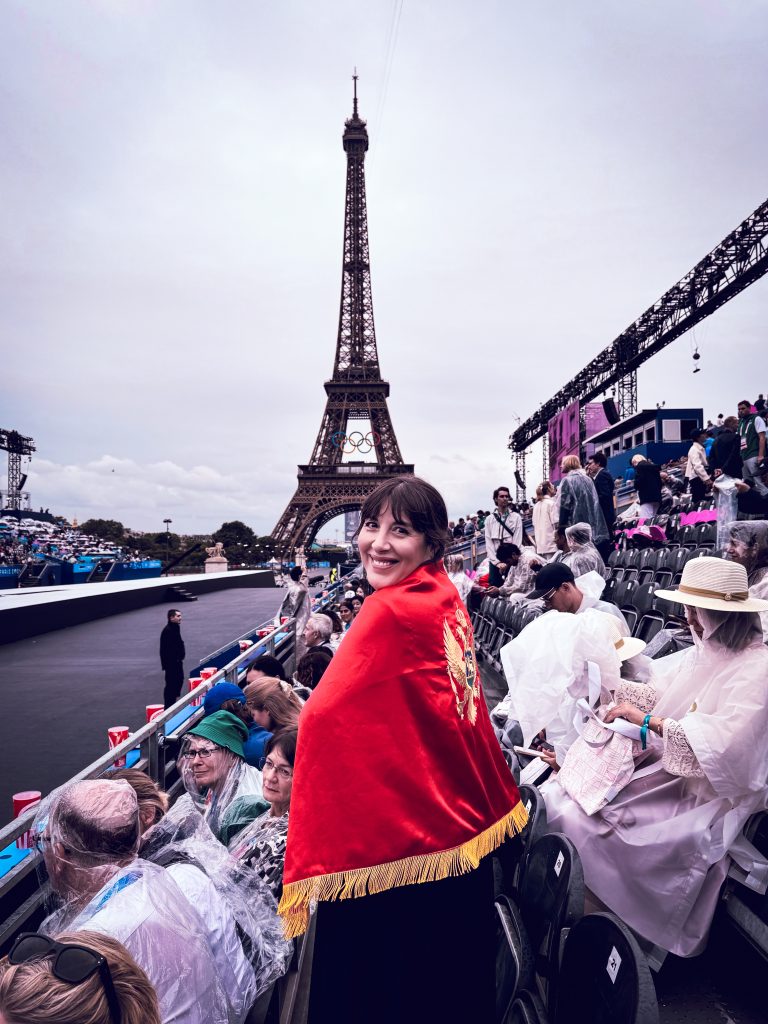
Paris, Always
When I ask if there is one place in the world that still feels like an emotional anchor, she answers without hesitation.
“France,” she says. “Always and forever.”
Her connection to Strasbourg is deeply personal. It’s where she gave birth to both of her children, and where married life truly began.
Her husband, also a diplomat, was posted to the Council of Europe while she was working at the embassy in Rome. For months, they lived in different cities, maintaining a long-distance marriage sustained largely by budget airlines.
“We always say Ryanair made our relationship possible,” she laughs.
Later, when her husband was appointed ambassador in Paris, the family eventually joined him there, and those years became, as she describes them, the best of their lives.
“Paris is all it’s hyped up to be, and much more,” she says. What she loves most is the city’s almost village-like structure. Each arrondissement feels like its own small town, complete with everything one might need within walking distance, including an artisanal chocolatier on almost every corner, she adds mischievously, “to the detriment of my waistline.”
But beyond the food, Paris offers something more difficult to define.
“It makes you feel intellectually alive,” she says. “You can’t walk through the city without thinking about the writers, artists and ideas that passed through it.”
For someone accustomed to moving easily between countries, leaving Paris proved unexpectedly emotional. “I was surprised by how hard I took it when we had to leave,” she admits. Still, she insists she will return someday, and she’s not wasting time worrying about how.
Markets, Faces, Stories
Unlike some writers, Ksenija doesn’t obsess over elaborate sensory descriptions. Growing up on the great Russian novels had already provided plenty of that.
“I think Tolstoy covered the detailed descriptions quite thoroughly,” she jokes.
Instead, sensory impressions from travel tend to appear in her photography rather than her prose. She enjoys capturing landscapes in soft light, city streets at twilight, and the small, whimsical details that reveal the personality of a place.
Her writing, however, is driven by people.
“I love studying their idiosyncrasies and everyday interactions,” she tells me.
Whenever she arrives somewhere new, her imagination wanders toward a simple question: What would it feel like to live an entire life here? To walk the same streets every day? To know every corner? To belong completely…
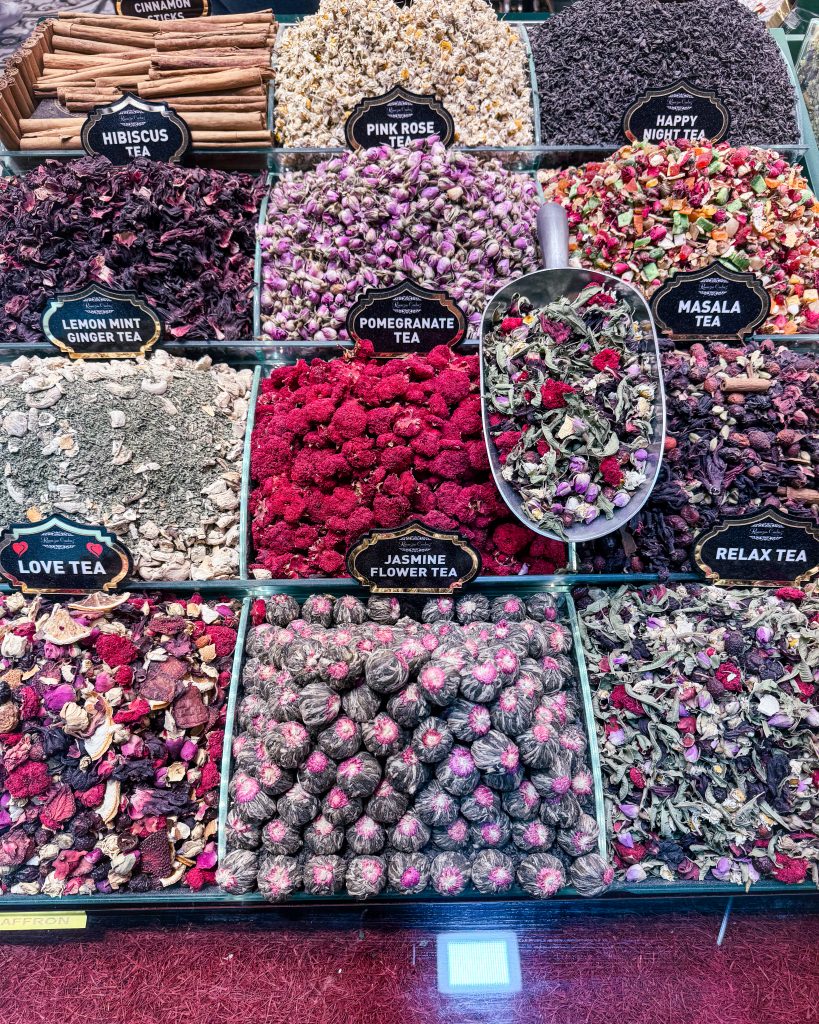
That curiosity leads her to the same ritual almost everywhere she travels: the local market.
“I love the displays of teas, nuts, fruits, vegetables,” she says. “And the colourful characters trying to make a living. Interacting, competing, charming the buyers. It gives me a glimpse of what it feels like to be a local.”
Diplomat vs. Writer
Travel, she explains, looks very different depending on the role she is playing.
As a diplomat, journeys are structured and purposeful, focused on institutions, official meetings, and the people relevant to the work at hand.
“As a writer and artist, it’s slower, freer, more deliberate,” she says.
The difference lies in what she calls the “soul of a place.”
But the writer never truly switches off.
“She’s always watching and taking notes.”
Her earlier years as a television journalist sharpened that instinct even further. Much of her work involved long-form interviews with artists, one-hour conversations that often wandered far beyond prepared questions.
“They taught me a lot about creativity, expressive freedom and courage,” she says.
Listening closely to people’s stories also trained her to notice the subtleties of character, pauses, contradictions, the details that reveal who someone truly is.
Those interviews didn’t involve much professional travel, yet she continued exploring independently, often returning to the places she loved most: France and Spain.
There is something magical, she says, about revisiting a city where you once lived.
“You suddenly feel all the memories return.”
Leaving Home
Travel and displacement form the emotional core of much of her writing.
Her play “One Way Ticket to America” emerged from the turbulent realities of the 1990s in the Western Balkans, a period when much of the region faced war, sanctions, and isolation.
While much of the Western world experienced optimism and prosperity, young people in her part of Europe were confronting uncertainty and limited opportunities.
“For many of them, leaving wasn’t really a choice,” she says. “It was survival.”
That moment when someone decides to abandon the place that shaped them in order to build a future elsewhere fascinated her as a writer. It meant accepting something difficult: becoming a stranger in a new country and starting life again from zero.
Today, low-cost flights and open borders have made travel easier. But she believes the deeper motivation behind many journeys remains the same. People are still searching for stability, opportunity, and a life with fewer limitations than the one their parents knew.
Stories Across Time
Her newest literary project stretches across centuries and continents.
The novel, a work of historical fiction based on real events, moves between Paris, Istanbul, and Montenegro, covering the period from the mid-19th century to the early 20th.
Writing it feels like traveling not only through geography, she says, but through time itself.
“A person who lived between 1850 and 1950 witnessed extraordinary transformations, technological, political, cultural,” she reflects.
Exploring that era is forcing her to rethink not only the story she’s writing, but history as a whole.
Belonging and Not Belonging
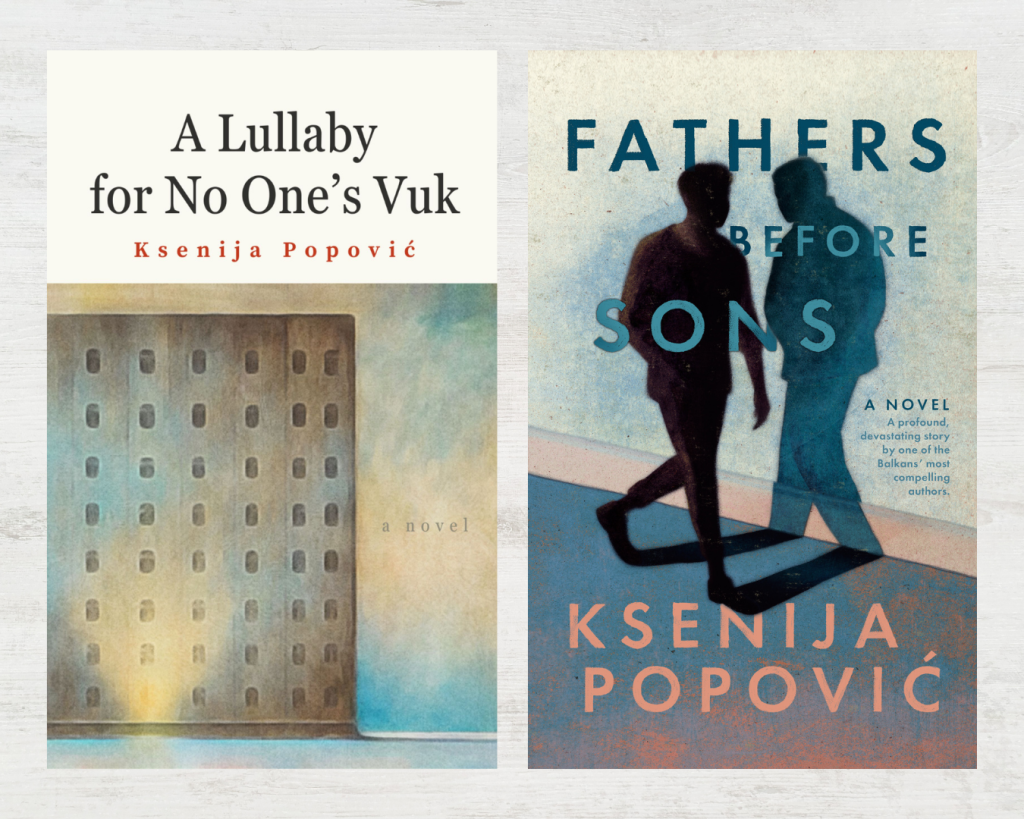
Themes of identity and displacement also shape her novels “Fathers Before Sons” and “A Lullaby for No One’s Vuk”.
Much of the emotional tone, she says, comes directly from her own life abroad.
“I read international fiction, watch films from different countries, listen to music from everywhere,” she explains.
That mixture inevitably shapes her characters as well. Even when they are not literal travelers, they often find themselves grappling with questions of belonging, loyalty, and identity.
In “A Lullaby for No One’s Vuk”, the setting itself becomes abstract, an emotional landscape rather than a specific geography.
“It’s a blend of Madrid, London, Amsterdam, and the Nordic countries as I imagine them,” she explains, adding with a smile that she still hopes to visit the latter one day.
Returning and Discovering
Despite a life defined by movement, Ksenija finds equal joy in returning to familiar places and discovering new ones.
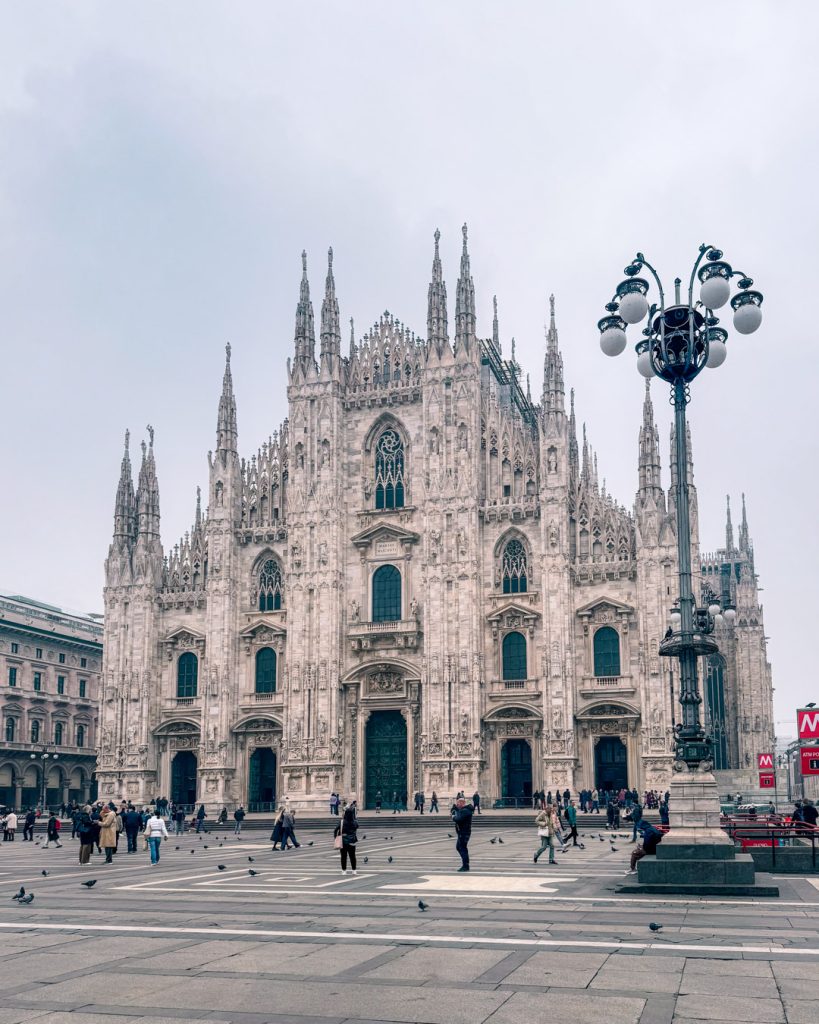
A recent trip to Milan, where she studied at university, proved unexpectedly emotional.
“It felt like being catapulted twenty-five years into the past,” she says. Walking those same streets again, this time with her family, brought back memories she hadn’t thought about in decades.
At the same time, she is always eager to explore somewhere entirely new.
Her next destination: Chișinău, the capital of Moldova.
“It’s just a short business trip,” she says, “but I’m incredibly excited to see a part of the world I’ve never experienced.”
For Ksenija, curiosity remains the central force behind every journey.
“The world is a miracle,” she says simply. “Its variety and multiculturalism too.”
Cultures Meeting
Some places, she believes, reveal more than others about the beauty of cultural exchange.
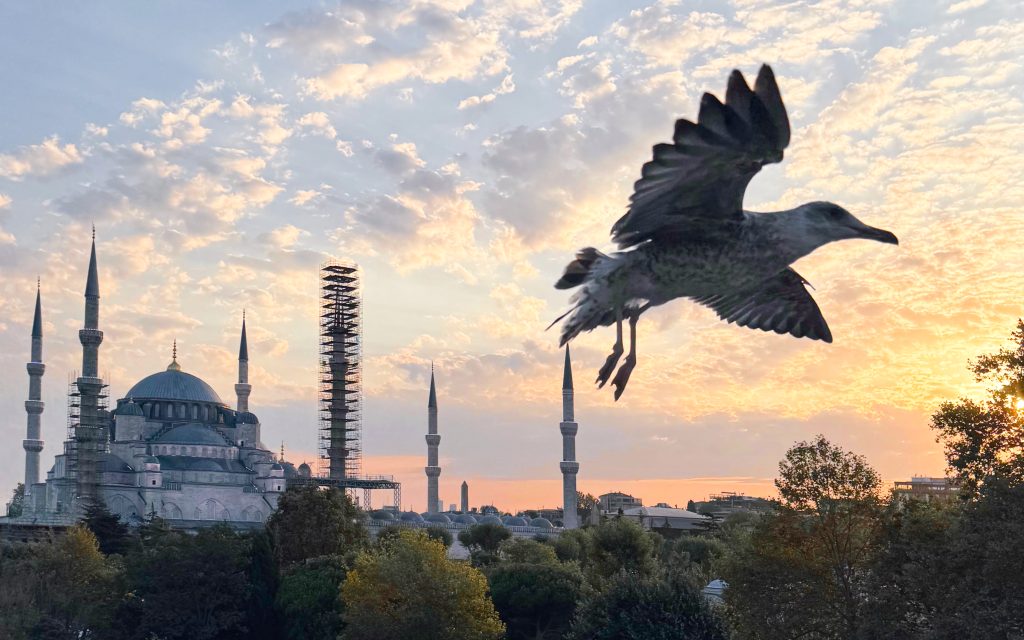
Three destinations stand out in her mind: Andalusia, Sicily, and Istanbul.
Each of them sits at the crossroads of civilizations, where cultures have collided, merged, and evolved over centuries.
“In times like ours, when fear of ‘the other’ is so strong,” she says thoughtfully, “it’s easy to forget that all of history is really a story of migration.”
And when cultures mix, despite the challenges, something remarkable can happen.
“They can create extraordinary beauty.”
The Cities That Shaped Her
If someone were to retrace Ksenija’s life through geography alone, she says three cities would define her worldview: Milan, Madrid, and Paris.
Each shaped a different part of her identity, both as a person and as a writer.
And yet there are still places calling to her imagination. Places she believes might open entirely new creative directions.
“Ireland, Scotland, the Nordic countries,” she says thoughtfully. “And several countries in Asia, especially India, Japan, and Thailand.”
The screen flickers slightly as our call nears its end. Outside her window, the day settles. In Dubai, the desert light is beginning to soften.
Two places. Two time zones. One long conversation about literature, memory, and the strange gift of always being a little bit foreign, wherever life takes you.
YouTube Channel: https://www.youtube.com/@ksenijapopovic