


For many travelers, a trip to Indonesia begins, and often ends, in Bali. It’s easy to see why. The island offers beautiful beaches, rich culture and dramatic landscapes, making it an ideal introduction to the country. But beyond Bali lies an archipelago of more than 17,000 islands, stretching across 3,000 miles of tropical seas and coral reefs, one of the largest island chains in the world.
Many of these lesser-visited islands offer a deeper look into a country long shaped by spice wars, maritime struggles and centuries of history. Nowhere is this more apparent than toward the Banda Islands and Papua, where historic settlements dating back to the 15th century sit alongside some of the world’s most pristine diving waters, untouched beaches and volcanoes. In the early 20th century, parts of this region were even poised to become glamorous destinations. But limited ferry services and a lack of airstrips kept them remote, and in many places, they remain so today.
That remoteness is part of their appeal. The journey, which for the most part is reached by sea, carries a touch of old-world adventure. It’s almost like stepping into your own Robinson Crusoe story, where each island feels newly discovered.
Sailing the Archipelago
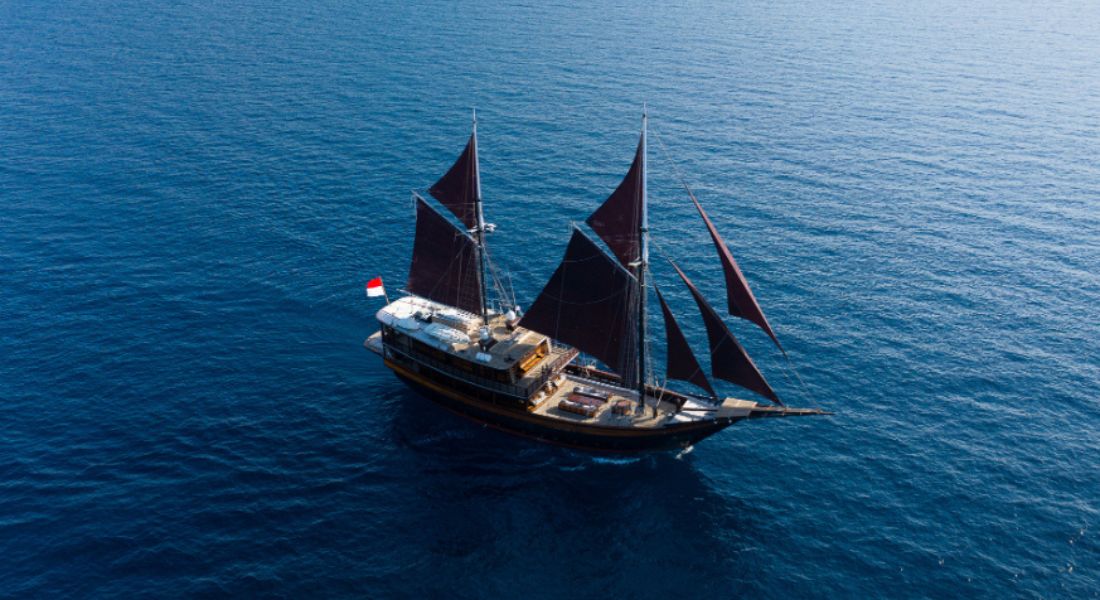
While standard charter boats operate throughout the region, one of the most authentic ways to experience it is sailing aboard Dunia Baru, a traditional Indonesian phinisi reimagined as a private yacht. Phinisi boats were once built for trade, carrying spices, timber and textiles across the archipelago. Designed for long sea crossings, they remain deeply connected to Indonesia’s maritime history, a legacy that Dunia Baru continues today.
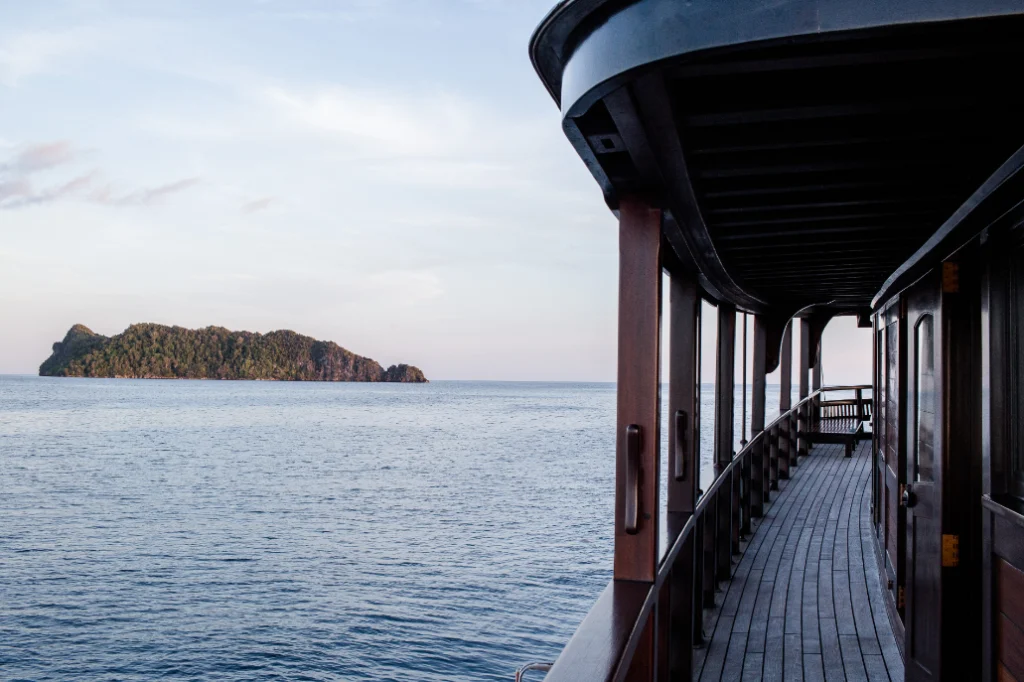
Accommodating up to 14 guests, the yacht offers the comforts of a private retreat at sea. Original details have been carefully restored, from teak and rare ulin ironwood to carved wooden hinges. The interiors have been redesigned into master suites and spacious living areas, with panoramic ocean views and bespoke furnishings that balance relaxation with adventure.
Owned by Singaporeans Jing-Yi Wee and Teng Yuan Wee, the yacht sails on fully customized itineraries across three main routes: the Lesser Sunda Islands, Alor and the Forgotten Islands; and West Papua, regions they describe as Indonesia’s best-kept secrets.
Days unfold with the rhythm of the landscape, from diving along coral reefs and hiking volcanic ridges to visiting remote villages. At sea, manta rays often glide past the boat, and at times, hammerhead sharks can be spotted in deeper waters. For a clearer sense of how each journey differs, here is a closer look at the three itineraries and what they offer.
Lesser Sunda Archipelago
Just east of Bali lies the scenic Lesser Sunda Islands, a region known for its volcanic landscapes and national parks. The most famous of these is Komodo National Park on Komodo Island, where visitors can see the Komodo dragon in its natural habitat. Endemic to the area, this prehistoric-looking reptile is the largest lizard in the world and one of the few with a venomous bite.
A short sail away is Flores, home to Kelimutu National Park and its striking tri-colored crater lakes. The lakes shift between shades of blue, green and red, a result of changing mineral and gas activity beneath the surface. Flores is also rich in culture. The Manggarai people, for example, maintain traditions such as the Caci, a ceremonial whip dance performed to the rhythm of drums.
Alor and the Forgotten Islands
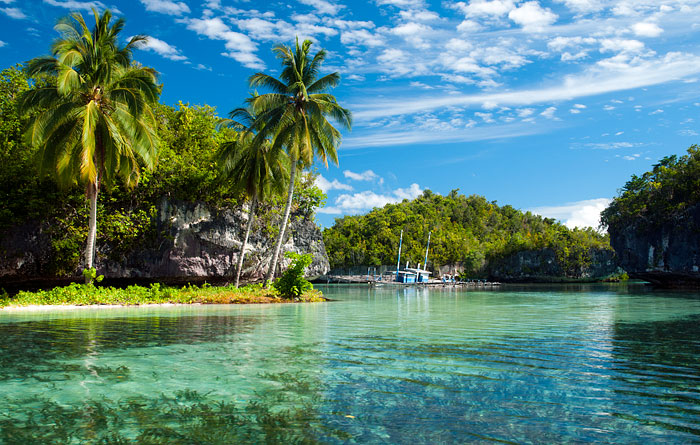
Further east, Alor and the surrounding Forgotten Islands feel more remote. Alor is one of Indonesia’s most culturally diverse islands, home to more than 50 tribes. Visitors can spend time in traditional villages and learn about local customs that have been preserved for generations.
The waters here are equally impressive. Near islands such as Kawula, volcanic activity beneath the sea creates shifting currents that attract turtles, rays and sharks. Dive sites are quiet and largely untouched.
West Papua
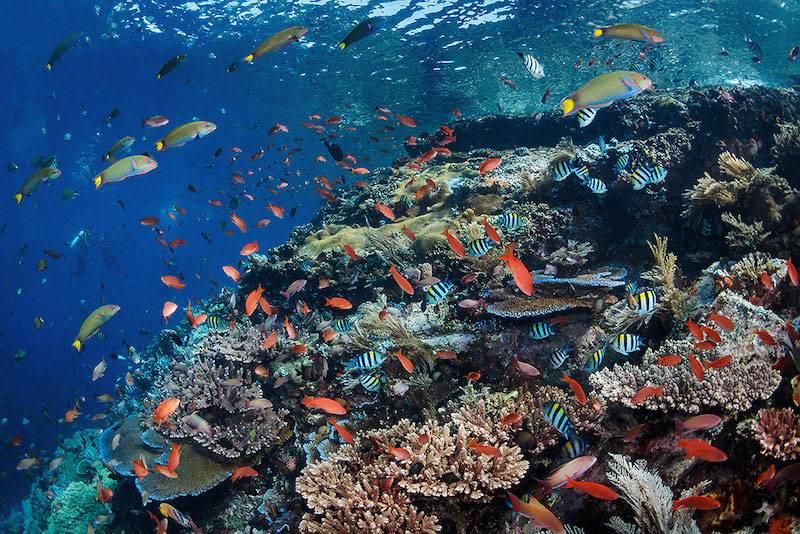
West Papua and more specifically, Raja Ampat, is widely regarded as one of the most biodiverse marine regions on Earth. Around 75 per cent of the world’s coral species are found in its waters, along with more than 2,500 species of fish.
Its location along the Pacific Ring of Fire has created nutrient-rich seas and thriving reefs. Among the many dive sites, Magic Mountain is known for coral-covered seamounts and constant marine activity. At least 23 species here are endemic, including the walking shark and several brightly coloured reef fish.
Of the roughly 1,500 islands that make up Raja Ampat, four are known as the “Four Kings”, Misool, Waigeo, Salawati and Batanta. Misool is recognized for its limestone cliffs and ancient cave paintings. Waigeo and Salawati are havens for birdlife, while Batanta is famed for its rainforest-covered mountains, rivers and waterfalls.