


Saadiyat Island has changed dramatically over the past two decades. What was once a quiet stretch of coastline has grown into the Saadiyat Cultural District, now one of Abu Dhabi’s main destinations for art and culture.
The area is home to the Louvre Abu Dhabi, an art museum that houses some of the most significant masterpieces in art history. Nearby, now sits the Natural History Museum Abu Dhabi and the Zayed National Museum, both of which opened in late 2025. Later this year, Frank Gehry’s Guggenheim Abu Dhabi is also expected to open, becoming the largest Guggenheim museum in the world. Around these major institutions, more galleries, restaurants and shops have opened, making the island a place where you can easily spend the whole day.
If you are planning a day trip to Saadiyat Island, here is a guide to some of the best things to do.
Louvre Abu Dhabi
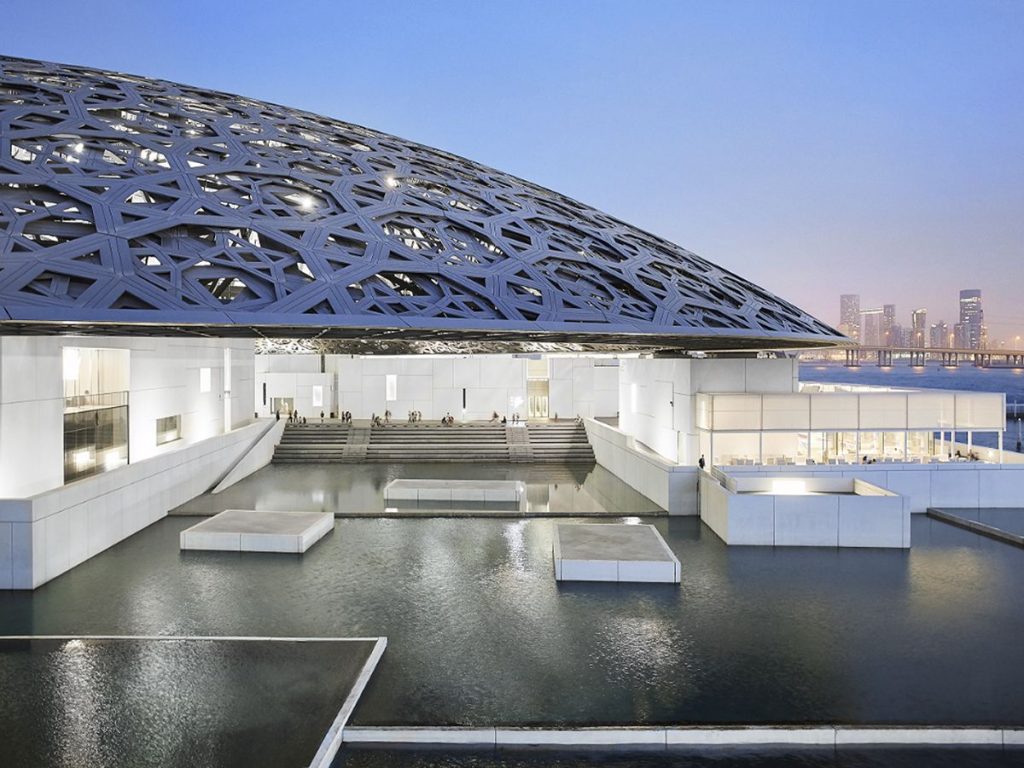
Set beneath its striking dome, Louvre Abu Dhabi is the cultural anchor of Saadiyat Island. Designed as a universal museum, it brings together works from different civilisations and time periods to tell a connected story of human creativity. Rather than separating art by geography, the galleries place objects side by side to highlight shared ideas, influences and moments of exchange across cultures.
The museum’s permanent collection features around 600 works, arranged across 12 chapters that move from ancient artefacts and religious manuscripts to European Old Masters, photography and modern art. It is a space where visitors can encounter everything from classical sculpture to Impressionist painting in a single visit.
Beyond the permanent galleries, the museum hosts temporary exhibitions included in the ticket price, alongside film screenings, public talks, workshops and classes. Visitors can even join yoga sessions or kayaking tours around the building.
Among the standout exhibitions this spring is Picasso: The Figure, devoted to Pablo Picasso. The exhibition explores how the artist represented the human body throughout his career and how his shifting vision helped shape modern art. Highlights include Woman with a Mandolin (Miss Léonie Seated) (1911) and Portrait of a Seated Woman (Olga) (1923) from Louvre Abu Dhabi’s collection, as well as Woman Sitting in Front of the Window (1937), on loan from the Musée national Picasso–Paris.
Aside from art, visitors can also explore the various dining options housed inside the museum. There are two cafés offering either sit-down meals or takeaway options. The museum is also home to a branch of Fouquet’s, the well-known French restaurant originally based on the Champs-Élysées, serving lunch and dinner.
Zayed National Museum
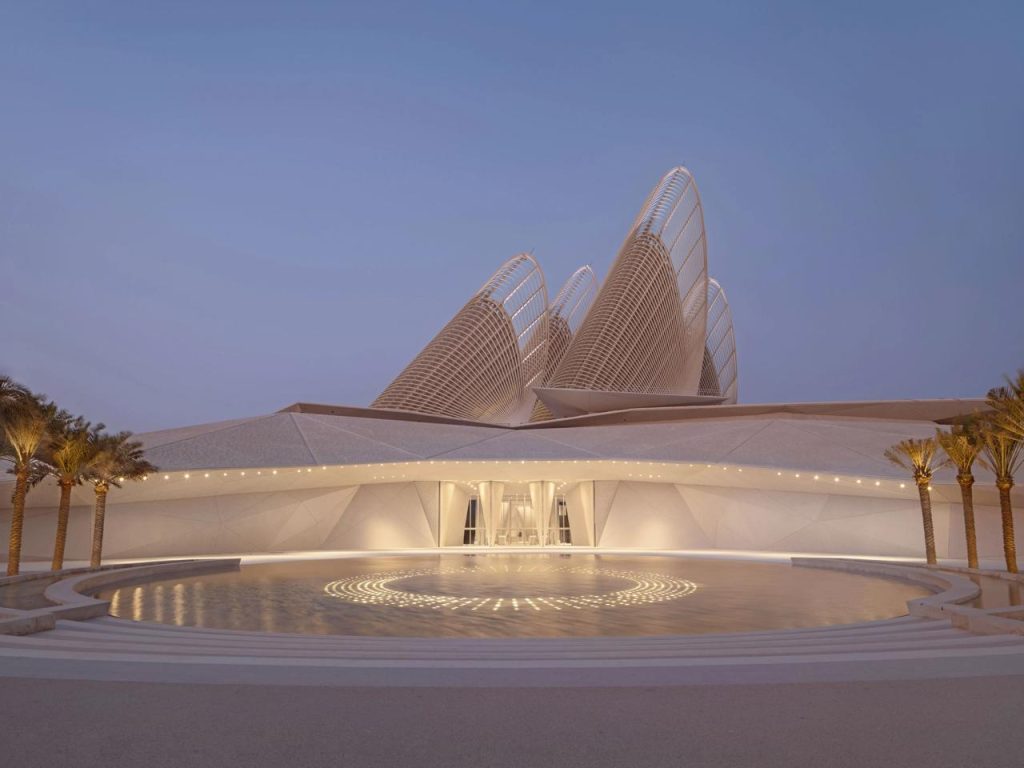
Zayed National Museum traces the UAE’s journey from its earliest human settlements to its rise as a nation as we know today. Beginning with 300,000-year-old stone tools from the Palaeolithic period and moving through the transformative discovery of oil, the museum charts the milestones that shaped the country. More than 1,500 artefacts drawn from all seven emirates are displayed across six permanent galleries, offering a cohesive account of the nation’s cultural and natural heritage.
The museum unfolds as a journey that begins with the nation’s founding. In Our Beginning, visitors learn about Sheikh Zayed bin Sultan Al Nahyan and the creation of the federation in 1971, with personal artefacts including the black Chrysler he used while travelling across the emirates during the early years of development.
Other highlights include the exhibition known as To Our Ancestors, which traces human settlement in the region. It displays a reconstruction of Al Ain’s Hili Grand Tomb alongside an 8,000-year-old pink pearl that reflects the area’s early trade networks. Interactive elements in Our Connections bring archaeological finds, including the early Christian site on Sir Bani Yas Island.
Together, the galleries provide context for the country’s past while offering ideas for travelers keen to explore its heritage in person.
National History Museum Abu Dhabi
Opened late last year, the Natural History Museum Abu Dhabi is the largest of its kind in the Middle East. It tells the story of the universe, the Earth and life over 13.8 billion years, taking visitors from the beginning of the solar system through to the natural world we know today.
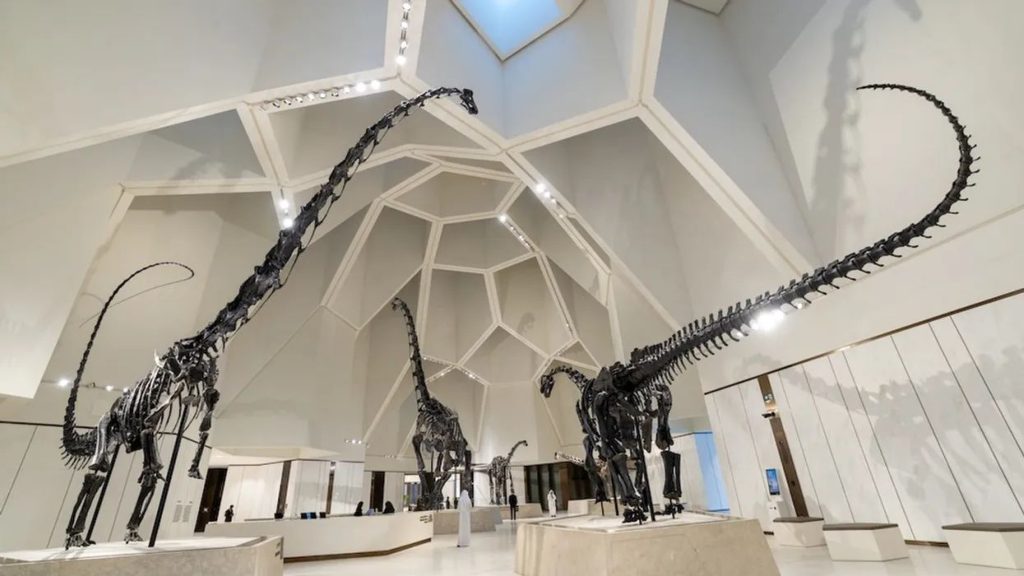
The museum is organized into three main sections. The first focuses on space, with highlights including a fragment of the seven-billion-year-old Murchison Meteorite and a piece of moon rock that visitors can touch. The next section moves into the age of dinosaurs and the development of life on Earth. Here, lifelike models and fossil displays include two Tyrannosaurus rex skeletons locked in combat over a Triceratops. One of them is “Stan”, one of the best-preserved T. rex specimens ever discovered.
Other standout exhibits include a 25-metre blue whale skeleton suspended inside the museum. Small details, such as brass animal footprints along the garden paths and a herd of sauropods rising through the atrium, add to the experience, making it both informative and visually impressive.
TeamLab Phenomena Abu Dhabi
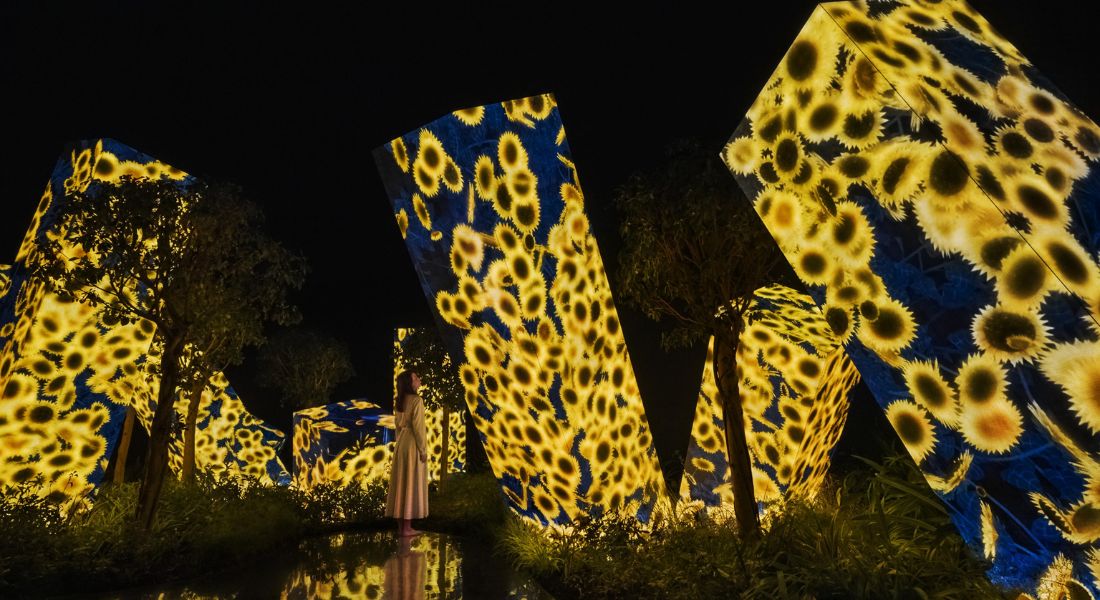
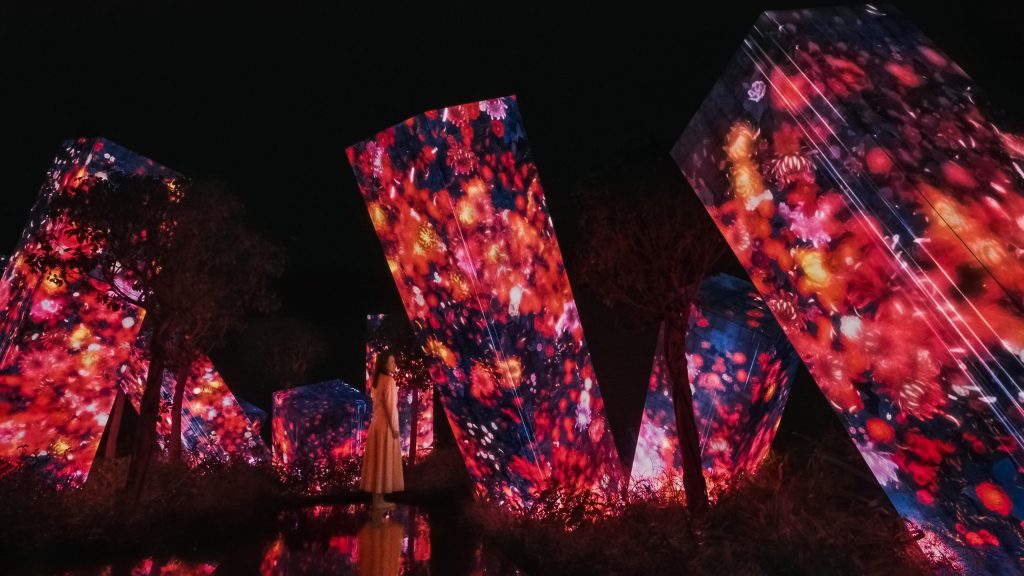
There is a reason millions of visitors are drawn to teamLab. With more than 20 outposts worldwide, the collective has built a devoted following, and its Saadiyat Island venue is among its most ambitious. Since opening last year, teamLab Phenomena Abu Dhabi has immersed audiences in 17,000 square metres of interactive digital art shaped around the idea of natural phenomena.
The Abu Dhabi space is grounded in the idea of natural phenomena, a concept that continues to shape its development as it moves into 2026.
Two recently unveiled installations further expand this vision, deepening the exploration of the relationship between art and environmental processes that lies at the heart of the collective’s work.
Megaliths in the Roots Garden evolves from an earlier single-level presentation into a two-storey experience. Visitors move through linked yet contrasting spaces inspired by underground biological networks. The installation is designed to transform gradually as its living elements grow, making each visit a different experience. The roots within the work are real, cultivated in Abu Dhabi over five to six years.
By contrast, Massless Suns and Dark Suns focus on perception. Housed inside a dome-like chamber, the installation treats light not as a solid object but as an experience shaped by human presence. Dots of light move across the surrounding surfaces, and as visitors gather at the centre, their silhouettes merge into the shifting display.
Other displays within the digital art exhibition feature metallic jellyfish-like shapes floating in wet galleries and clouds of fluttering butterflies. It’s an experience where you can get lost and wonder and appreciate the beauty of natural phenomena.