


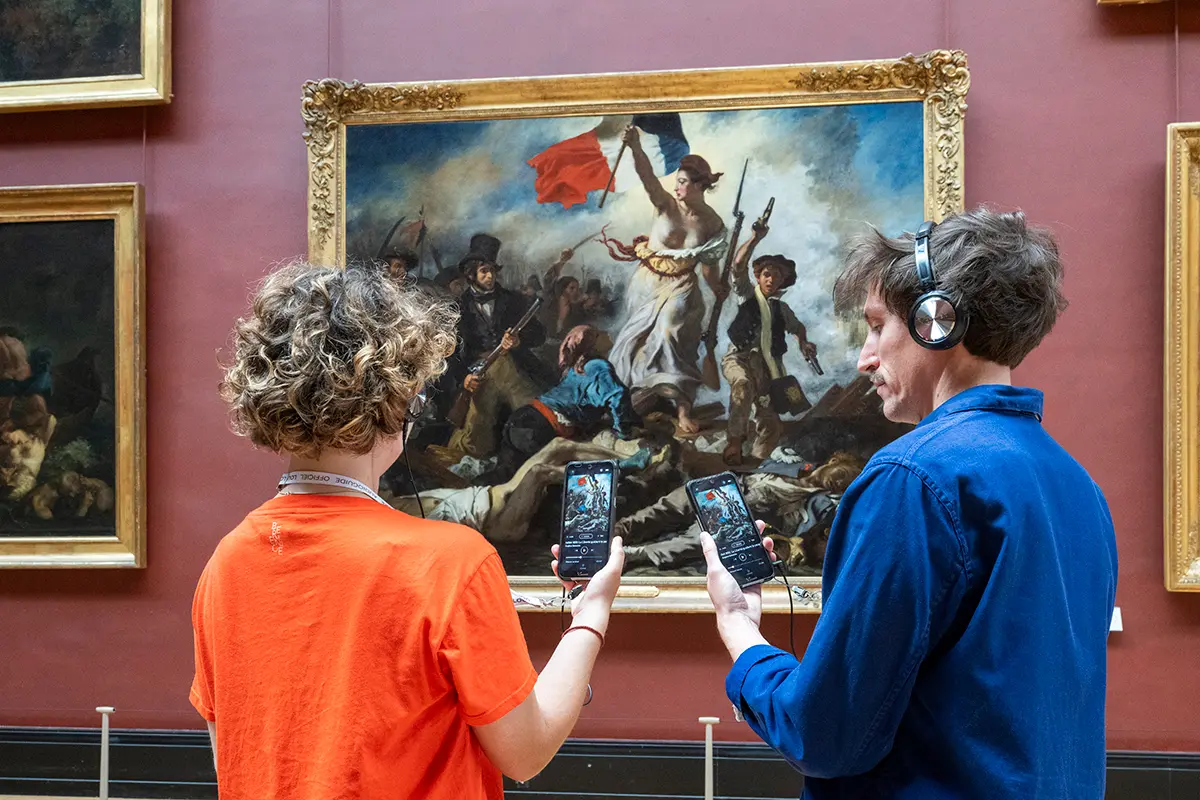
Walk into almost any major gallery today and you’ll notice the same scene: visitors holding their phones before they’ve had a chance to truly look. Capturing the artwork has become almost as important as experiencing it. Social media hasn’t changed art itself, but it has transformed the way we engage with it.
Although social media has undoubtedly changed the way we experience art, it has also made it more accessible than ever before. Today, someone can take a virtual tour of the Musée d’Orsay without leaving their home, or discover emerging artists from countries they may never otherwise encounter. In many ways, social media has removed the barriers that once made art feel distant or exclusive.
Its influence extends beyond galleries, too. Museums now have the ability to engage younger audiences through the platforms they already use every day, while artists can share their work with millions of people without relying solely on exhibitions or galleries. For many creatives, a single post has been enough to launch an international career.
Perhaps most importantly, social media has changed who sees themselves reflected in the art world. Previous generations often viewed successful artists as people they read about in books or encountered at museums. Today, aspiring artists can follow working creatives, learn new techniques and watch artistic careers unfold in real time. Art has become not only more visible but also more attainable.
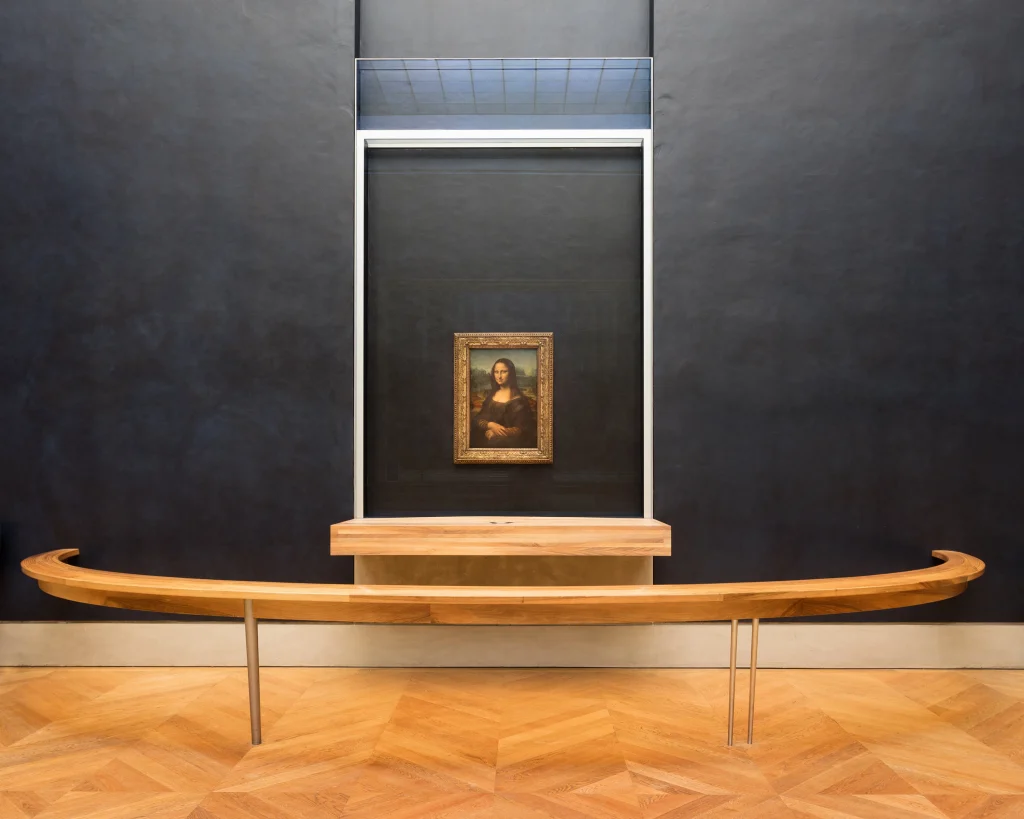
Yet this same shift has changed how we experience galleries in person. Even standing in front of remarkable works, many of us instinctively reach for our phones, spending more time capturing the moment than quietly observing the brushstrokes, colours and craftsmanship before us. At the Louvre, many visitors make a beeline for the Mona Lisa simply because it is famous, while countless other masterpieces wait nearby, largely unnoticed. Photographs preserve what we saw, but they cannot always capture how the art made us feel.
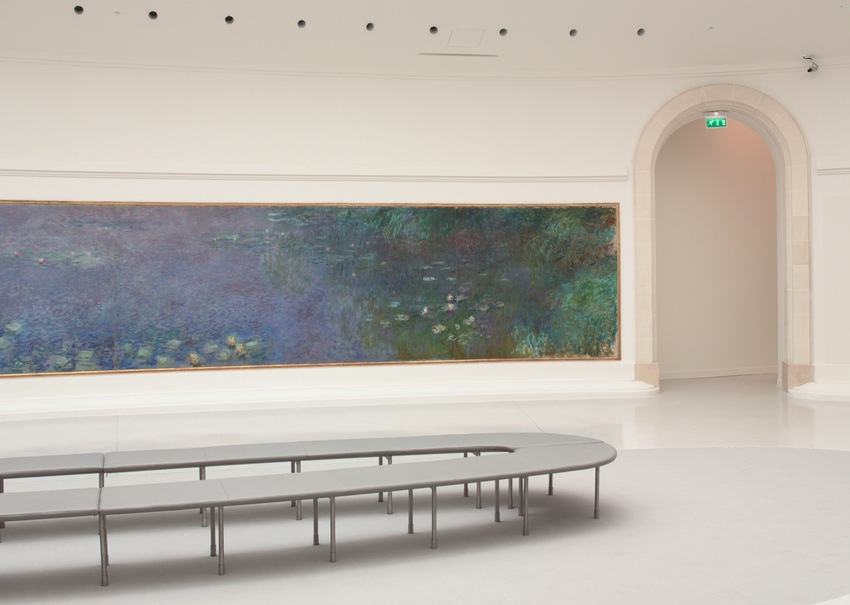
Social media has opened the doors of galleries to millions of people around the world. The challenge isn’t putting our phones away completely; it’s remembering to look up long enough to experience the art before we capture it. The next time you visit a gallery, try spending a few uninterrupted minutes with a single artwork before reaching for your phone — noticing the brushstrokes and how the colours and scale make you feel. Sometimes, the most meaningful part of visiting a gallery isn’t the photograph we take home, but the feeling we leave with.
By Sayhrah Noor Asif-Ali