


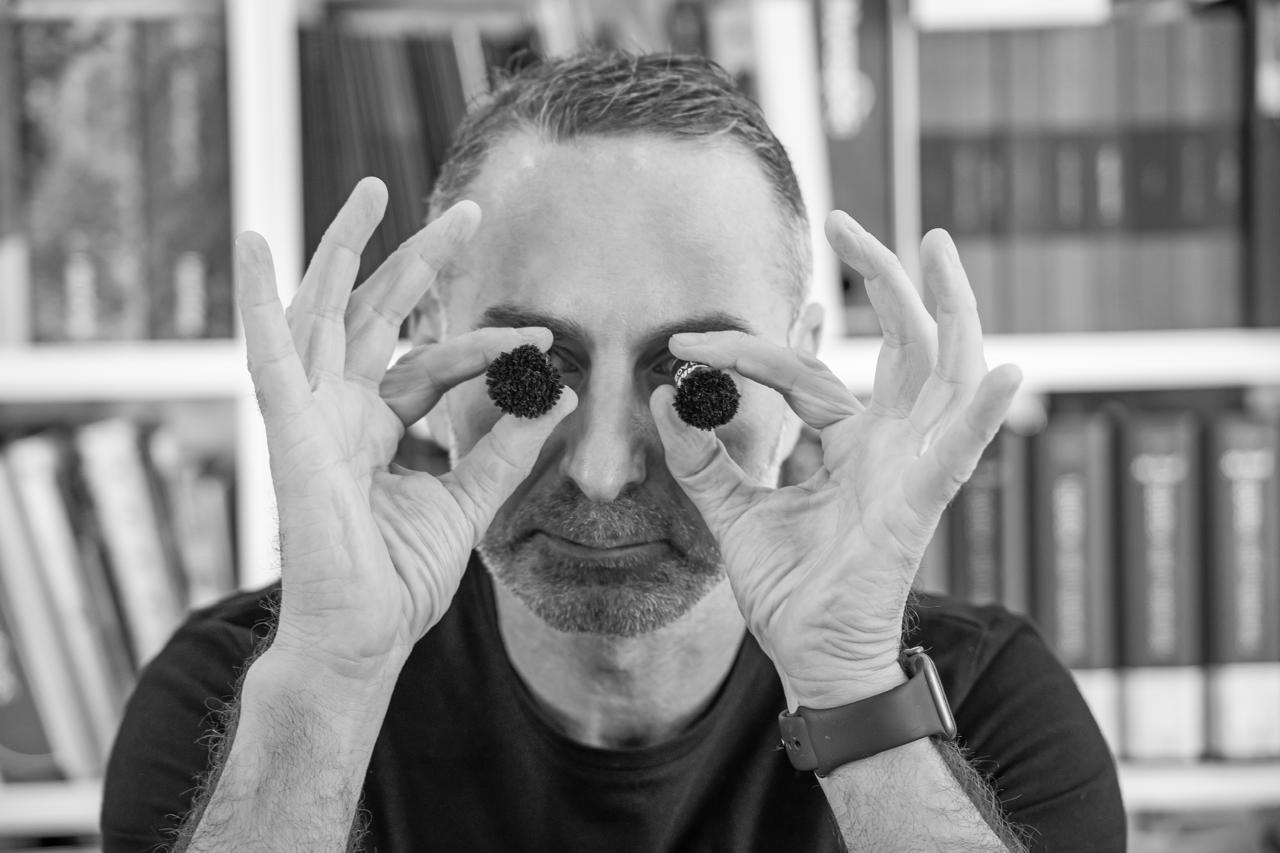
Mustafa Khamash built Kart Group into one of the MENA region’s most trusted design studios by working across government ministries, royal residences, and public plazas, all while maintaining a single, unwavering principle: restraint over spectacle. Trained at the Istituto Universitario di Architettura di Venezia and shaped by time spent alongside Paolo Piva, Zaha Hadid Architects, and Philippe Starck, Khamash arrived in Dubai in 2004 with a European design education and a philosophy already in formation. Two decades on, Kart Group, the studio he founded and leads as Creative Director, has become one of the most influential practices in the GCC, delivering environments for government ministries, royal clients, and corporate institutions across the region.
What sets Khamash apart is not just the range of his commissions, but the consistency of his thinking across them. A ministerial office and a private residence, a monumental public sculpture and an intimate interior, each is approached through the same disciplined lens: reduce the noise, let the space speak.
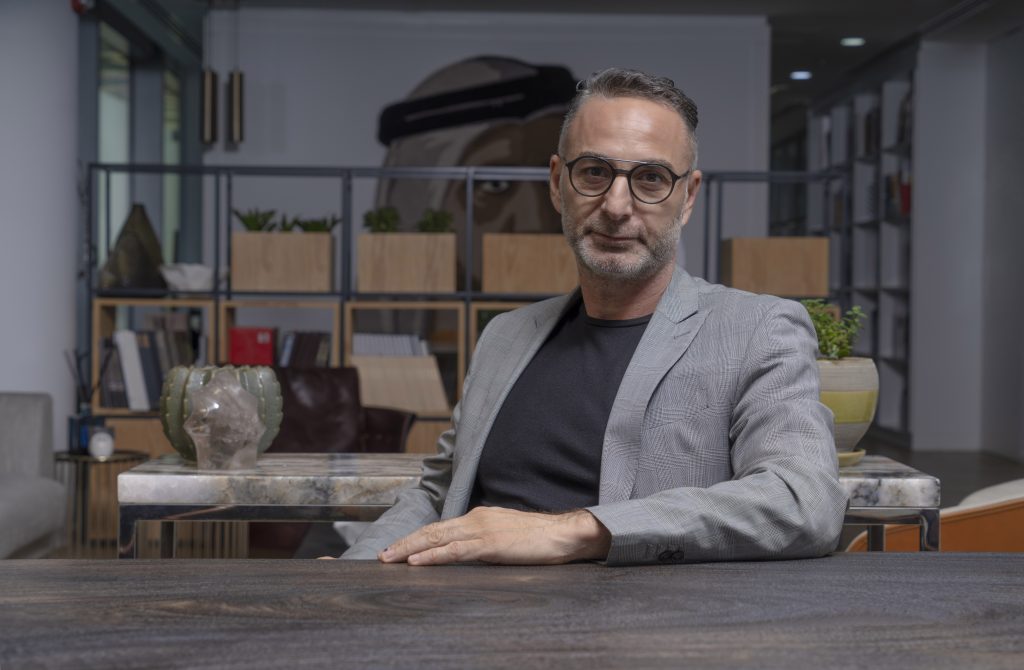
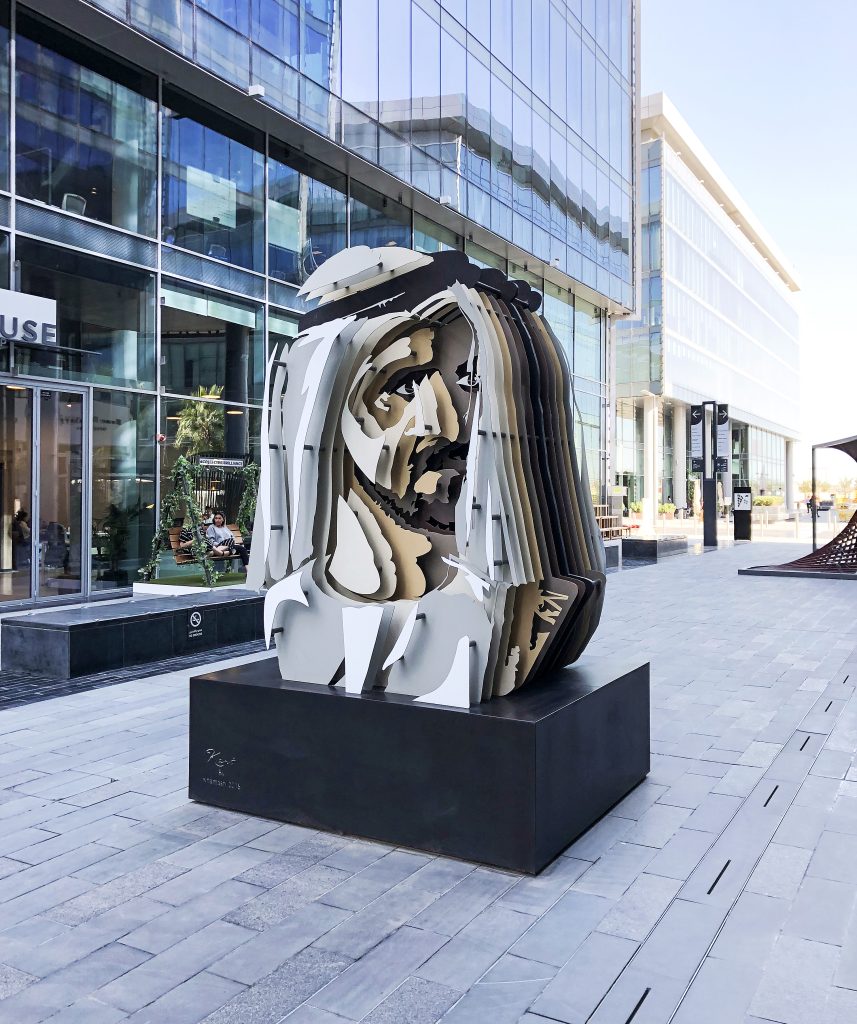
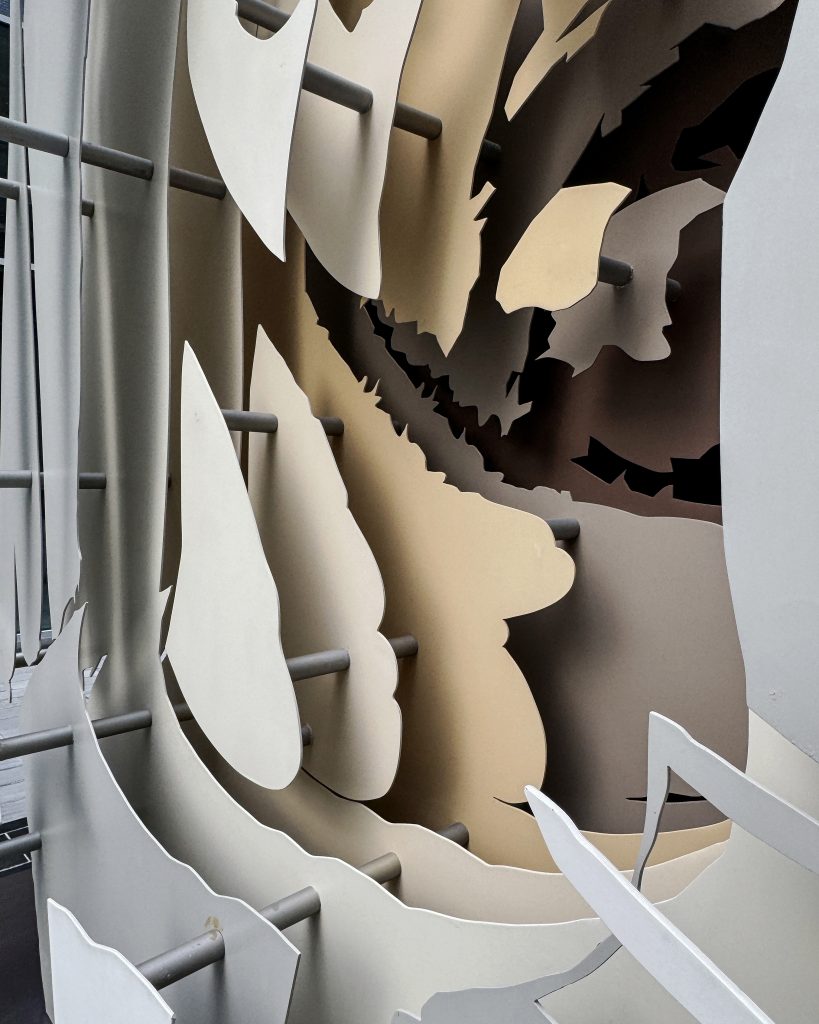
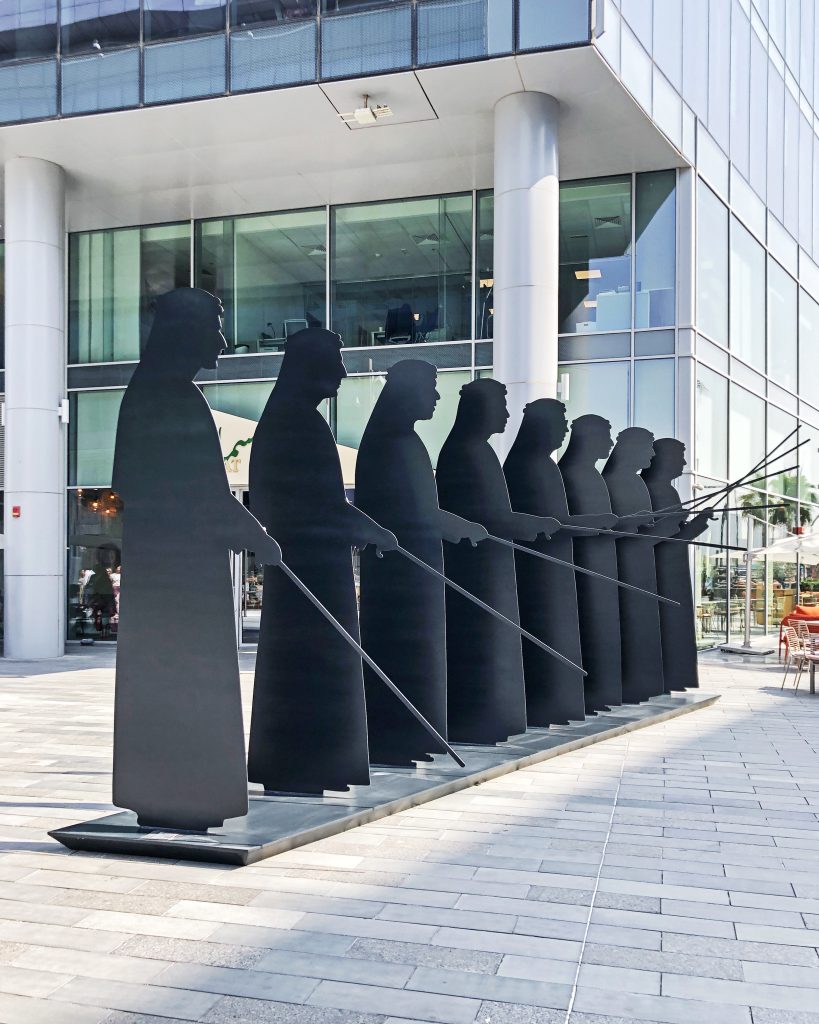
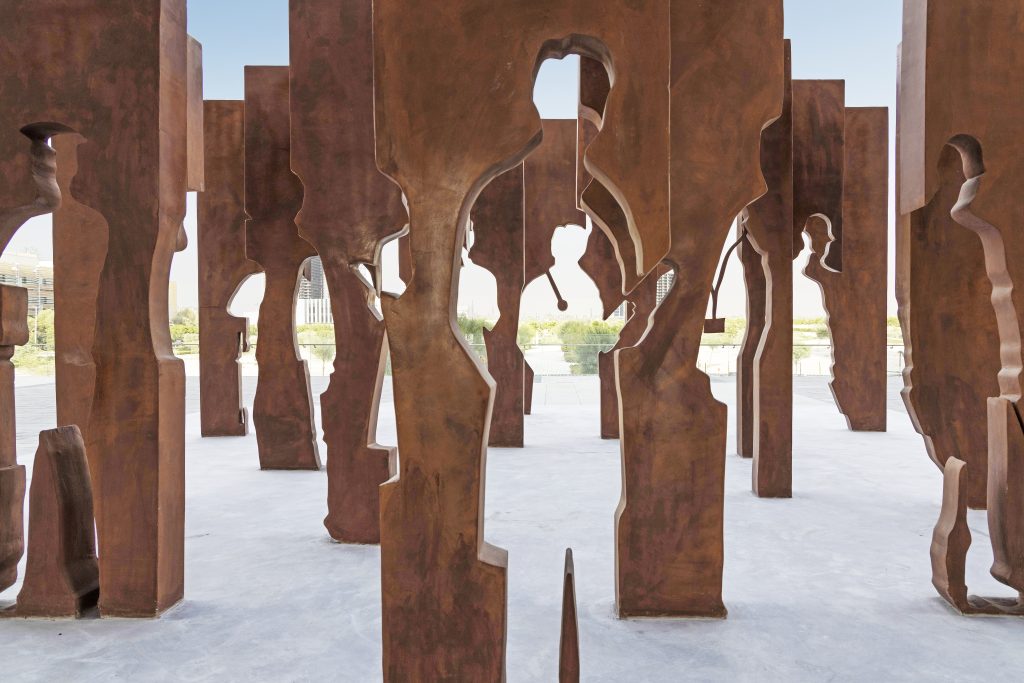
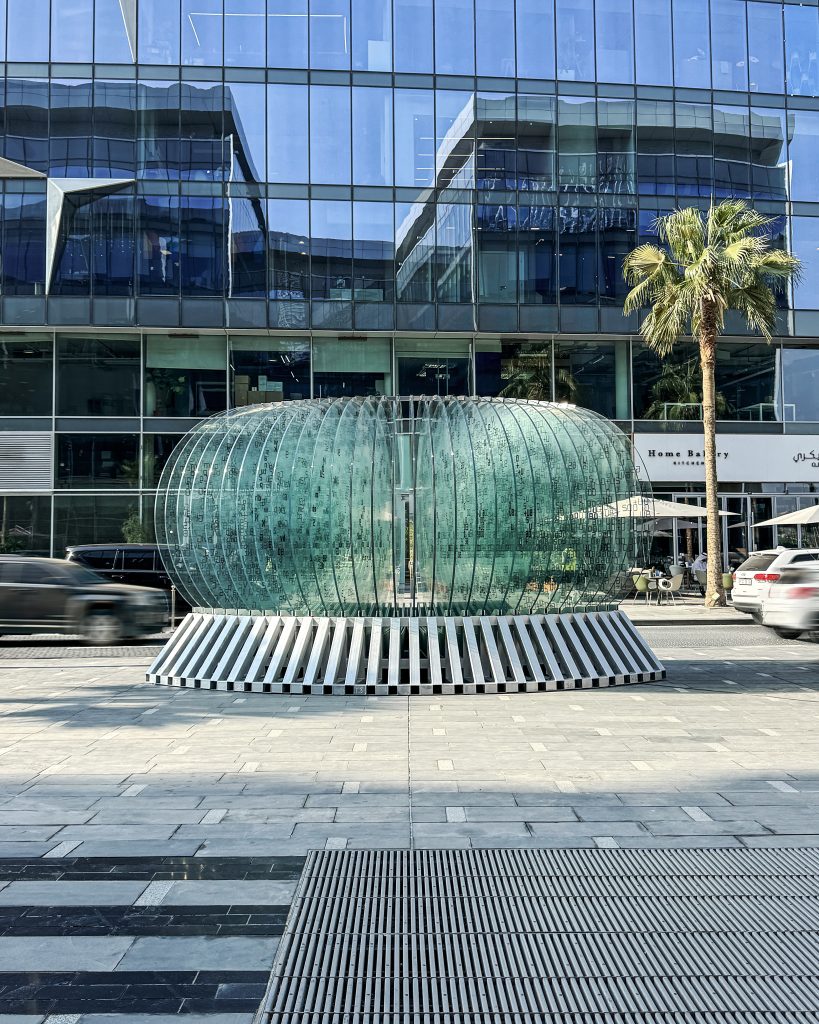
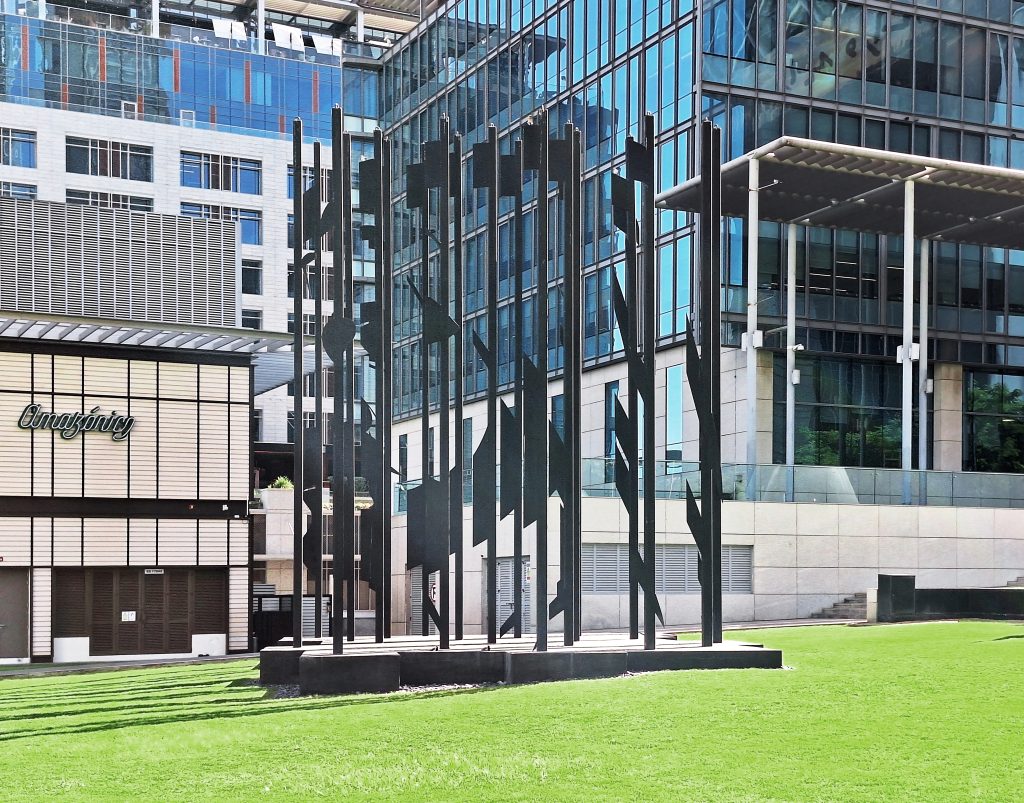
Beyond the studio, his public art installations have become civic landmarks in their own right. Works including Haddad at DIFC, The Vision at Dubai Design District, and Frontliner at Dubai Science Park were commissioned by government and cultural institutions and have served as symbolic backdrops to major national events. More recently, Khamash has extended his influence into design education, partnering with Dubai Holding to establish a scholarship program with the Dubai Institute of Design and Innovation (DIDI) — a commitment to shaping the next generation of Gulf designers with the same operational rigour that defines his own practice. We sat down with the architect to explore the philosophy behind the work, the evolution of design in the region, and what comes next for Kart Group.
Could you elaborate on the concept of your ‘silent approach’ to design?
My silent approach to design is rooted in reduction, not absence. It is the discipline of removing noise so that spatial intent can be clearly read. I am less interested in architectural expression as statement and more in architecture as condition. In practice, this begins in the studio through controlled iteration cycles, where early concepts are deliberately constrained in scale, time, and material assumptions. We allow proportion, light, and sequence to lead decisions before form is resolved. Silence, in this sense, is operational clarity translated into spatial calm.
Kart Group was established in 2004, and you describe the studio as managing ministerial and government environments with the same precision as high-end residential work. In practice, how different are those briefs?
The difference lies less in design ambition and more in operational complexity. Ministerial and government projects involve layered stakeholder structures, strict protocol, and extended approval timelines, which require early alignment on decision hierarchies and documentation rigor. Residential work, by contrast, allows faster iterative exploration and more direct client dialogue. At Kart Group, we structure both through the same internal logic: defined time blocks for concept, design development, and technical resolution, with resource allocation adjusted per project sensitivity rather than aesthetic hierarchy.
The scholarship program with DIDI and Dubai Holding — what does the next generation of Gulf designers need that formal education isn’t currently providing?
Formal education often frames design as theory before practice. What is missing is operational literacy: how decisions behave under constraint. Through the scholarship program with DIDI and Dubai Holding, we emphasize material testing, fabrication exposure, and real project timelines. Students must understand how a design survives cost pressure, site conditions, and coordination with consultants. We also introduce structured engagement with AI-assisted workflows — not as automation, but as a tool for critical comparison and iteration speed. The aim is disciplined adaptability.

MENA’s design landscape has changed significantly since 2004. When Kart Group launched, who were the dominant influences and reference points in the region, and how much of that has shifted toward homegrown design language?
In 2004, the dominant references in the region were largely imported — European modernism, North American commercial typologies, and a strong reliance on global architectural firms setting the visual language of major developments. Local interpretation was often secondary to delivery speed. Today, there is a measurable shift toward authorship rooted in context. Studios are more confident in material identity, spatial sequencing, and cultural narrative. The region is no longer only consuming design language; it is beginning to structure its own vocabulary through accumulated practice.
Kart Group is fundamentally an architecture and interiors studio, yet your most publicly visible work is monumental sculpture and installation. Do those two sides of the practice speak to each other creatively, or do you keep them deliberately separate?
They are connected, but not merged. Architecture and interiors at Kart Group require discipline, coordination, and long project cycles. Sculpture and installation allow immediate material experimentation and faster spatial feedback. The separation is intentional because it protects focus in each domain. However, the dialogue between them is constant. Ideas tested in installations often inform spatial proportion or material articulation in architectural work. In the studio, we allocate distinct teams and timelines, ensuring each discipline develops independently while still sharing a critical design language.
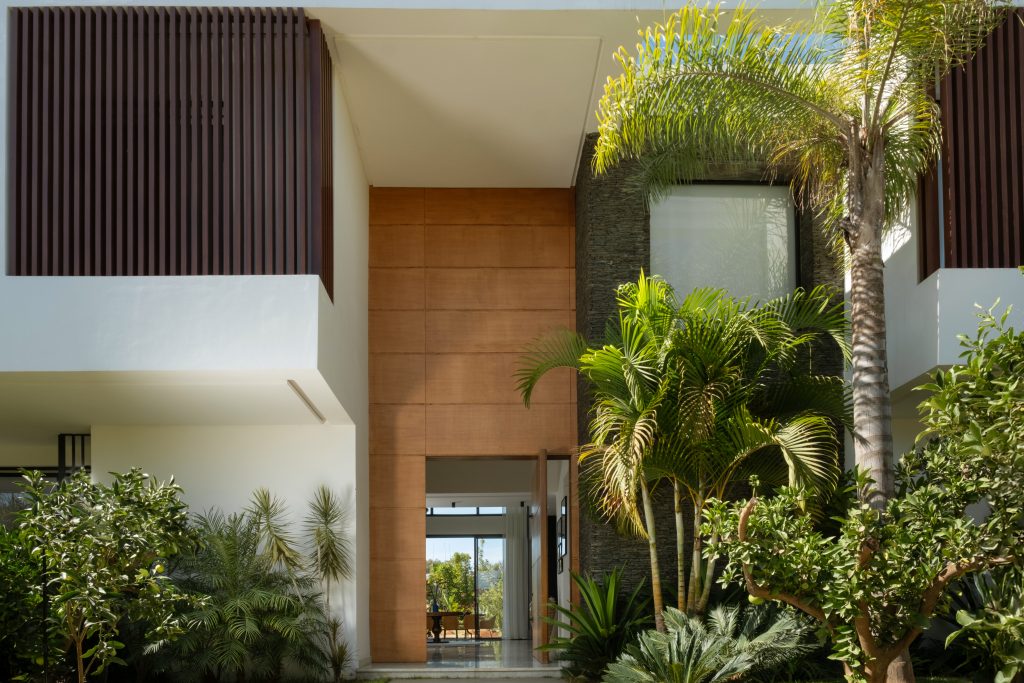
What do you want someone to feel in the moment they encounter your work for the very first time? And what do you want people to take away from your work and remember?
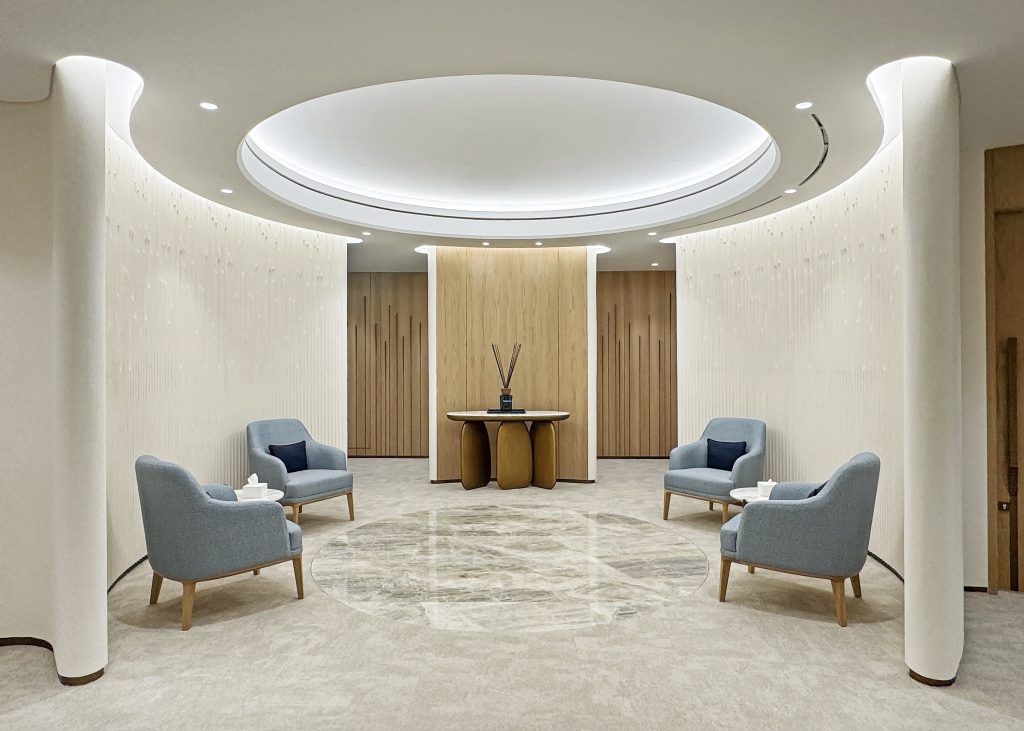
The first response should be composure. Not spectacle, but clarity of space and intent. I want people to experience a sense of slowed perception, where movement, light, and proportion are immediately legible without explanation. The takeaway should not be form, but discipline. If the work is remembered, it should be for its restraint and for how it organises experience quietly rather than imposing itself. Ultimately, I am interested in whether a space changes how someone reads time within it.
What’s next for Kart Group?
The next phase for Kart Group is structured expansion rather than diversification. We are consolidating a research-led design framework that integrates spatial studies, material testing, and AI-assisted analysis into early concept stages. This is not about acceleration, but precision in decision-making. We are also developing parallel studios that allow different project scales to evolve under shared methodology. Across all directions, the focus remains consistent: refine internal processes, strengthen cultural authorship, and reduce dependency on external reference systems while maintaining global dialogue.