



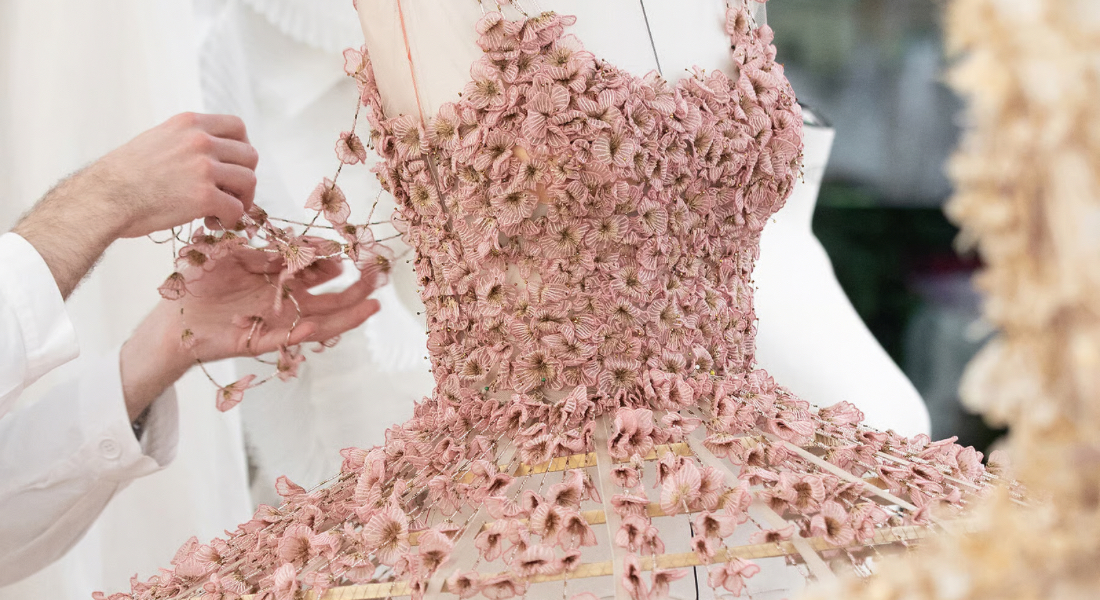
As fashion moves faster than ever, craftsmanship reminds us that true luxury takes time, skill and creativity.
In a world where trends move faster than ever and artificial intelligence is changing the way fashion is created, luxury is beginning to have a new meaning. While technology and mass production make fashion more accessible, there is a growing appreciation for something that can’t be easily replaced or copied, it’s craftsmanship.
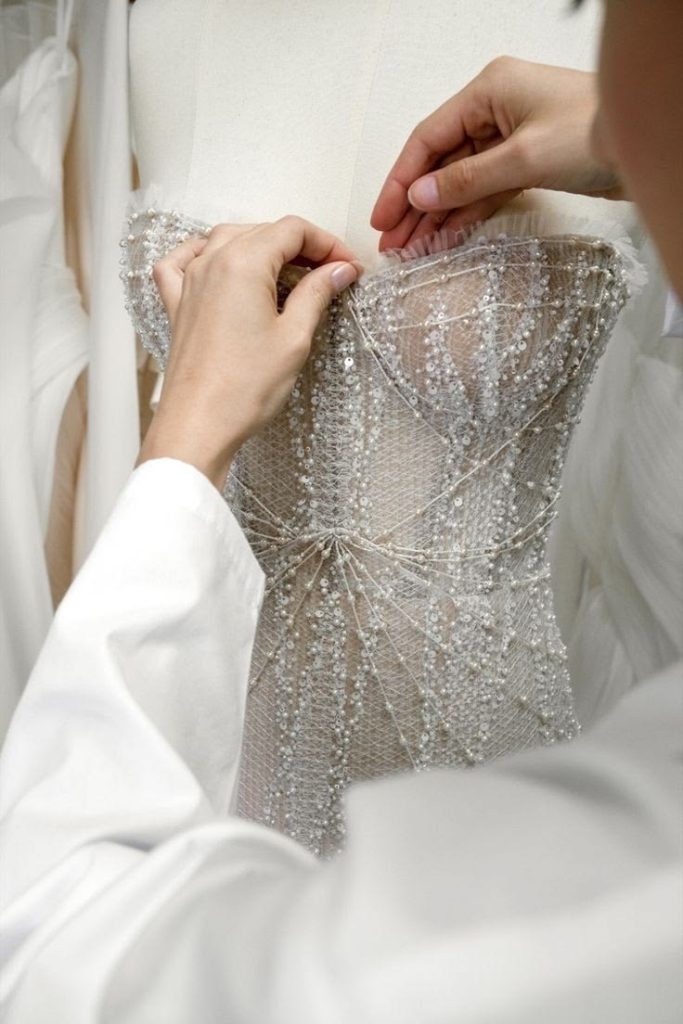
Today luxury is no longer defined only by a designer label or an expensive price tag. It is increasingly about the time, skill and creativity behind a piece. From hand-stitched leather bags to beautifully embroidered garments, handmade fashion reminds us that some things are worth taking time over.
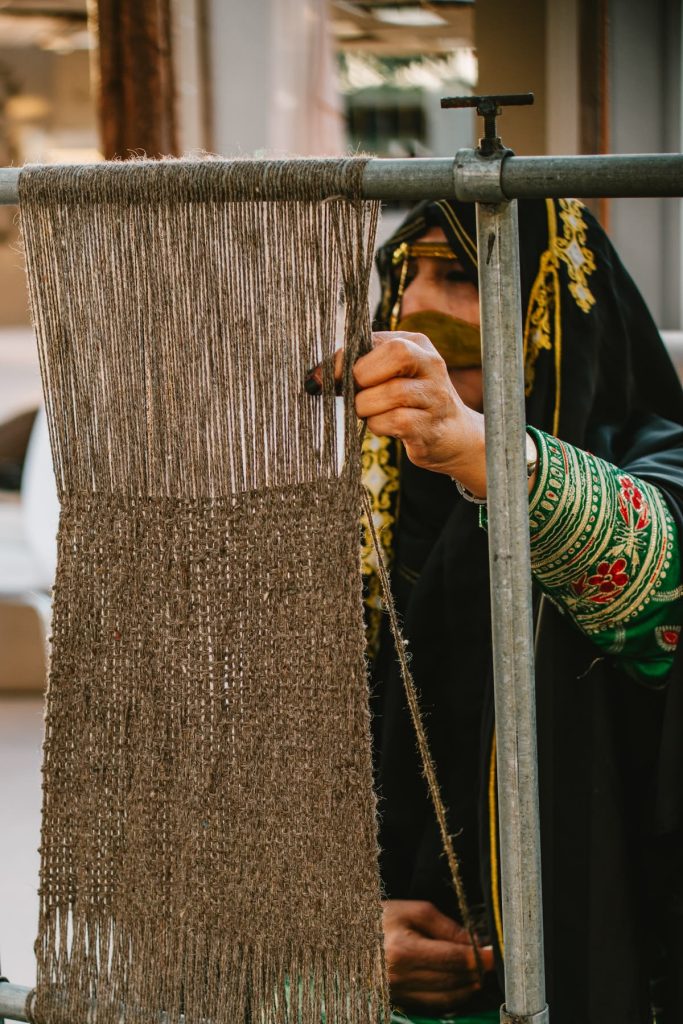
For generations, traditional techniques have been passed down from one generation to another. These skills including weaving, embroidery, leatherwork and hand beading, carry stories of culture, heritage and identity. Each small detail reflects the hands and knowledge of the person who made it, giving every piece a character of its own.
This appreciation is particularly meaningful when looking at the scale of today’s fashion industry. According to the United Nations Environment Programme (UNEP), global clothing production doubled between 2000 and 2015, while the length of time garments were used decreased by 36%. The organisation also estimates that 92 million tonnes of textile waste are generated worldwide every year. These figures highlight the growing need to rethink how we produce, buy and value our clothes.
At a time when artificial intelligence and mass production are becoming part of the fashion industry, its worth to remember that technology can create designs, speed up production and predict trends, but it cannot replace the human experience behind traditional craftsmanship. The small imperfections, personal touches and hours of work that spent on a handmade piece are what make it feel unique and cherish-able.
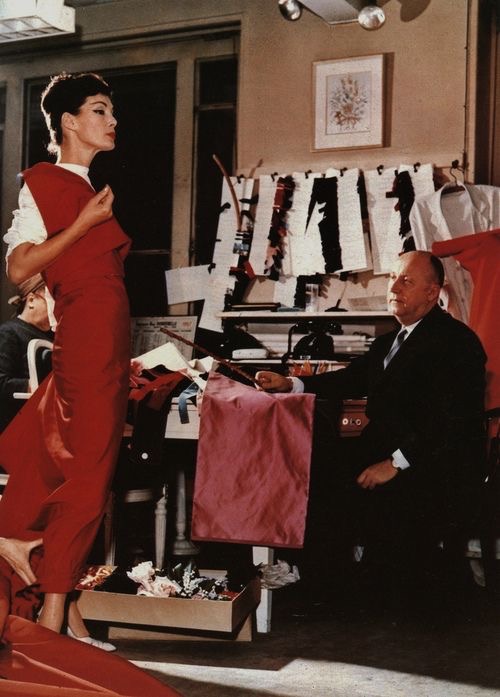
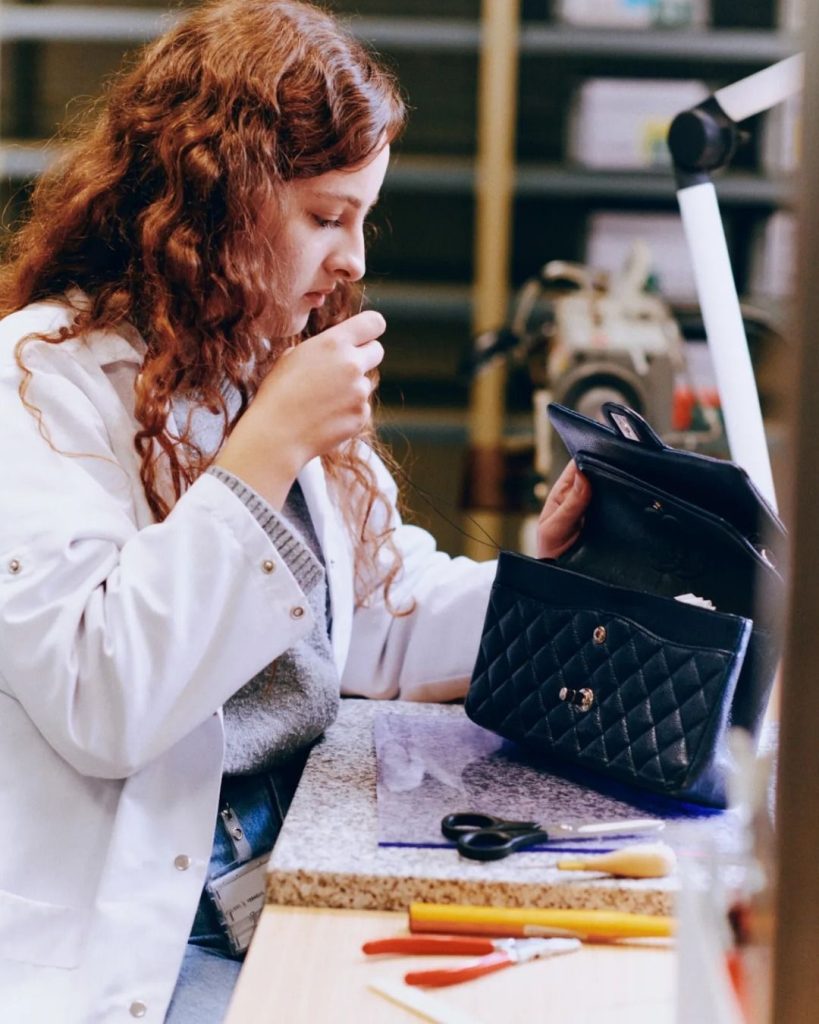
Luxury fashion houses have long understood the value of these skills. Many continue to invest in specialist ateliers and skilled artisans to preserve techniques that might otherwise disappear. Houses such as Chanel, Dior and Hermès celebrate the work of their artisans, showing that exceptional fashion is not simply about the final product but also about the process behind it.
A recent example can be seen in the UAE, where FENDI collaborated with Emirati designer Khalid Shafar and Irthi Contemporary Crafts Council on a special edition of its iconic Baguette bag. Twelve Emirati artisans dedicated a total of 435 hours over two years to handcrafting its details using Talli, the traditional Emirati art of interlaced embroidery. It is a beautiful example of how local heritage can become part of contemporary luxury fashion.
An increasing number of consumers has become more aware of overproduction and waste, many are choosing to invest in fewer, high quality pieces that can last for years. A beautifully crafted bag, coat or pair of shoes can become part of someone’s wardrobe for a lifetime.
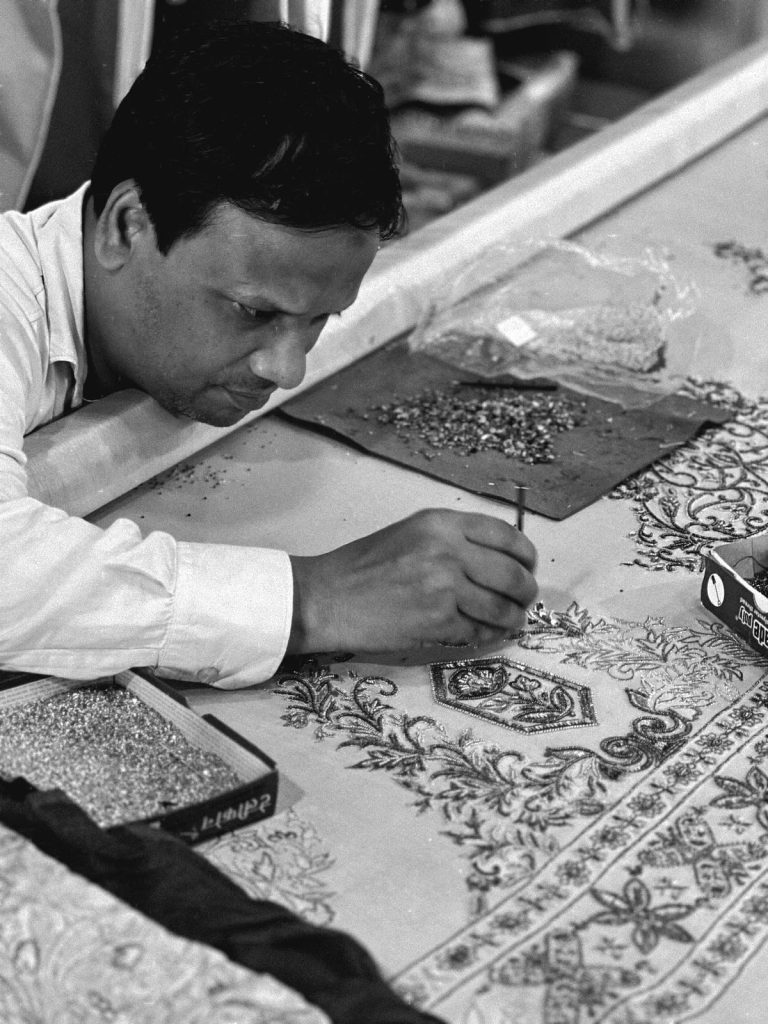
Craftsmanship gives a piece emotional value. Knowing where something comes from, who made it and the story behind it makes it more special. It turns an accessory or garment into something meaningful, rather than just another purchase.
Perhaps this is what the new luxury is really about. In an industry increasingly shaped by speed and technology, true exclusivity lies in time, human creativity and attention to detail. Because while machines can make thousands of identical pieces, the beauty of craftsmanship is that every piece created carries a story of its own.