


In high fashion, true exclusivity rarely comes from the logo. It resides in the composition of a raw fabric, the sheer difficulty of its harvest, and the centuries of heritage needed to transform it into a cloth. While the runways often focus on silhouettes and structural drama, haute couture owes its ultimate authority to textiles that exist in impossibly small quantities.
Here are five of the world’s rarest and most coveted fabrics.
Vicuña
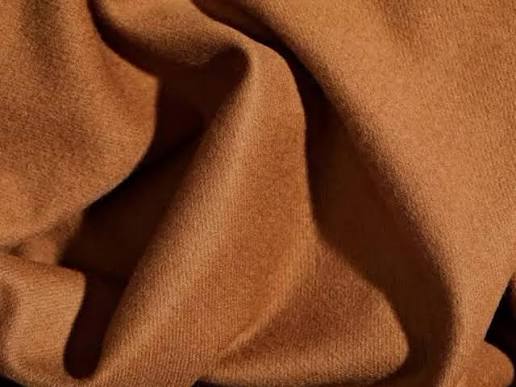
Long before the world knew the South American continent, the Incas revered vicuña wool as sacred, known as “fibre of the gods”, reserving it exclusively for the royalty. Vicuña, a wild relative to the camel and alpaca family, measures between 12 and 13 microns in diameter, making it one of the softest fibres known to science. They hail from high-altitude Andean plains.
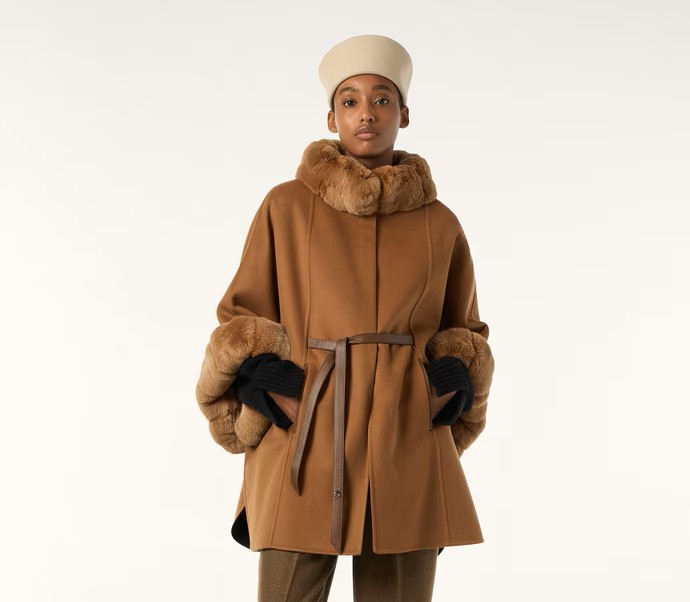
What makes vicuña so expensive is not merely its cloud-like softness but the painstaking process required to obtain it. Vicuña cannot be domesticated. In an ancient communal ritual called the Chaccu, they are gently rounded up, sheared and released. Each animal yields only a minuscule amount of wool and can be shorn only every three years. Owing to these strict environmental protection schemes and limited supply, vicuña fabrics often command high prices in the market.
Loro Piana, famous for exploring diverse fabrics, is innovative in its transformation of vicuña’s lightweight quality into ultra-luxurious coats and bespoke tailoring.
Lotus Silk
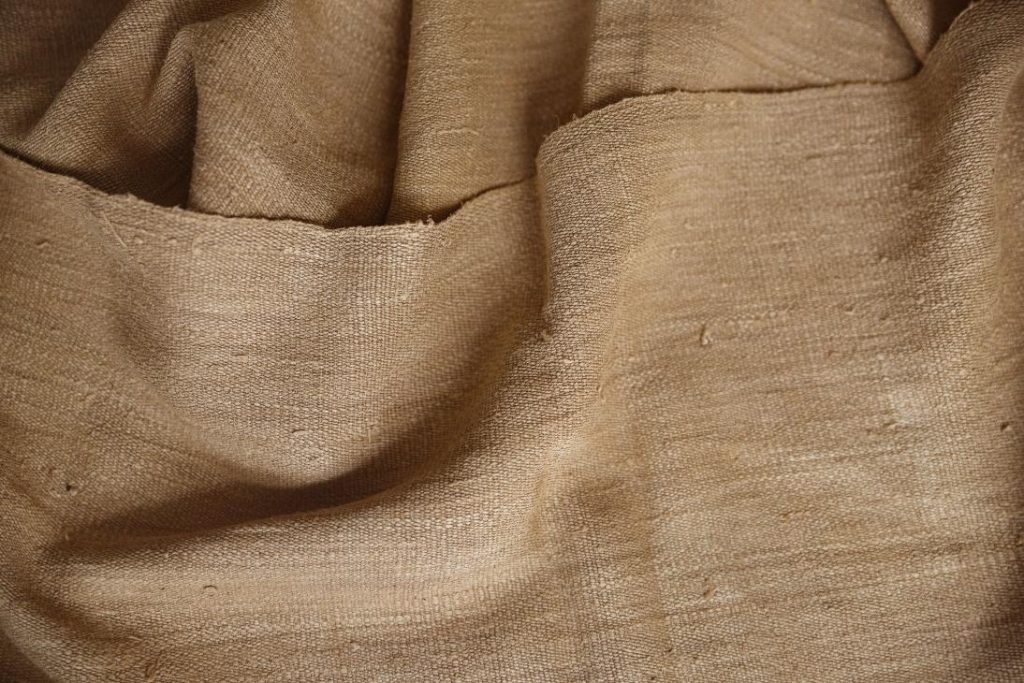
Deep within the tranquil waters of Myanmar’s Inle Lake lies one of the rarest aquatic textiles in existence, the lotus silk. Unlike traditional silk harvested from silkworm cocoons, lotus silk is meticulously extracted from the fibrous stems of the pink lotus blossoms. In Vietnam, lotus silk is deeply woven into the country’s traditions and craft, with local artisans who have perfected the art of extraction and weaving over centuries.
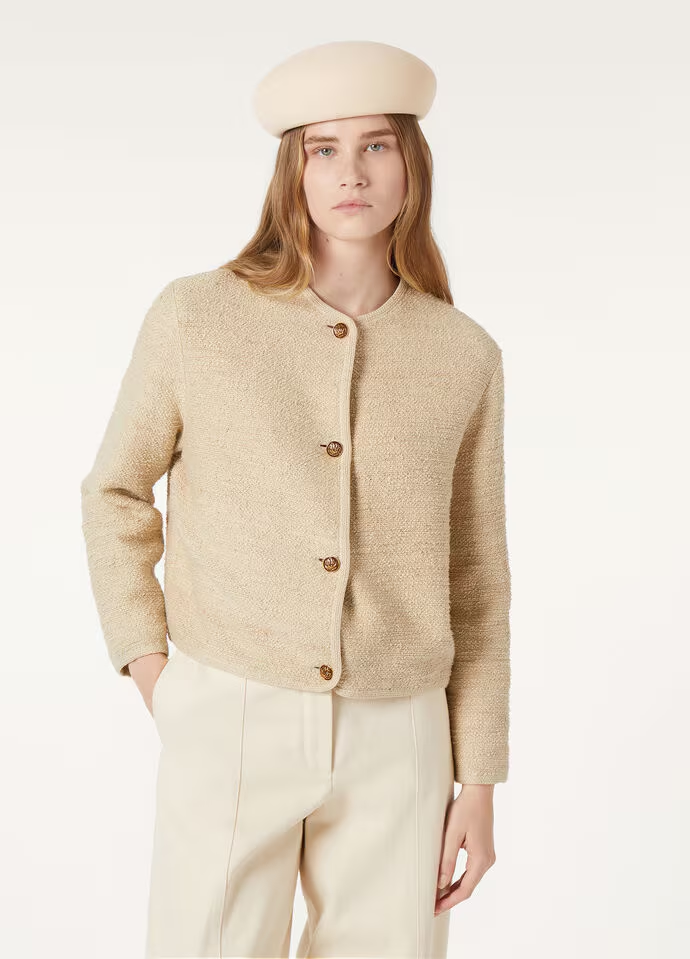
The transformation process of the lotus silk demands extreme patience. Artisans manually snap lotus stems, pull away the delicate filaments inside, and roll them together by hand on wooden tables. The fibres must be spun into thread within 24 hours of harvesting to prevent them from drying out. The resulting textile carries a subtle, linen-like texture, with naturally breathable properties that cannot be replicated by machinery.
Loro Piana, once again, was one of the first major Western labels to use lotus flower silk, hand-crafting it into light summer jackets with a linen-like texture.
Cashmere
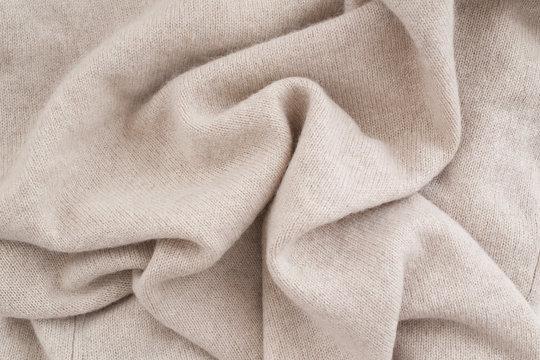
Cashmere is one of the most coveted fabrics in the world, known for its extraordinary softness, weightless warmth, and subtle natural lustre. They are harvested from the rare cashmere goats inhabiting the high-altitude regions of the Himalayas in India, Nepal, China, and Mongolia. The fine fabric is gently combed out during the spring moult rather than shorn.
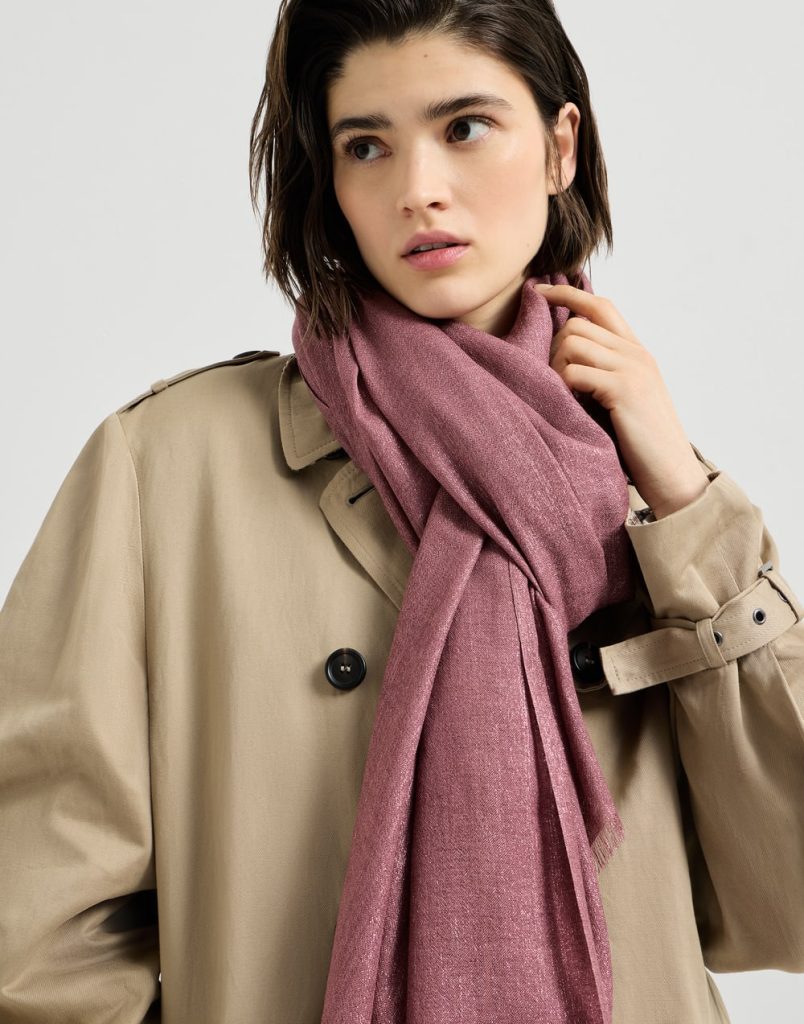
Because individual goats yield only a few ounces of fleece each year, pure cashmere is inherently scarce. Once harvested, it is hand-spun and hand-woven into textiles, carried out by master artisans who have been perfecting the craft for centuries.
Brunello Cucinelli is famous for its exploration of cashmere, introducing bold colours to it and handcrafting it into luxurious scarves, shawls, and bespoke tailoring.
Shahtoosh
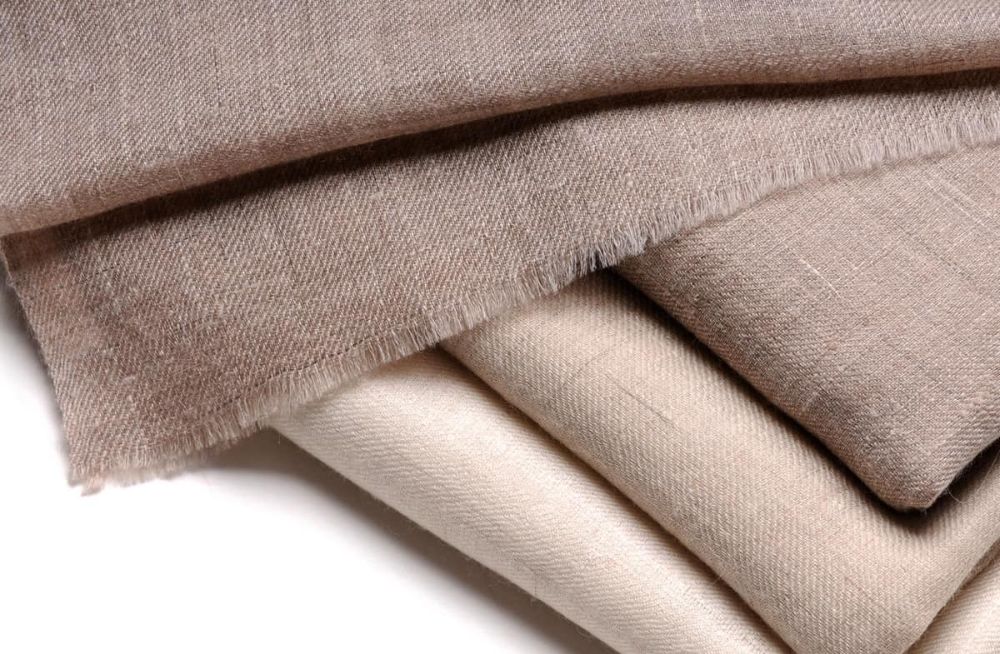
Shahtoosh, which translates to “king of wools” in Persian, occupies a legendary position among luxury fabrics. Derived from the Tibetan chiru antelope, the fibre measures 9 to 11 microns, making it one of the finest fabrics ever discovered. The fabric is so soft and lightweight that shawls made from it can easily glide through a wedding ring.
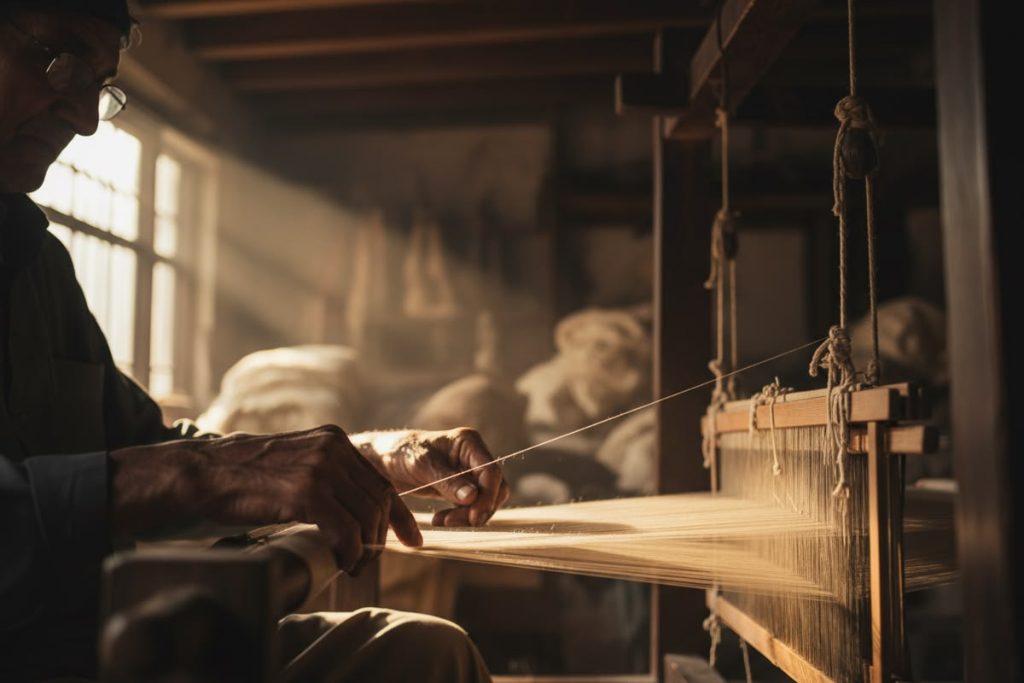
The harvest of shahtoosh turned controversial and posed environmental concerns, as the chiru antelopes were poached and not shorn to yield the fibres. Consequently, the commercial sale and international trade of shahtoosh are now strictly banned worldwide. Owing to this, other fine alternatives like ethically harvested cashmere and pashmina were chosen.
Qiviut
Qiviut, harvested from Arctic muskox, is eight times warmer than sheep’s wool and yet incredibly lightweight. Unlike regular wool, qiviut does not shrink in water nor lose its structural integrity over time. Qiviut fibres are not shorn; they are simply collected when the fibre is naturally shed by the animals during their spring moult or gently combed from their coats, demanding high price points.
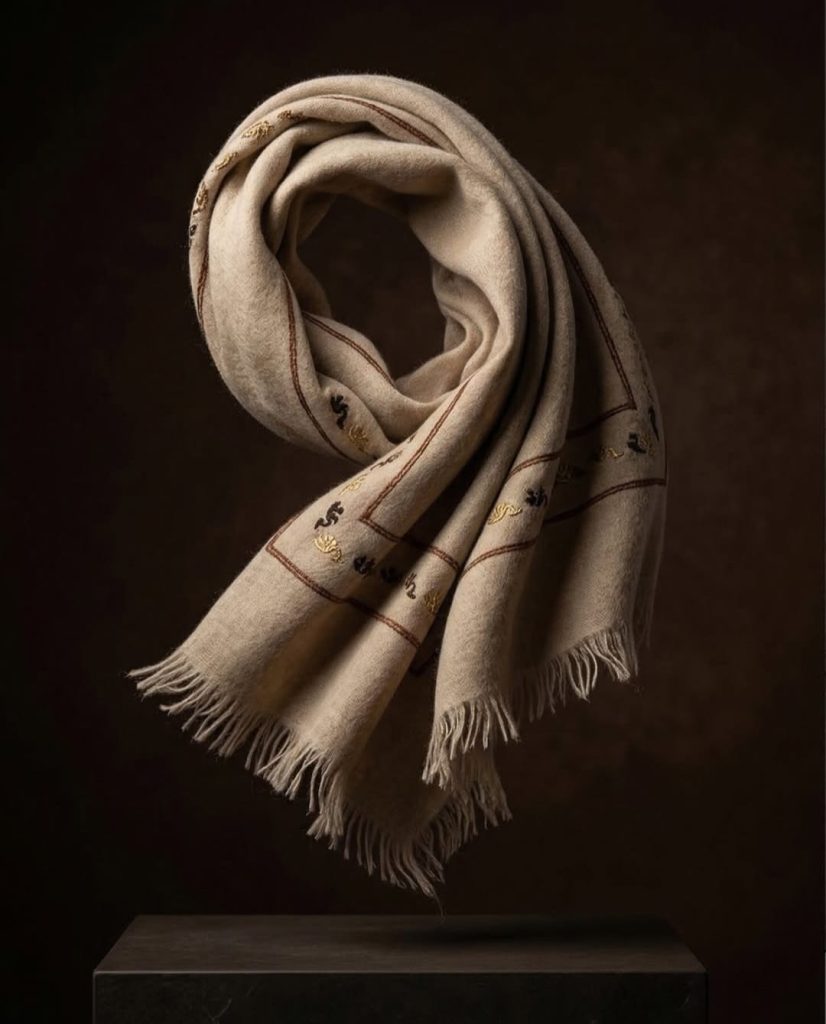
The fibre required specialised machinery and skilled artisans to transform it into yarns due to its delicate nature. When handled aggressively, the qiviut fibres may break, demanding gentle care throughout the transformation process.
Qiviuk is a Canadian luxury house committed to exploring rare natural fibres, including qiviut, vicuña, and other extraordinary fibres. With their dedicated qiviut and silk blends, they transform the fibre into luxurious and comfortable cardigans, stoles, and scarves.
By Bhavatna Prasad