


House museums act as an intimate window into the lives of their previous occupants, preserving cultural history within their walls. Unlike traditional museums where the art is often separate from its environment, these residential galleries present art in its lived-in context. Wandering through their rooms not only offers a look at the collections but also reveals personal stories, creative obsessions, and aesthetic visions of the occupants.
Here are some house museums across Europe whose architectural triumphs and unique stories inspire us.
Claude Monet’s House, France
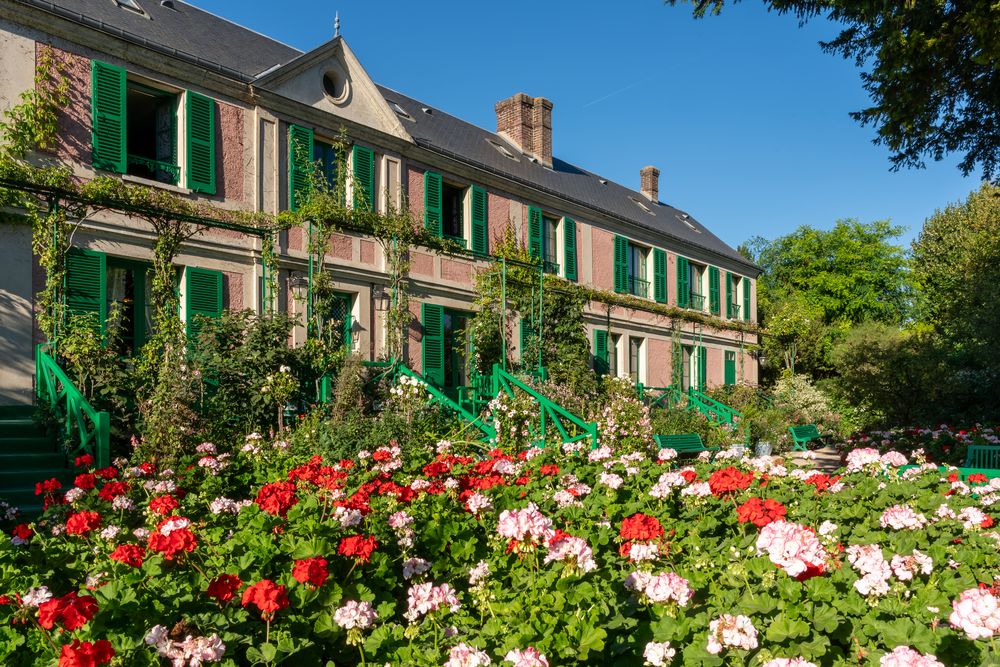
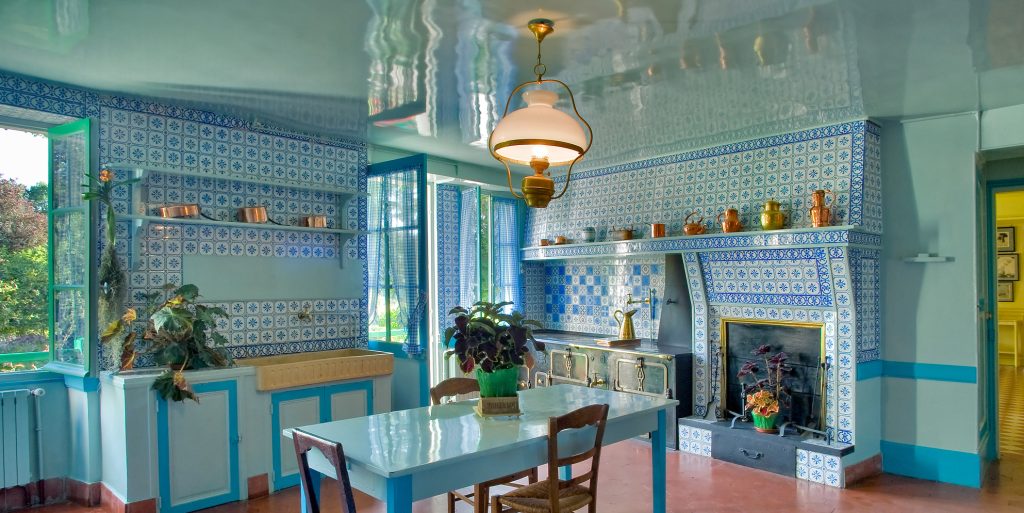
Leader of the Impressionist movement, Claude Monet spent 43 years at the Giverny house crafting both his home and the water gardens. The pink house with its iconic green shutters features Monet’s original collection of Japanese woodblock prints, artworks, and the Water Lilies studio, where the visitors can purchase artworks and gardens.
Monet’s coveted gardens feature a range of flora from Clos Normand’s flower beds to the water lily ponds, retaining the owner’s spirit, still.
Maison Hannon, Belgium
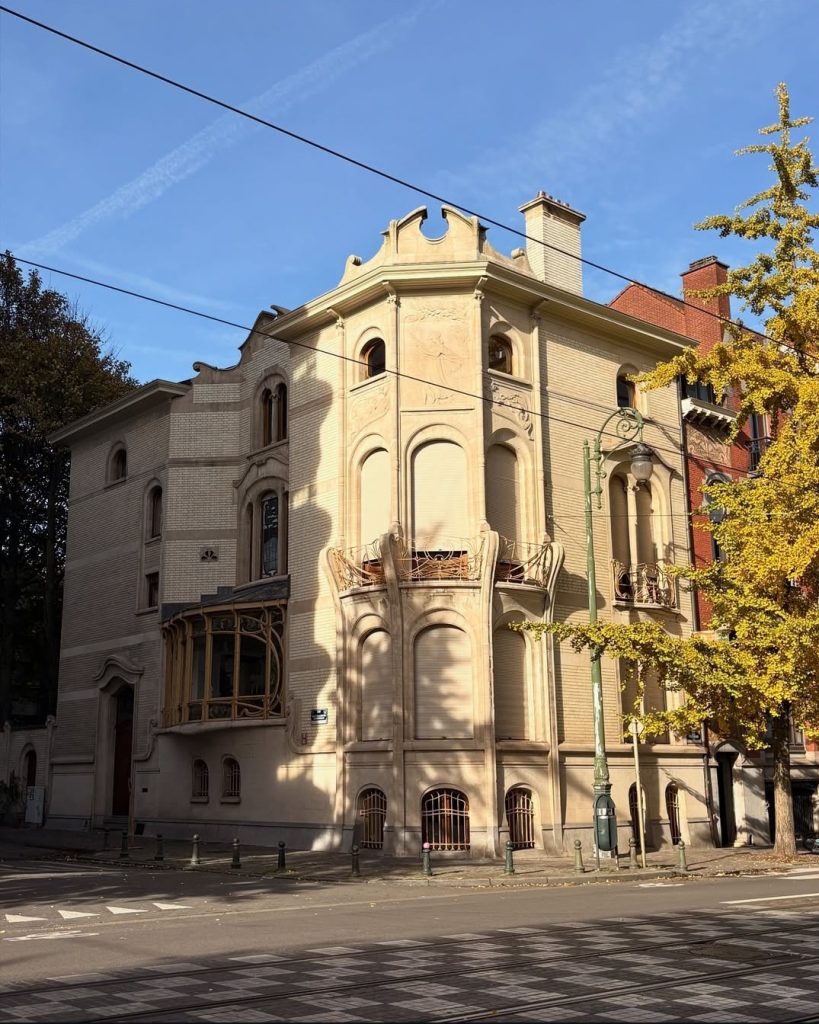
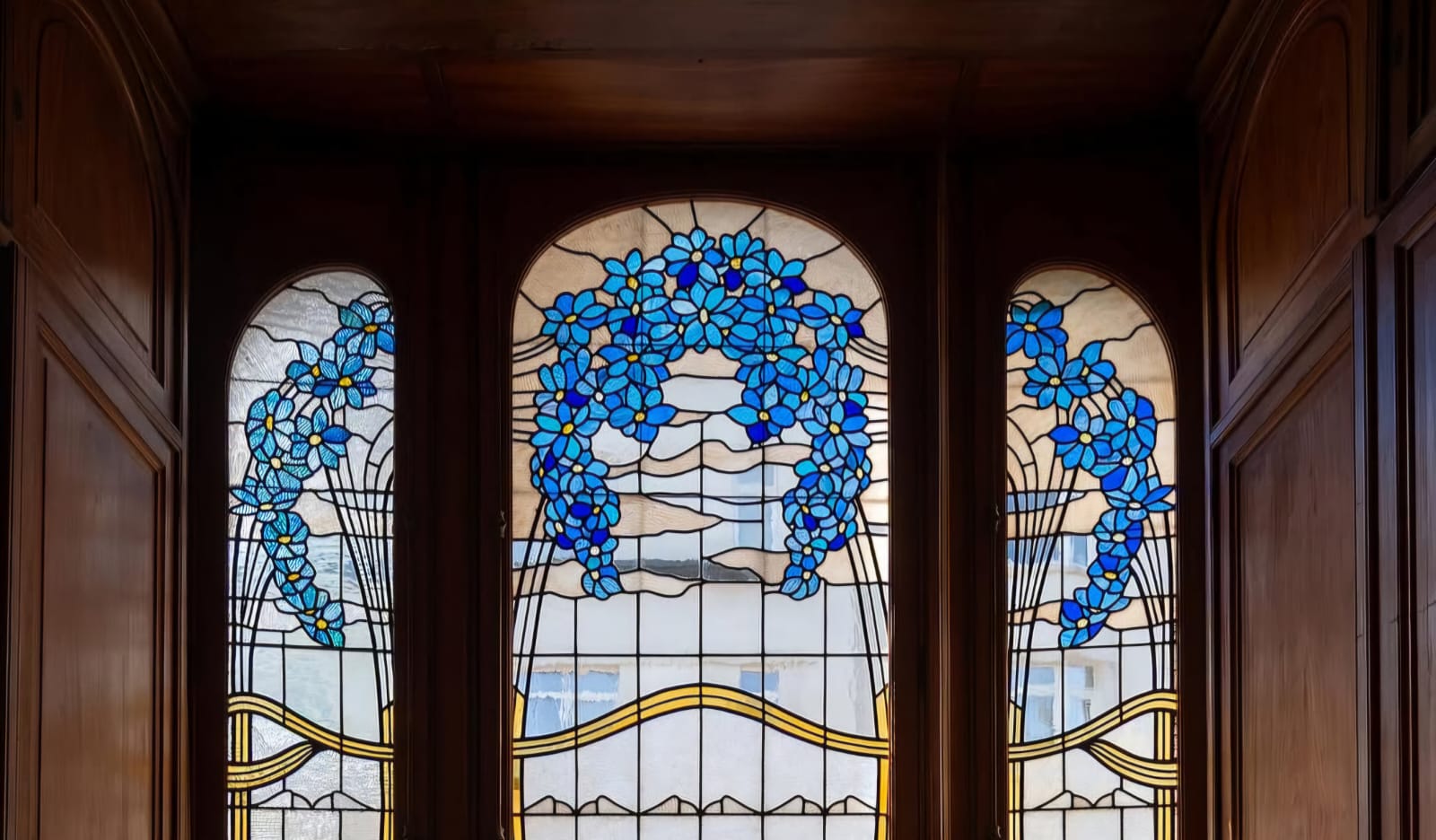
A blend of Belgian art nouveau and French art nouveau, Maison Hannon was built in 1902 by architect Jules Brunfaut. The house commissioned by the Hannon couple, Marie and Edouard, is a closed, dreamlike symbolism that reflects Marie’s taste for botany and Edouard’s taste for poetry, antiquity, and technology.
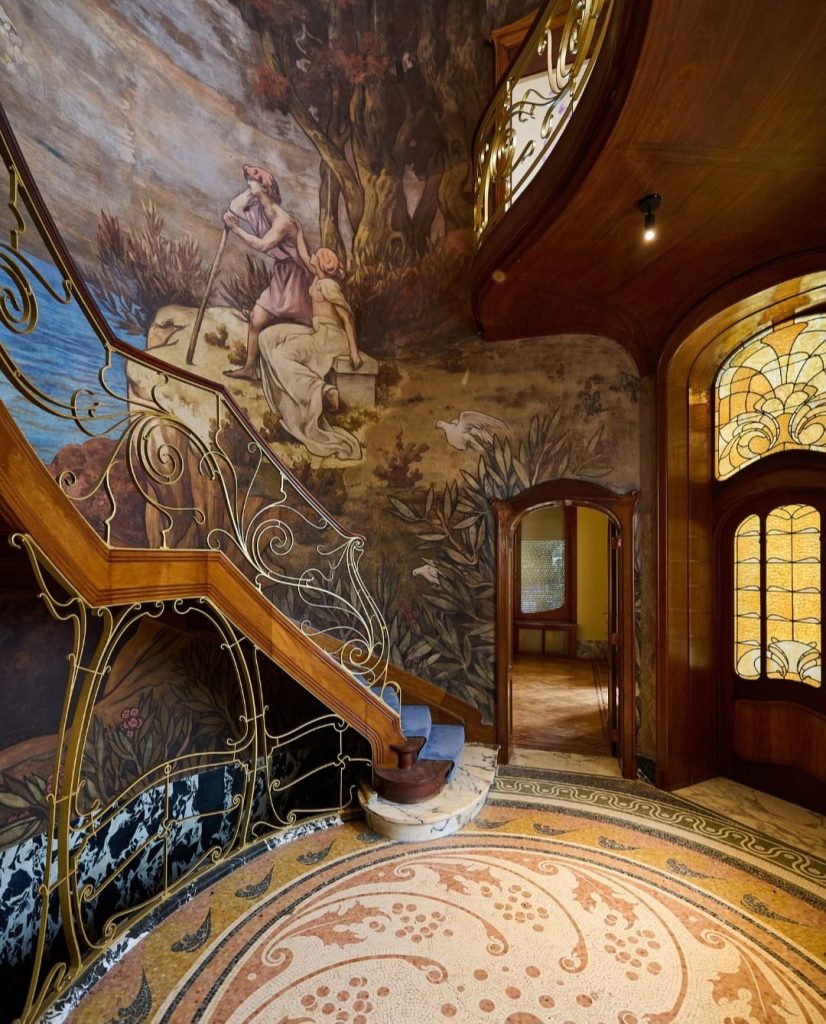
The architecture of the house is defined by its stunning stained glass windows, wrought iron spiral staircases, and sweeping frescoes, captivating the visitors with its marvellous design marvel. The house features stunning artworks from the Franco-Belgian art nouveau movement, capturing the era of revolutionary art in this timeless monument.
Villa Ephrussi de Rothschild, France
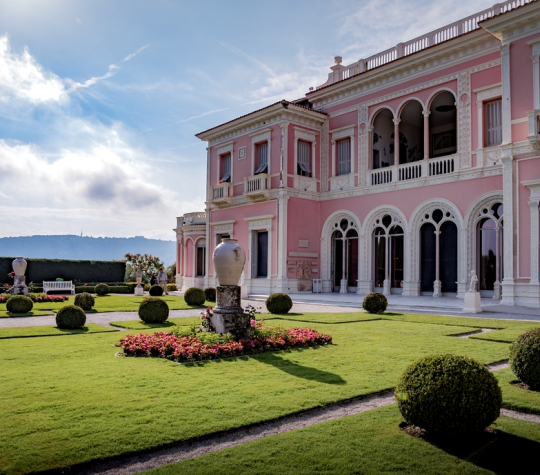
Located on the Cap Ferrat peninsula, Villa Ephrussi de Rothschild was built for Baroness Beatrice de Rothschild. After her father’s death in 1905, upon inheriting his large fortune, Beatrice bought the land and entrusted the design of the villa to architect Jacques-Marcel Auburtin, who met all of her demands.
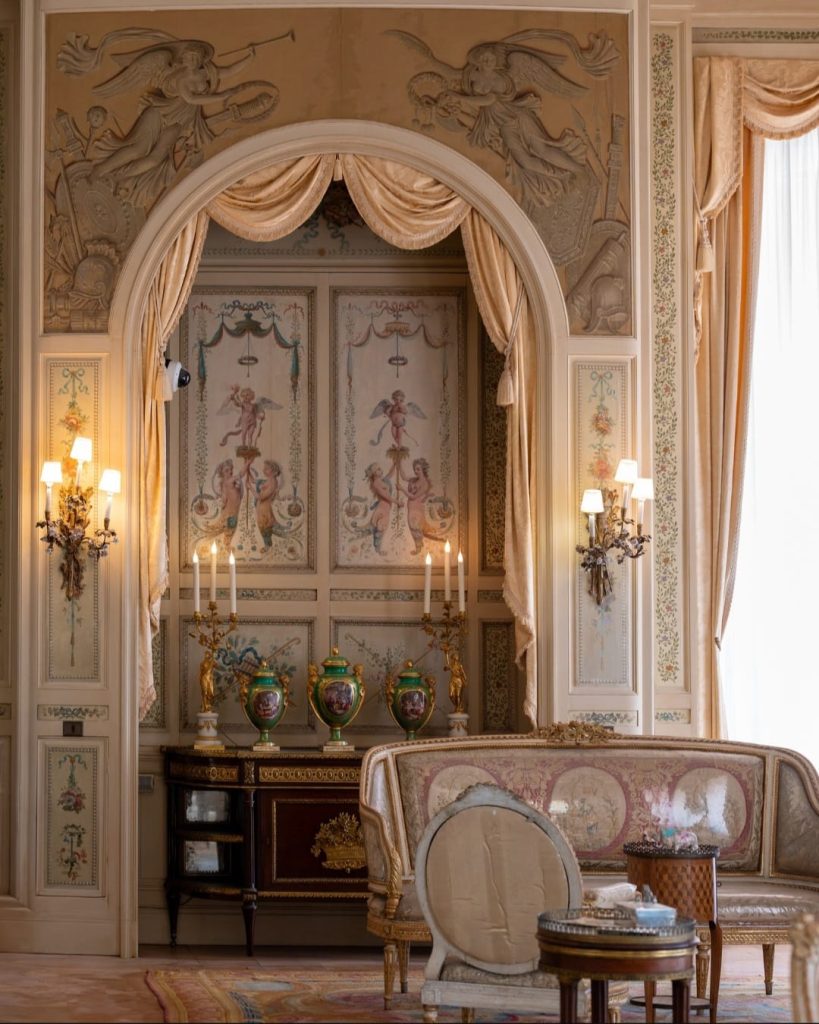
The villa overlooking the turquoise Mediterranean waters is also surrounded by lush gardens which took 7 years to make. The house is adorned with porcelain furniture and paintings by great artists in true Rothschild style, reflecting the finest works of the eras.
Casa Batlló, Spain
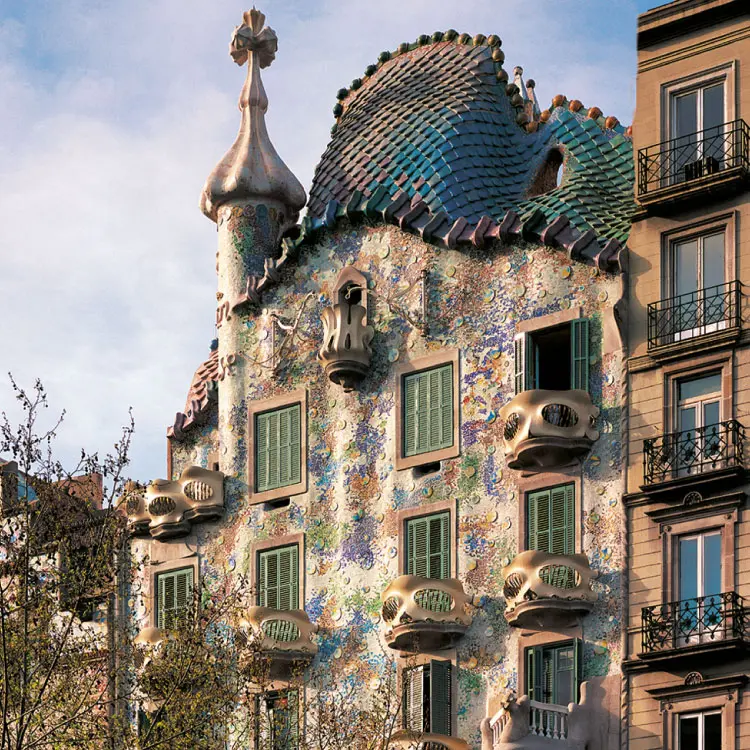
Designed by Antoni Gaudi, Casa Batlló is situated in the heart of Barcelona. The architectural wonder reimagines the domestic space through its shimmering mosaic facades, beautiful lightwell, the exclusive interior courtyard, and unique attic inspired by Mediterranean aesthetics.
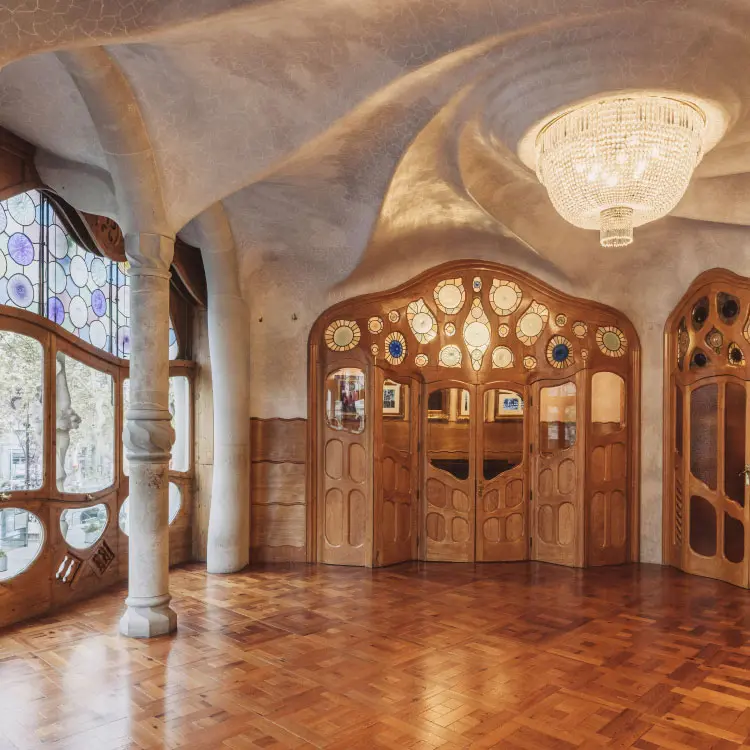
Today, Casa Batlló is recognised as a UNESCO World Heritage Site with millions of visitors each year. The house is a true representation of modernist architecture, reinterpreting traditional spaces into contemporary works of art.
Casa Deriu, Italy
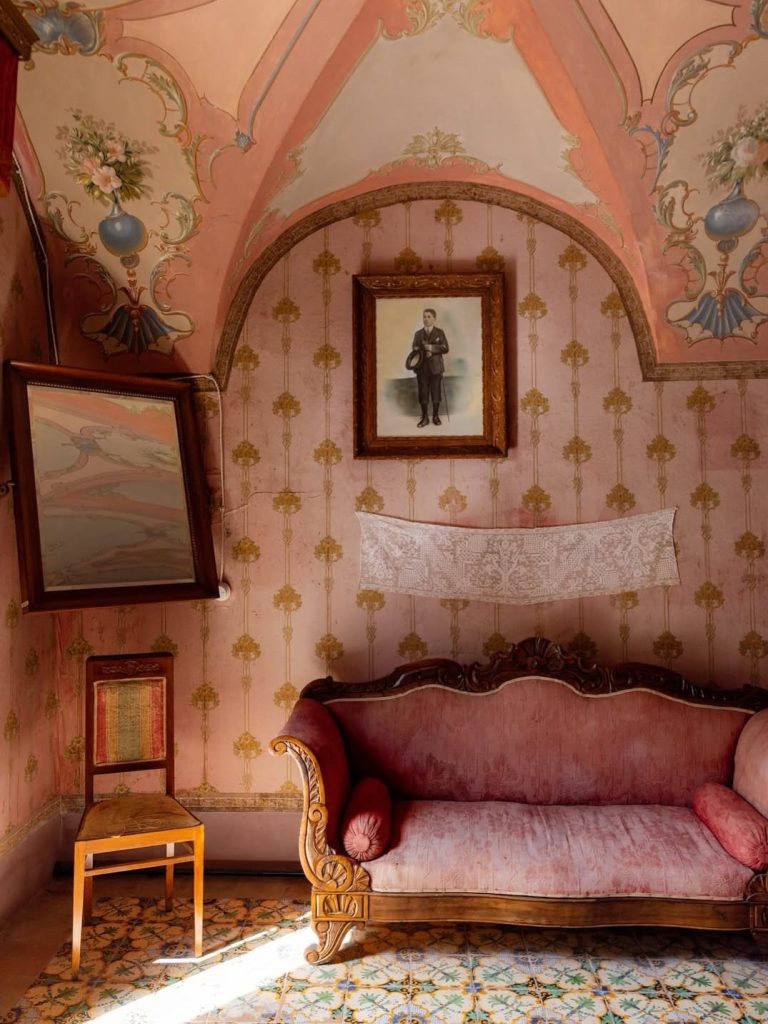
Located along the historic Corso Vittorio Emanuele II in Bosa, Italy, Casa Deriu is a stunning 19th-century residence that allows visitors a peek into the sophisticated lifestyles of the nobles. The house features intricate olive and cherry wood parquet floors, hand-painted majolica tiles, and frescoed vaulted ceilings, along with original antique furnishings, capturing the architectural elegance of Sardinia’s past.
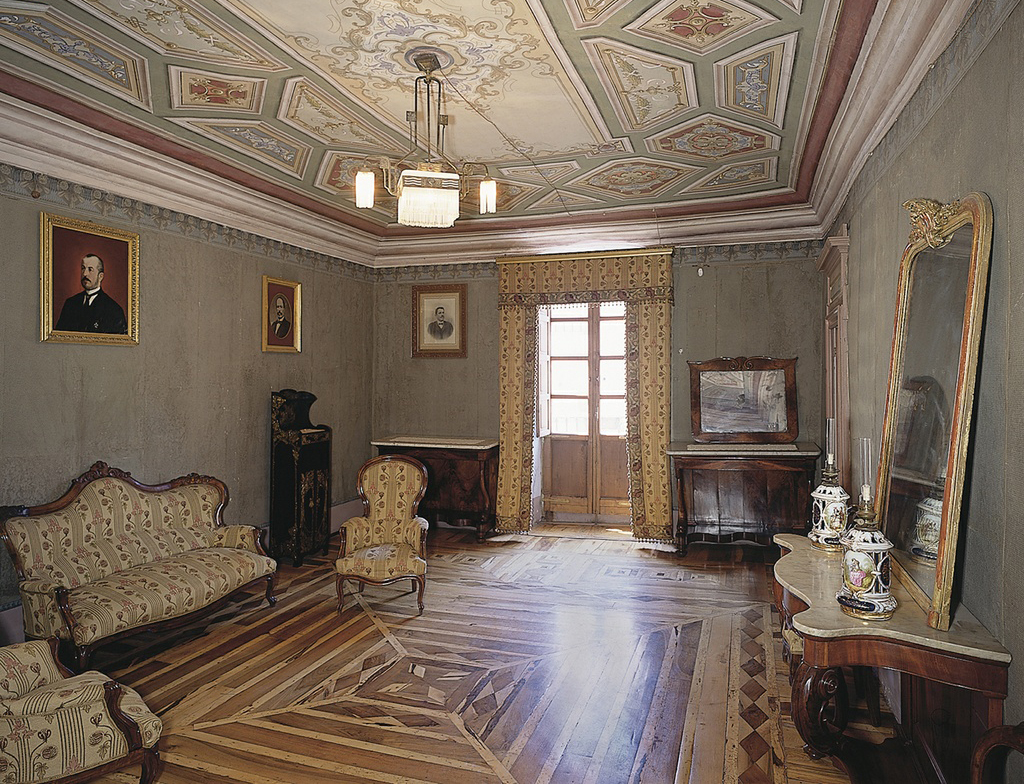
The house dedicates its upper floors to regional arts and heritage, hosting temporary exhibitions on the first floor, while the top floor acts as a permanent gallery dedicated to the celebrated local artist Melkiorre Melis.