


For Emirati designer Aicha Alyassi, furniture is memory, metaphor, and identity – shaped by hand and built to outlast the moment.
Studio Aicha, founded by Emirati designer Aicha Alyassi, is a contemporary furniture brand shaped by storytelling, cultural identity, and bespoke craftsmanship. What began as a personal search for a functional, yet distinctive desk evolved into a broader design philosophy that treats furniture as a medium for emotional and conceptual expression.

The brand’s origin is rooted in a simple yet defining moment. “Studio Aicha was born out of a very long and unsuccessful search for a desk that was both functional and distinctive. I couldn’t find something that truly resonated with me, so I decided to design it myself,” Aicha explains.
What started as a personal solution quickly developed into a broader exploration of furniture as a form of expression. At its core, the brand is driven by narrative. Each piece is conceived as a story – an object that communicates emotion, memory, and identity.
“Studio Aicha is about creative expression and storytelling. Each piece goes beyond aesthetics and is designed to narrate an untold story and evoke an unexpressed feeling,” Aicha says.
This philosophy positions furniture not just as functional design, but as a medium through which intangible ideas can take shape. This approach is especially evident in the studio’s commitment to bespoke design – but for Aicha, bespoke goes beyond just customisation.
“Bespoke, to me, is about creating pieces that feel deeply personal,” the founder says. “Every design is tailored so the owner connects with its story. It is about exclusivity and owning something that is not mass-produced and cannot be found elsewhere.”
Cultural identity is another defining element of Studio Aicha’s work, as is the importance of embedding heritage into contemporary design. “As an Emirati designer, I feel a strong responsibility to represent my culture through my work,” she shares. “This presence can be subtle or direct, but it is always there, whether through the concept, the narrative, or the materials.”
Rather than being overt, these cultural references are often layered, allowing each piece to carry a quiet yet intentional connection to its origins. She also observes a broader evolution within the UAE’s design landscape. “There has been a noticeable shift towards preserving heritage while reinterpreting it in a contemporary way. Emirati designers today are doing this beautifully by bridging past and present with confidence and clarity,” she notes.
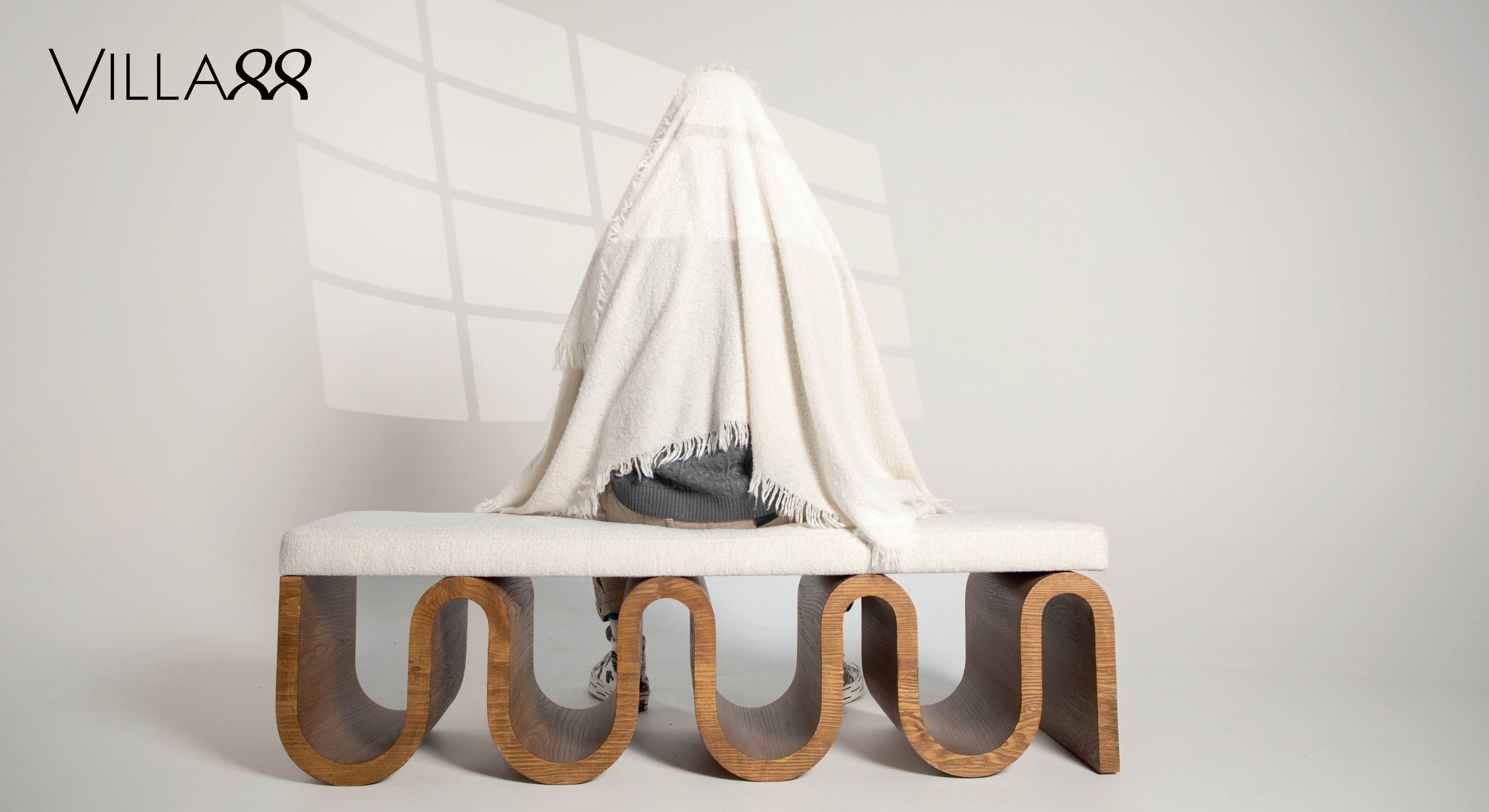
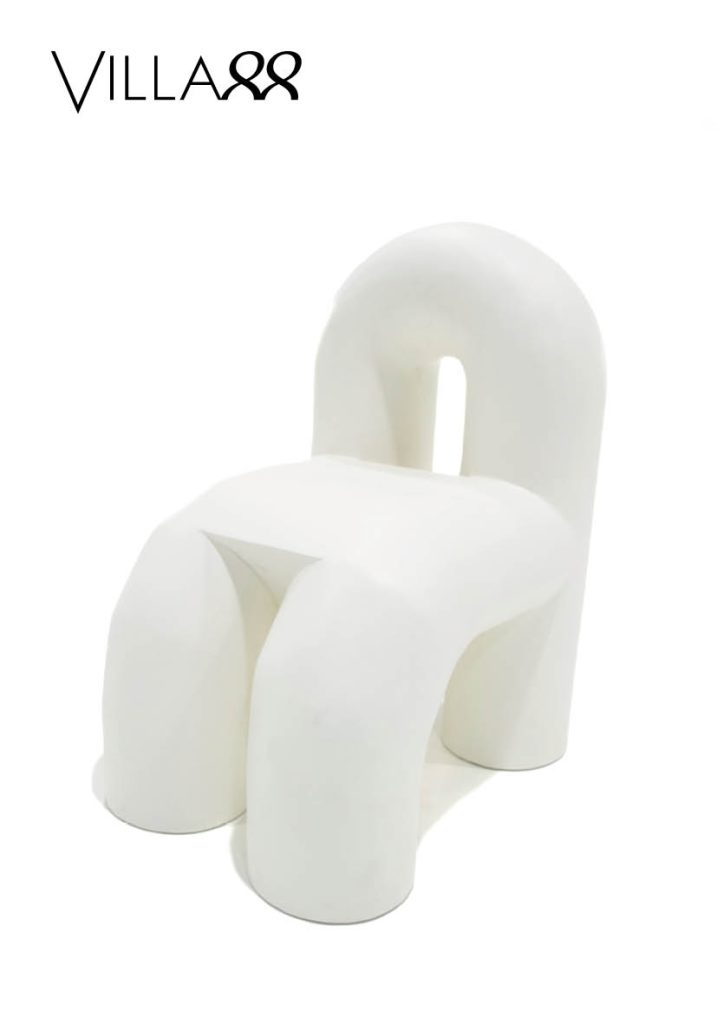
This balance between tradition and modernity is reflected in her work, where familiar references are transformed into new forms. One of the studio’s most recognisable pieces, the Kuthub chair, which is inspired by the desert, embodies this approach. “The Kuthub chair draws inspiration from the gentle
curves of sand dunes shaped by wind and time,” says Aicha.
“Its fluid form mirrors the ever-changing desert landscape, where movement and stillness exist in harmony.” Beyond its form, the chair also reflects the cultural practices of gathering in the desert, evoking moments of reflection, connection, and storytelling.
Aicha’s design process is guided by clarity and intention. “I always begin with three questions,” she reveals. “What purpose will the piece serve? What materials will bring it to life? And how can it stand apart from what already exists?” These considerations ensure a balance between craftsmanship, functionality, and innovation, allowing each design to be both purposeful and distinctive.
Crafting pieces locally is crucial to help achieve this balance. “Local manufacturing is central to Studio Aicha. It allows us to work closely with skilled artisans and tap into the strength of local craftsmanship,” Aicha says. “It also ensures a high standard of quality and the use of responsibly sourced materials.” This not only supports regional talent but also reinforces the authenticity of each piece.
The studio’s collection remains deliberately limited, reflecting a focus on depth and curation. “Yes, it was intentional. Each piece is the result of a thoughtful and detailed process, which naturally led to a more curated collection,” Aicha says. “That said, we are now moving towards a more expressive phase, with plans to expand.” This measured approach allows the brand to maintain its identity while gradually exploring new directions.
“I believe in maintaining a balance,” she notes. “A curated collection preserves the identity of the brand, while expansion allows room for growth and creative exploration.” This perspective extends to how she views global growth, where genuineness becomes critically important. “Authenticity is key,” Aicha agrees.
“Being bold in expressing one’s culture while also translating it in a way that feels universally relatable
is what allows a brand to resonate globally.” Her audience reflects these values. “Our clients are often individuals who value exclusivity and craftsmanship,” the designer says. “They are drawn to pieces that carry meaning and are willing to invest in design that feels personal.”
Aicha’s work is also influenced by wider global movements in design. “I am drawn to the growing emphasis on meaningful design, where objects are created with intention, carrying both purpose and narrative,” she says. This shift aligns with her own philosophy, reinforcing the idea that design should resonate beyond its surface.
As Studio Aicha continues to evolve, working with likeminded creatives remains central to its future. “Looking ahead, I aim to grow Studio Aicha through thoughtful collaborations with artists and design studios, which would allow us to explore new directions in design while remaining grounded in
exclusivity and creative expression,” she explains.
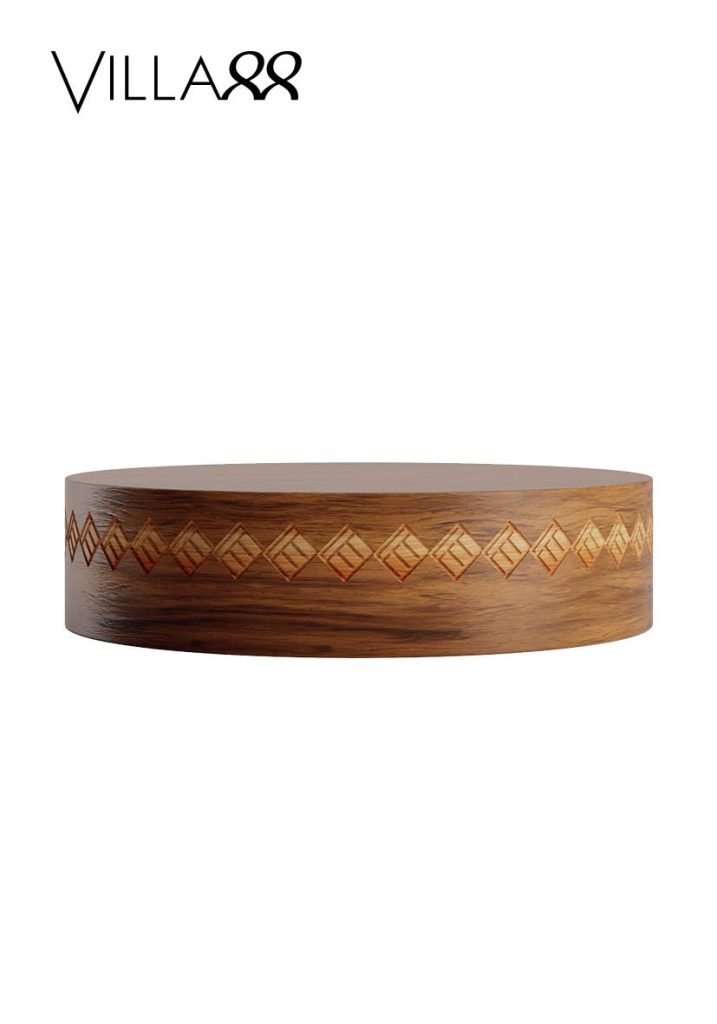
Through this, the brand continues to position itself at the intersection of craftsmanship, culture, and storytelling – where each piece is not only designed but deeply felt. One of the studio’s most conceptually rich works, the Aman coffee table, reflects a deeper reading of identity and resilience in the UAE. Inspired by the phrase “thick skin and bitter flesh”, as referenced by His Highness Sheikh Mohammed bin Zayed Al Nahyan, it translates metaphor into material form.
“I translated this metaphor through materiality,” she explains. The table’s outer structure is crafted from teak wood, symbolising strength and durability, while its inner elements use neem wood, known for its bitterness. This contrast creates a physical expression of resilience, suggesting that strength lies not only in what is visible, but also in what is internal.
Rather than referencing a single moment, the Aman coffee table reflects an ongoing reality, capturing the UAE’s composure, stability, and resilience in the face of regional challenges, while reinforcing Studio Aicha’s commitment to design as storytelling.