


Luxury store visits rarely feel like regular shopping trips anymore. With their quiet atmosphere, higher ceilings, and empty spaces, modern luxury stores are transformed into revered contemporary spaces. Luxury brands are no longer selling physical products, they are curating a cultural experience. To attain this, luxury houses employ architectural features commonly seen in museums, presenting consumer goods as fine art.
Here are some architectural designs that transform luxury retail spaces into modern museums.
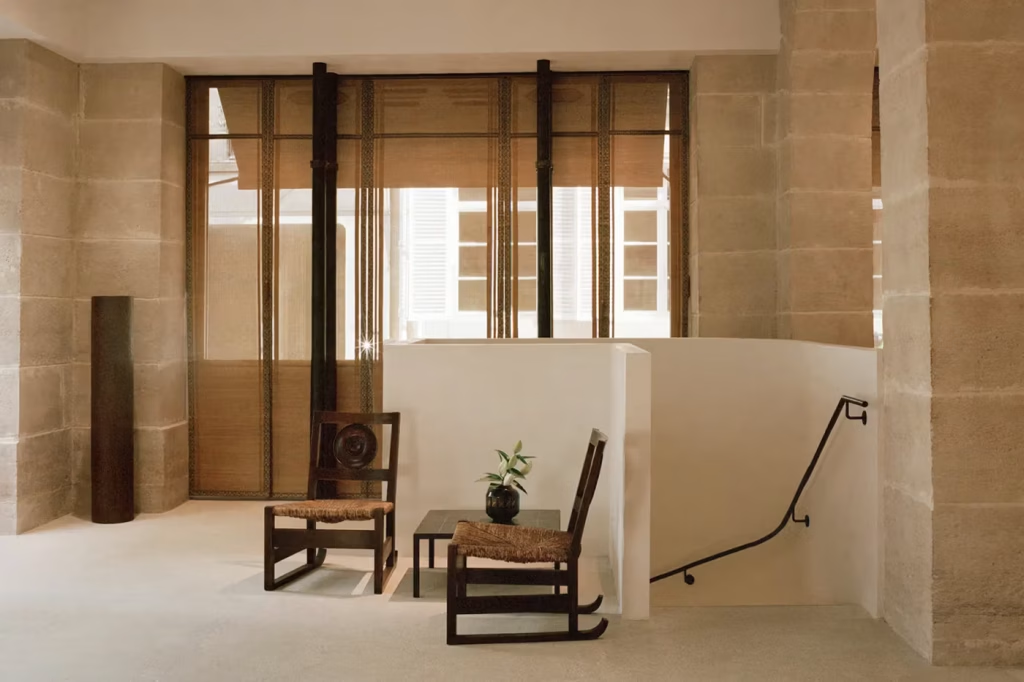
The Luxury of Empty Space
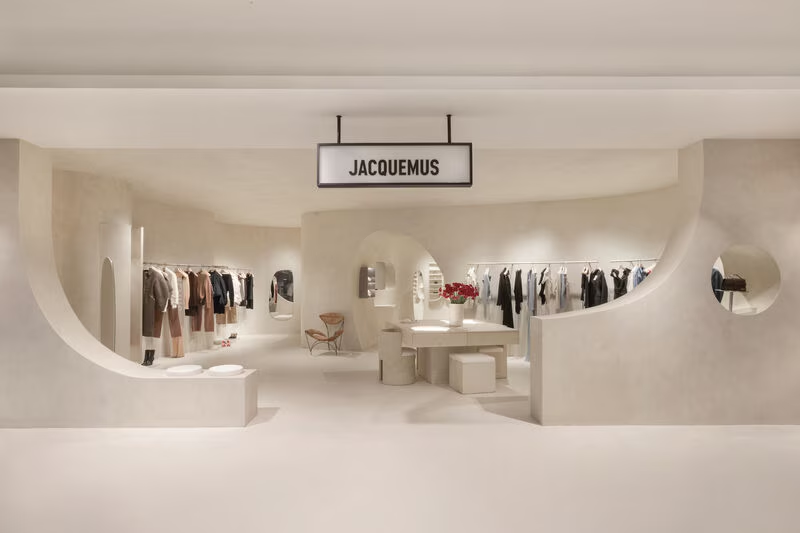
One of the most distinct architectural qualities in a museum is the wide-open spatial layout. This allows viewers to slow down and experience each art piece at a time. Modern retail spaces now use the same design technique. Luxury stores are anchored by empty spaces rather than busy shelves and clothing racks. This deliberate choice creates a sense of exclusivity. The space itself feels luxurious, and the atmosphere itself warrants the value of the displayed pieces.
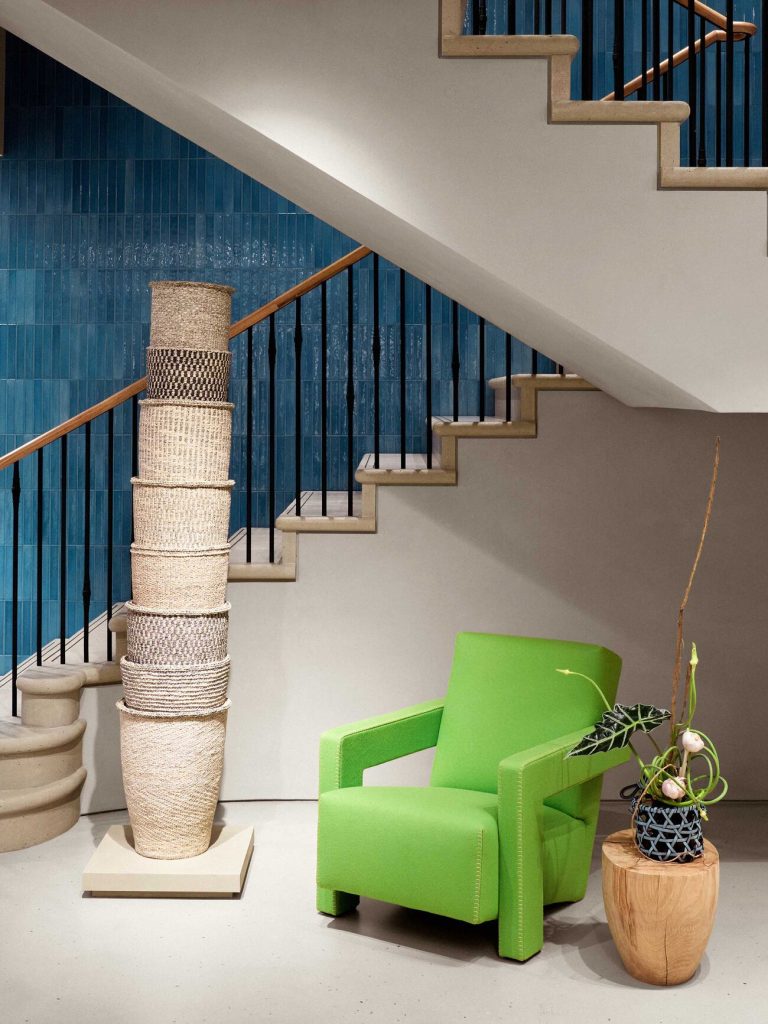
Curated Accents
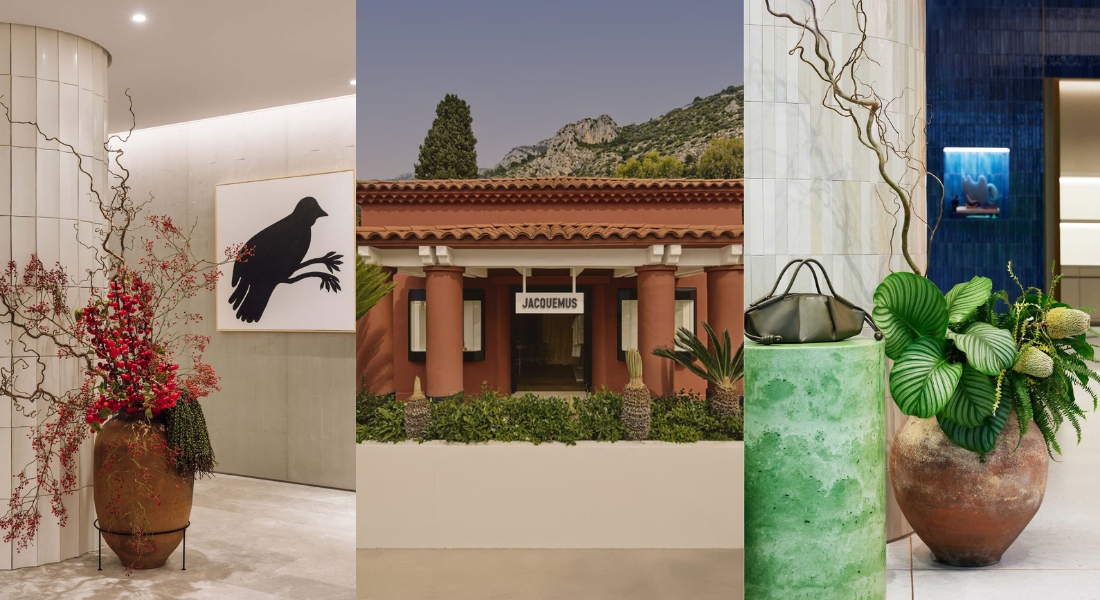
Every interior accent used becomes part of the brand’s visual storytelling. Luxury houses now collaborate with renowned global artists as well as regional artisans to create custom artworks that elevate the space in a way that is unique to the brand. These accent pieces blend into the architectural design, creating a one-of-a-kind spatial environment, usually seen in concept museums.
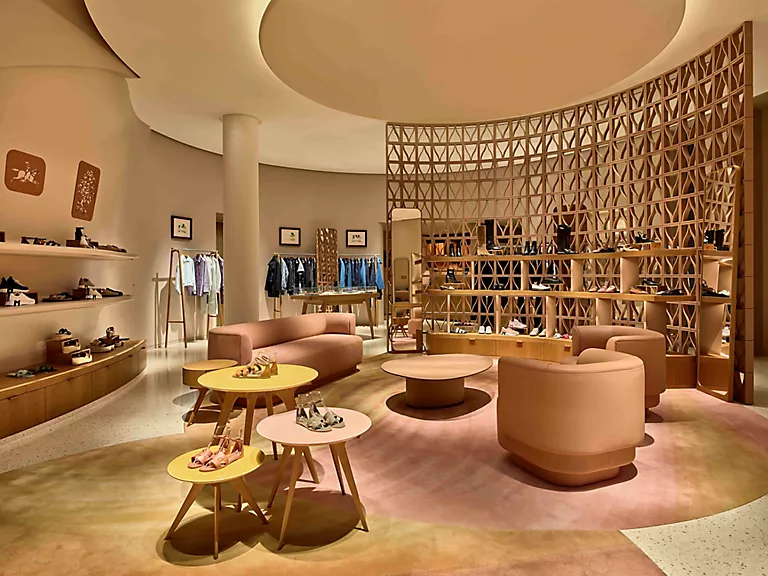
Designed to Direct
Museums usually assign a clear path for visitors to explore the artworks one by one. Luxury stores now follow the same structure where the space is designed in a way that directs the customers how to move through the store. It allows customers to discover each aspect of the store and each product individually, with adequate dwell times and even photography corners.
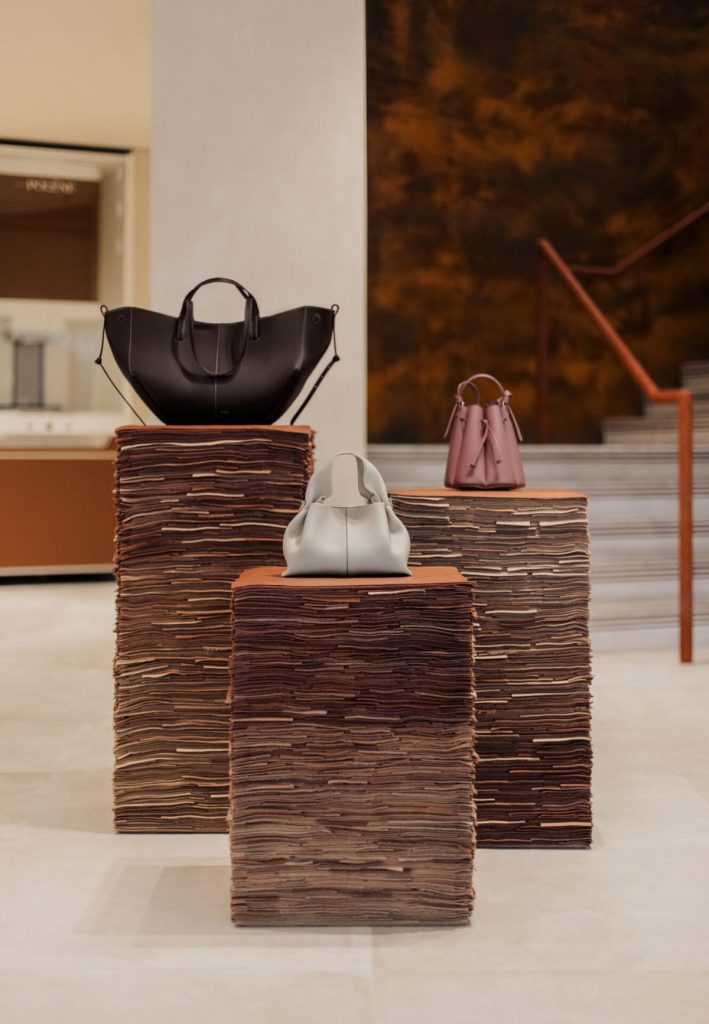
Dedicated Fixtures over Shelf Displays
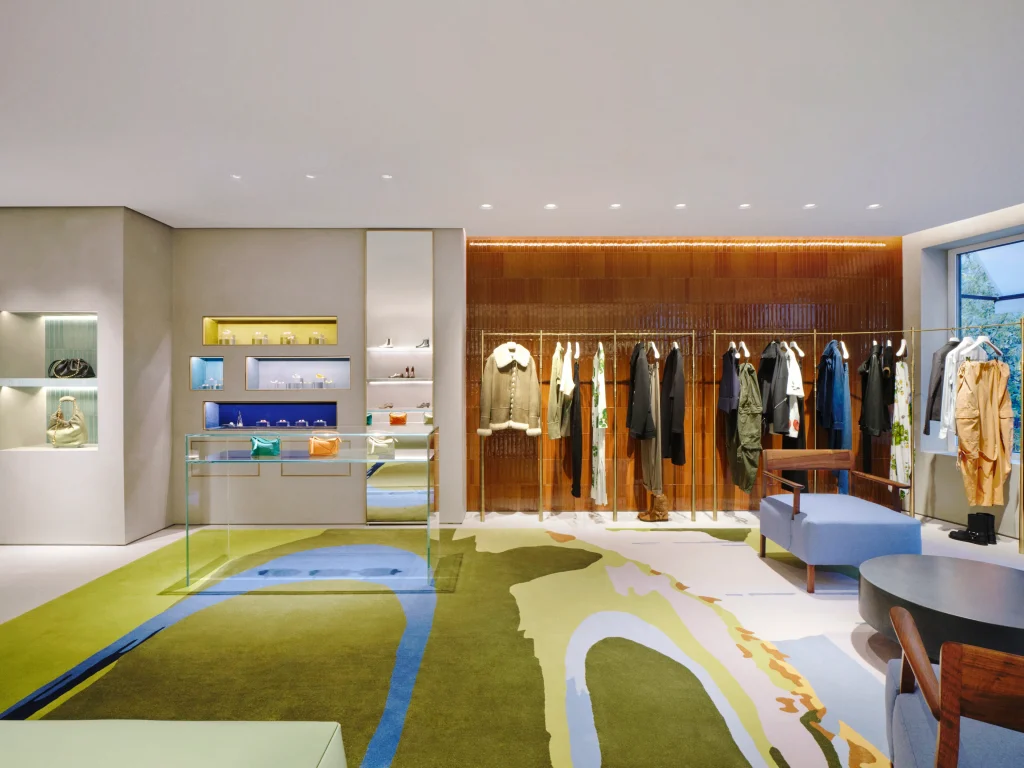
While traditional displays are still used across stores, luxury retail also opts for dedicated fixtures and custom plinths to display a single product. This separates the item from the rest of the space, commanding the space and warranting higher value. This display technique also presents the item as a rare piece to be coveted, shaping product perception in the visitor.
The Hushed Atmosphere
Museums are famous for their quiet atmosphere, prompting visitors to speak in whispers and move lightly. Today, luxury stores also command a similar atmosphere through deliberate design choices. The use of heavy drapes and sound-absorbing walls soaks up the ambient noises in the space. The large open layouts and accented spatial designs also prompt the customers to move in a hushed manner.
Limited Stock
Unlike traditional retail spaces which displayed numerous inventory, modern retail spaces reduce the inventory count drastically. This creates the illusion that the pieces displayed are rare and of high value, similar to the art pieces in a museum. It also declutters the space. The addition of limited-edition collections and exclusive launches further propagates this notion.