


In a gallery, an artwork is removed from its maker and the hours spent making it. While it inspires new perspectives and offers a universal context to the work, it is an entirely different experience to view it in the rooms it was conceived in. There, the walls, the windows, and the furniture all become part of the art, allowing the audience to trace its journey from the first stroke to the final piece.
Across Europe, a handful of artists’ homes have been preserved exactly for this reason. Left open as museums, they invite art lovers into artists’ homes and lives, placing the art in the space that gave it form.
Musée National Gustave Moreau, Paris, France
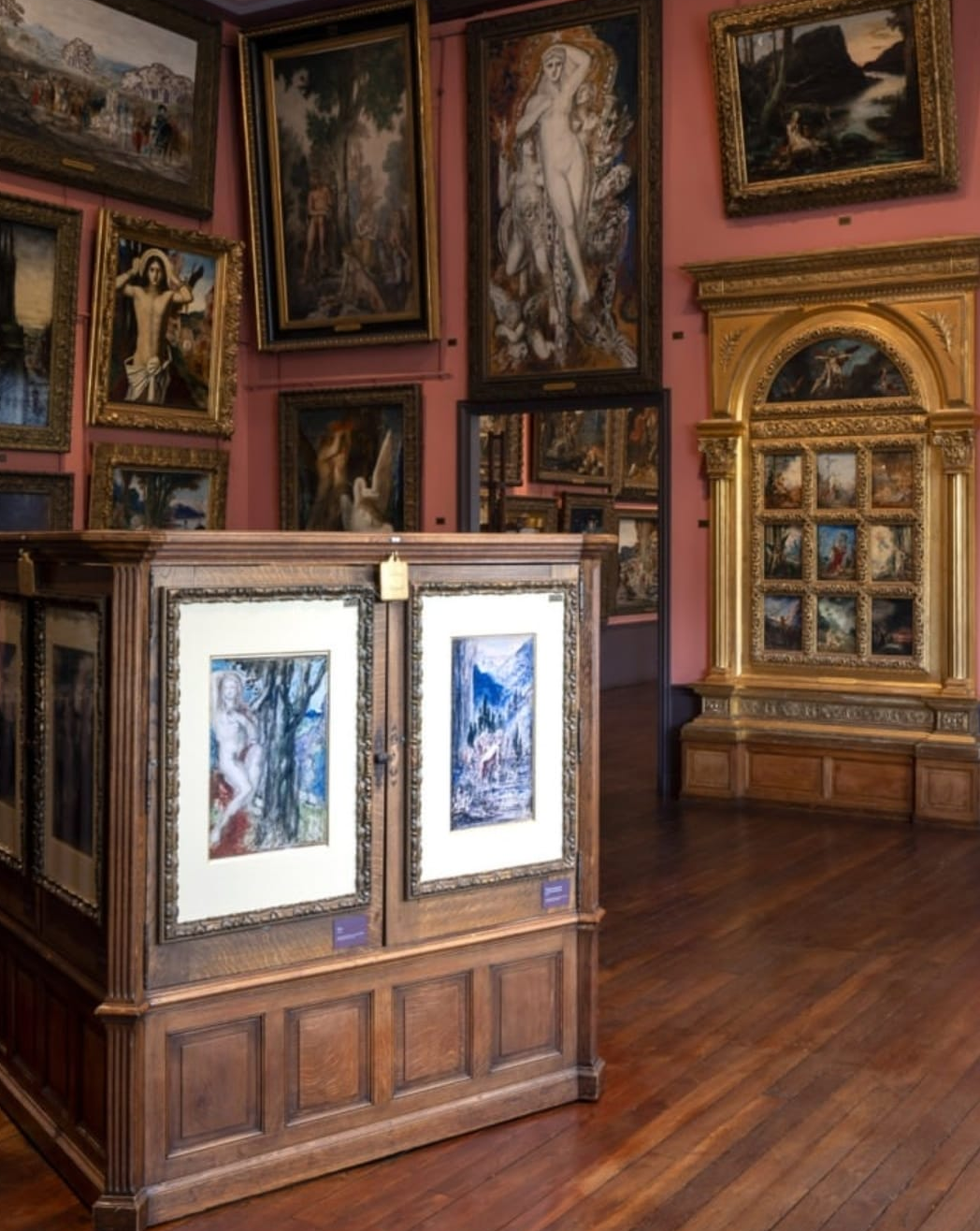
Set in a townhouse in Paris’s 9th arrondissement, this was the family home of the Symbolist painter Gustave Moreau, who lived and worked here for much of his life, from the early 1850s until his death in 1898. Late in his career he extended the house with two vast top-floor studios, planning to turn it into a museum of his own work.
Moreau painted dreamlike scenes drawn from mythology, rich in jewel-toned colour and intricate detail. Today the museum holds well over a thousand of his paintings, watercolours and cartoons, along with thousands of drawings, displayed in the rooms where he made them.
Museo Sorolla, Madrid, Spain
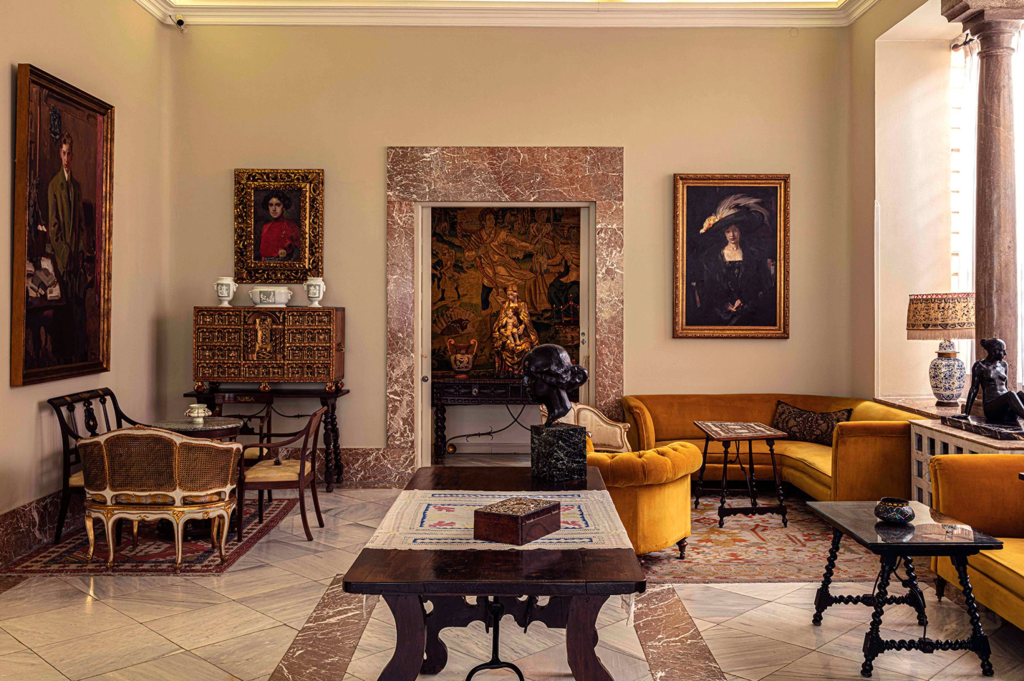
Joaquín Sorolla built this house and studio in Madrid in 1911 and lived here until his death in 1923. He designed it himself, including the Andalusian-inspired garden, from the layout to choosing the plants, which became a frequent subject in his later paintings.
Sorolla was known for his luminous, sun-drenched scenes of beaches, gardens and everyday life, as well as his portraits. The museum, opened by his family in the 1930s, still feels like a home. It displays his paintings, his preserved studio, and the furniture, ceramics and objects he collected over the years.
Barbara Hepworth Museum and Sculpture Garden, St Ives, England
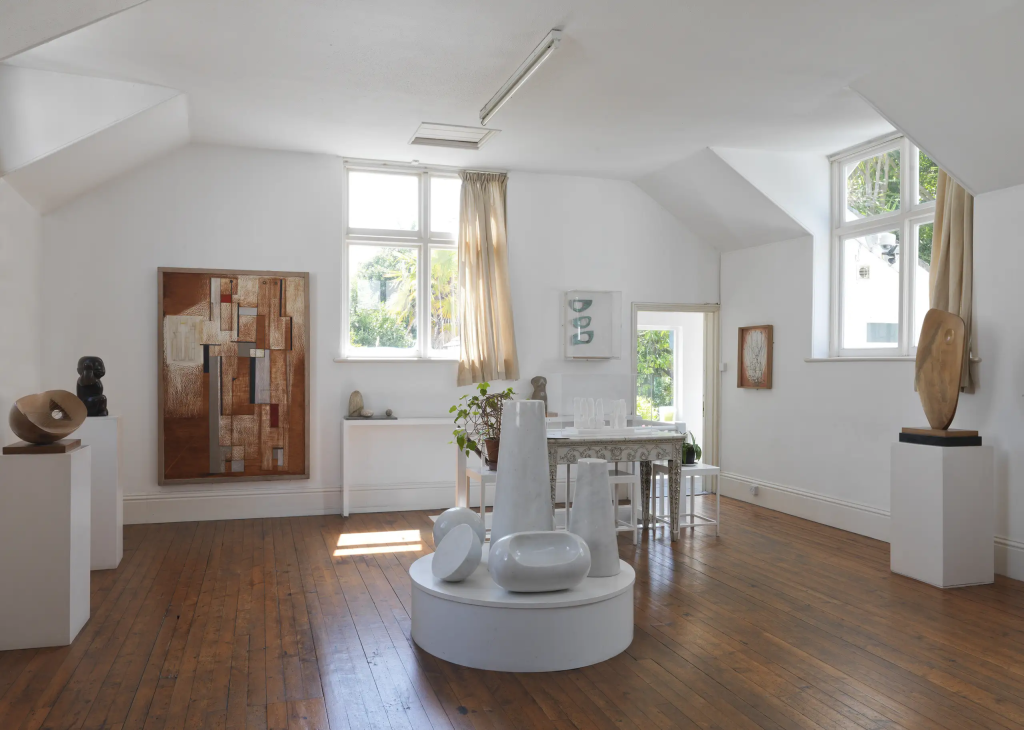
The sculptor Barbara Hepworth moved to Trewyn Studio in St Ives, Cornwall, in 1949 and lived and worked here until her death in 1975. The coastal town and its landscape shaped her thinking, and she spent more than twenty-five years here at the heart of the St Ives art community.
Her work is known for its abstract, organic forms, often pierced or hollowed, which echo hills, the sea and the human figure. The museum, now run by Tate, keeps her studio much as she left it, with tools and works in progress. Plasters, carvings and bronzes sit alongside sculptures placed in the garden she planned herself.
Salvador Dalí House Museum, Portlligat, Spain
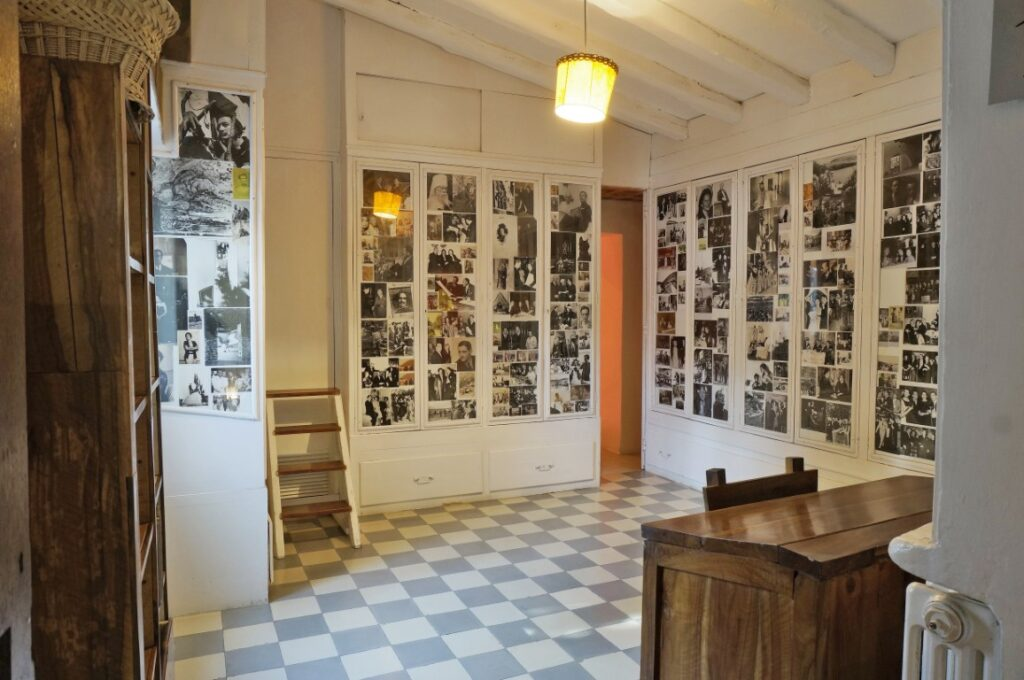
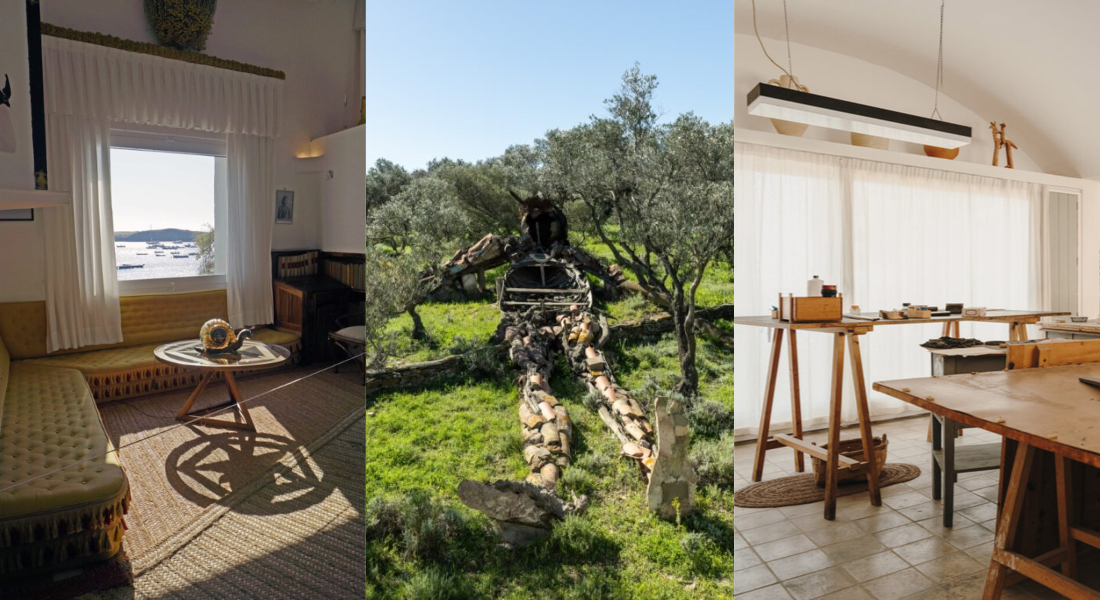
On the Catalan coast near Cadaqués, Salvador Dalí turned a small fisherman’s hut in Portlligat into an eccentric structure. He lived and worked here for much of his life, from 1930 until 1982, with his wife and muse, Gala.
Dalí’s surrealism explored dreams, the subconscious, obsession and illusion, and the house is as theatrical as his paintings. Visitors walk through his studio, library, bedroom and the garden with its pool and giant egg sculptures. The house itself is the main exhibit, filled with the quirky objects and décor that shaped his world.
Fundació Miró Mallorca, Palma, Spain
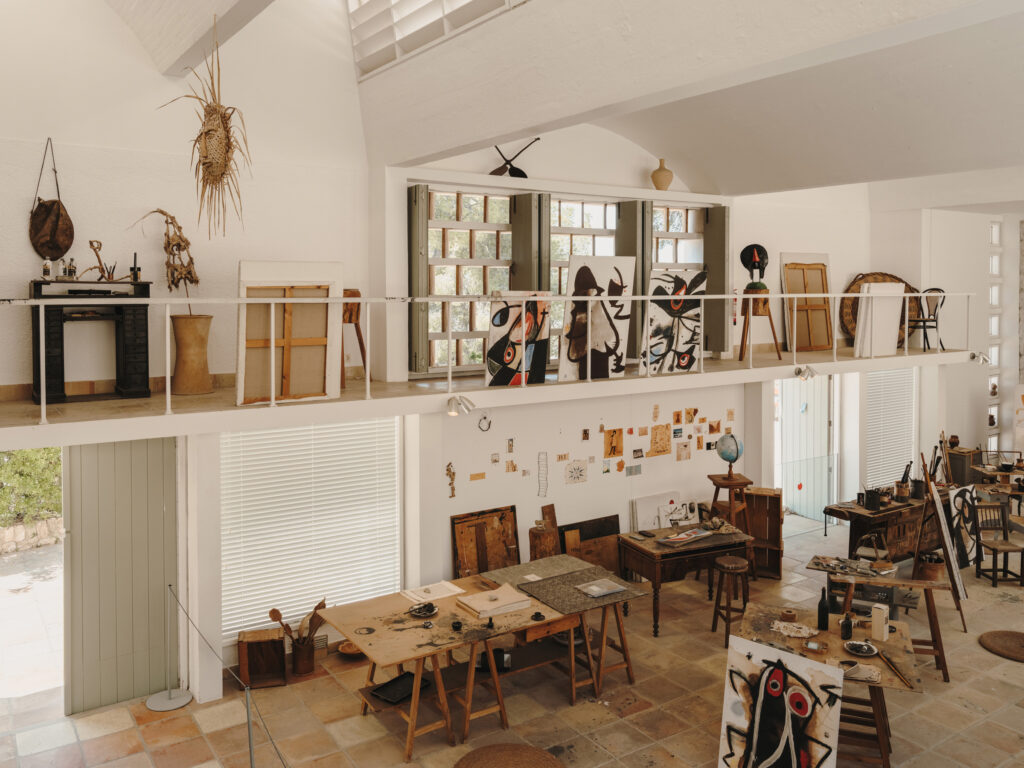
Joan Miró settled in Mallorca in 1956, the home of his wife Pilar’s family, and lived and worked here until he died in 1983. His studio was designed by the architect Josep Lluís Sert, and later he added Son Boter, an old Mallorcan house, as a second workspace.
His art is playful, poetic and abstract, built on bold colour, stars, birds, women and simple symbolic shapes. The foundation, created from Miró and Pilar’s donation, preserves both of his studios as he left them, with scribbles on the walls and unfinished works. It also holds a large collection of his paintings, sculptures and drawings.
Musée National Eugène Delacroix, Paris, France
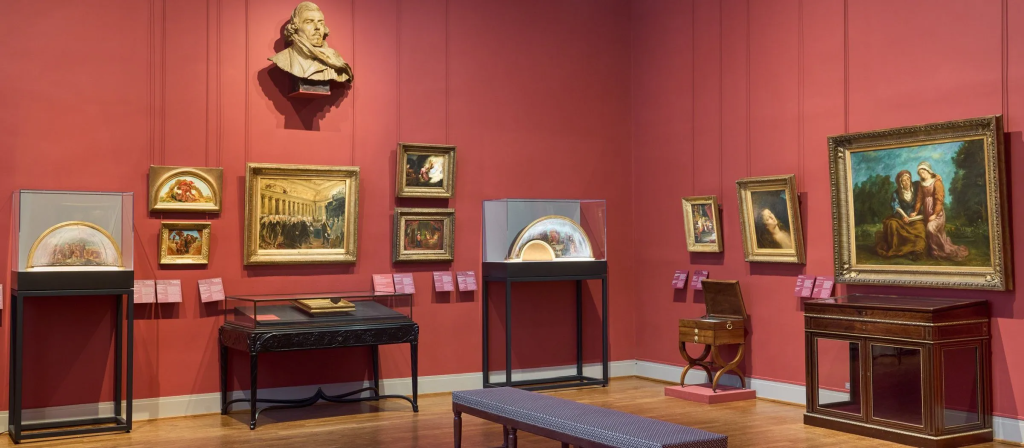
Overlooking a quiet courtyard garden off Place de Furstemberg in Saint-Germain-des-Prés, this was Eugène Delacroix’s final home and studio. He moved here in 1857, closer to the Church of Saint-Sulpice, where he was painting murals, and lived here until his death in 1863.
A leading figure of French Romanticism, Delacroix was celebrated for his dramatic compositions and vivid colour, often inspired by literature, history and his travels in North Africa. The museum shows his paintings, drawings and pastels alongside letters and personal belongings, and you can still visit the garden, adjacent to the house.