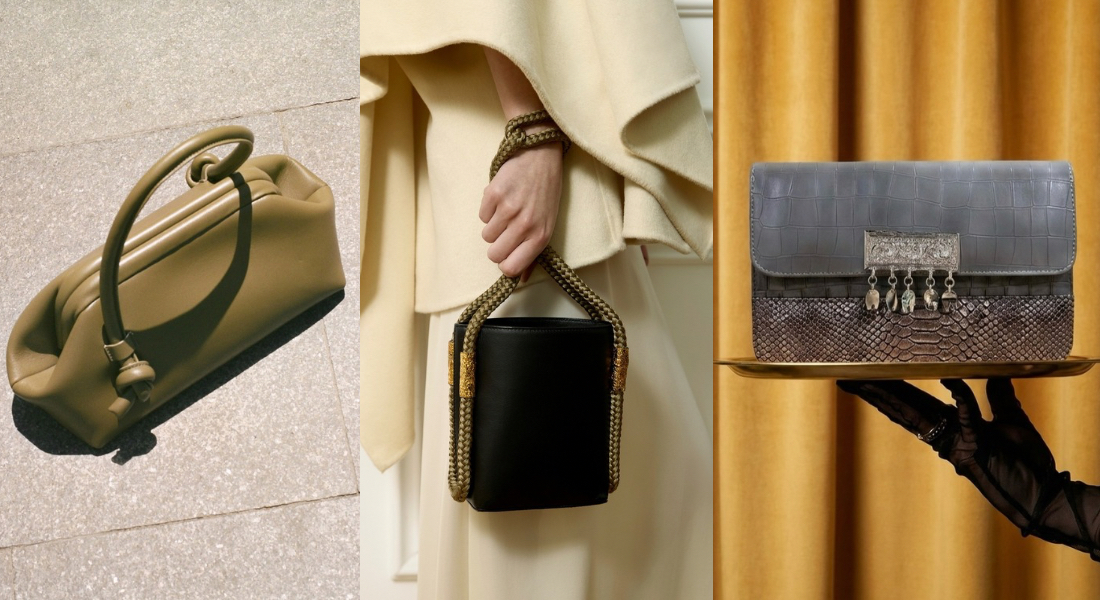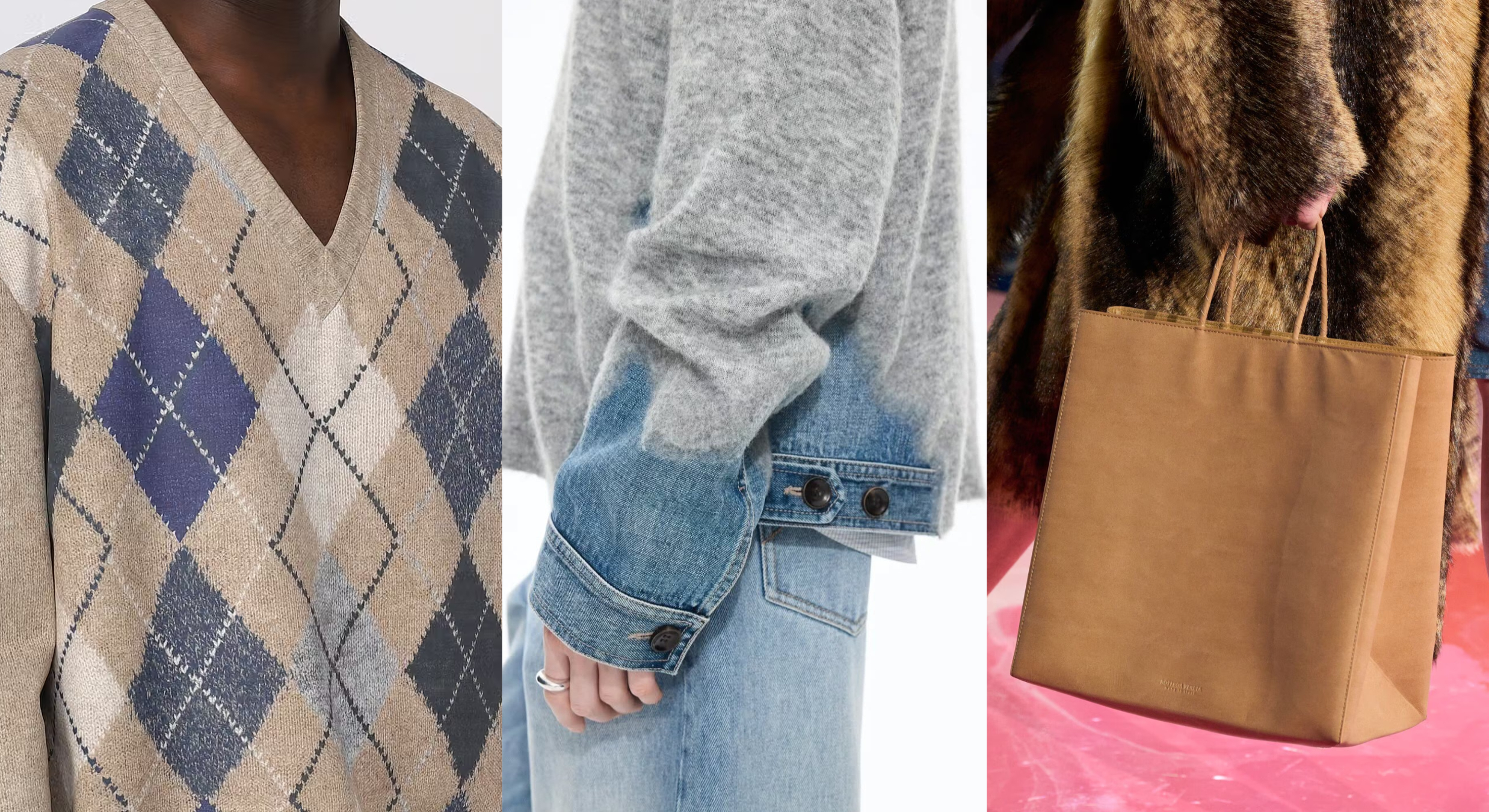



Rich, warm and surprisingly versatile, burgundy brings depth and character to contemporary interiors.
While burgundy has become a popular choice in fashion, the rich shade works equally well in interiors. Its deep red undertones complement natural materials such as dark wood, marble and brass, while pairing beautifully with softer shades of cream, dusty pink and olive green. Here are six ways to incorporate the colour into your home.
Statement Seating
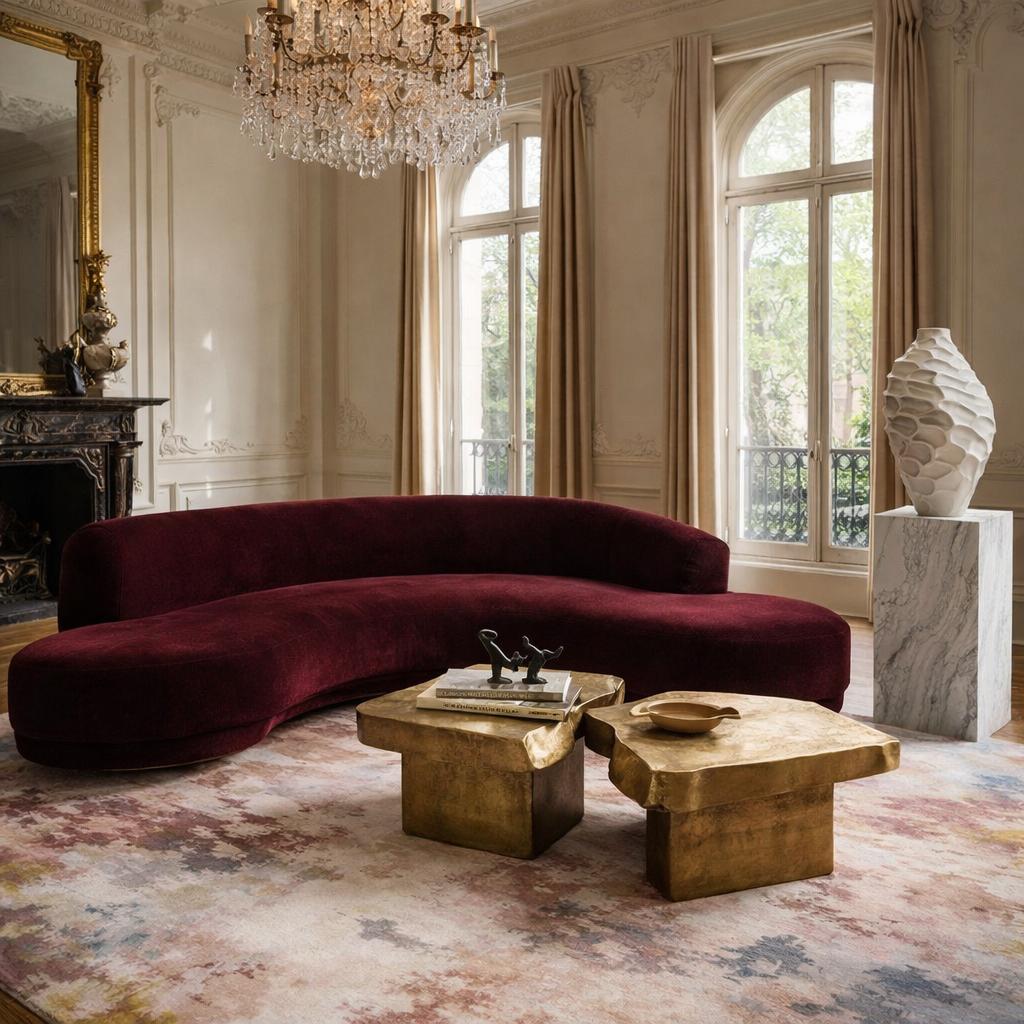
A burgundy velvet sofa or a pair of upholstered armchairs can establish the colour palette of an entire room. Keep the surrounding furnishings neutral and introduce darker woods or brushed metal finishes for a sophisticated contrast.
Richly Coloured Walls
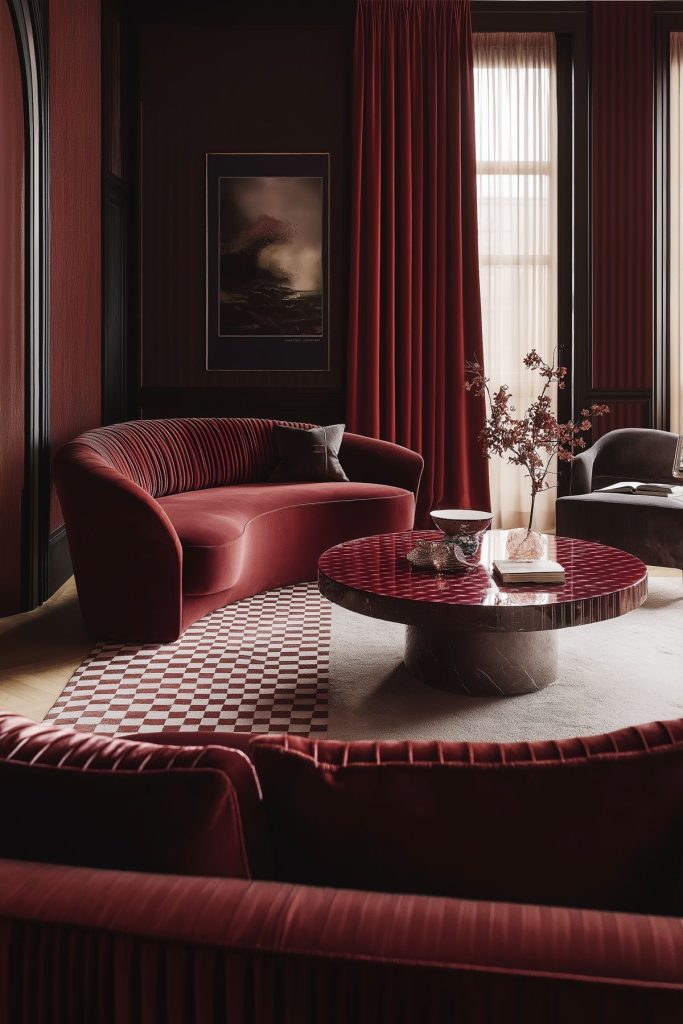
Burgundy is particularly effective in dining rooms, libraries and intimate seating areas. A high-gloss lacquer finish creates a dramatic effect, while matte paint offers a softer interpretation. Painting the walls and cabinetry in the same shade can give the space a cohesive finish.
Decorative Wallpaper
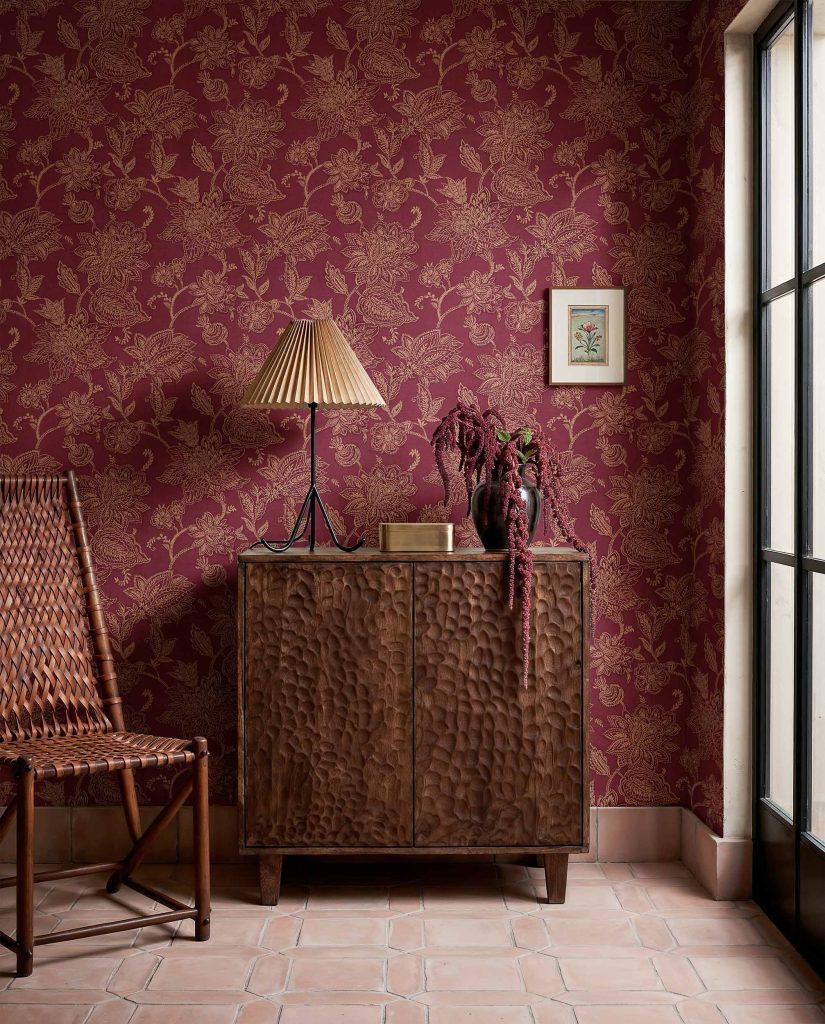
Botanical prints, intricate florals and geometric patterns incorporating burgundy can bring a distinctive character to a room. Consider a large-scale decorative motif in a dining room or a textured grasscloth wallpaper in a bedroom for a more understated finish.
Rosso Levanto Marble
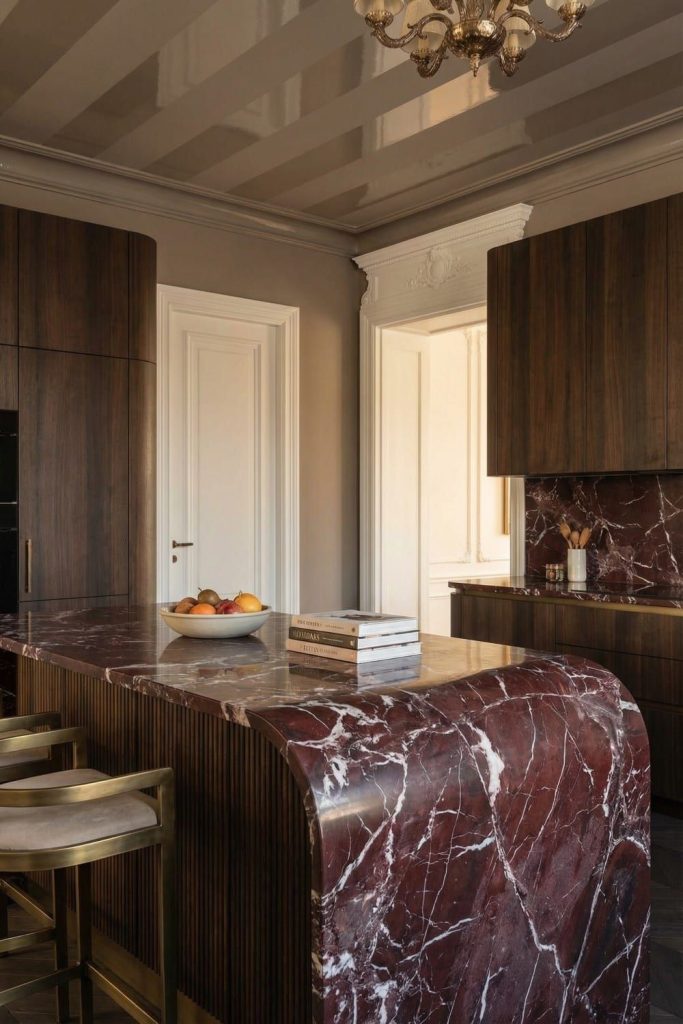
With its deep grape-coloured surface and distinctive white veining, Rosso Levanto marble offers a natural way to introduce burgundy into an interior. Consider a sculptural coffee table, a bathroom vanity, or a statement console, allowing the stone’s individual markings to become a decorative feature.
Textiles and Soft Furnishings
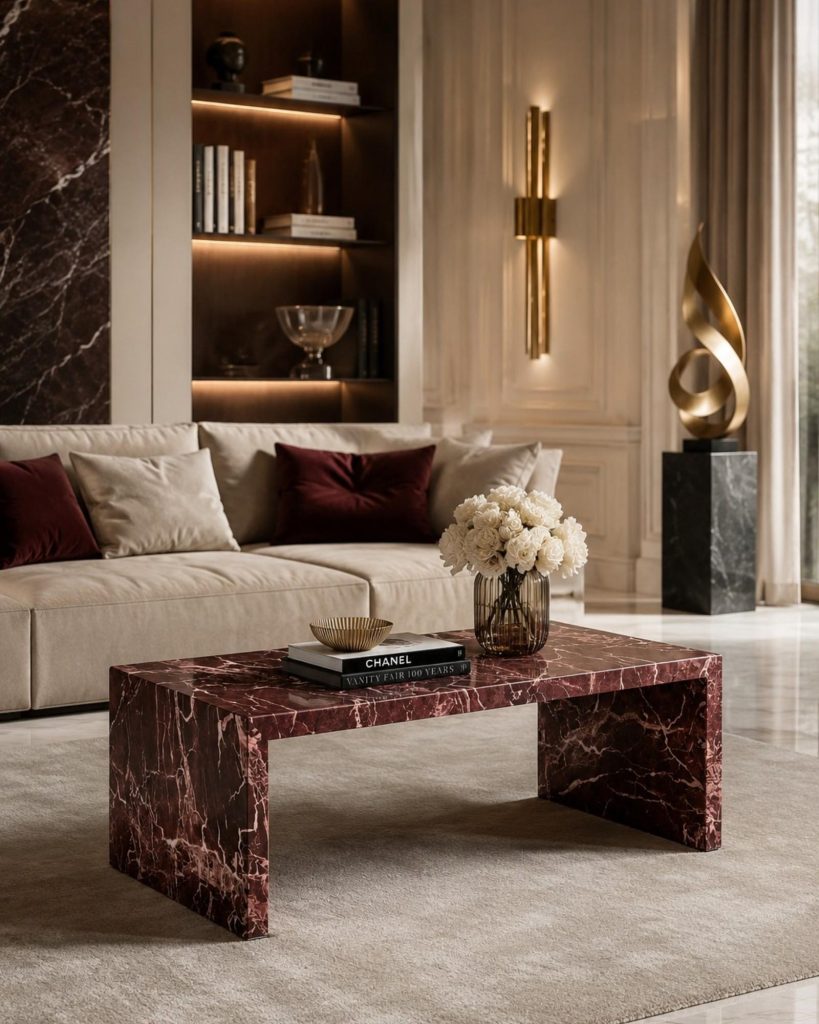
For a less permanent approach, experiment with burgundy through textiles. A generously sized wool rug, silk cushions, or floor-length velvet curtains can transform a room’s character, particularly when paired with natural linen and warm neutral tones.
Decorative Accents
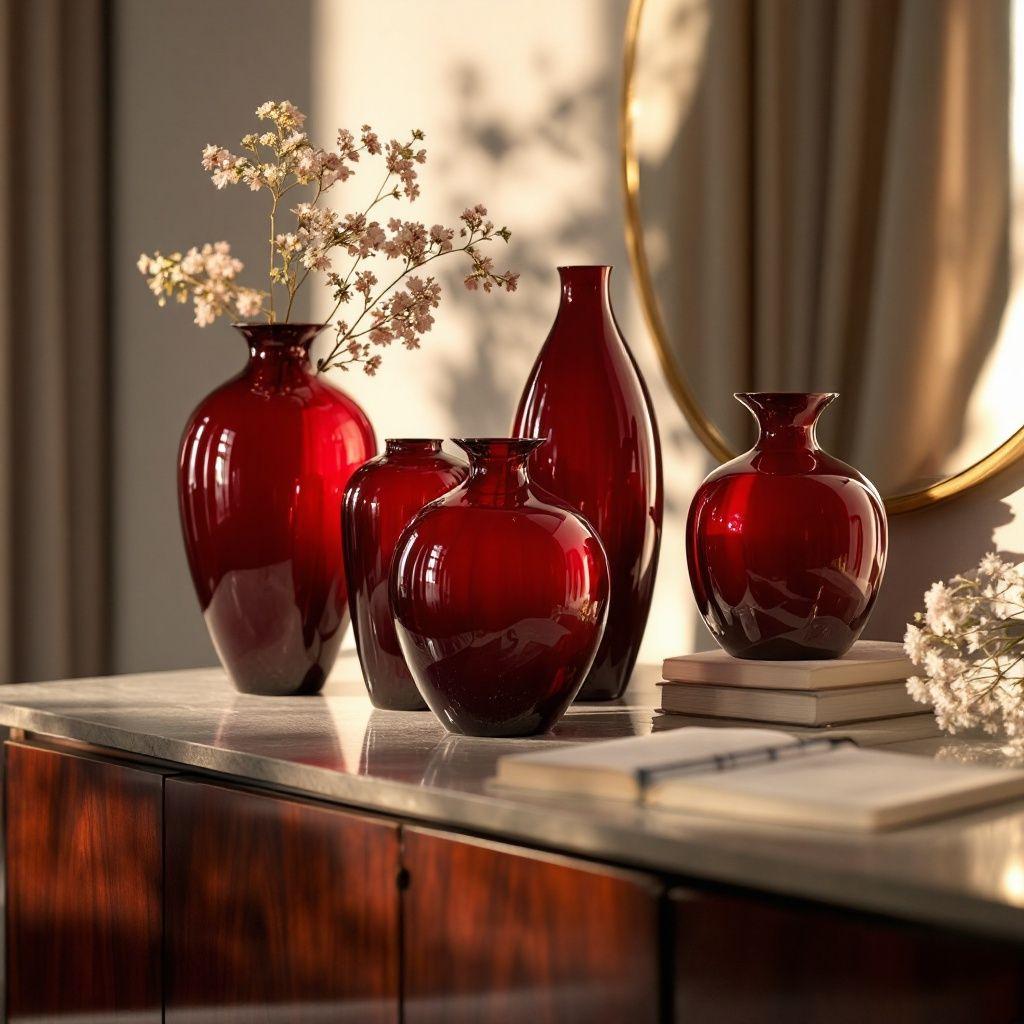
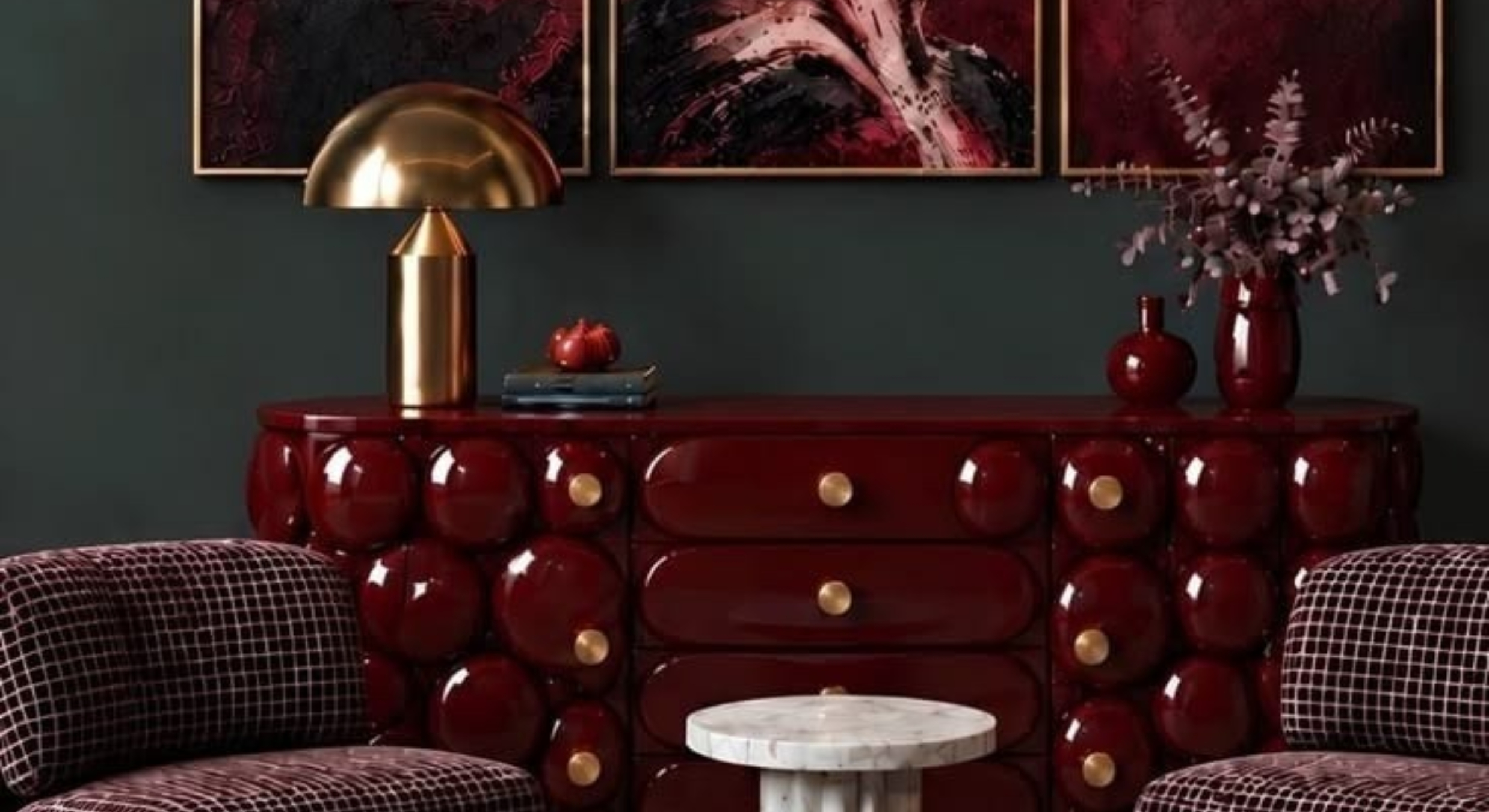
Smaller decorative pieces can be equally effective. Burgundy glassware, lacquered trays, glazed ceramics and coloured lampshades introduce subtle touches of the shade. Look for interesting finishes and sculptural forms that offer visual contrast against lighter surfaces.