


The distinctive fabrics, leathers and craftsmanship techniques that have become signatures of some of fashion’s most recognisable houses.
Some of fashion’s most recognisable signatures have little to do with logos. A particular weave, the texture of a leather or the exceptional fineness of a fibre can be enough to identify a house. Behind these materials are decades of specialist knowledge, carefully developed techniques and an understanding of how fabric and leather should look, feel and behave.
Here are five luxury houses whose identities are closely connected to the materials they use.
Bottega Veneta Intrecciato Leather
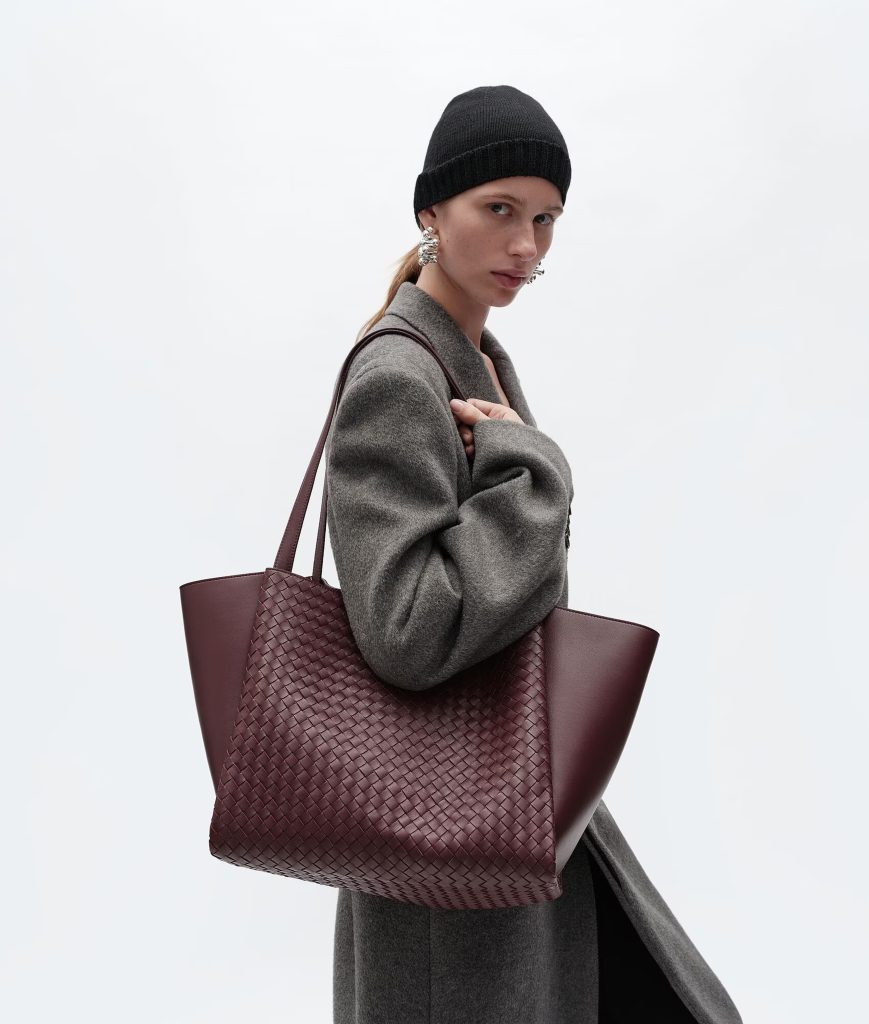
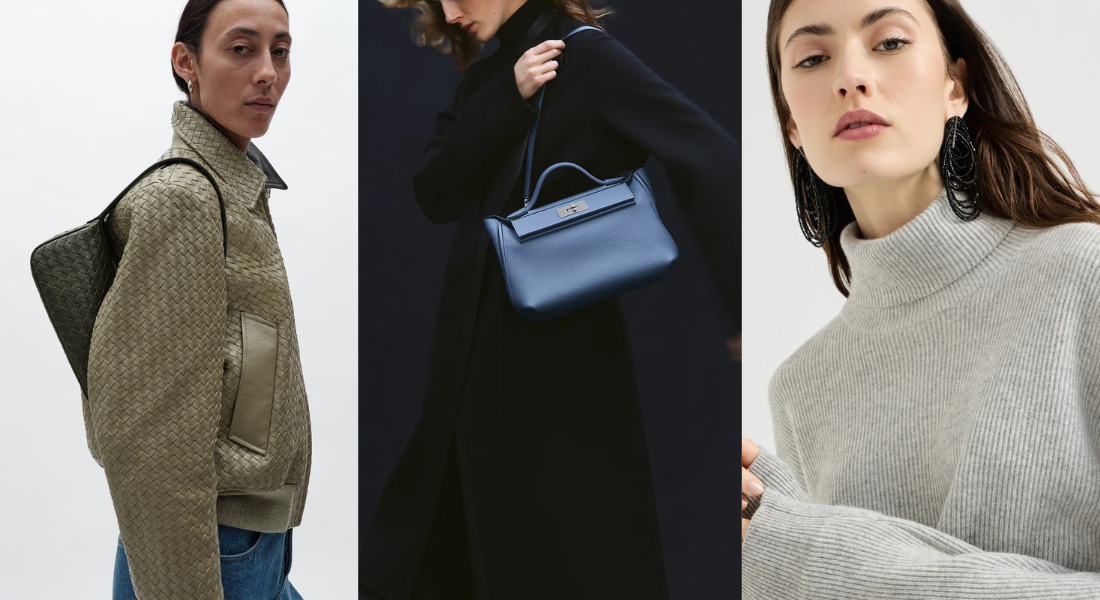
First introduced in 1975, Bottega Veneta’s Intrecciato has become one of the most recognisable techniques in leather craftsmanship. The process involves hand-weaving narrow strips of leather, known as fettucce, creating a flexible surface with a distinctive woven texture. Originally associated with the house’s leather accessories, Intrecciato has since been interpreted in different scales, patterns and constructions. Its appeal lies in the precision of the weaving and how it lets the leather itself become the design. Five decades later, it remains central to Bottega Veneta’s identity.
Loro Piana: The Gift of Kings®
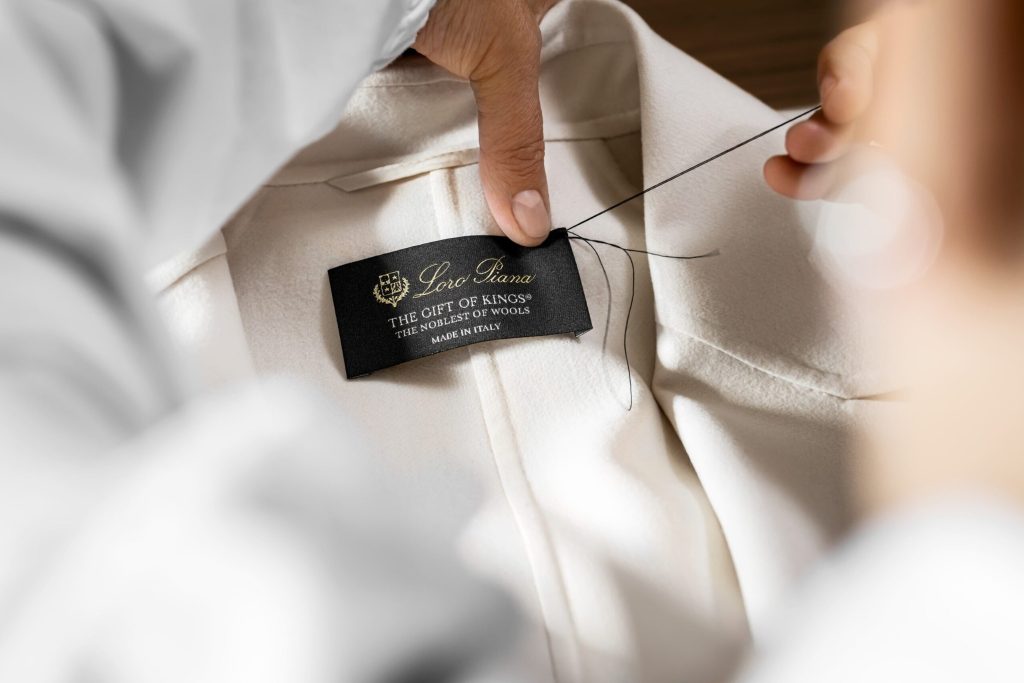
Loro Piana’s The Gift of Kings® is an exceptionally fine Merino wool, with fibres measuring approximately 12 microns in diameter. Sourced from selected breeders in Australia and New Zealand, it is prized for its softness, natural elasticity and ability to regulate temperature. The name refers to an 18th-century Spanish royal tradition of gifting Merino sheep to fellow sovereigns. Loro Piana’s pursuit of increasingly fine wool has been supported by its Record Bale Award, established in 1997. Today, the fibre is used in remarkably lightweight knitwear and garments that demonstrate the possibilities of exceptional raw materials.
Chanel: Tweed
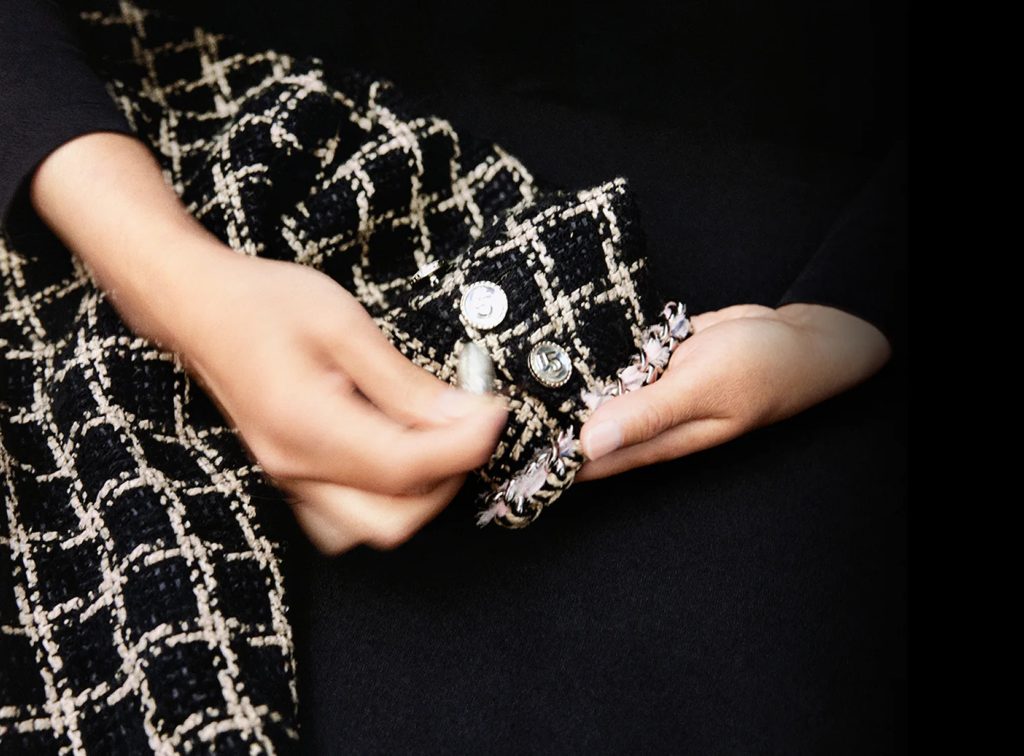
Few fabrics are as closely associated with a fashion house as tweed is with Chanel. Inspired by the practical qualities of traditional British menswear, Gabrielle Chanel adopted the fabric for women’s clothing, favouring its texture, comfort and freedom of movement. It became a defining element of the Chanel suit, particularly following the introduction of her influential jacket in 1954. Over successive decades, the house has experimented with its composition, incorporating unexpected yarns, metallic threads, ribbons and elaborate finishes. The result is a fabric that can appear structured, fluid, understated or highly decorative while remaining unmistakably Chanel.
Hermès: Barénia Leather
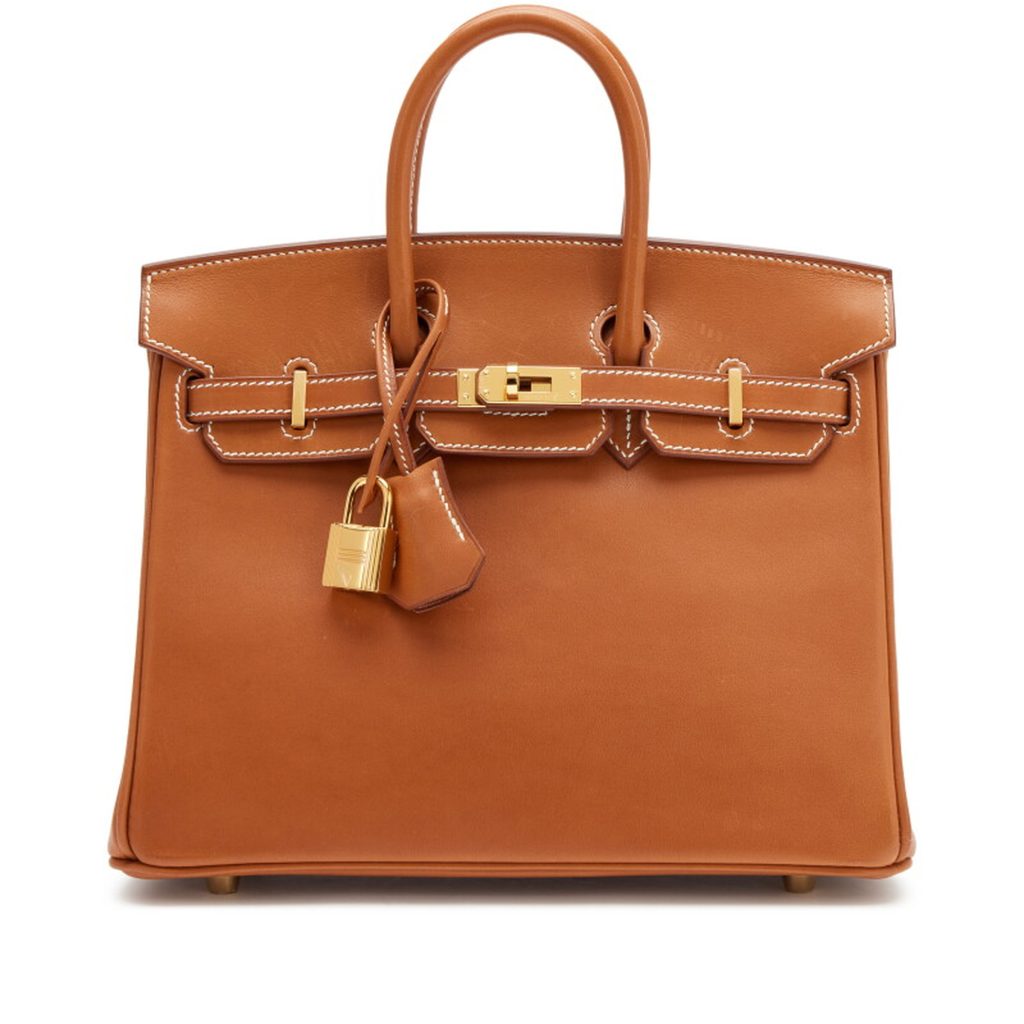
Hermès has an extensive vocabulary of exceptional leathers, but Barénia holds a distinctive position within its collections. Originally tanned near Barr in Alsace, the smooth, lightly waxy calfskin appeared in the house’s collections during the 1970s. It is particularly appreciated for how it changes with use, gradually developing a richer patina as the surface darkens, softens, and becomes glossier. Light marks can often become less visible through gentle rubbing. Barénia’s character reflects Hermès’ longstanding expertise in leatherwork, where the material’s natural qualities are as important as the finished object.
Brunello Cucinelli: Cashmere
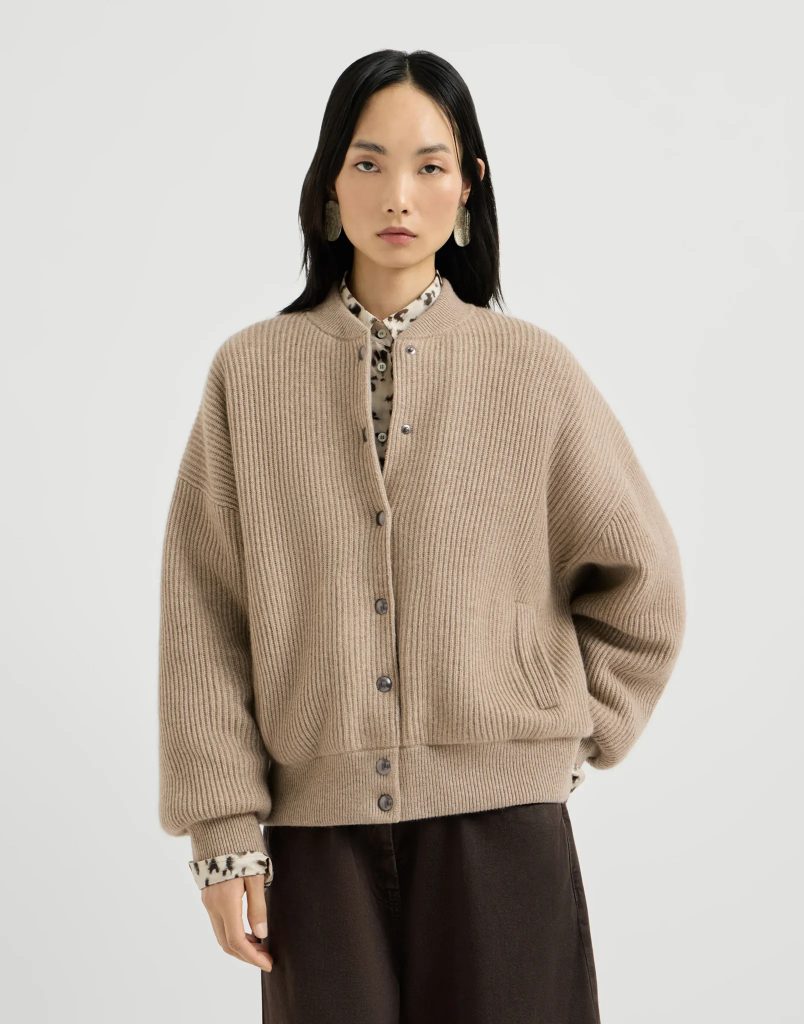
Cashmere has defined Brunello Cucinelli since the company was established in 1978. The designer’s early idea was to introduce fine cashmere knitwear in a broader range of contemporary colours, bringing a different sensibility to a material traditionally associated with classic dressing. Sourced from the soft undercoat of cashmere goats, the fibre is valued for its warmth, lightness and exceptionally soft handle. At the house’s base in Solomeo, Umbria, specialist Italian craftsmanship remains integral to its production. Today, cashmere continues to inform the brand’s approach to knitwear, tailoring and relaxed, considered dressing.