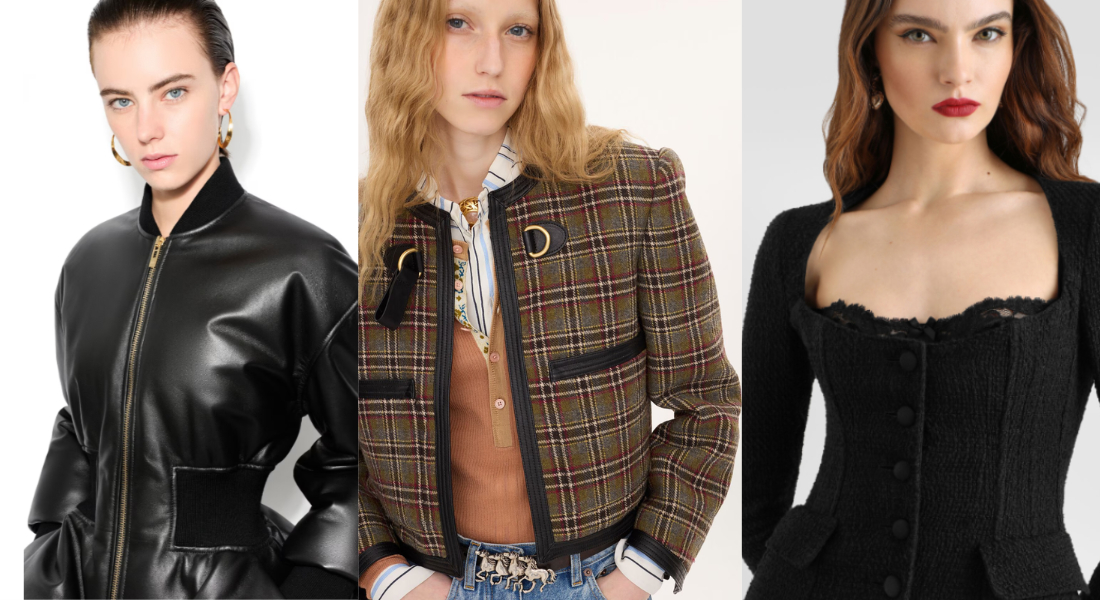



Discover the three iconic styles defining the region’s new tailoring language.
Across the region, the traditional rules of tailoring are being softened, sharpened, and reworked, with three silhouettes standing out. Soft tailoring, structured tailoring, and the return of the ’90s bias cut each offer a different way to style the traditional suit. Together, they point to a more flexible approach to dressing, where comfort, structure, and femininity can exist in the same wardrobe.
Soft Tailoring
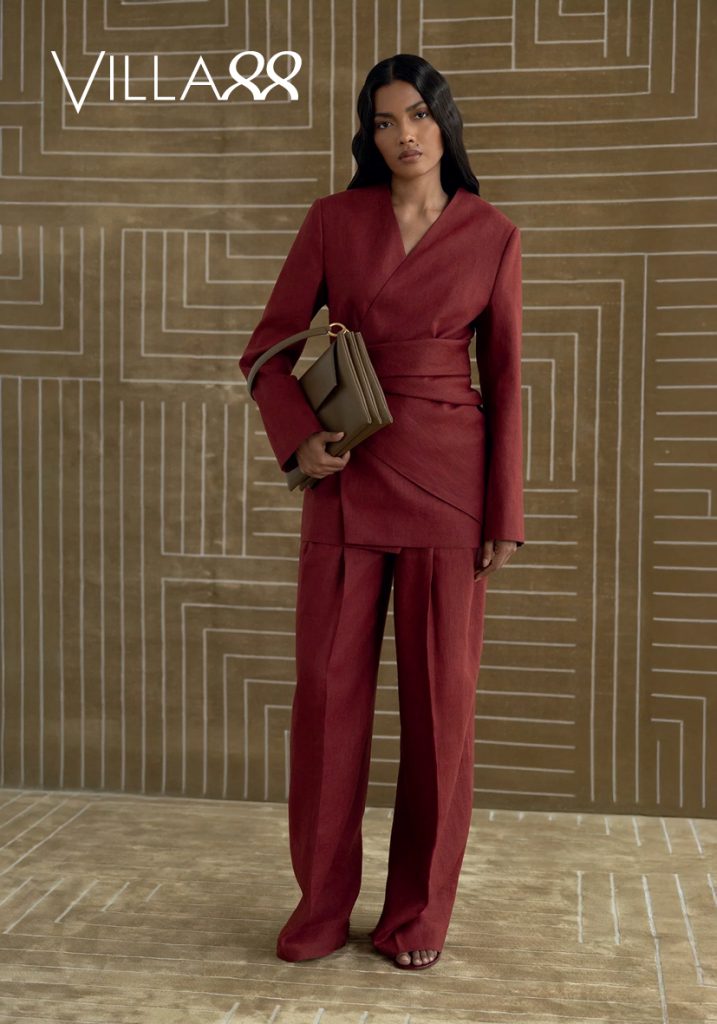
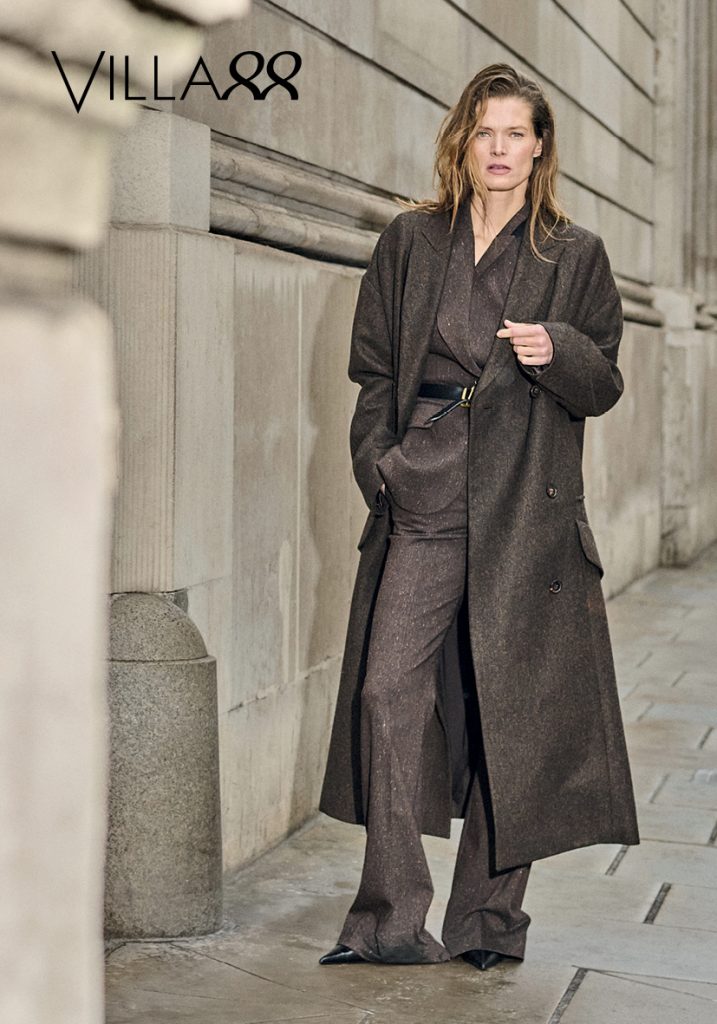
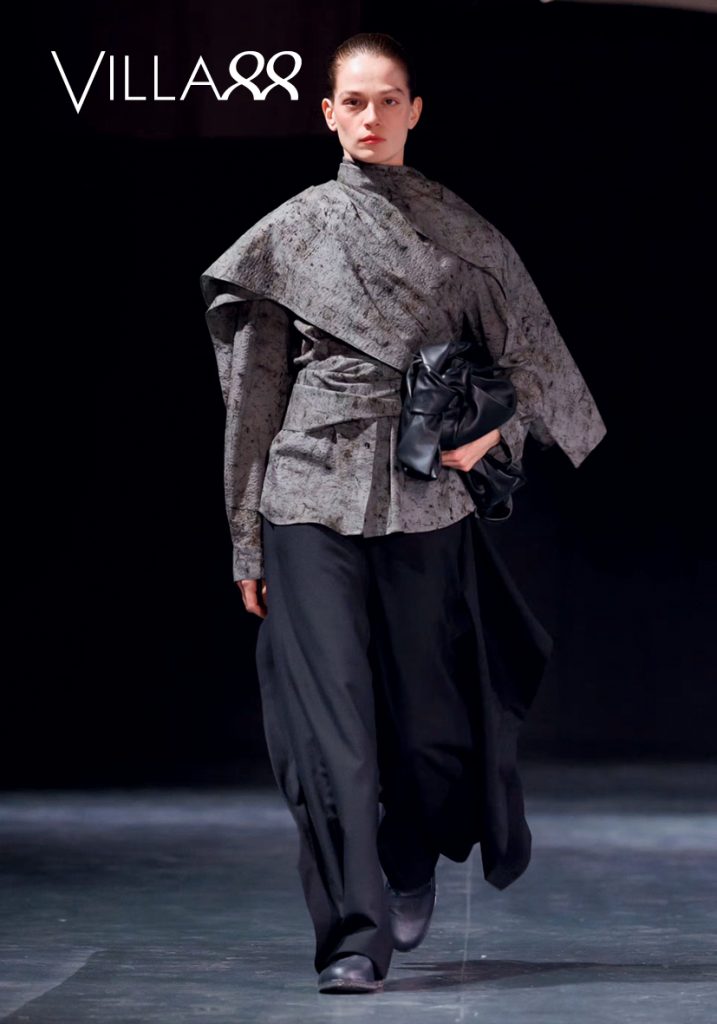
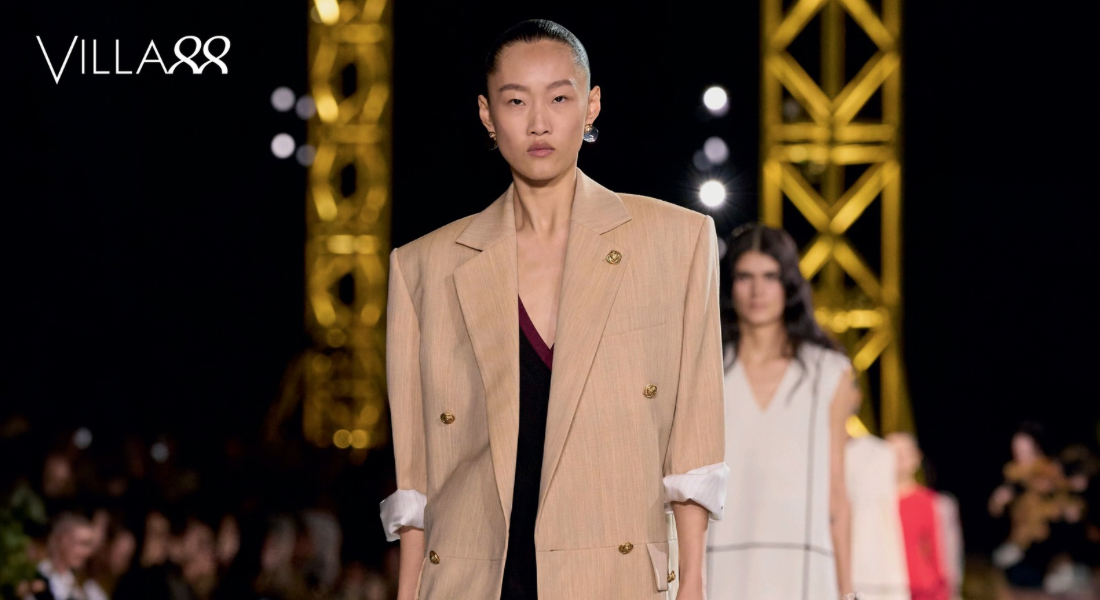
The stiff boardroom suit is making way for something more relaxed. Soft tailoring is defined by fluid fabrics, relaxed shoulders, and lighter construction that allows the body to move. Blazers are often unlined or half lined, lapels are softer, and trousers have more room, creating a look that feels polished without being restrictive. The colour palette is changing too. Olive, sand, tobacco, and terracotta are replacing traditional navy and charcoal, giving tailoring a warmer, more relaxed feel. The appeal is particularly clear in the region, where the climate makes heavy suiting difficult for much of the year. But soft tailoring is more than a practical choice.
The style also works naturally with the way women in the region dress, as Dubai-based fashion stylist Gemma Jones explains. “Soft tailoring feels particularly relevant here in the UAE, because it naturally lends itself to the region’s approach to modest dressing,” she says. “I’m seeing women take relaxed blazers, fluid trousers, and softer suiting and layer them over long dresses, skirts, or even an abaya.” The result is tailoring that moves easily from day to night. “Women want polish without feeling restricted,” adds Gemma. “It’s a trend that works with Dubai’s pace and climate rather than against it.” UAE-based British fashion stylist Celia-Jane Ukwenya echoes her thoughts. “Soft tailoring has real staying power because it works for so many people,” she shares. “It’s finally moving beyond the expected ‘quiet luxury’ aesthetic, with more colour, texture, and personality giving it a stronger sense of identity”.
Sleek & Structured
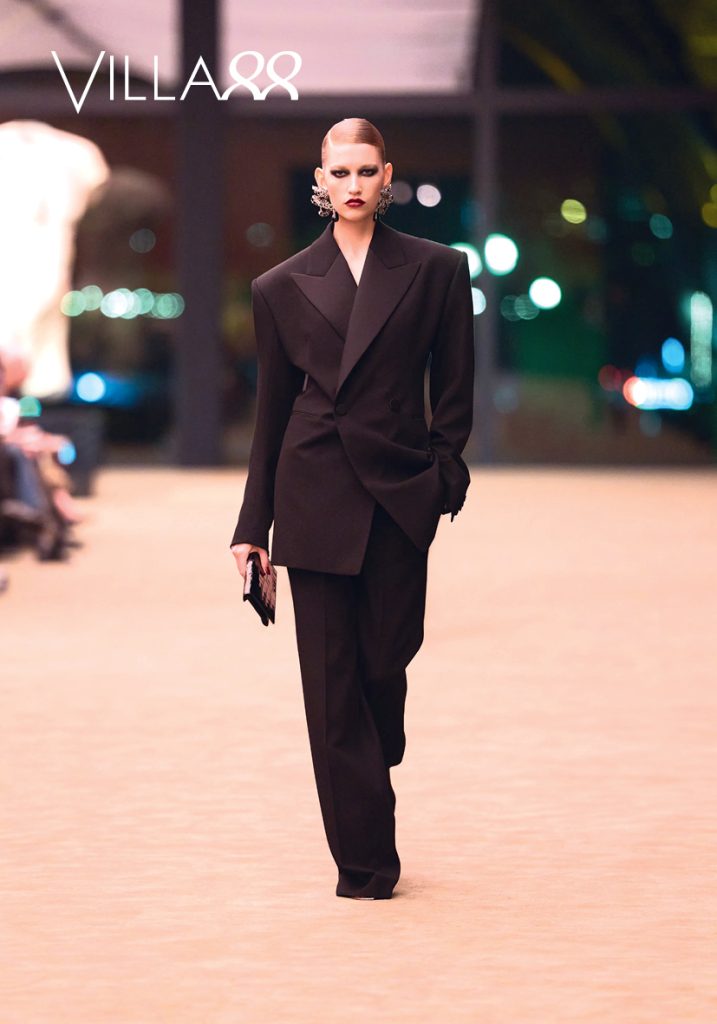
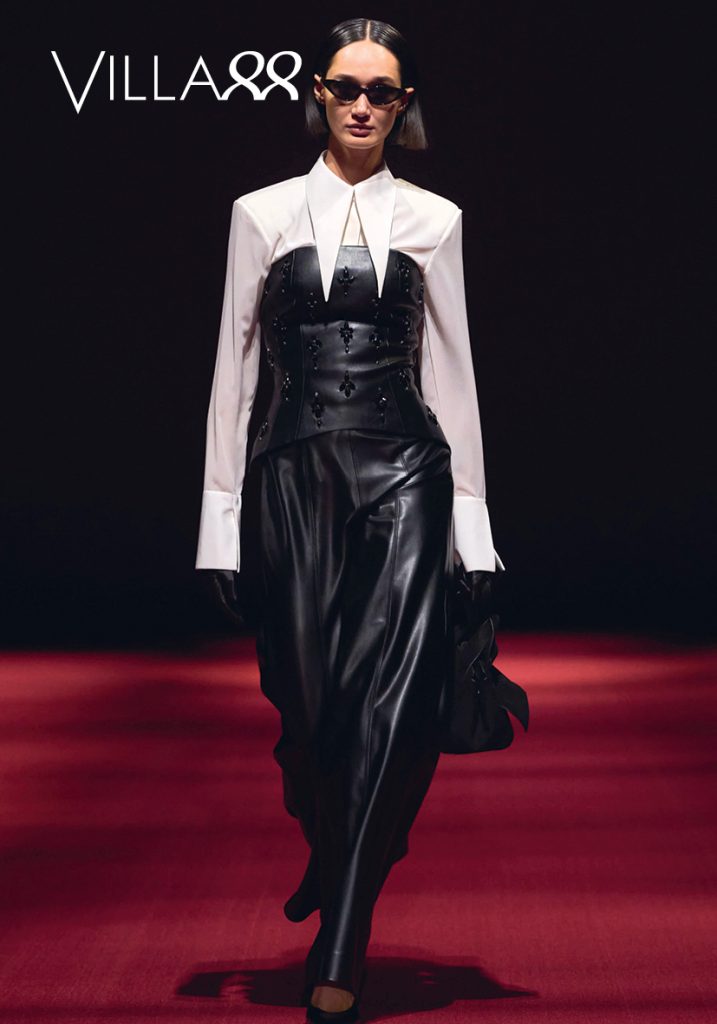
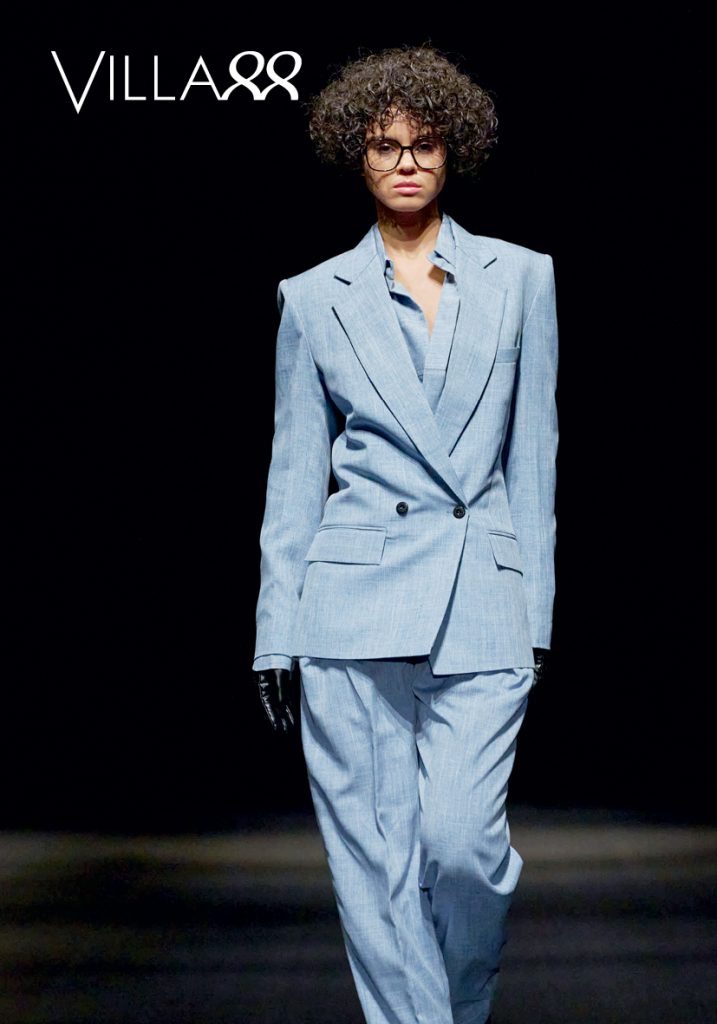
Interestingly, the growth of soft tailoring is being balanced by a growing penchant in the opposite direction too. Sharp shoulders, defined waists, and precise construction are making a strong return, ushering in a new take on power dressing. But, rather than repeating the exaggerated suits of the ’80s, today’s structured tailoring feels more controlled. Strong shoulders are balanced with clean lines and considered proportions, creating a silhouette that feels confident without looking costume-like. This trend also reflects the strength of the region’s bespoke tailoring culture. Precise cuts, multiple fittings, and high-quality construction allow jackets to be made specifically for the wearer, with attention given to everything from the shoulder line to the way a lapel sits.
“Structured tailoring has always survived the changing fashion landscape,” says Celia-Jane. “What keeps it relevant is the way designers and we as stylists continually play with proportion – cropped jackets, exaggerated shoulders, oversized shapes, beautifully elongated lines. That constant reinvention is what gives it such longevity.” The structured blazer is also being introduced into more than just traditional workwear. “What’s interesting now is how women are incorporating that structure into culturally relevant dressing,” adds Gemma. “A sharply cut blazer over a flowing abaya, sculpted shoulders balanced with a softer, full-length skirt, or a defined waist layered over more fluid pieces.” For her, the appeal is clear. “It gives modest dressing a new sense of authority,” she says, thus creating a balance between power and glamour.
The ’90s Bias Cut
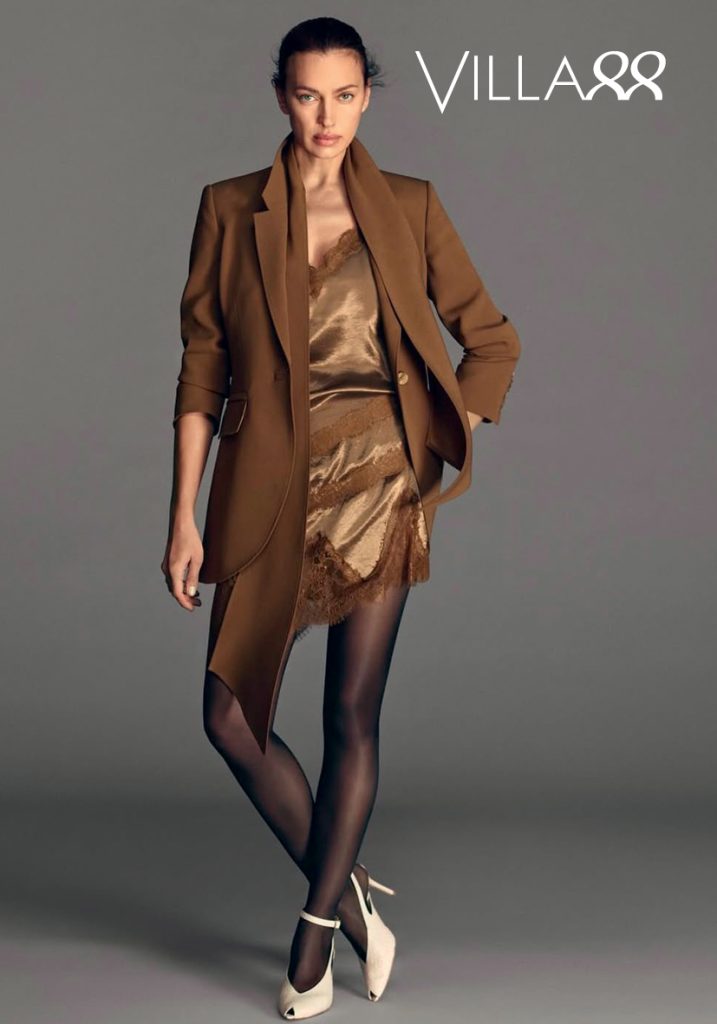
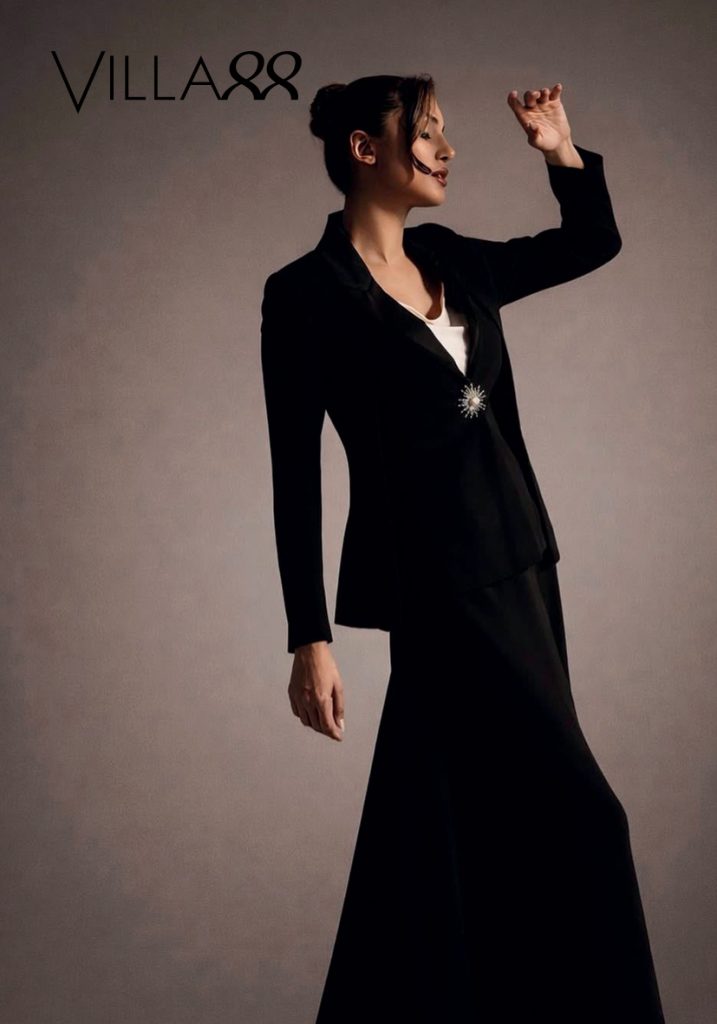
After years of oversized silhouettes, the minimalist ’90s bias cut is making its return. Cut diagonally across the grain of the fabric, the technique lets material stretch and fall close to the body, creating afluid shape often associated with the decade’s iconic slip dresses. The technique dates back to designer Madeleine Vionnet in the 1920s, but became closely associated with ’90s minimalism. Now, it is returning through silk, satin, and fluid crepe dresses that skim rather than cling to the body. Today, women are giving the dress a contemporary update with longer hemlines and pairing it with oversized jackets and blazers.
The trend feels particularly relevant to the region’s busy occasion calendar, from weddings and galas to evening events. Its combination of movement, elegance, and femininity makes it an easy choice for modern occasion dressing. There is also a generational appeal. “The revival feels almost inevitable, but it’s being reinterpreted here rather than simply revived,” says Gemma. “In the region, I’m seeing it adapted through layering, worn over a fine high-neck top, beneath an open abaya, or styled with a long, flowy jacket. That balance of body-skimming glamour and coverage feels very contemporary.”