


Ali Faham discusses the evolution of his business, the importance of local manufacturing and his ambitions for UAE design.
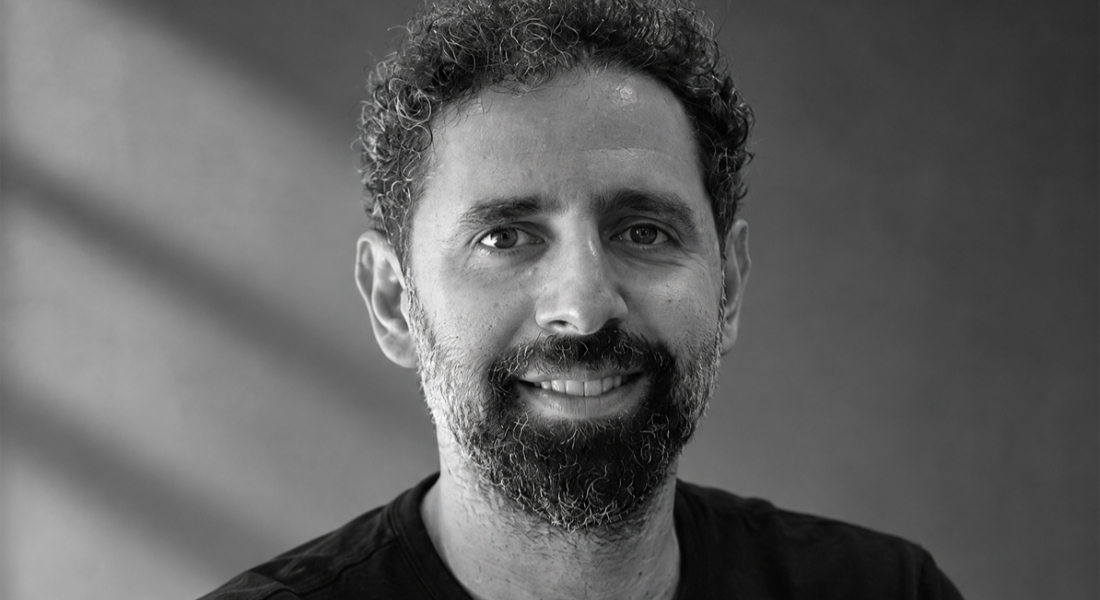
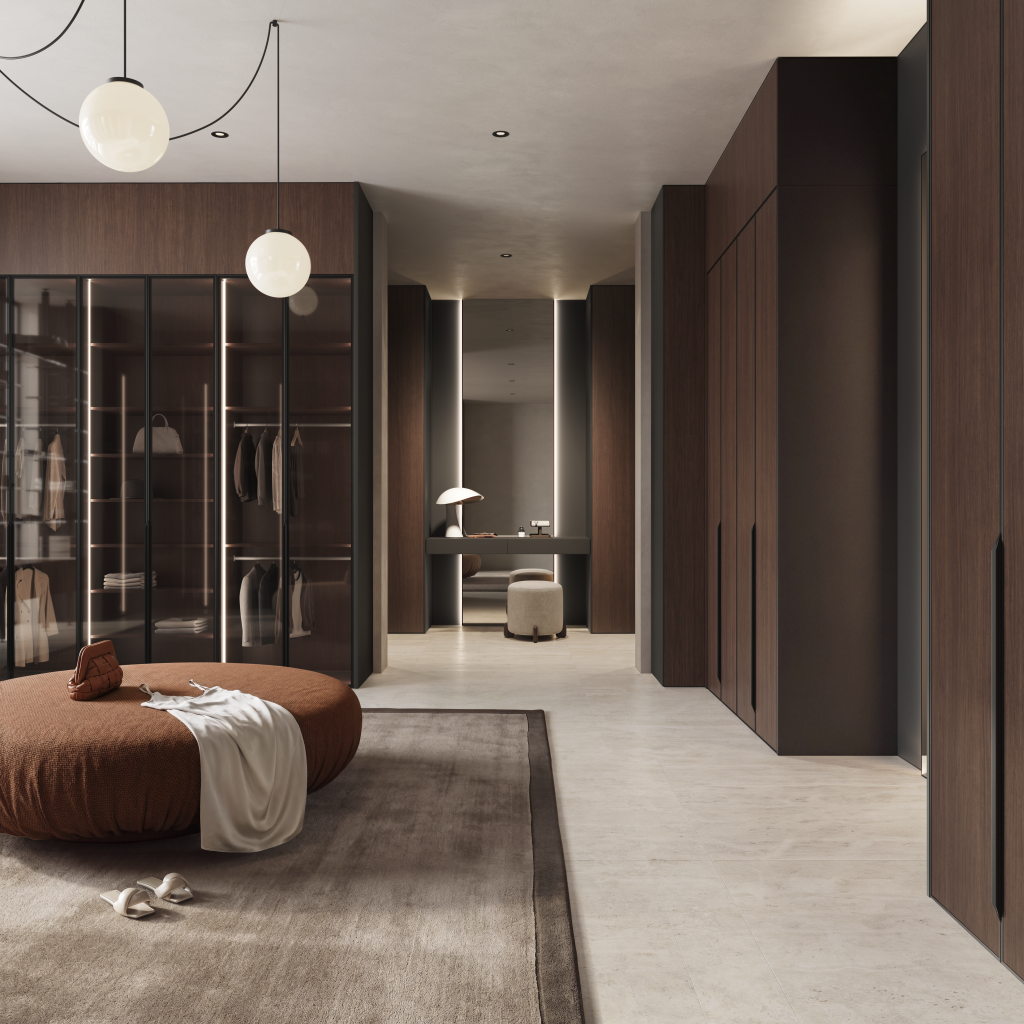
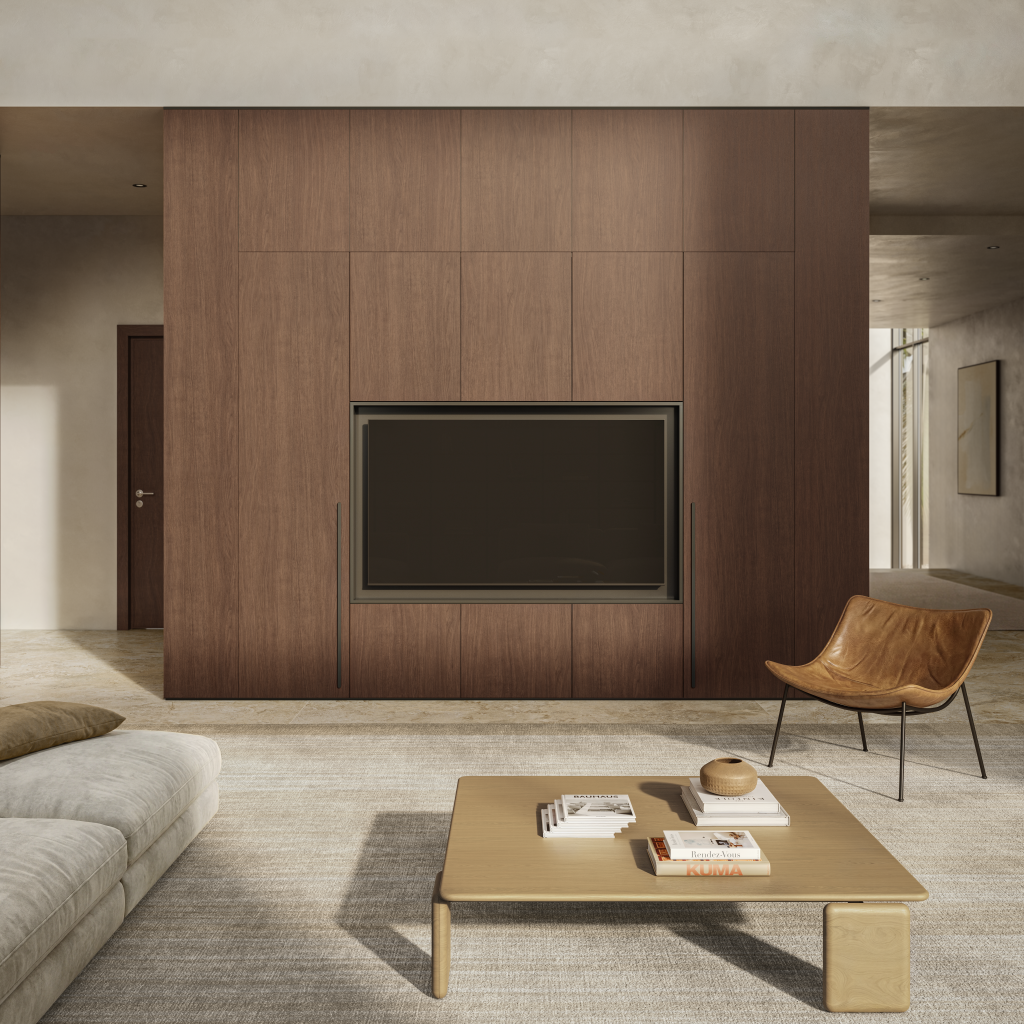
Entrepreneur Ali Faham has spent years building a business around an element of the home most people rarely think about: the door. Today, his company, Faham, has expanded into a wider interiors business, offering everything from wardrobes and wall cladding to built-in furniture, with an ambition to change how homeowners approach the design of their living spaces.
With a background in architecture, Faham recognised early on that doors deserved greater consideration within an interior. “From the beginning I felt that choosing a door should be closer to choosing furniture: an experience shaped by design, materials, proportions and personal preference, rather than simply a technical purchase,” he explains.
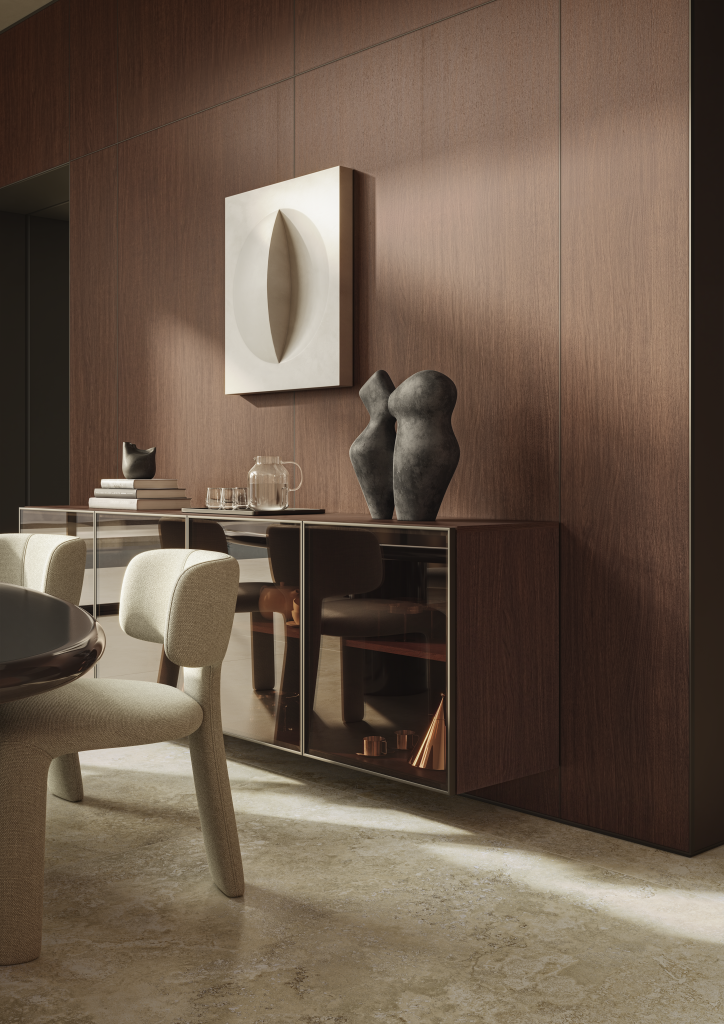
That thinking eventually led him to expand the business beyond its original specialisation. Rather than entering new geographical markets, he saw an opportunity to develop a more comprehensive offering for existing customers. “What we discovered was that customers do not think about their homes in isolated product categories. They want doors, wardrobes, wall finishes and built-in furniture to belong to one coherent design language.”
The shift reflects a broader change in the UAE’s residential interiors market, where homeowners are placing greater importance on personalisation, continuity and functionality. As Faham observes, “They are less interested in assembling a collection of unrelated products and more interested in a cohesive space where finishes, proportions and details speak the same language.”
For him, good design also requires an understanding of the people who will live with it. “Personalisation should therefore begin with understanding how someone lives, not with presenting an endless catalogue of finishes.” This philosophy informs the company’s approach to creating integrated interiors, where practical requirements are considered alongside the overall aesthetic.
Faham’s commitment to local manufacturing is another defining aspect of the business. Designed and made entirely in the UAE, its products are developed through an in-house process that brings together design, engineering, production and installation.
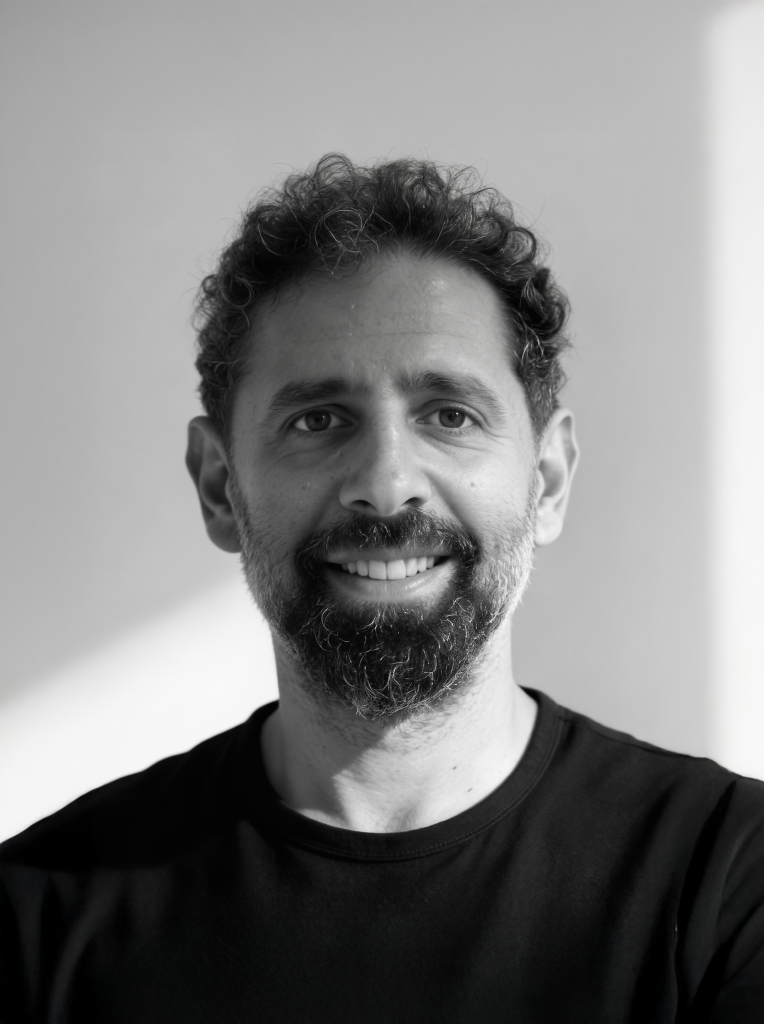
“Local manufacturing gives us something very valuable: proximity between the designer, the factory, the installation team and the customer,” he explains. This close relationship allows the company to refine products and respond to individual project requirements. “Even a beautifully designed product can fail if the details cannot be executed consistently.”
Technology is playing an increasingly important role in this process. Faham is investing in systems that connect customer selections with technical drawings, manufacturing and installation, while also exploring AI-enabled tools to improve operational efficiency. Yet he remains clear about its purpose: “The real promise of technology is not to replace the designer or the craftsperson. It is to remove friction, improve consistency and give people more time to focus on design and the customer.”
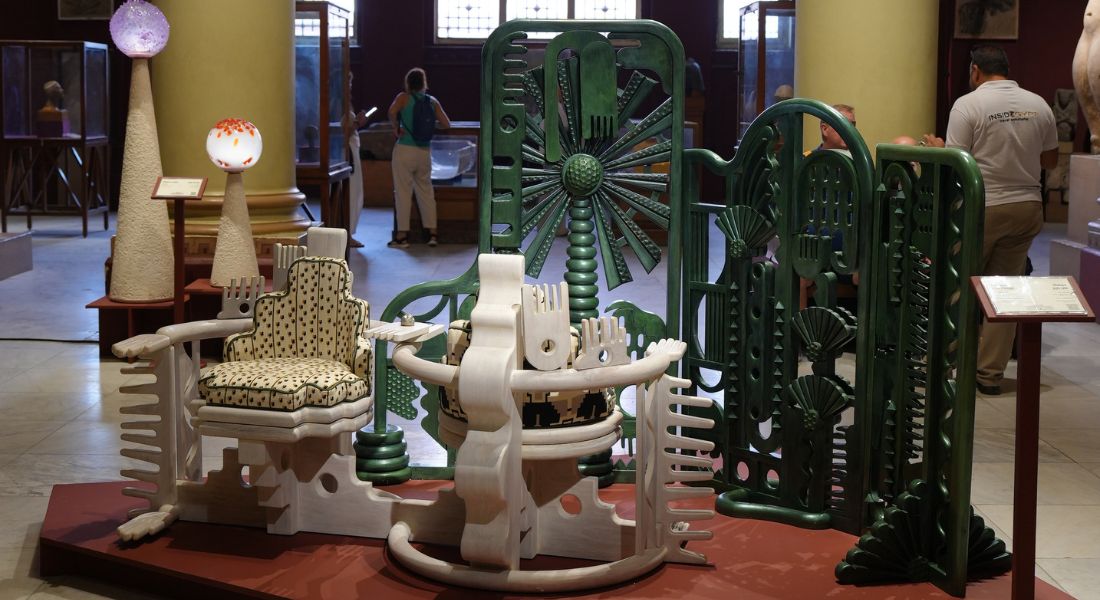
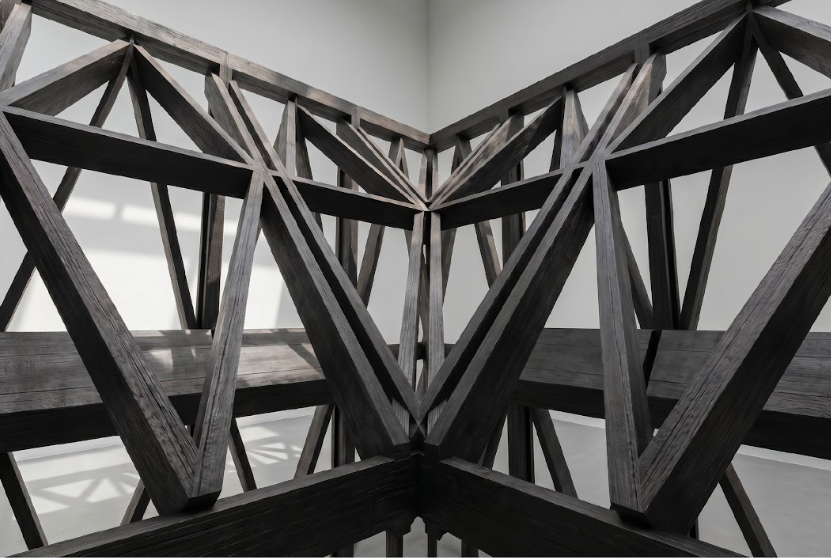
His interest in the relationship between technology and traditional craftsmanship was also reflected in Faham’s participation in Dubai Design Week 2026. Making its debut as an official Material Supporter, the company supported Taleem, an installation by Dubai-based architecture practice VARUSSI, presented within Abwab’s In Other Words exhibition.
Created by Kashmiri architects Owais Asif Khan and Samreen Junaid Wani, the installation drew inspiration from traditional carpet and shawl-making techniques and was constructed using reclaimed timber. Its exploration of craft knowledge and material reuse resonated with Faham’s approach to contemporary production.
“Traditional craftsmanship carries an intelligence that is easy to overlook: an understanding of how materials behave, how elements come together and how objects can be repaired or adapted,” he says. “Technology should help us execute thoughtful design with greater precision and consistency, while craftsmanship reminds us to pay attention to the human and material qualities of what we make.”
The experience also reflects his ambitions for Emirati design businesses, which he believes have an opportunity to establish a stronger international presence without relying on obvious references to regional heritage.
“For me, an Emirati design identity is not about applying a recognisable motif to every product. It is about expressing the confidence, openness and ambition of the place in which we operate.”
As Faham continues to expand, its founder remains focused on developing a company recognised for its design expertise, manufacturing capabilities and customer experience. “Ultimately, I want Faham to be recognised not simply for what we manufacture, but for the quality of design, the experience we create, and the value we bring to the spaces people live in.”