


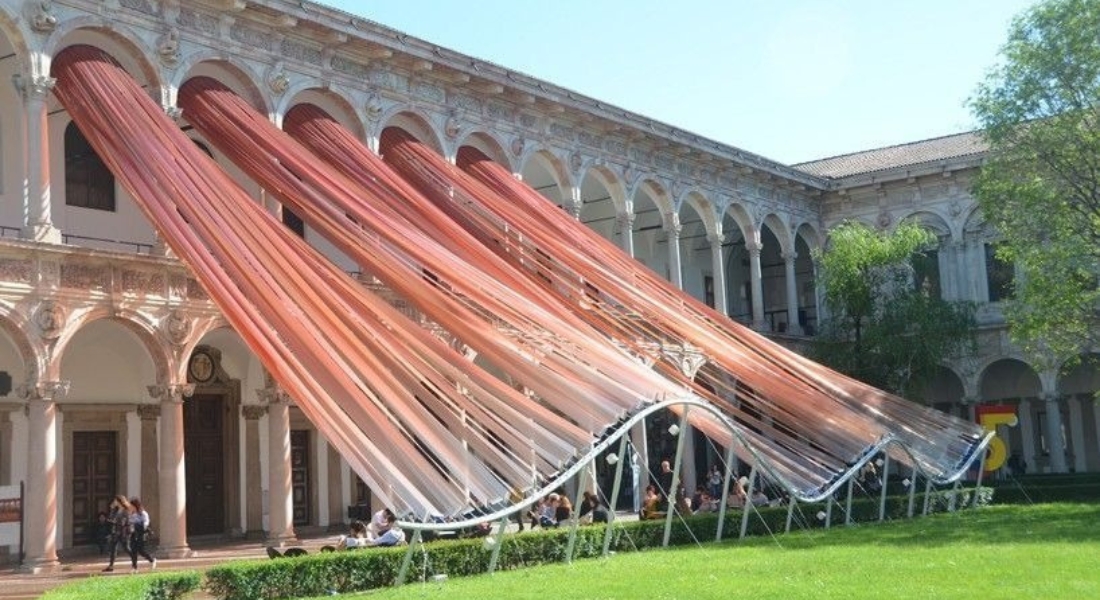
Fabric can do much more than cover a window or decorate a room. When given the space to move, it can become an important part of the architecture itself. Through pleats, folds, drapes and gathered details, simple textiles can transform a space, bringing softness and movement to materials such as stone, concrete and steel.
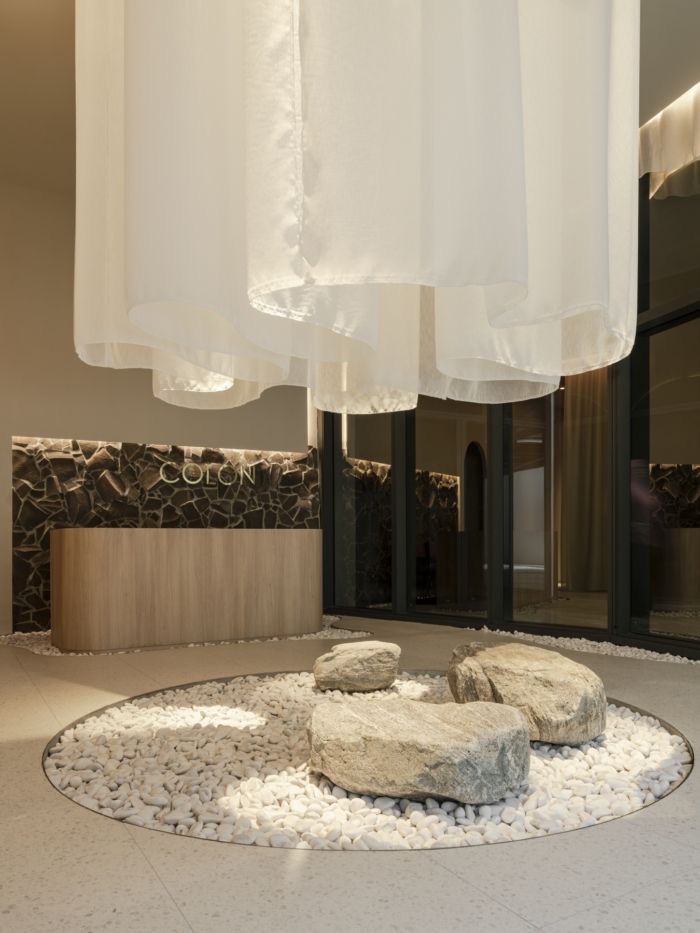
One of the most beautiful things about using fabric in interiors is the way it changes the atmosphere of a room. Unlike solid materials, textiles move gently, catch the light and create interesting shapes and shadows around the place. A large piece of fabric suspended from the ceiling can become a striking centrepiece, while floor-to ceiling curtains make a room feel taller, softer and more elegant. Even a simple drapes can add depth and character to a minimal space.
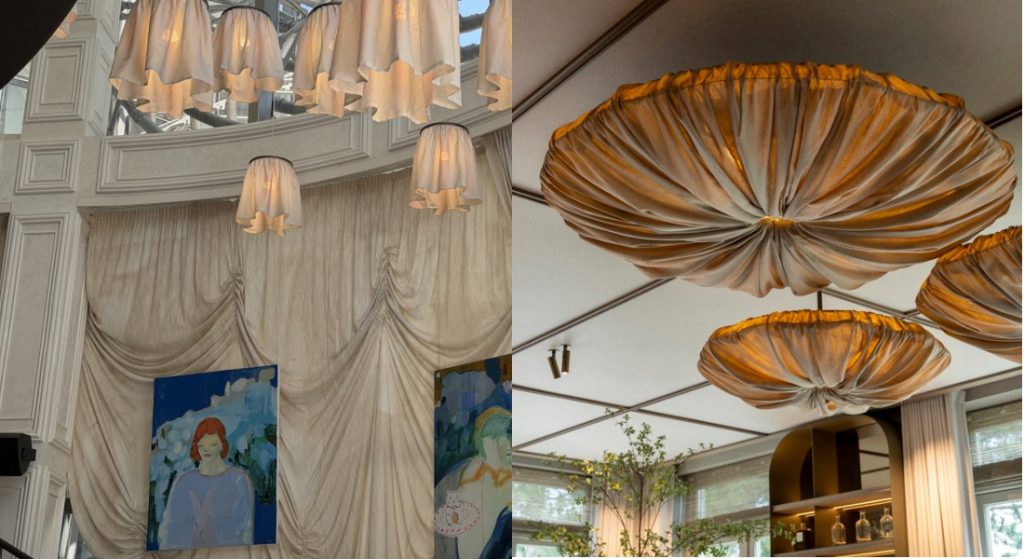
Designers are finding new and interesting ways to incorporate textiles beyond traditional curtains and upholstery. Fabric can frame a staircase, divide an open-plan room or create a smaller, more private space within a larger one. It can also turn an ordinary interior into something unexpected by adding a theatrical touch. The result is a balance between structure and softness where fabric becomes part of the design not just an accessory.
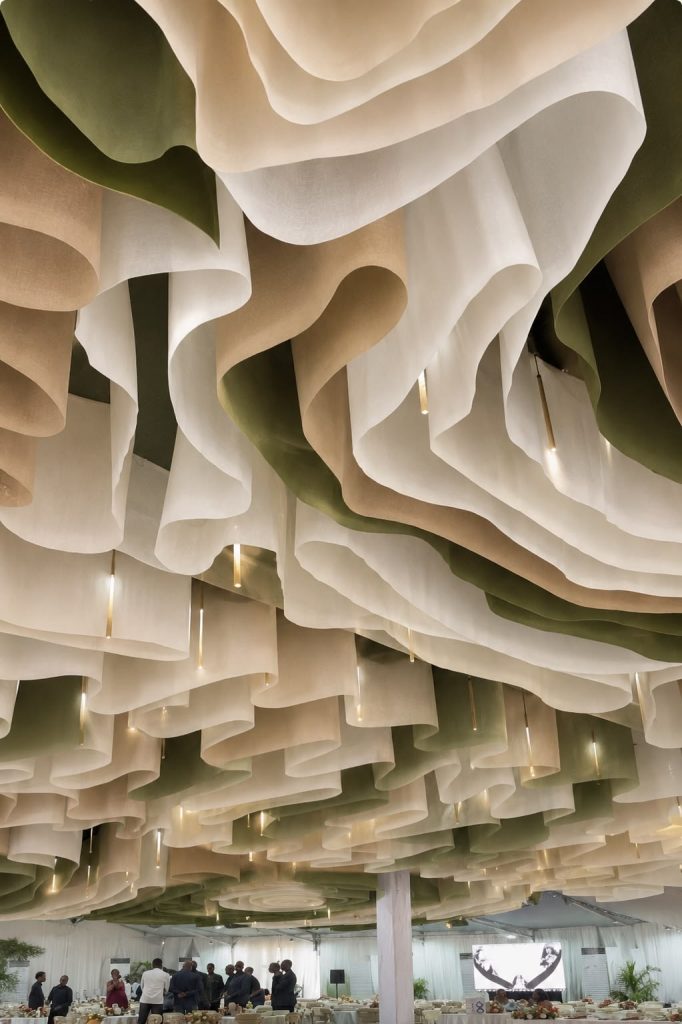
The choice of material makes a difference too, light, sheer fabrics allow sunlight to pass through, creating soft and airy atmosphere. Heavier textiles bring more drama specially with deep folds and rich textures that make a stronger visual statement. The way a fabric is arranged is as important as the material itself. Whether it falls freely to the floor or is carefully gathered into sculptural shapes.
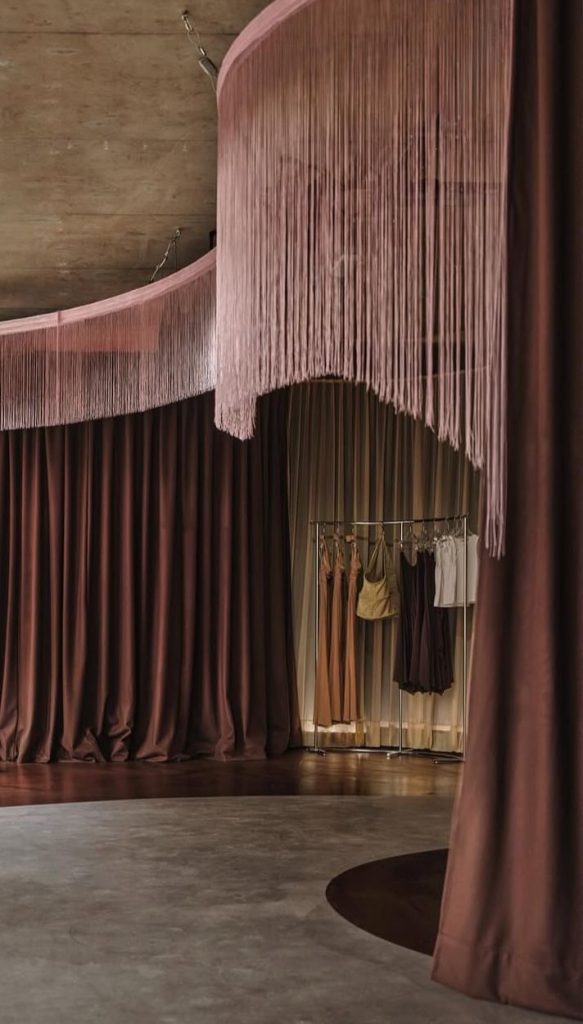
What makes this approach so appealing is its simplicity. Fabric can soften hard surfaces, change the way a room feels and introduce movement without the need for major structural changes. It shows that architecture does not always have to be rigid or permanent to make an impression. Sometimes all a space needs is a little fabric to become something extraordinary.