



Silk-like fibres grown in laboratories, leather alternatives made from fungi and textiles derived from seaweed. A closer look at the material innovations influencing the future of fashion.
Fabric is fundamental to fashion, determining how a garment falls, feels and moves. But some of the most interesting textile developments are happening far beyond traditional mills. Scientists, designers, and material specialists are experimenting with unexpected natural resources and advanced production techniques, creating fabrics that open up new possibilities for the industry. Here are five innovations worth knowing.
1. Fermentation-Derived Fibres
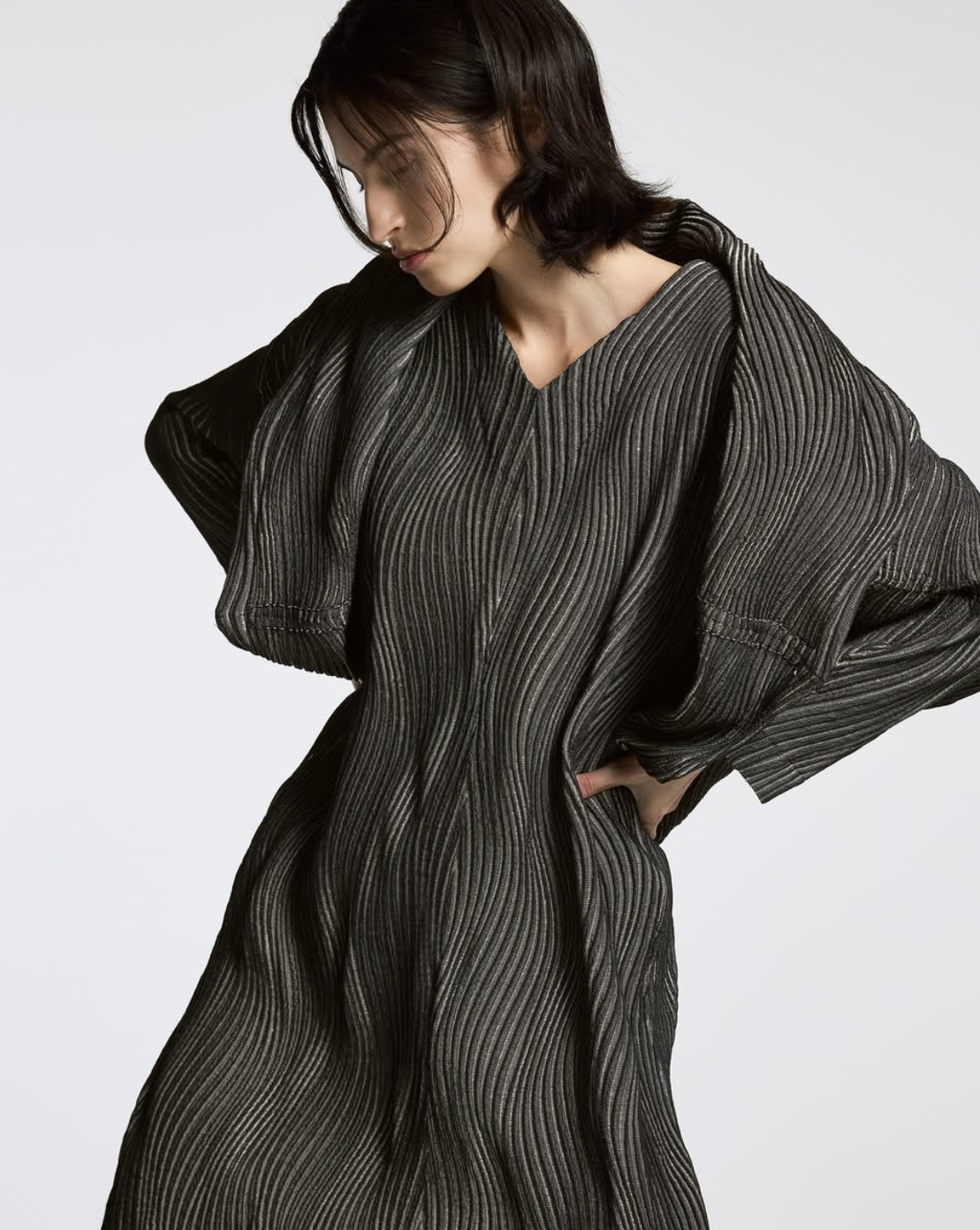
Japanese biotechnology company Spiber has developed Brewed Protein, a material produced through microbial fermentation that can be transformed into fibres with qualities associated with silk, wool and cashmere. Its versatility has attracted fashion designers such as Stella McCartney, Issey Miyake and Iris van Herpen. Spiber’s collaboration with the latter brought the material into haute couture in 2025, demonstrating its potential for highly experimental design.
Unlike conventional fibres, Brewed Protein can be engineered with specific characteristics in mind, giving designers greater flexibility in creating different textures and finishes. As development continues, it could become an increasingly important addition to the luxury textile industry.
2. Seaweed-Based Textiles
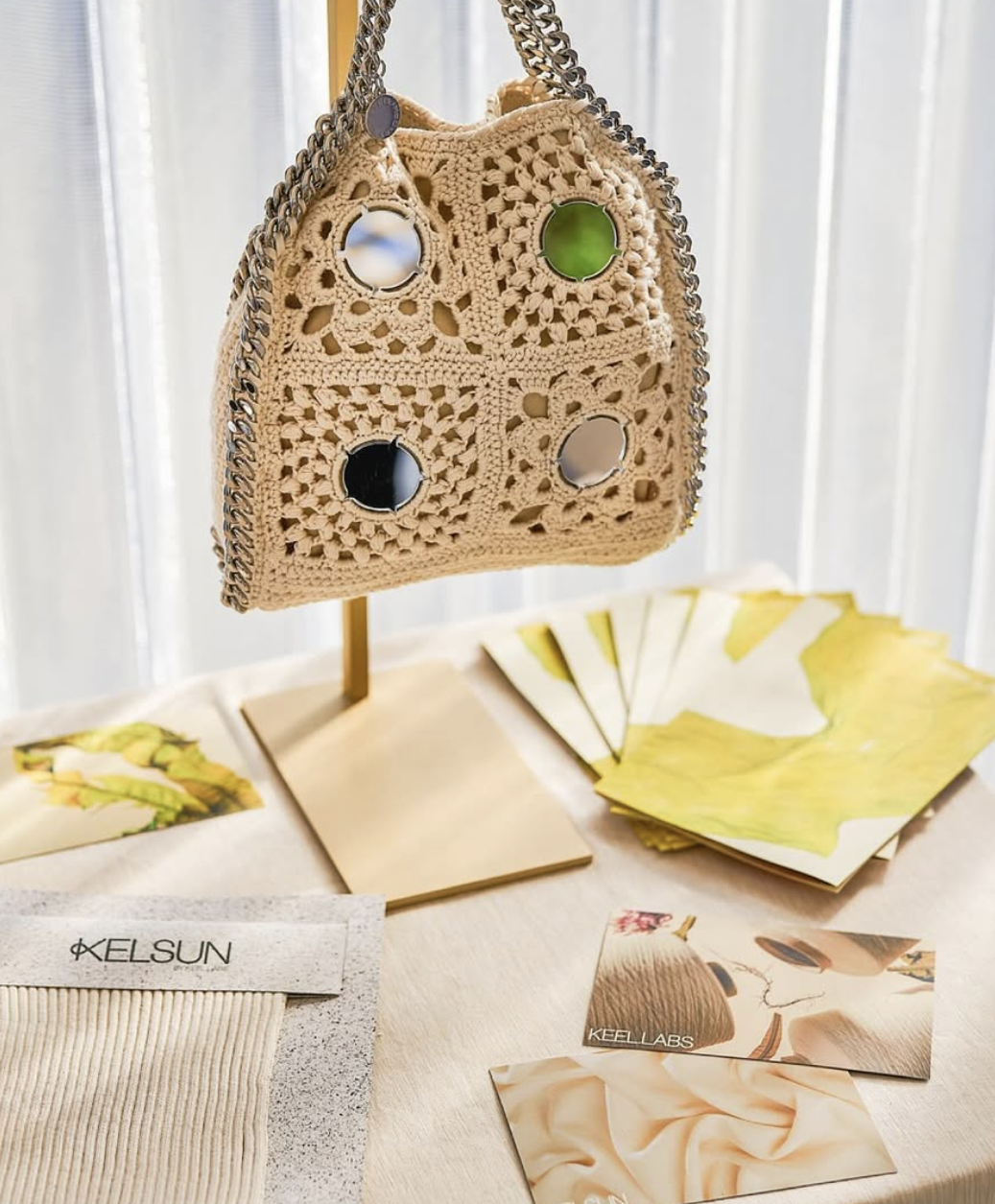
The ocean is emerging as an unexpected source of textile innovation. American materials company Keel Labs has developed Kelsun, a fibre made from seaweed-derived biopolymers, that can be turned into yarns and fabrics using standard textile machinery.
Seaweed grows rapidly without requiring agricultural land or freshwater irrigation, making it an interesting alternative raw material. Kelsun has already been developed into prototype garments, including a jersey T-shirt created with sustainability advocate Aditi Mayer.
The material’s potential extends to fashion, accessories, and interiors, and its compatibility with conventional manufacturing equipment could make the transition to seaweed-based textiles more practical.
3. Mycelium Materials

One of the most compelling innovations in luxury accessories comes from fungi. Mycelium, the network of fine, root-like structures fungi produce, can be cultivated into flexible sheets with properties similar to leather.
California-based MycoWorks has developed its Fine Mycelium technology to produce materials with controlled texture, strength and thickness. Its partnership with Hermès resulted in Sylvania, a mycelium-based material developed for the house’s Victoria bag.
What makes the technology particularly interesting is the ability to influence the material’s characteristics as it grows. Rather than simply reproducing existing leather alternatives, it enables new surface treatments and textures, with potential applications in handbags, footwear, and other leather goods.
4. Textile-to-Textile Recycling

Some of fashion’s most significant material innovations focus on what happens to clothing after it’s been worn. Textile-to-textile recycling aims to recover fibres from discarded garments and return them to production.
American company Circ is developing technology that separates cotton and polyester from blended fabrics, a combination that has traditionally been difficult to recycle effectively. The company can then recover both components and process them into raw materials for new textiles.
The approach is gaining attention as fashion brands look for ways to incorporate recycled fibres without compromising the quality and performance of finished garments. For an industry that produces vast quantities of textile waste, advances in this field could have considerable implications for future manufacturing.
5. Banana Plant Fibres

Banana plants might seem an unlikely starting point for luxury accessories, but Bananatex has demonstrated the potential of abacá, a plant cultivated in the Philippines.
Developed by Swiss accessories company QWSTION alongside specialist manufacturing partners, Bananatex is a durable, plastic-free textile made using fibres extracted from abacá plants. The resulting fabric has a distinctive canvas-like texture and can be used for bags, accessories and other design applications.
Stella McCartney has already incorporated Bananatex into its accessories collections, including a series of tote bags. Its natural appearance and practical durability make it particularly suited to structured designs, while its production draws on established plant-fibre processing techniques.