


With its December opening now in sight, fresh architectural details and the first exhibition announcement are bringing Frank Gehry’s long-awaited museum closer to reality.
After two decades of anticipation, Guggenheim Abu Dhabi will open its doors on December 11, 2026. Located within the growing Saadiyat Cultural District, the museum has been one of Abu Dhabi’s most closely watched cultural projects since its announcement in 2006. Now, with opening day approaching, a much clearer picture is emerging of what visitors can expect.
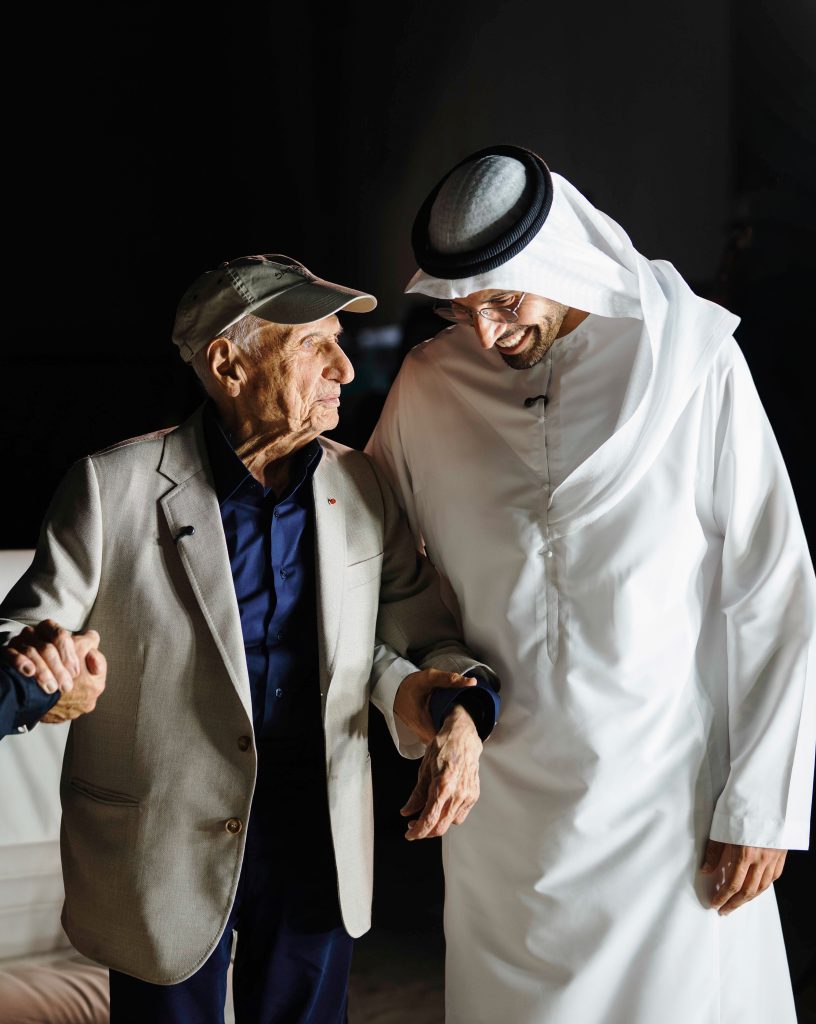
Designed by the late Frank Gehry, the museum is set to become the largest institution in the Guggenheim network. But this is not simply another iteration of the architect’s unmistakable sculptural style. Gehry and his team spent considerable time studying Abu Dhabi’s landscape, climate and coastline, shaping a building intended to respond specifically to its setting.
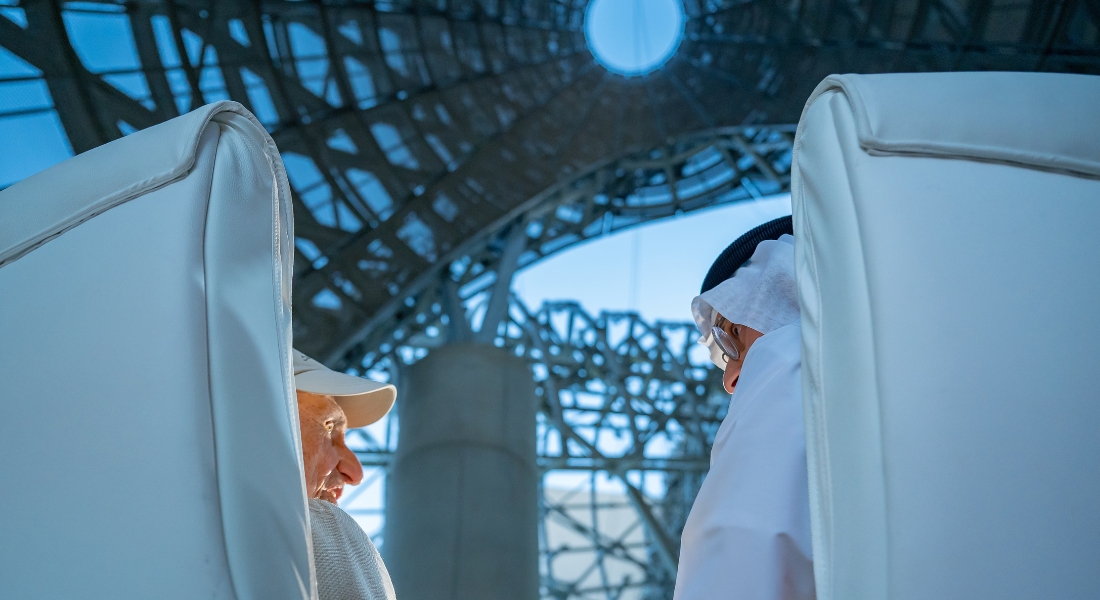
Ten monumental cone-like structures are among its most recognisable features. Nine are wrapped in stainless-steel mesh, with another constructed in onyx and glass. Their dramatic appearance has a practical purpose, creating shade and helping air circulate through the museum’s terraces and courtyards. Indoor galleries are complemented by significant outdoor exhibition space, allowing the building to make use of its position between land and sea.
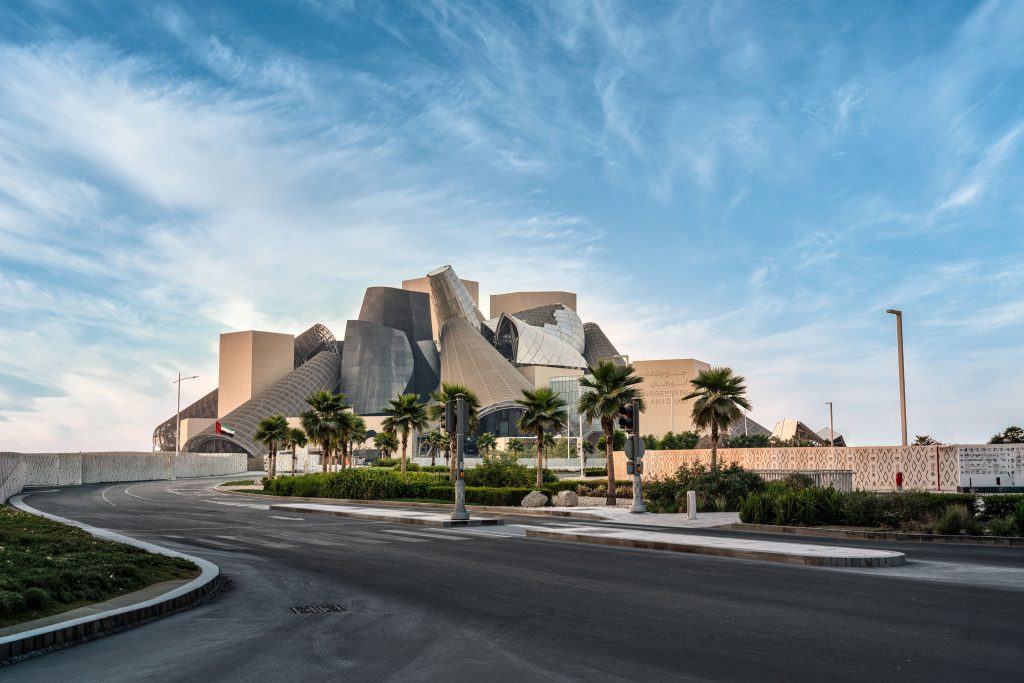
The latest architectural details put the museum at approximately 84,000 square metres, with 11,600 square metres of interior gallery space and a further 23,000 square metres dedicated to outdoor exhibitions. The scale is considerable, although Gehry’s design also considers how visitors move through it, using courtyards, shaded areas and changing volumes to break up the experience.
One of the first exhibitions confirmed for the inaugural programme will turn attention back to the architect himself. Dedicated to Gehry and the evolution of Guggenheim Abu Dhabi, it will bring together original sketches, early hand-built models and archival material, offering a look at how the building developed in response to its location. It takes on added significance following Gehry’s death before the museum’s completion.
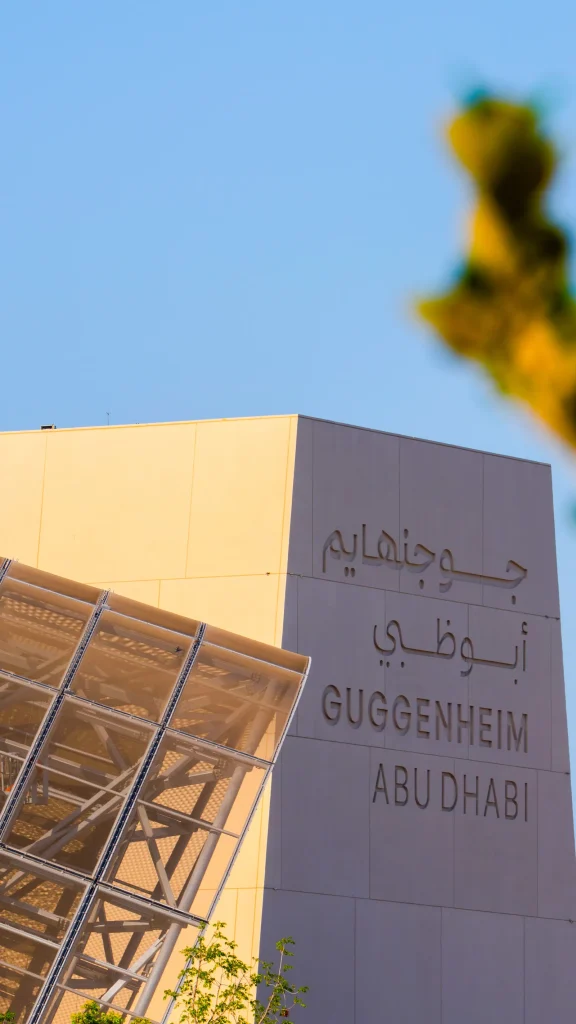
The wider opening exhibition programme has yet to be fully revealed, but the collection strongly indicates the museum’s ambitions. Developed since 2009, it focuses largely on art from the 1960s onwards and deliberately avoids presenting modern and contemporary art through a predominantly Western chronology.
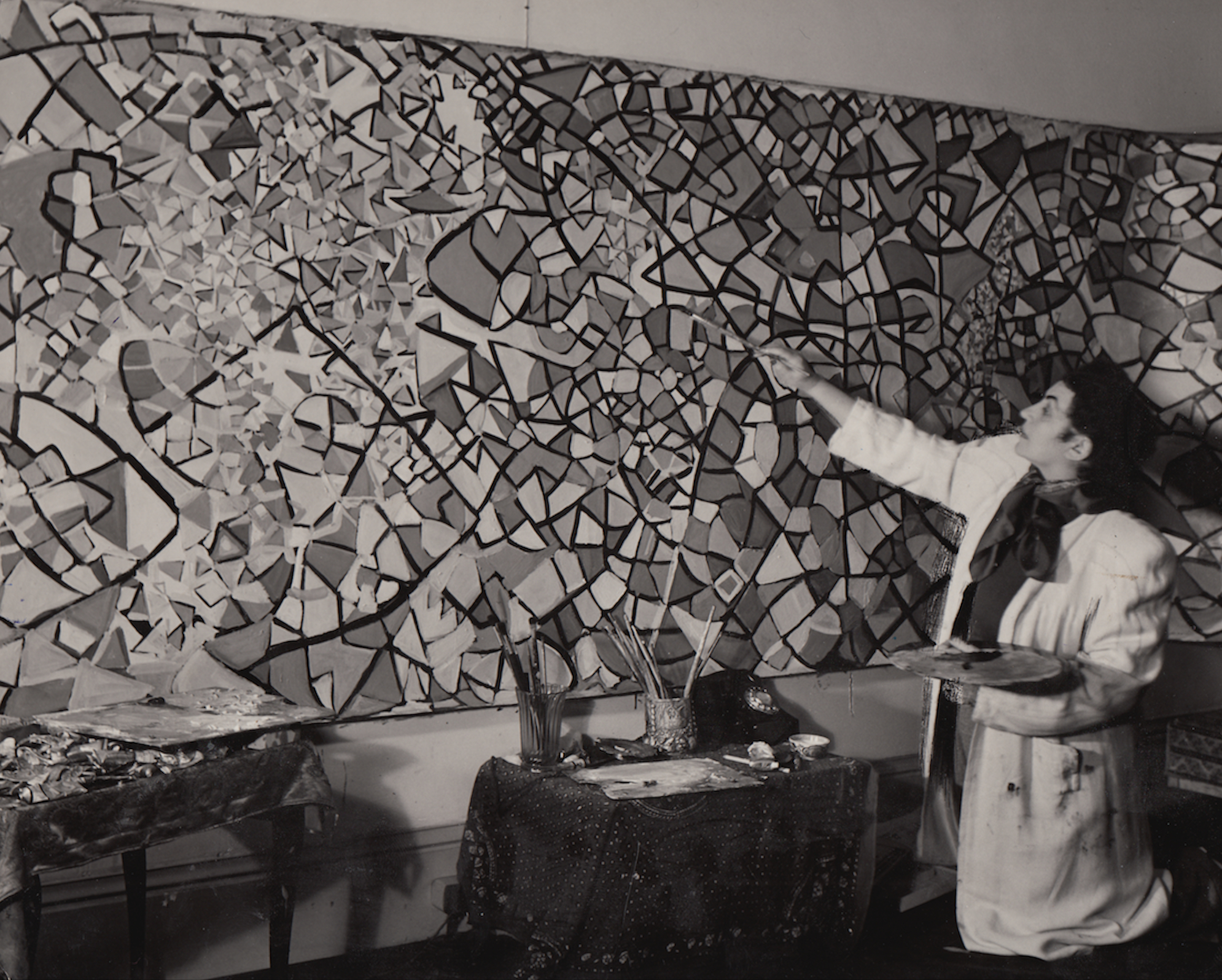
Instead, works from West Asia, North Africa and South Asia will sit in dialogue with major international figures. The collection includes artists such as Jackson Pollock, Mark Rothko, Andy Warhol, Jean-Michel Basquiat, Yayoi Kusama and Anish Kapoor, alongside important regional voices including Hassan Sharif, Mohammed Kazem, Samia Halaby, Ibrahim El-Salahi and Monir Shahroudy Farmanfarmaian.
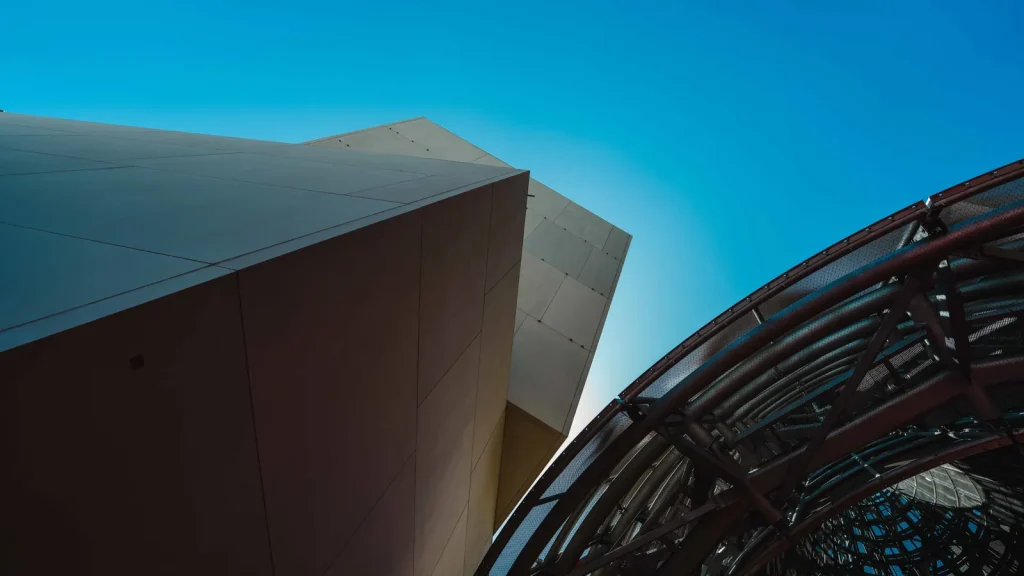
Guggenheim Abu Dhabi will explore broader ideas surrounding art and culture, including abstraction, storytelling, materiality and popular culture. It is an approach that should give the museum its own identity within the wider Guggenheim family.
There is still plenty to be announced before December, particularly more details of the inaugural exhibition programme and which works will be on view first. But after years of existing largely as an architectural promise, the museum is finally coming to life.