



WORDS BY MARK EKE
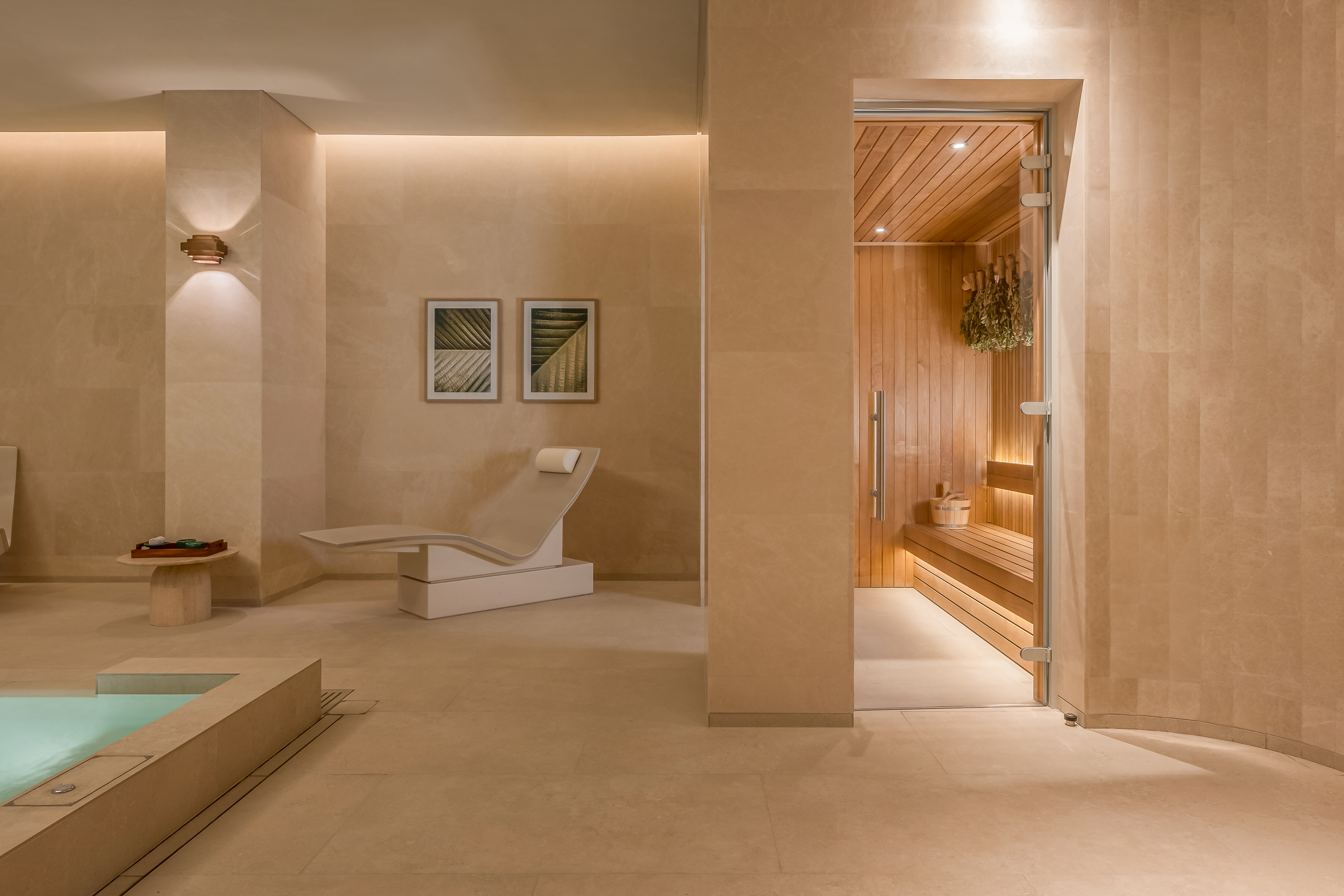
I arrived at Banyan Tree Dubai on a work call, trying to solve a problem before I had even properly stepped through the doors. It felt almost embarrassingly appropriate. There I was, checking into a hotel for the express purpose of slowing down, while still moving at exactly the pace I was supposedly trying
to escape. I barely registered the beautiful welcome – a chilled hibiscus tea, a cool towel – before rushing off to the spa because, naturally, I was already late.
Living in Dubai, I have become accustomed to operating this way. There is always somewhere to be,
something that needs answering, another meeting, dinner or deadline waiting on the other side of whatever you are currently doing. Even rest can begin to feel scheduled. You move from one thing to the next so quickly that eventually you stop noticing how rarely you are actually still.
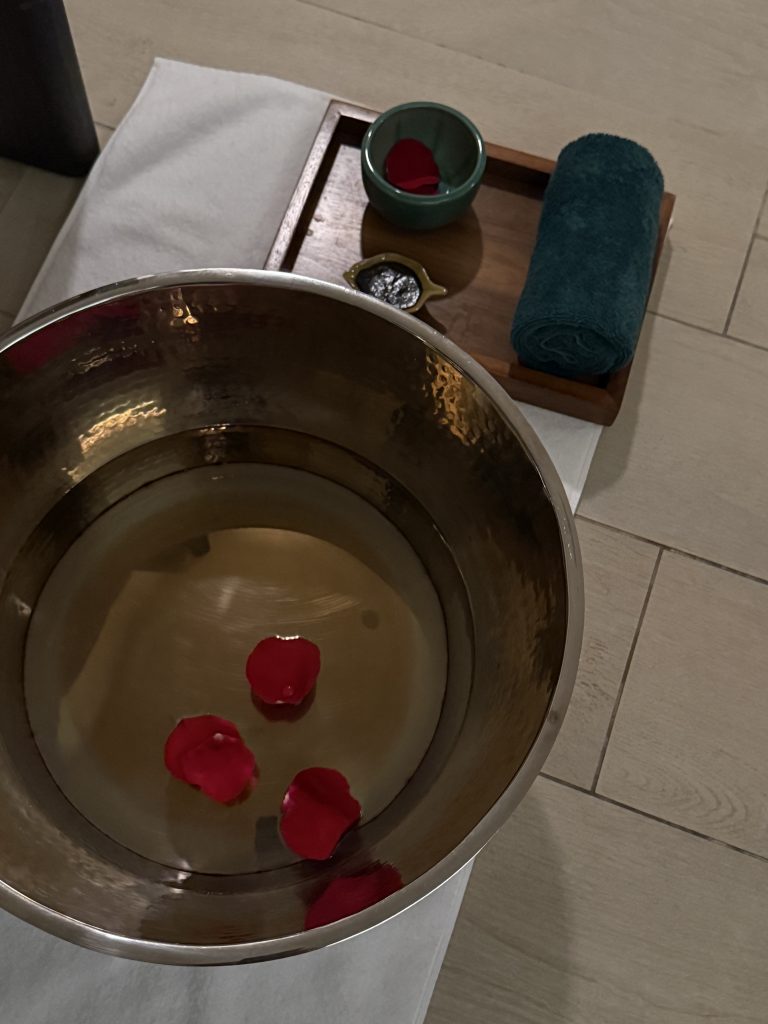
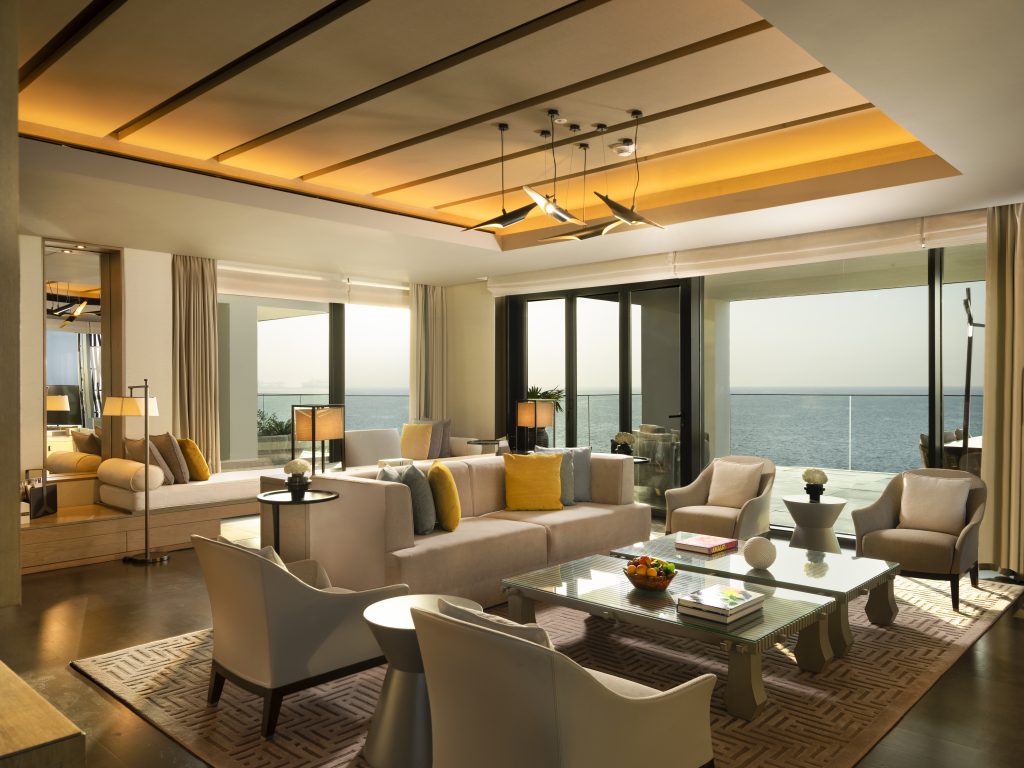
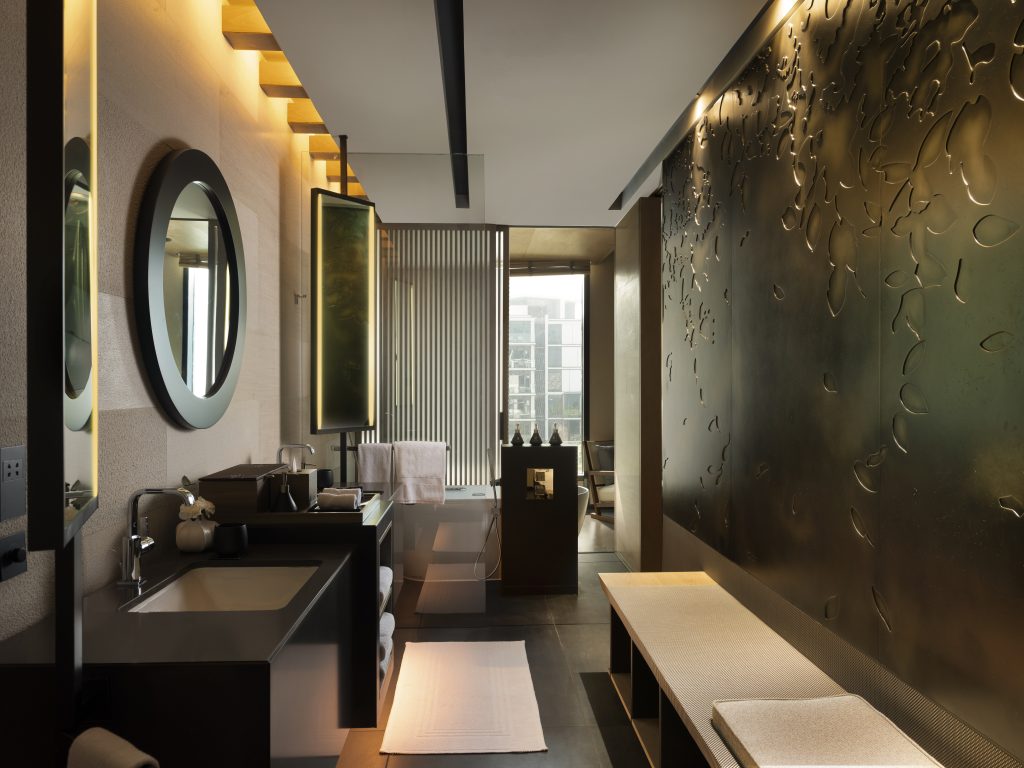
It wasn’t until after my 60-minute Deep Tissue Massage, when I finally checked into my suite and closed the door behind me, that I felt the shift. The room had that rare quality hotels often try to manufacture but very few actually achieve: it felt immediately lived in. Less like somewhere I was staying for the night and more like somewhere I could genuinely retreat to. There was an incense burner waiting in the corner, a beautiful view of the ocean, and a sense of restraint to the space that felt distinctly Banyan Tree. Even the environmental consciousness woven into the experience made the luxury feel considered rather than excessive. Nothing felt there simply for the sake of having more.
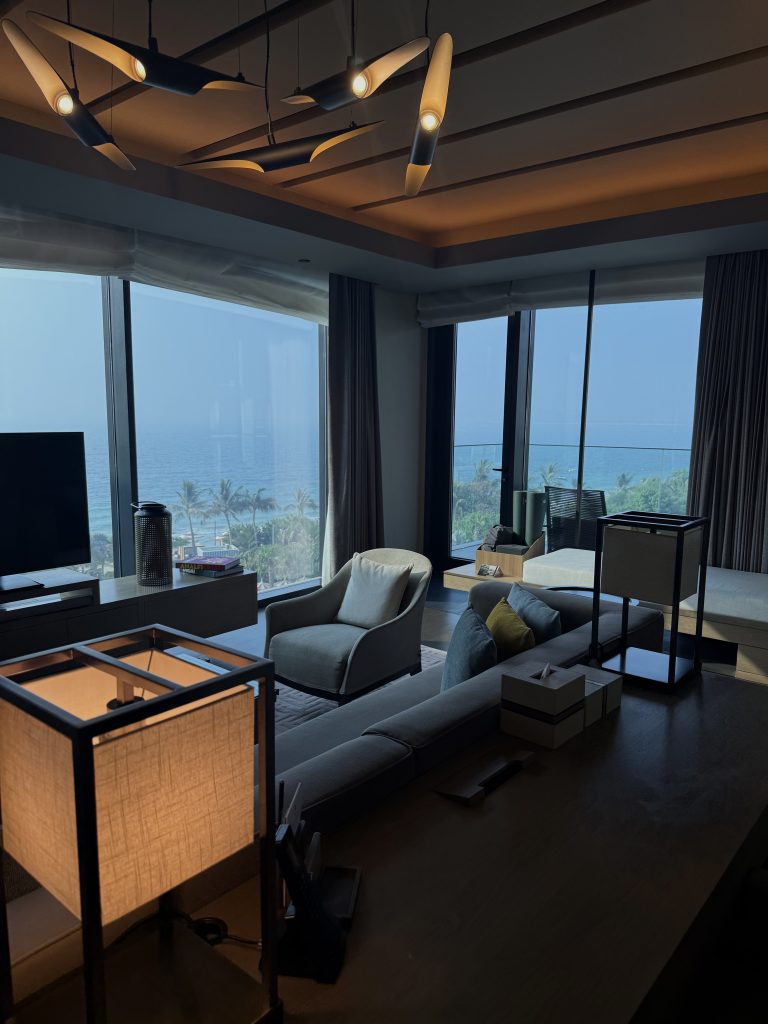
For the first time that day, there was nothing immediately demanding my attention. My brain seemed to go quiet. I remember thinking that this was one of those rare occasions when the phrase ‘home away from home’ actually made sense. I could shut the door, burn the incense, settle into the room and genuinely disappear for a while. And it made me realise that what I wanted from the weekend was not really an itinerary at all. I wanted to see what happened when I stopped filling every available space. So, for once, I did exactly just that.
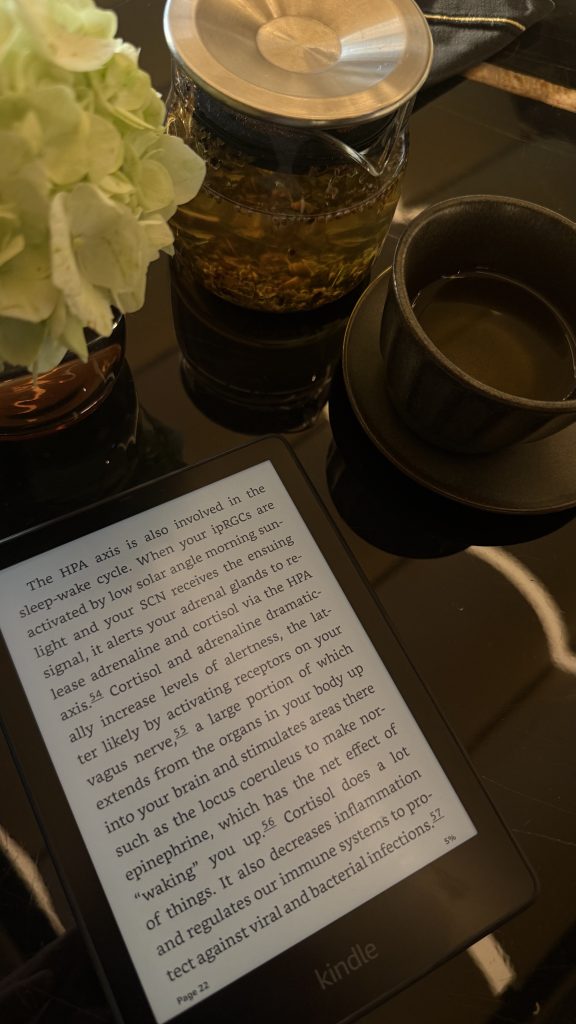
One of those quieter moments came over afternoon tea in the lobby. I ordered Banyan Tree’s signature
Feel Good tea, a blend I had also been offered at the spa, and there was something about encountering
it again that made it feel almost ritualistic – a small thread running through the stay. I sat there for far
longer than I normally would, working my way through the tea and catching up on a book I had been meaning to start, Andrew Huberman’s latest book: Protocols. There was something almost comically fitting about reading about sleep, recovery and the systems that regulate the body while actively attempting to regulate my own. I wasn’t reading between appointments or trying to squeeze a chapter before going to bed. I could simply sit there and finish a page without wondering what came next.
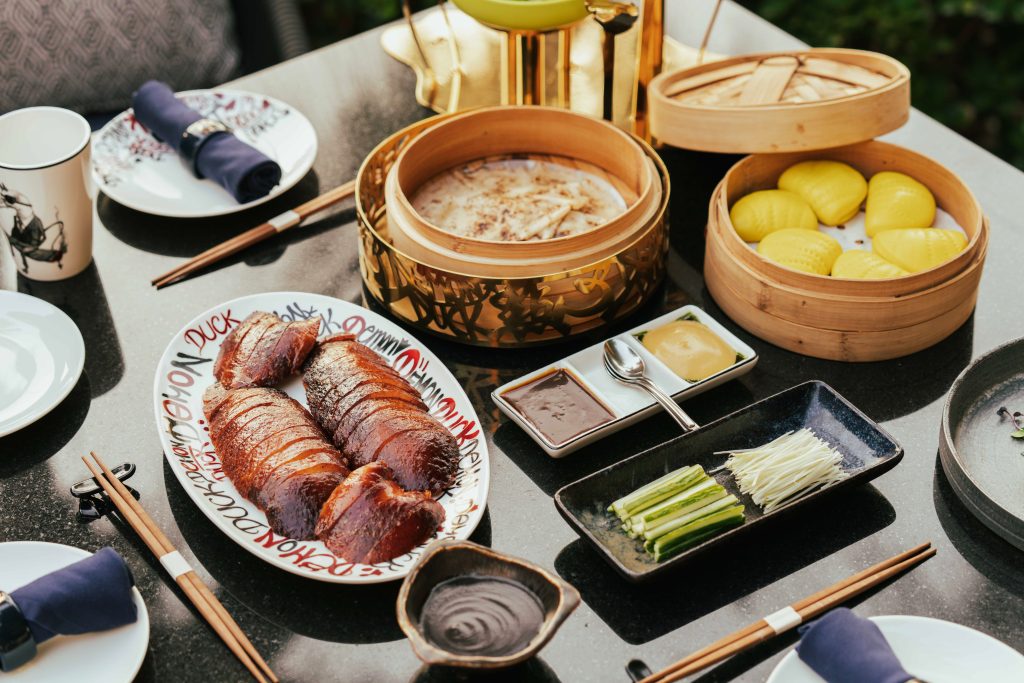
That same feeling carried into dinner at Demon Duck, where I met my best friend for the evening. We
dressed up, sat down properly and gave ourselves the night. The restaurant, created by Michelin-starred chef Alvin Leung and recognised by the Michelin Guide, was one of the biggest surprises of the stay -genuinely one of the best meals I have had in Dubai. The food was playful and incredibly well executed, but what I remember just as clearly is the feeling of being there: catching up properly, ordering another dish, lingering at the table and not thinking about what came afterwards. It reminded me that stillness does not always have to look like solitude. Sometimes it is being so present in a conversation that you forget to check the time.

The following day, I did something I am strangely reluctant to do despite living beside the sea: I took a beach day. No plans, no agenda. Just time beside the water, which was impossibly clear and blue, before moving to the pool and continuing to read. It sounds remarkably simple, because it was. And perhaps that was the point.
By then, I had started to understand that stillness is not necessarily silence, isolation or doing absolutely nothing. Sometimes it is simply the absence of urgency. A meal you do not rush through. A book you read without checking the time. An afternoon with nowhere else to be. A hotel room that, for a night,
feels enough like home that you stop thinking about leaving it.
What I needed, more than anything, was to switch off that constant sense of urgency – the feeling that there was always something to solve, answer or move towards. To let my nervous system come out of fight-or-flight mode and stop treating every moment like it required a response.
By the end of the stay, I hadn’t discovered some revolutionary new way to rest. I had simply
remembered what it felt like to exist without urgency attached to it. And maybe that is the case for stillness: sometimes the most restorative is create enough space for the body to understand that it is
safe to switch off.