


Across the UAE, designers are proving that sustainable architecture does not need to look imported. By working with palm trees, reclaimed timber, desert climate strategies and regional craft, they are creating spaces that use fewer resources while feeling deeply connected to the region.
Here are the architects leading with intentional, environmentally friendly designs.
Abdalla Almulla – MULA
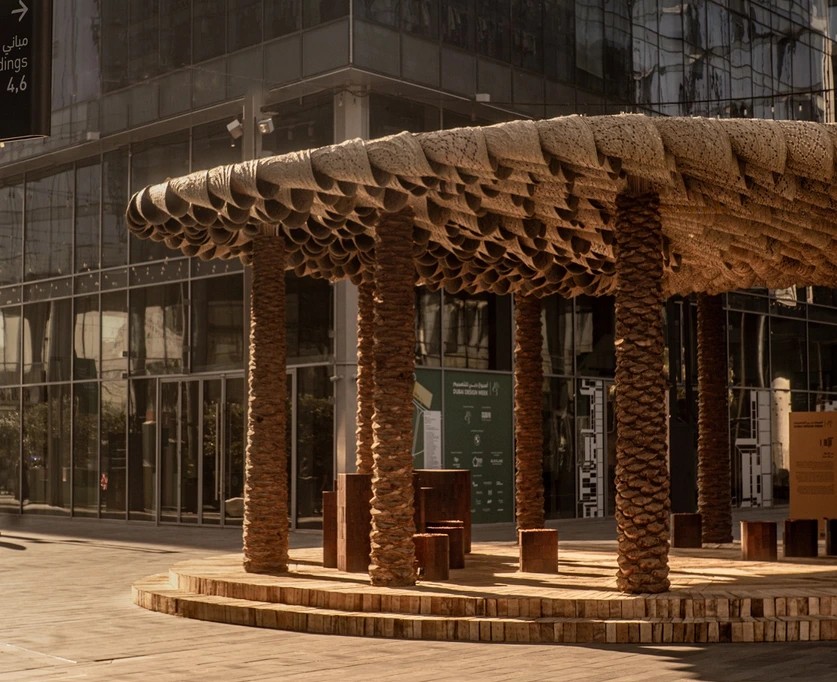
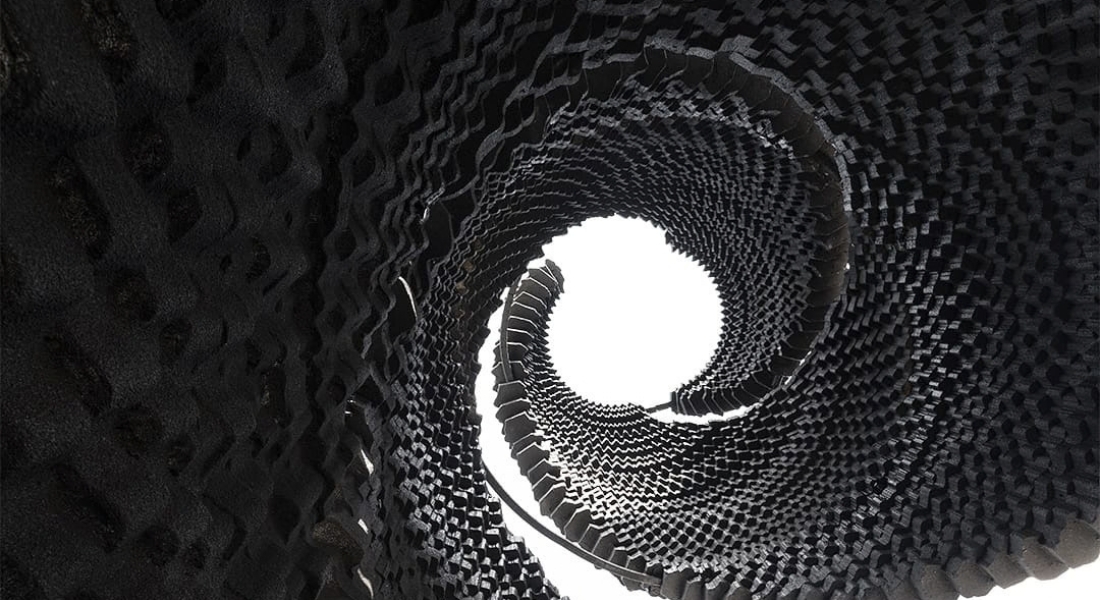
Almulla centres sustainability on the UAE’s date palm, a local resource with a long history of providing shelter, food, fuel and craft material. His 2023 Dubai Design Week pavilion, Of Palm, is the best expression of this approach. Rather than treating a natural material as a texture finish, Almulla turned it into an architectural system, demonstrating how a locally rooted material can operate structurally, spatially and culturally.
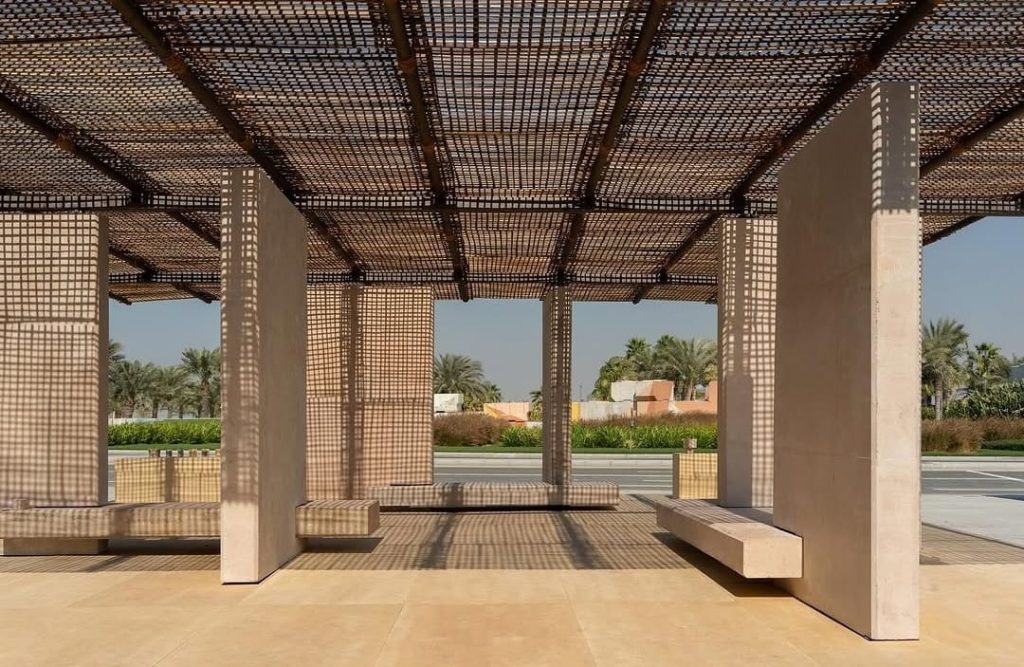
His more recent Stoot pavilion, created with materials innovator Oxara, uses a low-carbon binder that substitutes for conventional cement, emitting less carbon while repurposing Dubai’s construction waste. Together, the two projects showcase MULA’s sustainability practice rooted in material experimentation.
Rattha Studio
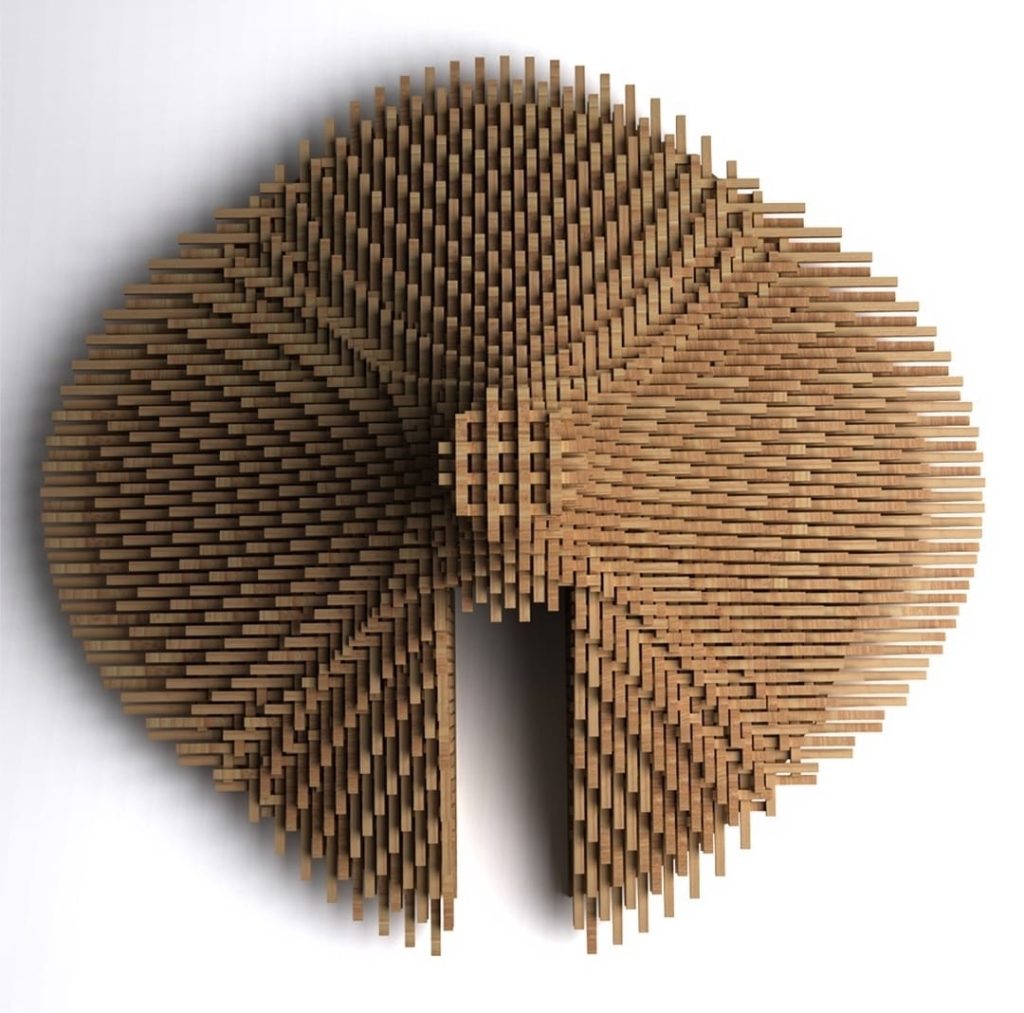
Led by architect and artist Sahil Rattha Singh, Rattha Studio views sustainable design through the overlap of craft, environmental knowledge and circular construction. The studio’s signature example is Naseej, designed in collaboration with Alzaina Lootah. Constructed using recycled timber, it’s deliberately designed for disassembly, intended to be dismantled without turning its materials into waste.
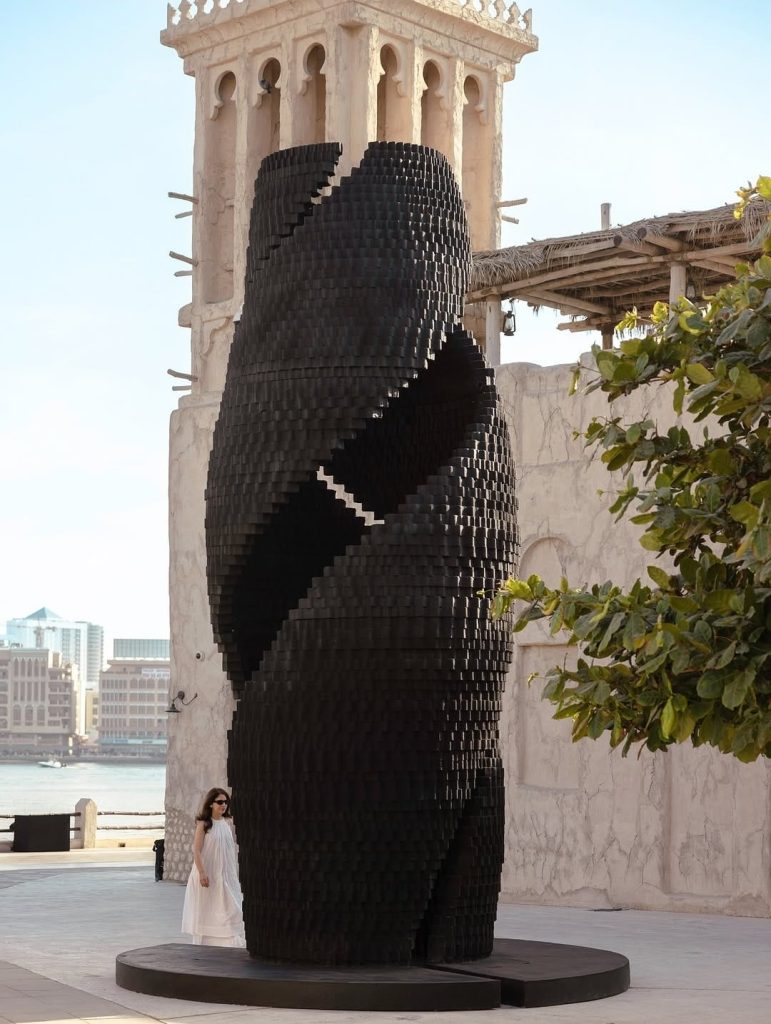
Rattha Studio’s 2025 installation Sikham, shown at Sikka Art & Design Festival, is an extension of the studio’s interest in local environmental practices. The studio reimagines and reworks Bedouin techniques in a contemporary sculptural form. In Rattha Studio’s work, sustainability is therefore not just about carbon or recyclability; it is also about preserving regional knowledge.
Ahmed Bukhash – Archidentity
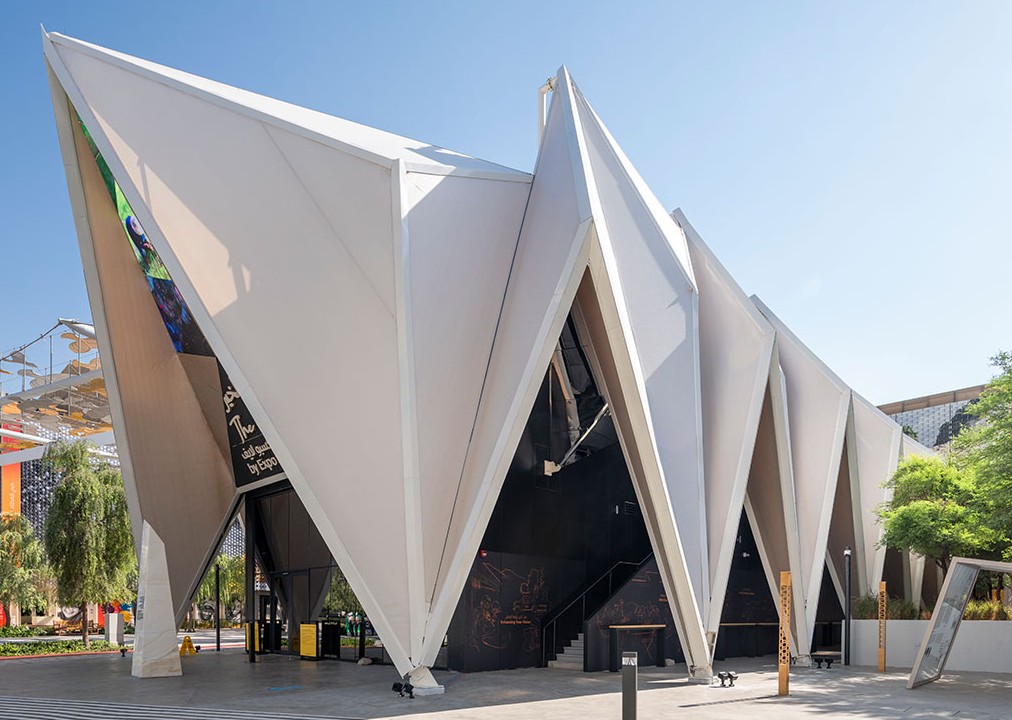
Archidentity focuses on climate-responsive architecture inspired by Gulf local traditions. Bukhash believes that traditional spatial and environmental designs offer viable answers to climate change, and his practice applies that thinking through natural ventilation, shade, solar control, and daylighting.
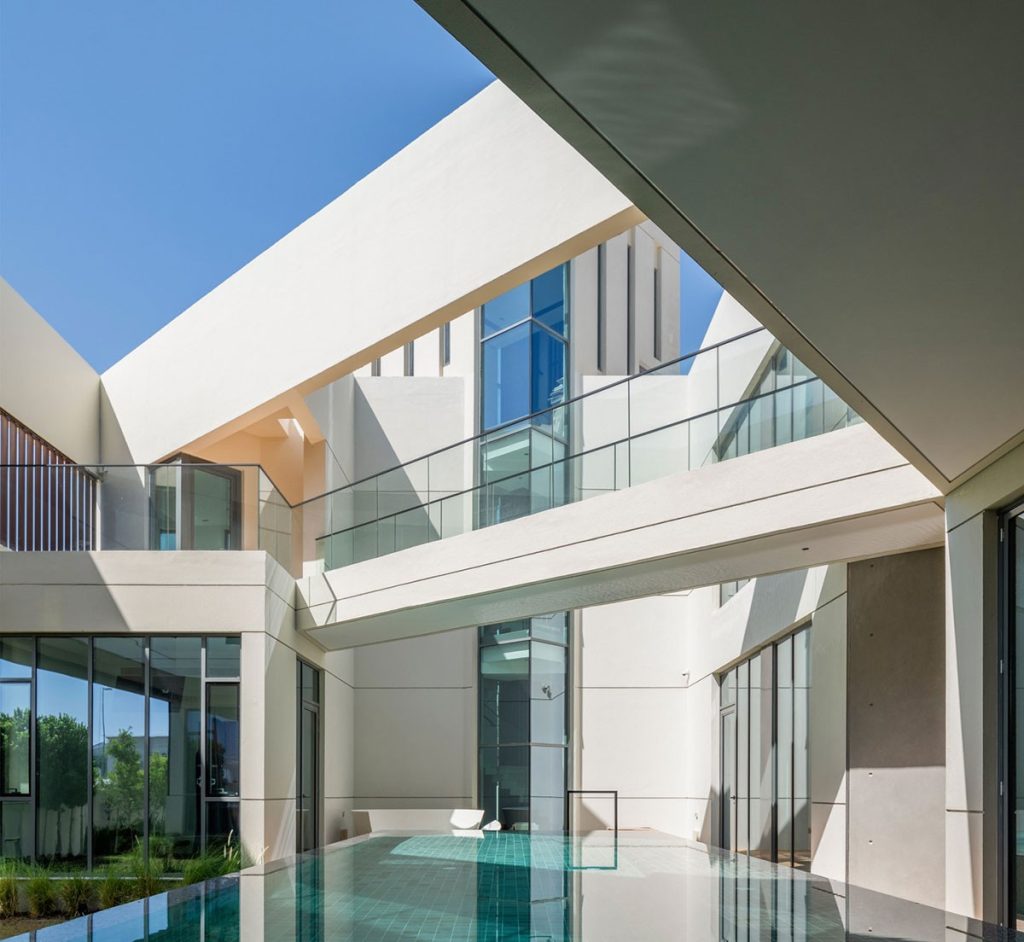
Archidentity’s The Good Place, designed for the Expo 2020 Dubai pavilion, carried this approach into a contemporary interpretation of the Bedouin tent. Bukhash’s recent residential work, including AB House, combines modern, minimal Gulf vernacular techniques with low-emission design. These designs do not merely treat green technology as add-ons but are led by comfort elements like shade, airflow, and material performance.
Dabbagh Architects
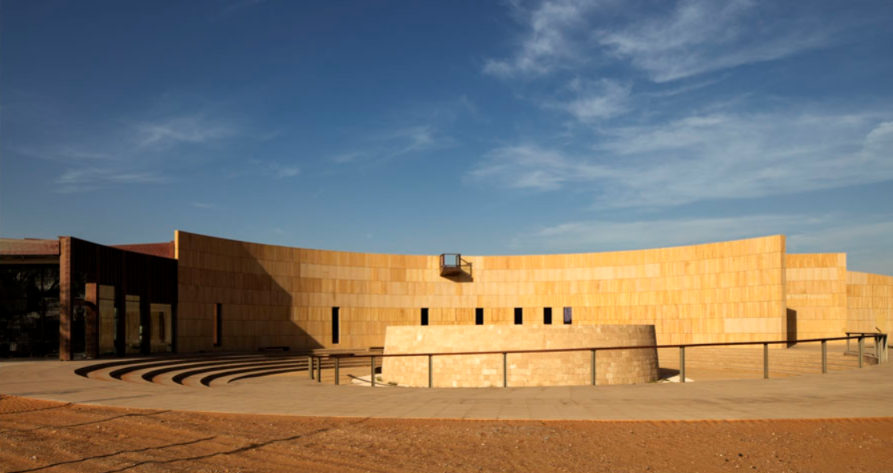
Founded by Sumaya Dabbagh, Dabbagh Architects treats sustainability as part of cultural continuity and environmental responsiveness. The studio’s work prioritises locally manufactured, eco-friendly materials. The Mleiha Archaeological Centre in Sharjah is one of its most compelling works. Designed as part of an ecotourism initiative, the building’s design protects interiors from the desert sun, small, strategically placed openings admit daylight, and recyclable copper, recyclable linoleum, and regionally sourced sandstone ensure durability, lower maintenance and material responsibility.
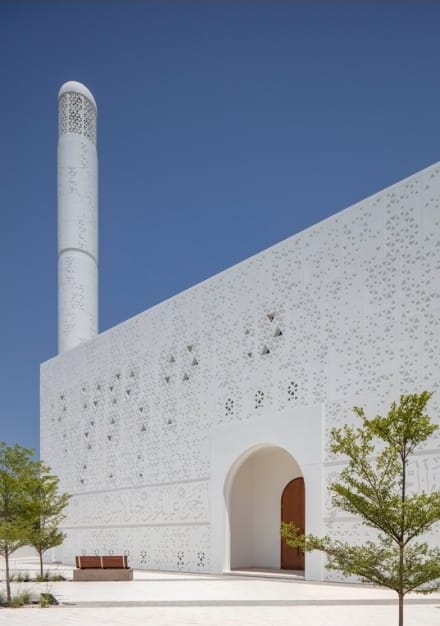
The Gargash Mosque in Dubai advances the same local-materials ethic at a different scale. Dabbagh’s sustainability is therefore not merely about reducing energy; it is about building a more locally embedded architecture whose materials, craft and identity can endure.