



WORDS BY MILO RADONJÍC
PHOTOS: Marco’s archive
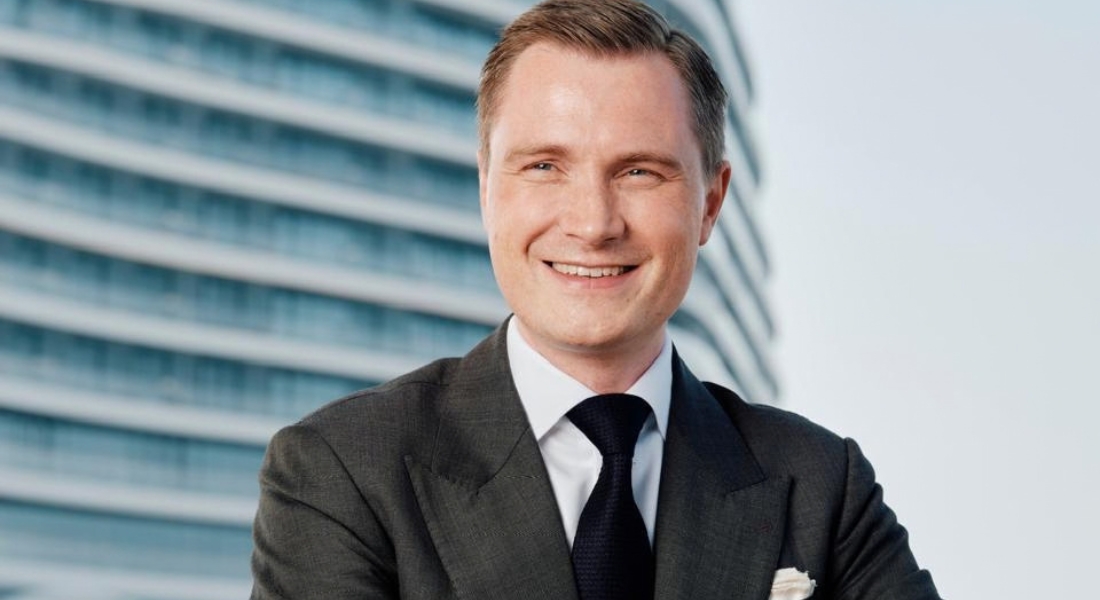
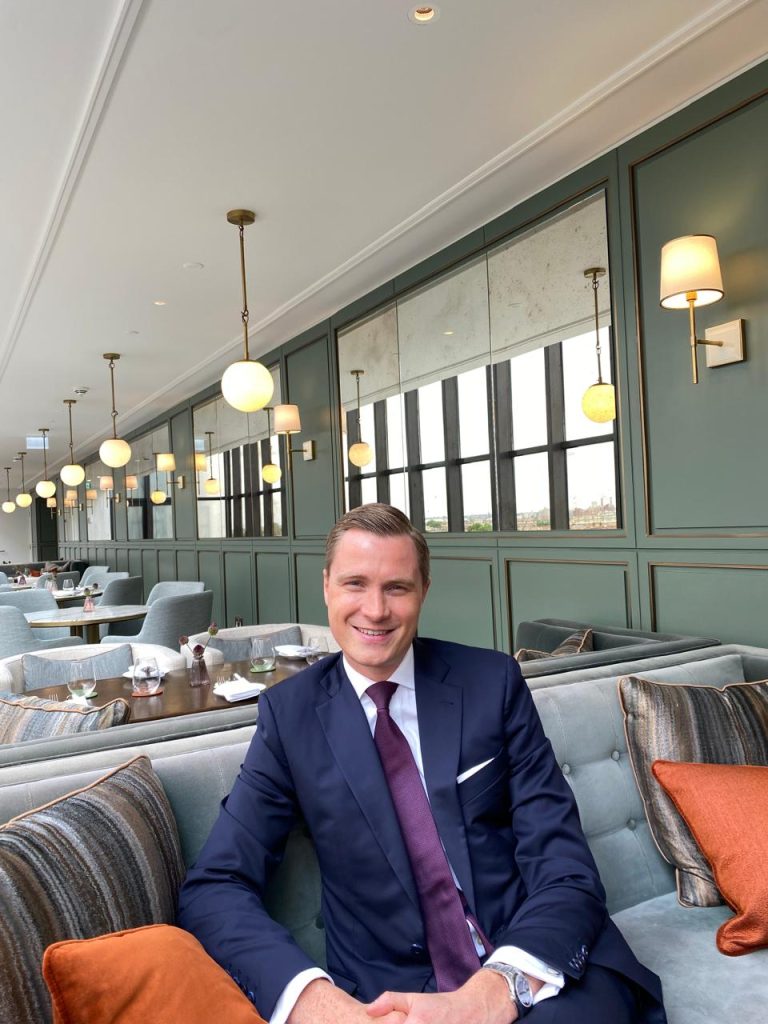
Marco Kuefner has spent two decades learning the art of looking after people, from his first job in a small Italian café at 15 to an international hospitality career spanning Germany, the US, Hungary, Hong Kong, Russia, London and Dubai. Having been part of the team behind the opening of Jumeirah Marsa Al Arab, he knows what happens behind the scenes of some of the world’s most ambitious hotels, but his philosophy remains refreshingly human: exceptional hospitality is about how people make you feel. We sit down at Bisou in Dubai to talk about the details guests notice, the ones they don’t, the fine line between service and genuine care, the requests that seem impossible until someone makes them happen, and why, in a city built around the idea of more, the future of luxury may be about understanding what truly matters.
Some people arrive in hospitality by design. Others arrive almost by accident and discover that they have found the place they were meant to be. Marco Kuefner was 15 when he took his first job in a small Italian café. The motivation was straightforward enough: he wanted to buy a Vespa.
The Vespa, however, never became the story.
“Probably before the first day,” Marco tells me when I ask when the Vespa became less important than hospitality. “I just didn’t know it yet.”
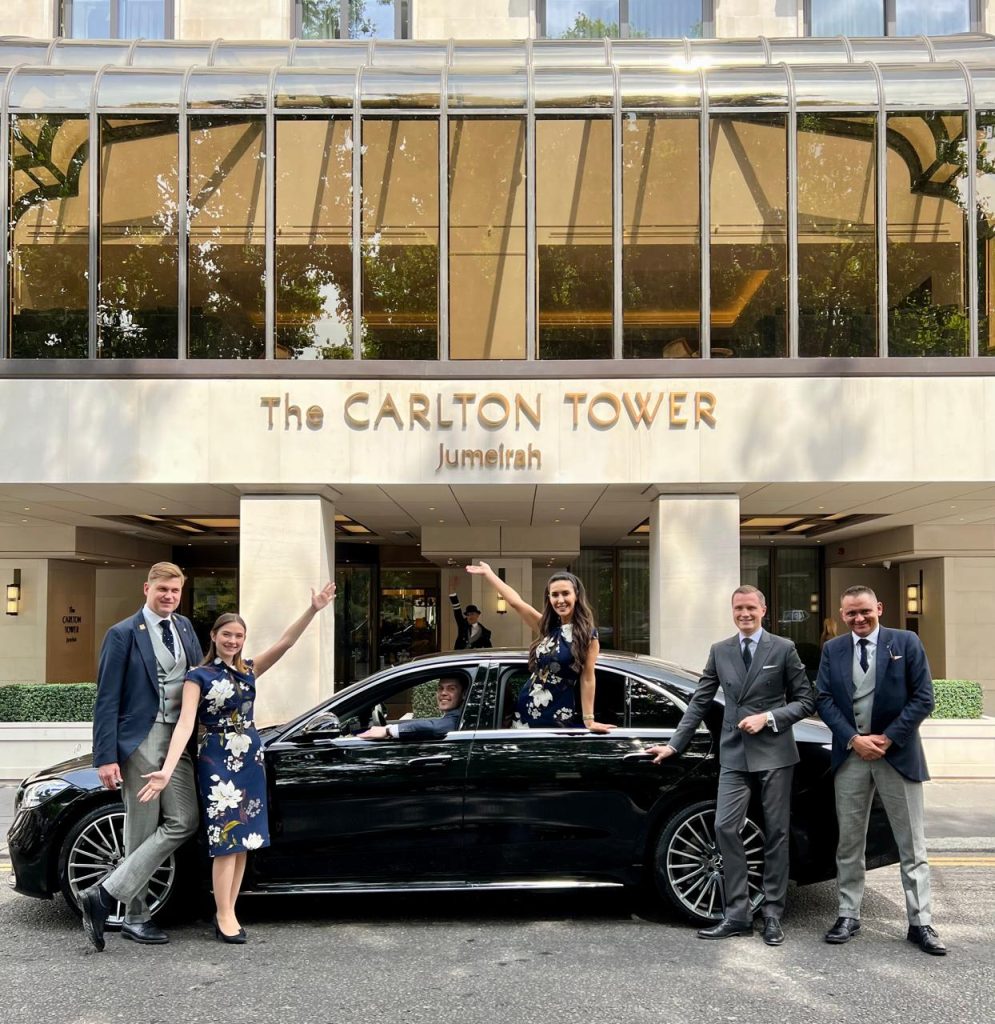
His answer takes us somewhere much earlier, to childhood memories of his parents welcoming family and friends into their home, making sure bellies were full, glasses never empty and everyone was looked after. It was, he says, an early education in the art of hosting.
“That art of hosting, generosity and truly looking after one another most certainly left a mark on me.”
Twenty years later, that instinct has taken him across Germany, the United States, Hungary, Hong Kong, Russia, London and now Dubai, where he has become part of a hospitality landscape known for ambition, scale and an almost relentless pursuit of excellence.
But after all those countries, hotels, guests and extraordinary requests, his definition of luxury remains surprisingly human.
It begins with care
“What stands out to me,” Marco says, “is when you feel truly and genuinely cared for.”
Not necessarily grand gestures. Not necessarily an upgrade, a spectacular suite or something that arrives with a silver tray. Small things.
“Something considered because of your time. Something remembered because of a preference. A gesture of kindness that nobody had to make, but somebody chose to”, he says.
He tells me about one of the early stories of his career. A guest had left a hotel and, several hours later, after driving 300 kilometres to another property, realised she had forgotten her insulin. The colleague who received the call was finishing his shift. He could have passed the responsibility on. Instead, he took one of the hotel cars and drove the insulin to her.
Marco still remembers the story. “It’s a beautiful act of selflessness,” he says. “To simply care deeply for a guest far beyond the call of duty.”
And perhaps that is where the distinction between hospitality and luxury begins.
The things we take home
We move on to one of the more entertaining rituals of hotel life: what exactly are guests allowed to leave with?
The stationery? The pen? The slippers? The bathrobe? The pillow?
Marco laughs at the premise, but his answer is surprisingly simple.
“If it’s consumable or personalised, it’s yours.”
The stationery, slippers, pens and laundry bags are genuinely complimentary. In fact, he likes the idea of guests taking them.
“A branded pen on someone’s desk at home or them walking around town with our tote bag is the nicest form of marketing there is.”
The line becomes clearer with the things that belong to the room rather than the stay. The bathrobe. The pillow. The umbrella. The hairdryer. Those are for the next guest too.
But even here, hospitality has its own elegant solution. If a guest falls in love with the robe or the pillow, they can usually buy it.
“Or better yet, gift it on a special occasion,” he says.
It is a very hotelier way of looking at ownership. The best souvenir is not necessarily the one you manage to sneak into your suitcase.
How far can a complaint take you?
Every hotel has them. The guests who complain once, fairly and constructively, and the guests who seem to regard dissatisfaction as a form of negotiation. Marco believes there is an important distinction.
“We are generally interested in making it right,” he says. “We thrive on our reputation and our guests repeatedly choosing to come back to us.”
A legitimate complaint deserves attention. Mistakes should be owned. But hospitality professionals also notice patterns.
“We do know our guests quite well,” he says. “Whilst we will own our mistakes, we equally notice someone frequently or loudly complaining who may see their goodwill quietly running out.”
His advice is refreshingly direct.
“Complain fairly and with respect and you’ll be amazed how far a hotel will go to make it up to you.”
When “unusual” becomes normal
After 20 years, I wonder what still qualifies as an unusual request. Apparently, the definition has moved considerably.
“A 60-metre yacht organised at an hour’s notice. A restaurant table that would normally require months of planning. A sought-after piece of jewellery. An entire suite transformed to resemble a guest’s bedroom at home. We’ve all made it happen,” Marco says.
The important word is we.
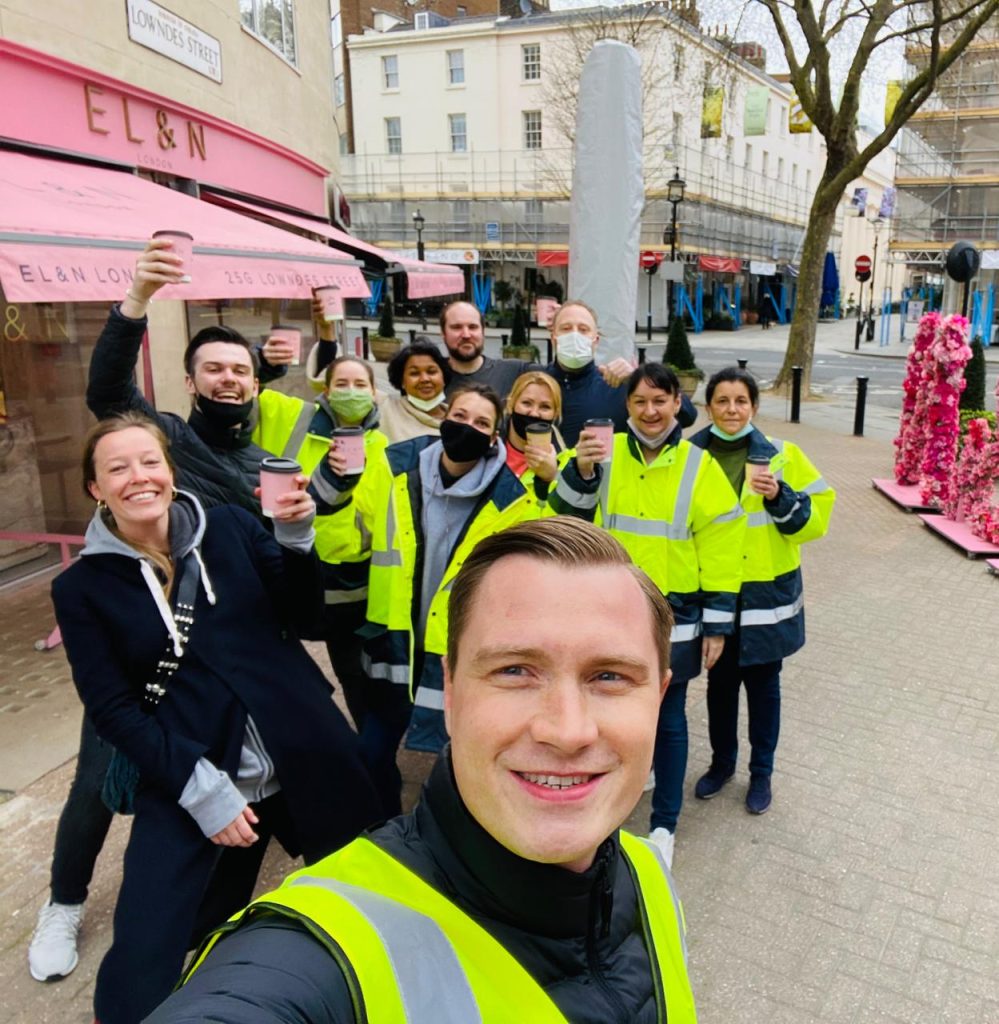
Because extraordinary hospitality is rarely the work of one person. Behind the apparently effortless gesture is often a collection of departments, relationships, phone calls and people putting their heads and contacts together.
The guest sees the magic. The hotel sees the orchestra.
The orchestra behind the experience
That brings us to what Marco believes separates good service from exceptional service.
Good service, he says, is often service delivered according to standards and “the book”. Pleasant in the moment, perhaps, but quickly forgotten. Exceptional service feels different.
“It’s when I feel that the person is truly invested in what they do, cares for the place as if it is their own and goes to great lengths to provide a beautiful experience.”
It can mean anticipating a need. It can mean knowing exactly when to appear and when not to. It can be a small thoughtful gesture, rather than a grand one.
“I am a firm believer you will not return for the building, or the chandelier,” he tells me. “You will return because of how the people made you and your loved ones feel.”
There is something almost musical in the way he describes a hotel. A guest can interact with five different departments within three minutes, each with different managers, different responsibilities and different teams behind them.
“It’s like a big orchestra,” Marco says, “where not only each instrument needs to play perfectly but all has to come together in great harmony.”
When that harmony exists, the guest may never consciously notice it. When it doesn’t, they notice immediately. The language changes. The culture feels inconsistent. One department doesn’t quite connect with another. The magic starts to disappear.
The making of Jumeirah Marsa Al Arab
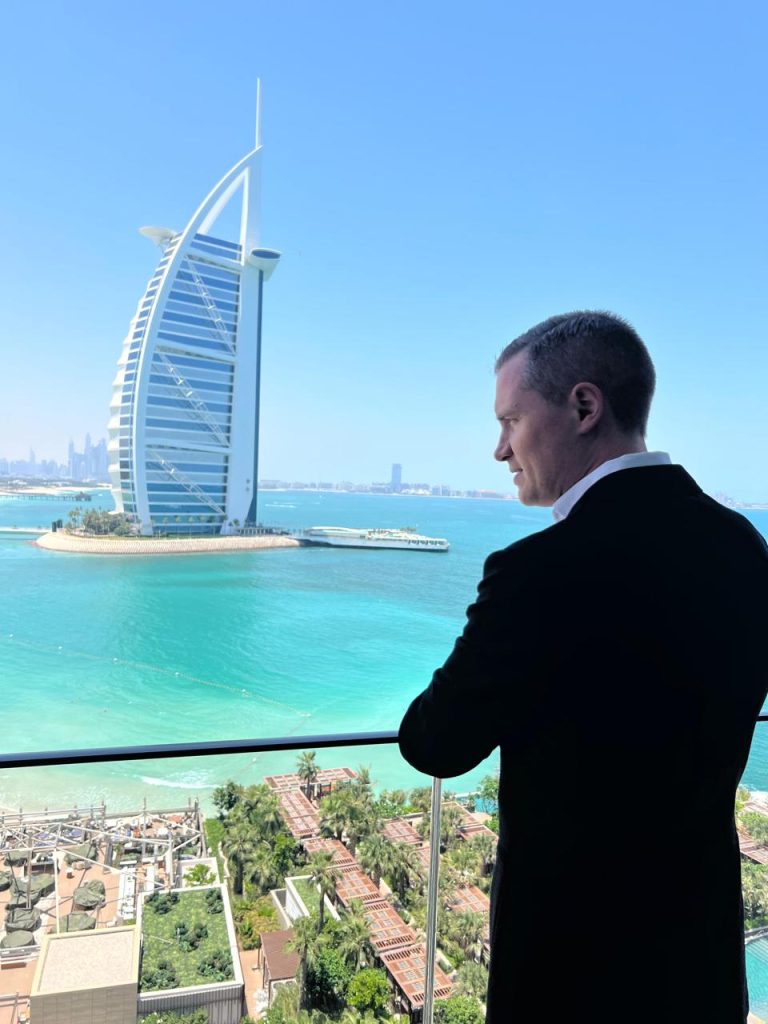
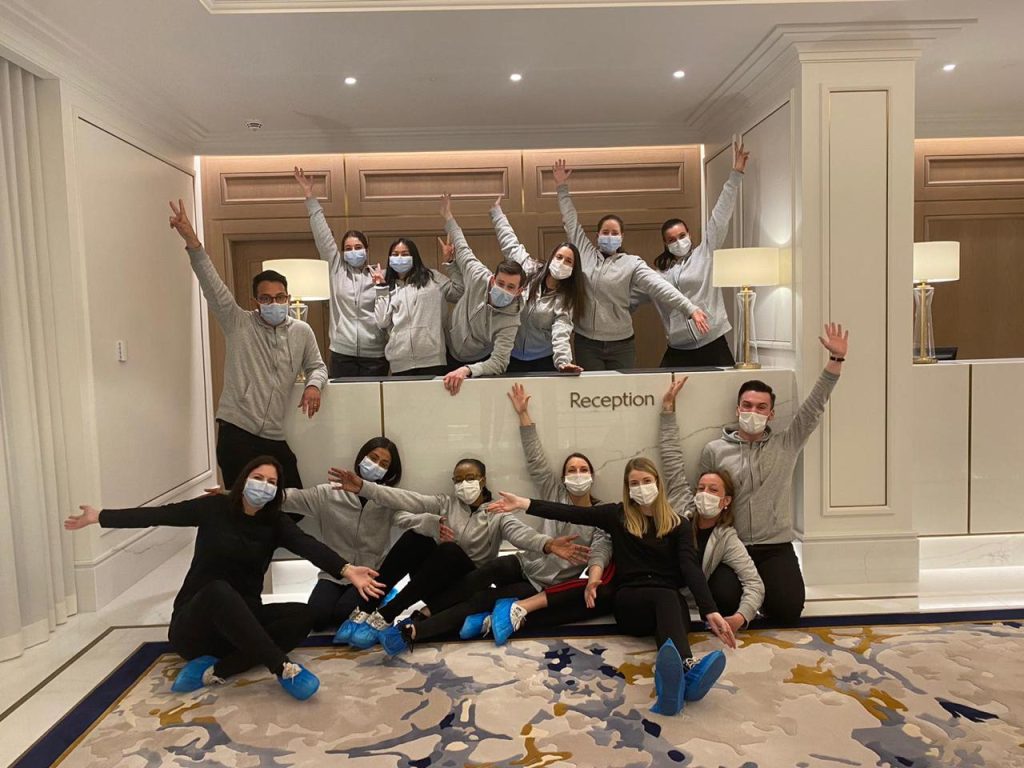
Marco was part of the team that brought Jumeirah Marsa Al Arab from an ambitious pre-opening project to a hotel recognised among The 50 Best Hotels.
He describes it as “the project of a lifetime”.
There is something familiar in his description of a hotel opening. It sounds less like launching a building and more like preparing an athlete for a major tournament. During pre-opening, you plan. You anticipate. You train. You try to prepare your people for everything that might come through the doors. And then the doors actually open.
“That’s when the fine-tuning starts,” he says.
The first months bring their own lessons. Eventually comes stabilisation, which brings another challenge altogether. The things you notice on day one are not necessarily the things you see after one, three or five years. The task then becomes more complicated: maintain consistency while continuing to reinvent.
“To ensure that we are still relevant in years to come.”
Dubai, where more is no longer enough
After working across so many markets, Marco has a particular appreciation for hospitality in the UAE.
“What I love about hospitality in the UAE is the bold and visionary approach paired with a relentless drive for service excellence.”
The market is competitive. New hotels, new concepts and new ideas continue to enter it. Guests arrive with high expectations, and the bar keeps moving. For someone who enjoys a challenge, he says, it is a great place to work.
But Dubai also raises another question. In a city where bigger suites, higher floors, more restaurants and more amenities have traditionally been celebrated, is the future really about having more?
Marco is not convinced.
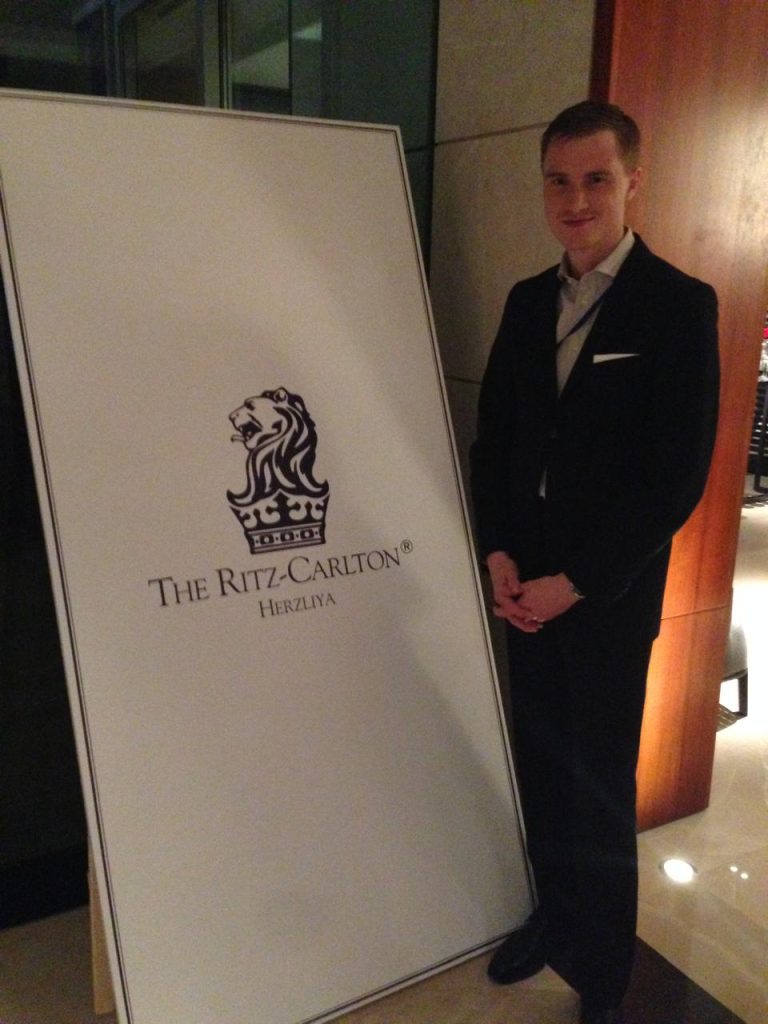
“With so much choice, I believe people will continue to look for innovation, uniqueness, authenticity and personalisation.”
The idea of “more”, he believes, is becoming somewhat outdated when it is simply used to create headlines.
“It’s relatively easy to have more cars, more rooms, more restaurants,” he says. “But that does not guarantee relevance in years to come.”
The real question is more difficult. What do guests actually want? And can you deliver it consistently while continuing to evolve?
The moments nobody puts on the bill
Some of Marco’s most memorable examples of hospitality have nothing to do with expensive amenities. He returns to the colleague who drove for hours to deliver the forgotten insulin. He also remembers guests falling ill during their stays and colleagues accompanying them to hospital, regardless of the hour or how long they had already been working. It is the kind of gesture that might never appear on a guest satisfaction report.
But it can define an entire stay.
“The stress of an illness or injury in a foreign country where you may not speak the language is stressful enough,” Marco says.
Sometimes what a guest needs most is not another amenity.
It is somebody saying: “Let me come along with you to make sure you have all you need.”
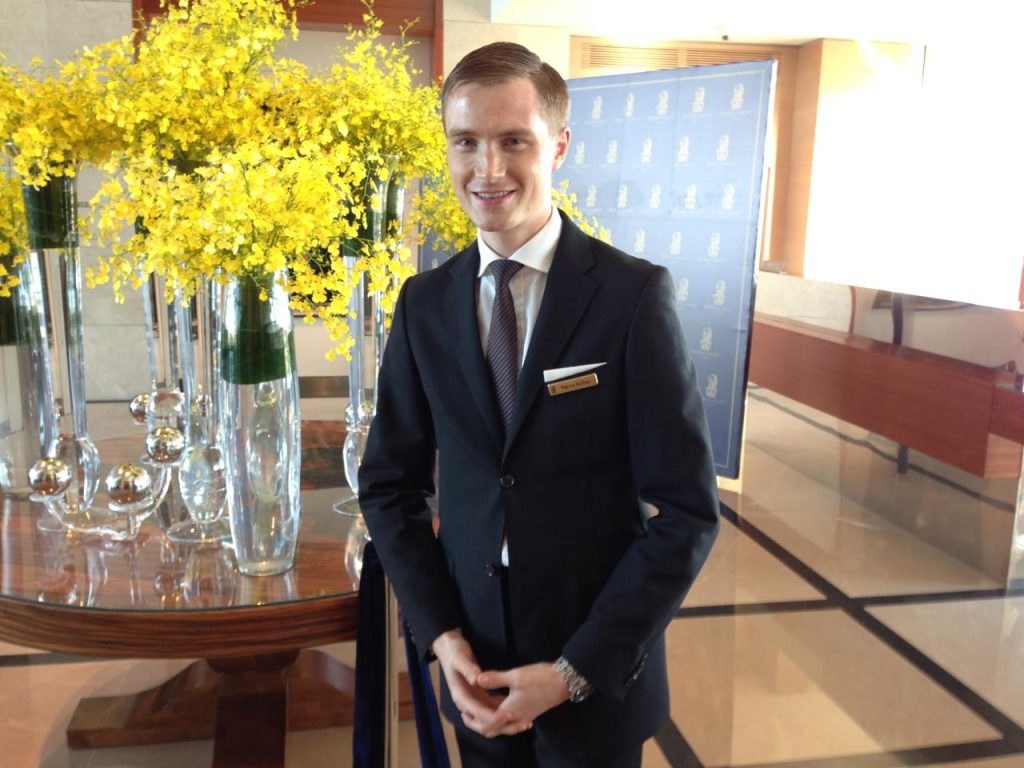
The hospitality gene
We talk about emotional intelligence, something Marco considers essential to the craft. Can it be taught? Perhaps some of it. But there is something else he looks for when meeting potential colleagues.
“Do they have that fire in their eyes and a sense of EQ that will contribute to our success?”
For Marco, hospitality has to come from somewhere deeper than a job description. It requires passion for people. Passion for the craft. A calling that goes beyond simply showing up to work.
And when I ask him to forget the manuals, the Forbes standards and everything else that can be taught in a training room, his advice takes us back to where the story began.
Put yourself in the guest’s shoes. What do they want or need right now? And how could you exceed their expectations?
“Think of them like you are welcoming your family, friends or loved ones to your home for a celebration or special occasion,” he says. “Imagine the great length you would go to make that a memorable experience.”
Perhaps the Vespa was never really the reason Marco entered hospitality. Perhaps it was always this. The instinct to open the door, notice who has arrived, and make sure they feel looked after. And after 20 years, countless hotels and an extraordinary collection of guests and requests, that may still be the most luxurious thing a hotel can offer.