


Some fragrances become popular for a fleeting moment, fuelled by trends or current tastes, but there are some that have reshaped the industry. Over the past century, a handful of scents have challenged convention, introduced new ideas around gender and luxury, and influenced generations of perfumers that followed.
From Chanel No. 5 to CK One, these are six fragrances that changed the way we think about scent.
Chanel No. 5
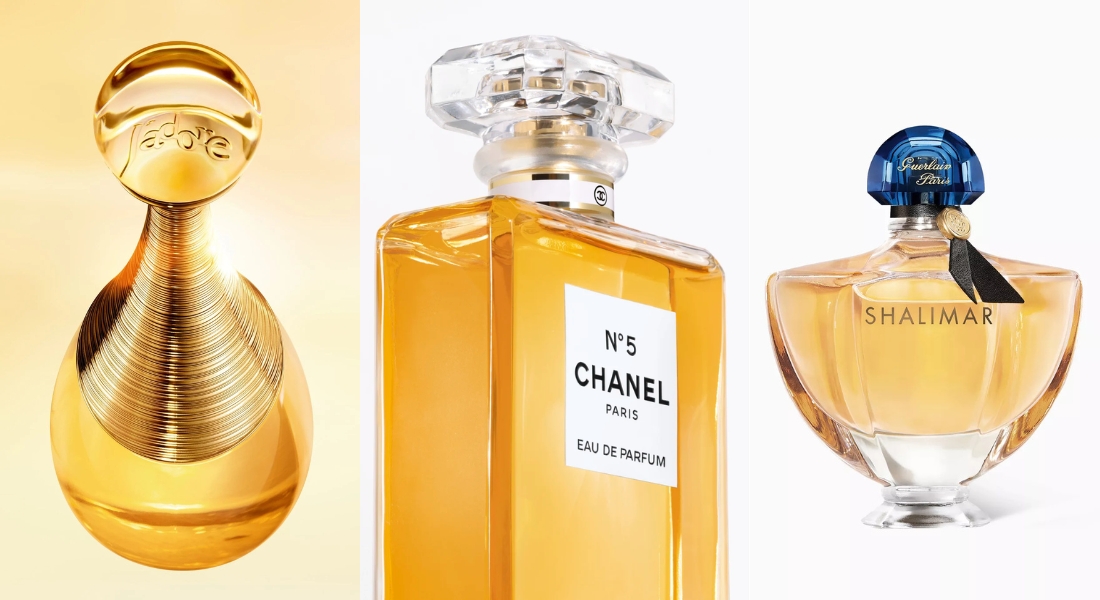
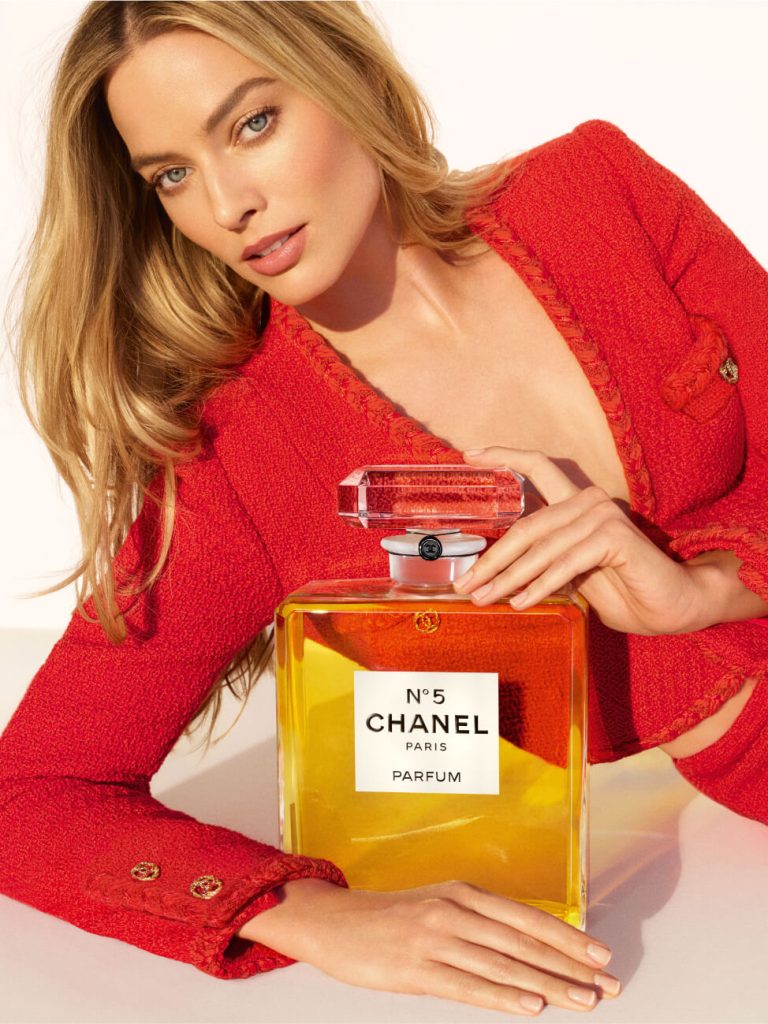
Launched in 1921, Chanel No. 5 broke away from traditional floral perfumes with its distinctive blend of aldehydes and flowers. Abstract rather than literal, it felt strikingly modern and helped establish the idea of a signature scent. Its minimalist bottle and instantly recognisable identity also changed the way fragrance could be presented as an object of modern luxury, and it remains iconic today.
Guerlain Shalimar
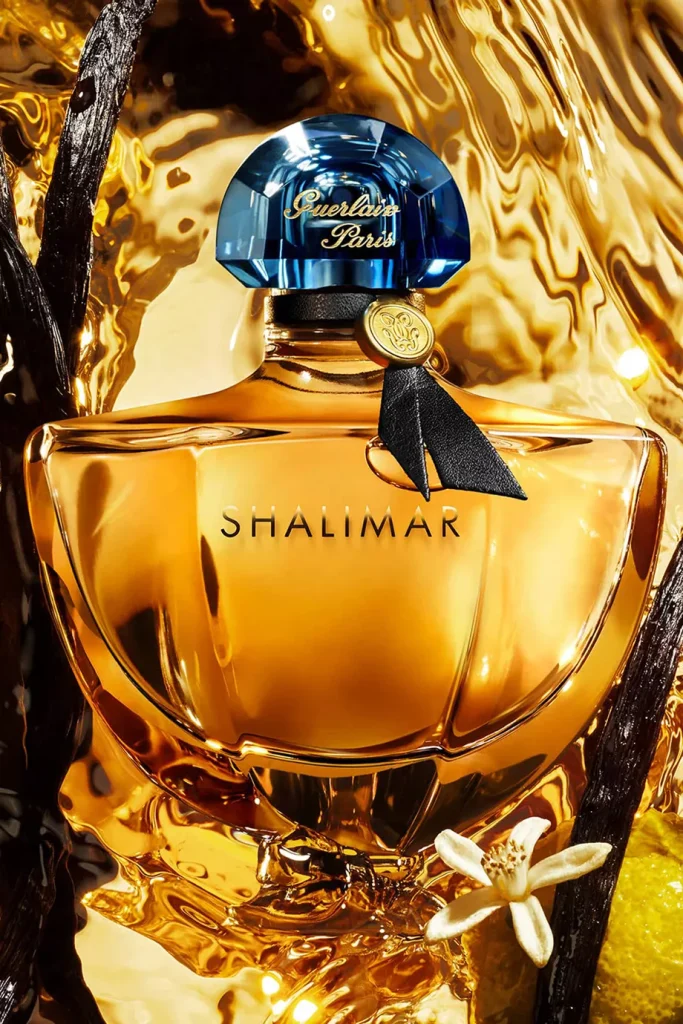
Created by Jacques Guerlain in 1925, Shalimar blended bergamot, vanilla, iris and incense into a rich amber composition that would influence generations of perfumers. Its sensual, enveloping character helped define a new olfactory category and remains central to Guerlain’s fragrance heritage. Today, interpretations such as Shalimar L’Essence continue to revisit its iconic vanilla signature through a contemporary lens.
Estée Lauder Youth-Dew
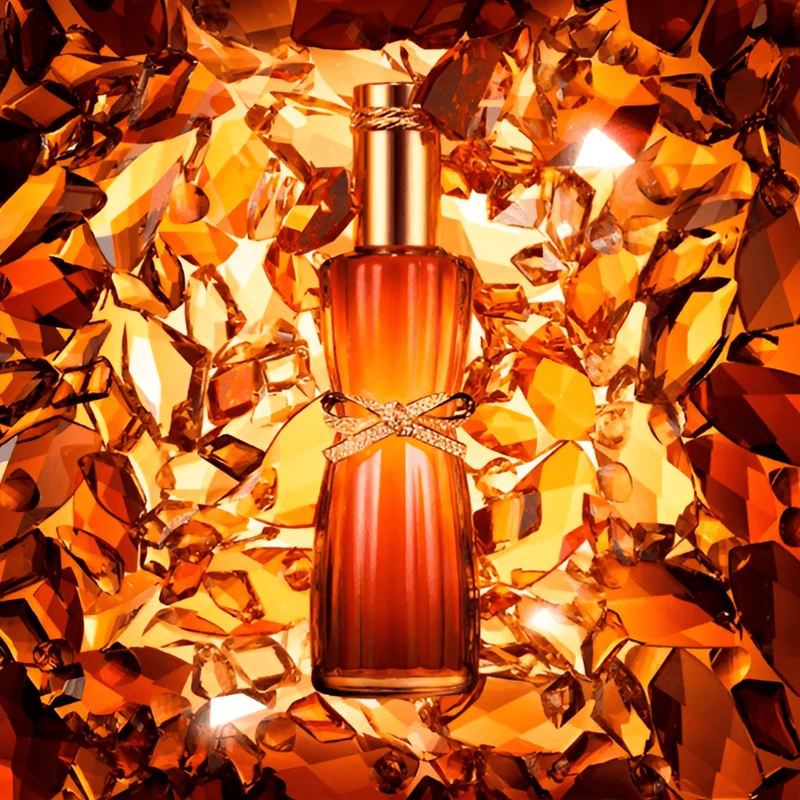
Youth-Dew changed not only how perfume smelled, but how women bought it. Introduced in 1953 as a perfumed bath oil, it encouraged women to purchase fragrance for themselves rather than wait to receive it as a gift. Its warm, spicy amber profile also anticipated the appetite for richer, more opulent scents that would become increasingly influential in the decades that followed.
Calvin Klein CK One
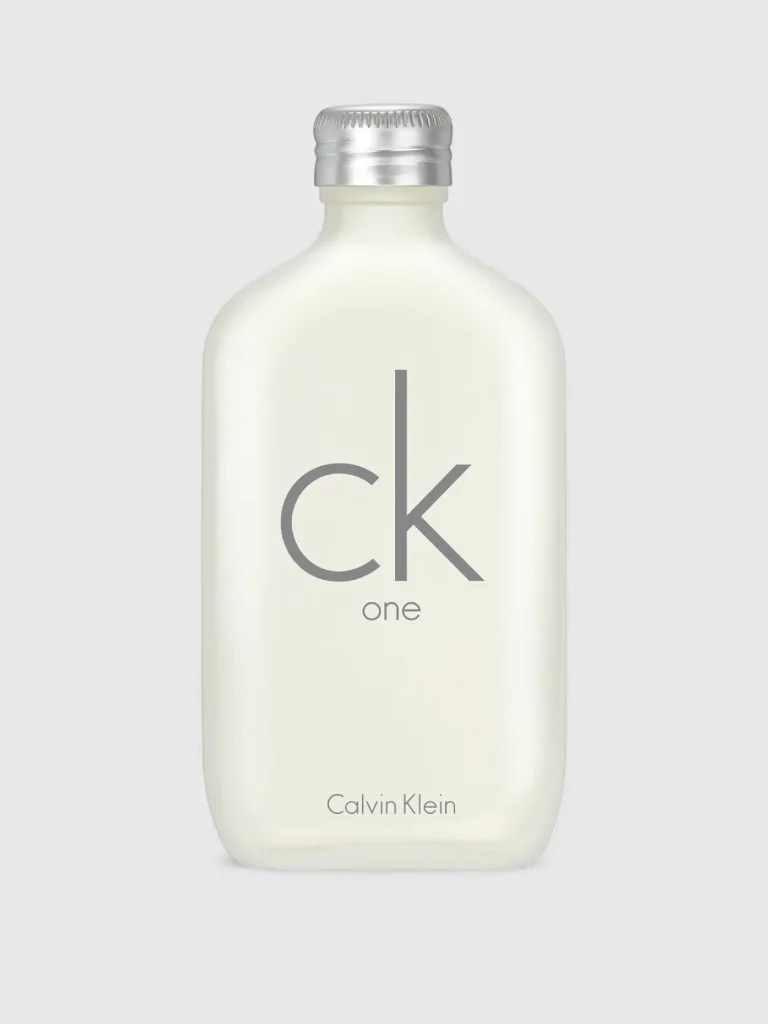
When CK One launched in 1994, its fresh, minimalist composition and unisex positioning felt genuinely new. It challenged the traditional divide between men’s and women’s fragrance and reflected the androgynous spirit of the 1990s. Its success helped open the door for gender-neutral fragrance, proving that one scent could appeal across categories without relying on conventional ideas of masculinity or femininity.
Dior J’adore
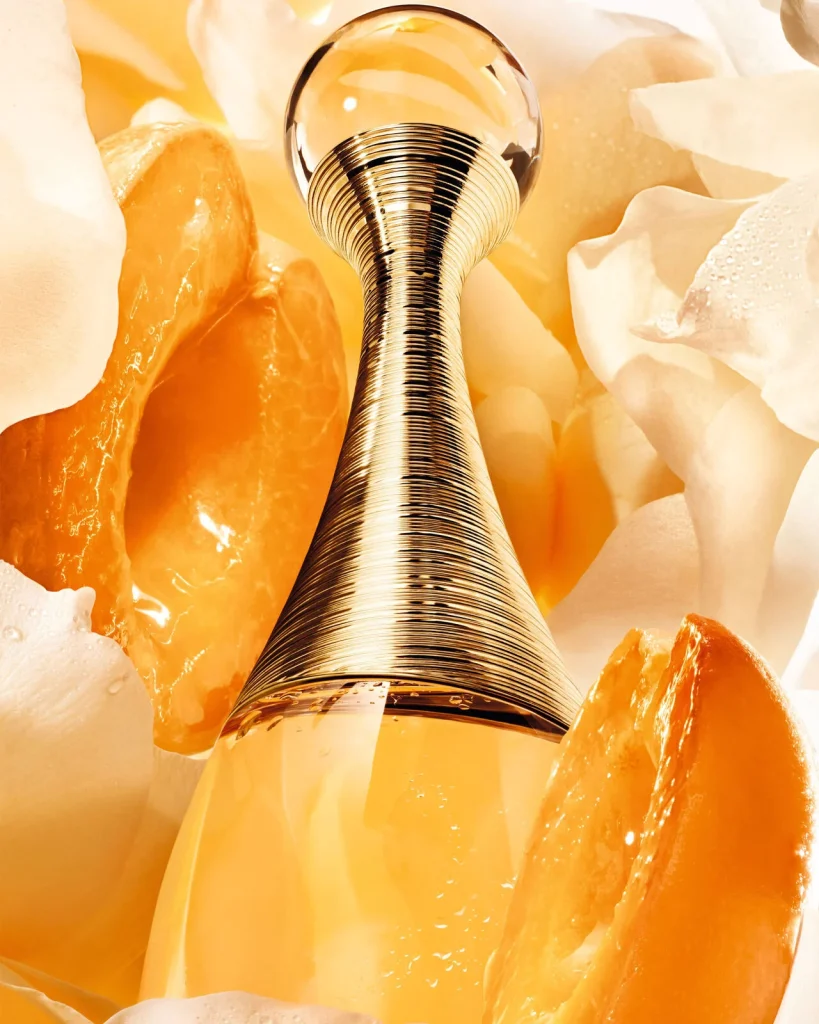
Launched in 1999, J’adore brought a new kind of femininity to Dior fragrance. Its opulent floral bouquet, built around jasmine, ylang-ylang and rose, modernised the house’s perfume identity for a new generation while retaining a strong sense of glamour. Its golden bottle and rich floral character quickly became synonymous with a more contemporary expression of luxury.
Yves Saint Laurent Black Opium
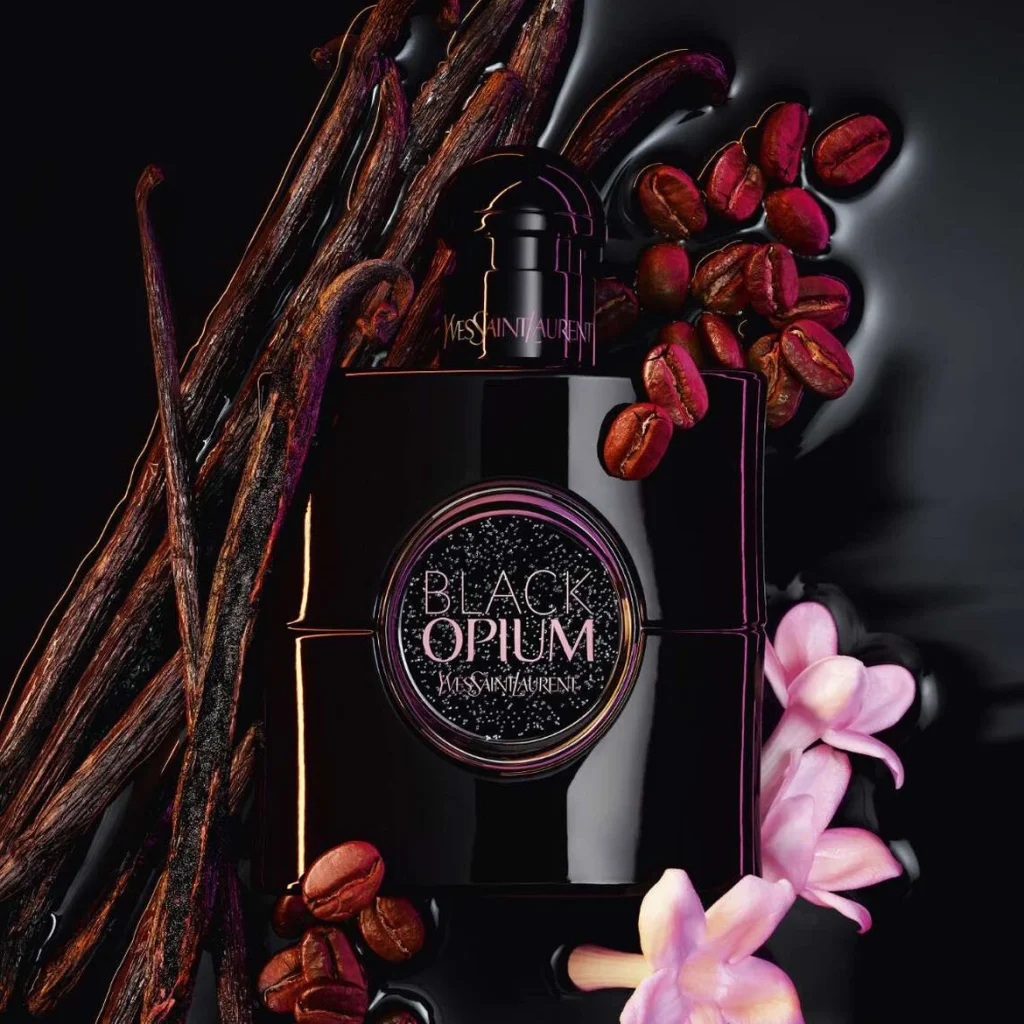
Black Opium arrived in 2014 with an addictive combination of coffee, vanilla and white florals. Its darker, more energetic take on gourmand fragrance quickly became a modern classic and resonated strongly with a younger audience. The scent also helped fuel the continuing popularity of coffee notes and rich, sweet compositions that remain prominent across contemporary perfumery today.