



For the true collector, sunglasses are far more than a seasonal accessory. The finest frames combine exceptional craftsmanship, innovative engineering and timeless design, transforming everyday eyewear into objects of lasting value. While many luxury fashion houses produce sunglasses, a select group of specialist eyewear makers have elevated the craft to an entirely different level. From limited-edition frames to meticulously handcrafted titanium construction, these five houses represent the pinnacle of modern luxury.
Jacques Marie Mage
For the Collector

Few names command the respect of eyewear enthusiasts quite like Jacques Marie Mage. Produced in strictly limited, individually numbered editions, each frame is designed to feel as exclusive as a rare timepiece or collector’s pen. Handmade in Japan using exceptional acetate and titanium, the brand combines bold proportions with remarkable attention to detail. For collectors who value rarity as much as craftsmanship, Jacques Marie Mage has become one of the most coveted names in luxury eyewear.
DITA
For the Perfectionist

Precision lies at the heart of every DITA frame. Crafted in Japan, many designs require hundreds of individual production steps before reaching completion, reflecting an uncompromising commitment to quality. Lightweight titanium, premium acetate and meticulous engineering come together to create sunglasses that feel as impressive in hand as they do when worn. Rather than chasing trends, DITA has built its reputation on flawless execution and enduring design.
Akoni
For the Connoisseur
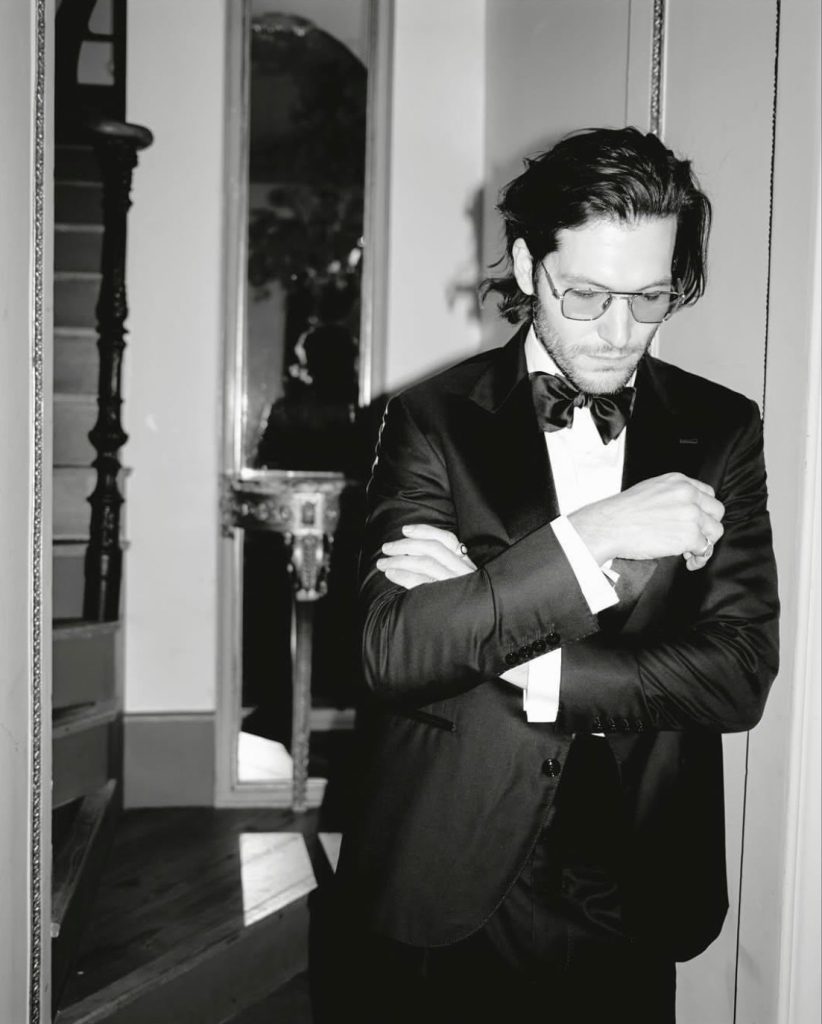
Quiet confidence defines Akoni. Combining Swiss design principles with Japanese craftsmanship, the brand produces understated eyewear distinguished by refined proportions, exceptional materials and precise technical construction. Free from excessive branding, each frame speaks through subtle detailing and impeccable quality. It is the kind of eyewear appreciated not because it demands attention, but because those who recognise it understand the craftsmanship behind it.
Matsuda
For the Design Enthusiast
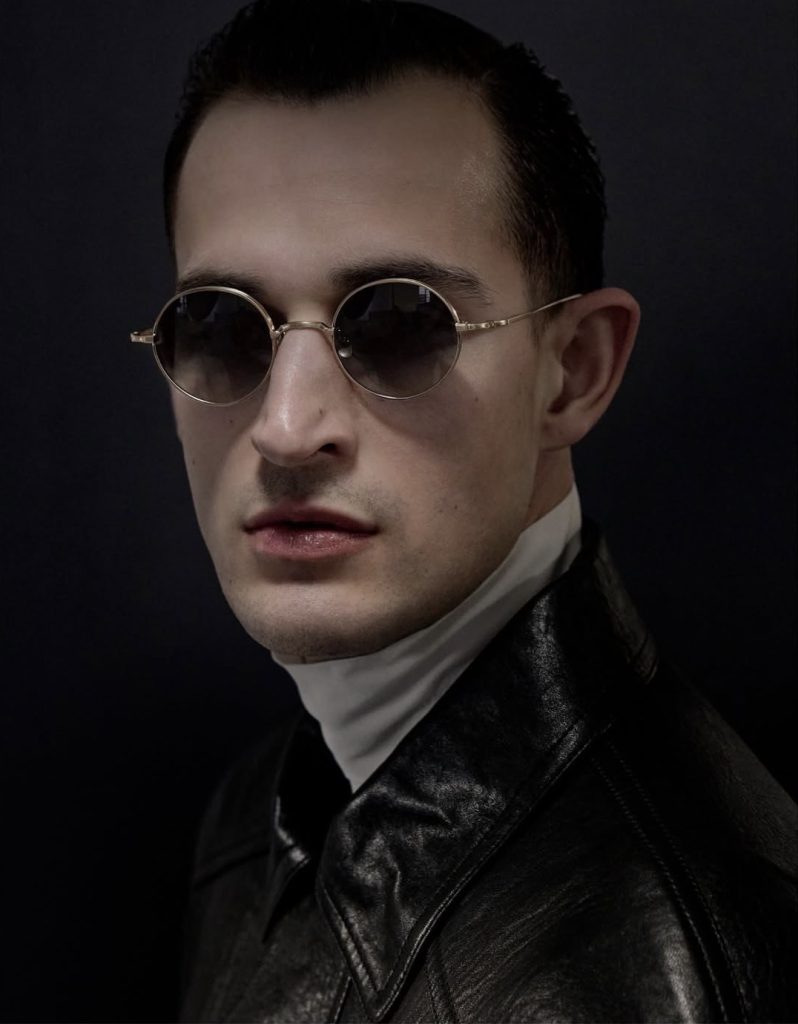
Founded in Tokyo, Matsuda approaches eyewear as wearable architecture. Every frame showcases intricate engraving, sculptural forms and vintage-inspired detailing, brought to life through traditional Japanese craftsmanship. The result is eyewear that balances artistry with functionality, rewarding closer inspection with remarkable levels of detail. For those who appreciate thoughtful design, Matsuda offers a distinctive perspective on contemporary luxury.
Oliver Peoples
For the Minimalist

Since its founding in Los Angeles in 1987, Oliver Peoples has become synonymous with understated luxury and timeless design. Instead of relying on prominent logos or seasonal trends, the brand is celebrated for its refined silhouettes, premium materials and meticulous craftsmanship. Inspired by vintage eyewear while remaining unmistakably contemporary, its collections embody effortless sophistication. For those who appreciate subtle elegance over statement branding, Oliver Peoples offers frames designed to be worn for years rather than seasons.
The finest eyewear has never been solely about protecting against the sun. It reflects craftsmanship, heritage and a commitment to design that extends well beyond fashion. Whether drawn to the exclusivity of Jacques Marie Mage, the precision engineering of DITA, the refined craftsmanship of Akoni, the artistry of Matsuda or the timeless elegance of Oliver Peoples, each of these houses offers its own interpretation of modern luxury. In an age increasingly shaped by fast-moving trends, they serve as a reminder that true craftsmanship is rarely loud—it is recognised by those who know where to look.
By Sayhrah Noor Asif-Ali