


INTERVIEW BY MILO RADONJIĆ
The UAE’s first female film director, Nayla Al Khaja has spent her career turning life’s unspoken moments into cinema. With two films and a body of work that spans continents, she is still very interested in what happens beneath the surface.
You are the first female film director from the UAE. What inspired you to pursue a career in the film industry?
I was drawn to storytelling from a very young age, not just as a form of entertainment, but as a way to understand human behaviour. Growing up, I didn’t see many stories that reflected the emotional complexity of women in our region. That absence became a motivation. Film gave me a language to explore what is often left unspoken, and once I discovered that, there was no turning back.
Your films Three and Baab feature complex visual and emotional structures. How do you work with actors and framing to convey the inner worlds of your female protagonists?
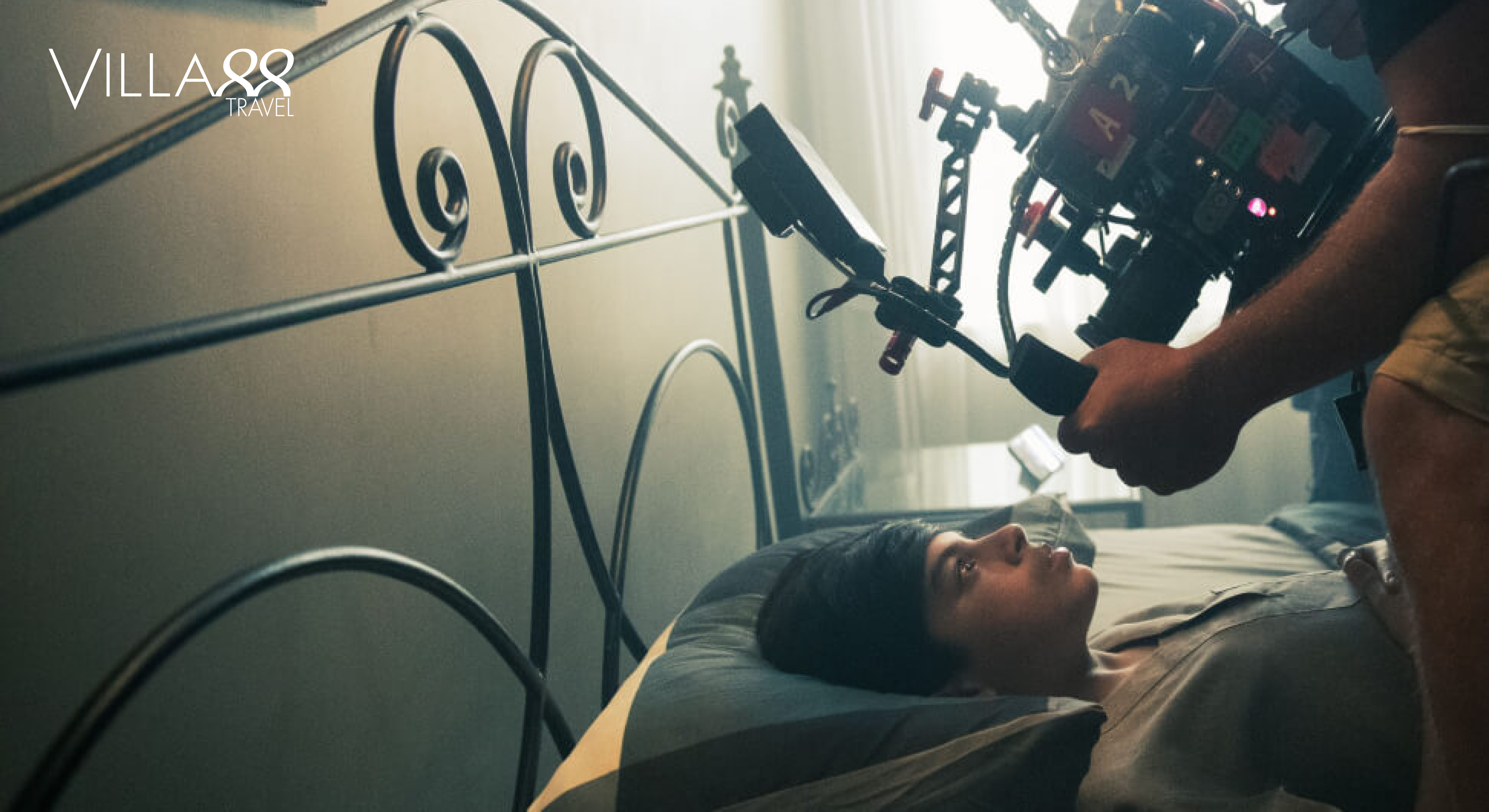
For me, performance begins long before the camera rolls. I spend a lot of time with actors, building psychological backstories so they understand not just what their character is doing, but why. Visually, I use framing very intentionally. Tight compositions, negative space, and controlled movement all help reflect the character’s internal state. The camera is not just observing, it is participating in their emotional journey.
Music often becomes part of a director’s language. How do you select and use sound and soundtrack to enhance the emotion and atmosphere of each scene?
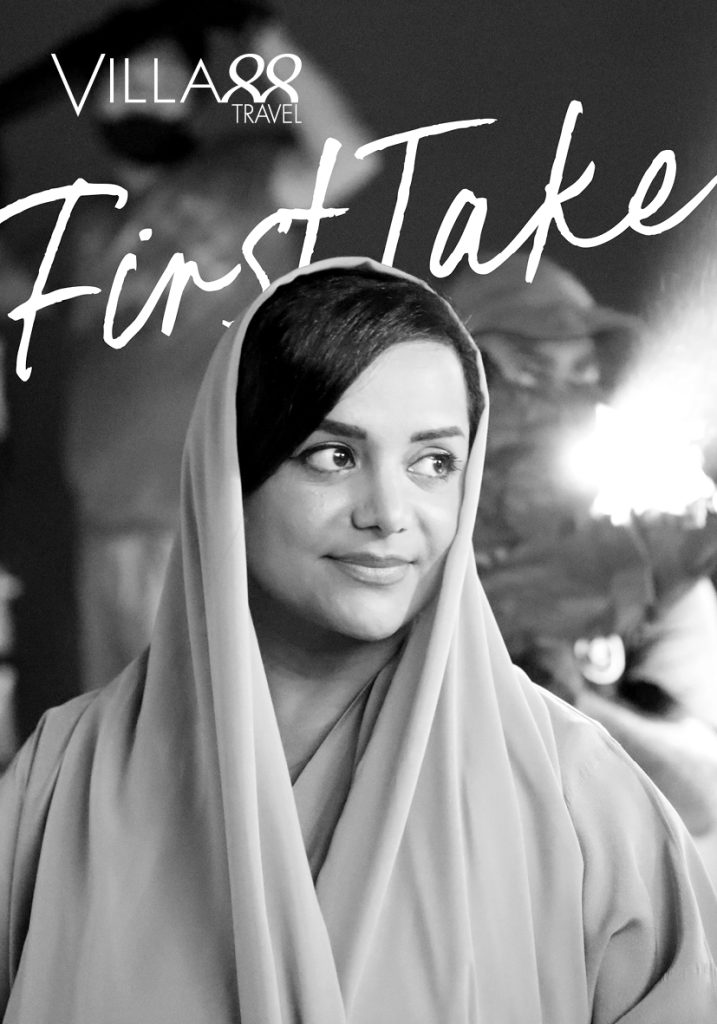
Sound is one of the most powerful tools in storytelling, often more than image. I approach it very early in the process. In Baab, for example, sound is almost a character, especially with the presence of tinnitus. I look for sound that doesn’t just support the scene, but deepens it, sometimes even contradicts it. Silence is equally important. Knowing when not to use music can be just as impactful as using it.
Directing is not only about creativity, but also about managing a team. How do you balance your artistic vision with your producing responsibilities and international projects?
It comes down to clarity. You have to be very clear about your vision from the beginning, so that every department is aligned. At the same time, you have to remain open to collaboration.
Producing has helped me understand the practical side of filmmaking – budgets, logistics, timelines – which allows me to make creative decisions that are realistic. It’s a constant balance between ambition and execution.
Three blends modern psychology with ancient traditions, while Baab explores its heroine’s emotional journey. How do you decide which stories are worth bringing to the screen?
It has to stay with me. If a story lingers, if it keeps evolving in my mind, then I know there is something there. I am drawn to stories that explore internal conflict, identity, grief, transformation.
I don’t choose stories based on trends. I choose them based on emotional truth. If I feel it deeply, there is a chance the audience will too.
How would you define your directorial signature?
Atmospheric and psychological. I’m interested in creating a feeling rather than explaining everything. My work often sits between reality and something more abstract, where emotion drives the narrative.
You have worked on short films, feature films, and campaigns for global brands. Based on your experience, could you share your director’s checklist before starting a new project?
My checklist is always centred around a few key points:-
Is the story emotionally clear?
Do I understand the characters at a deep level?
What is the visual language of the film?
What does the audience feel at the end?
Can this be executed within the available resources?
If those elements are aligned, then I move forward.
You actively advocate for greater female representation in the industry. What advice would you give to emerging female directors?
Don’t wait for permission. The industry is not designed to make things easy, so you have to create your own opportunities. Be prepared, know your craft, and trust your voice. Confidence comes from doing the work, not from external validation.
If you had to describe your directing style in one word for women around the world, what would it be, and why does it reflect your approach to cinema?
Honest. Because I believe storytelling should come from a place of truth, not expectation. When you are honest in your work, it resonates beyond culture, language, or geography.
Could you share some details about your upcoming plans? What will your next film be about?
I have an exciting new project lined up, but it’s too early to make any announcements. Follow my social channels for upcoming news on my next film.
How does Dubai shape your storytelling, both visually and emotionally, as a filmmaker?
Dubai influences my work through contrast. It’s a city where modernity and tradition coexist, often within the same frame. Visually, that gives me a wide palette, from stark urban lines to more textured, intimate environments. Emotionally, it creates tension beneath the surface.
People here are constantly evolving, adapting, balancing different identities. That duality naturally finds its way into my storytelling, especially when I explore themes of identity, isolation, and transformation.
If you were to set a film entirely in Dubai, which locations would you choose to showcase its diversity, and why?
I would avoid the obvious and focus on spaces that reveal character. Older districts like Al Fahidi carry a sense of memory and stillness.
Industrial areas on the outskirts offer a raw, almost abstract visual language. The desert, just outside the city, introduces silence and scale, which I find very powerful.
And then there are the interiors – homes, corridors, private spaces, where most of the emotional narrative actually unfolds. Together, these layers show a side of Dubai that’s less about show and more about atmosphere.
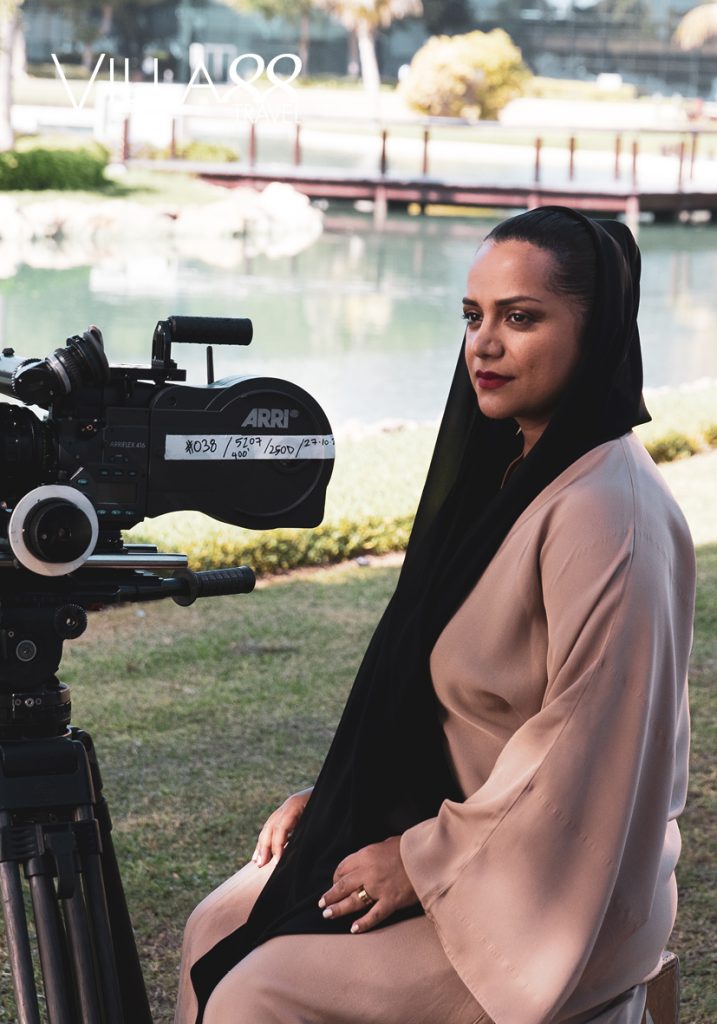
In what ways has Dubai supported your journey as a director and influenced your creative voice?
Dubai has provided both structure and freedom. There is access to resources, infrastructure, and a growing film ecosystem, which makes it possible to produce work at a high level. At the same time, because the industry here is still developing, it allows for experimentation. You are not confined to a rigid system. That space has been important for me in shaping a voice that is personal rather than formula-driven.
What makes Dubai a compelling destination for international filmmakers today?
It offers a unique combination of efficiency and visual diversity. Within a short distance, you can move between completely different environments – urban, desert, coastal, historical. It also has strong production infrastructure, experienced crews, and a supportive framework that facilitates filming.
Beyond logistics, there is something less tangible – the city has a distinct rhythm and energy that translates well on screen, especially for stories that require contrast and scale.
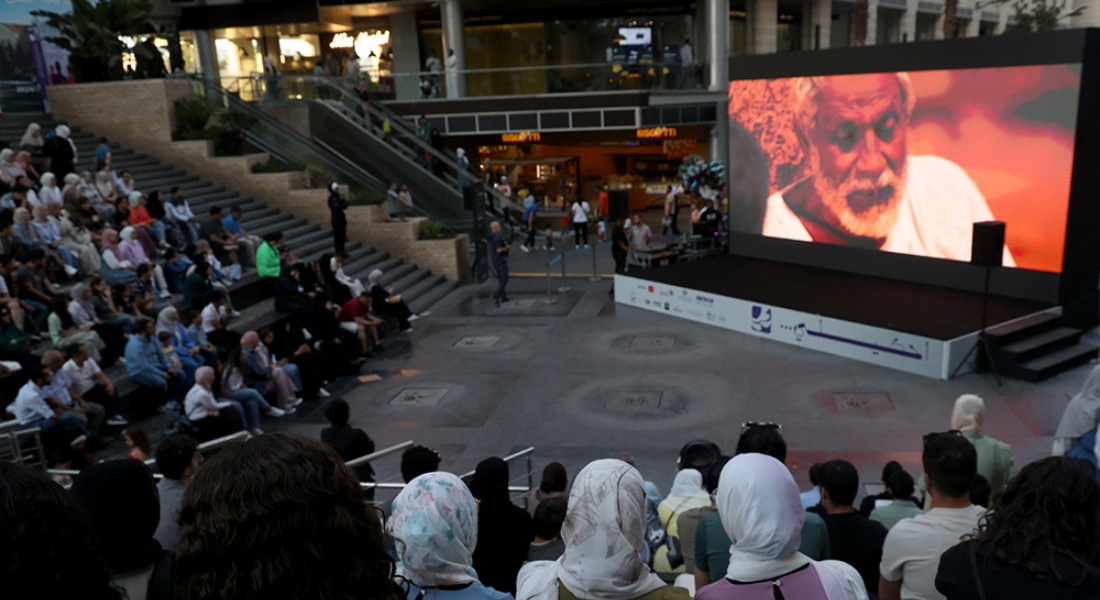
Photos supplied by Nayla Al Khaja