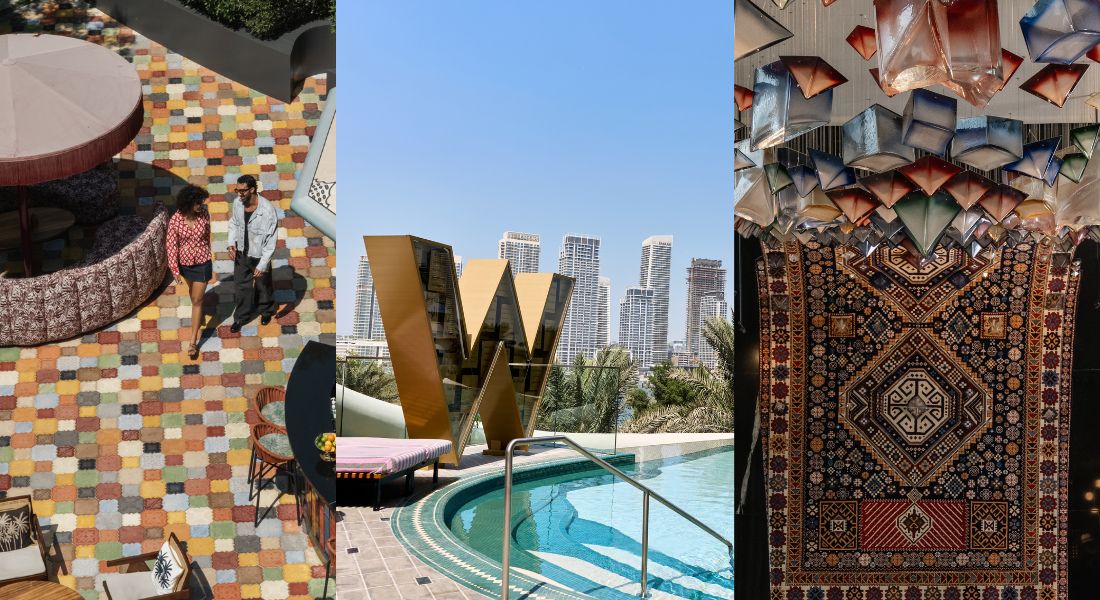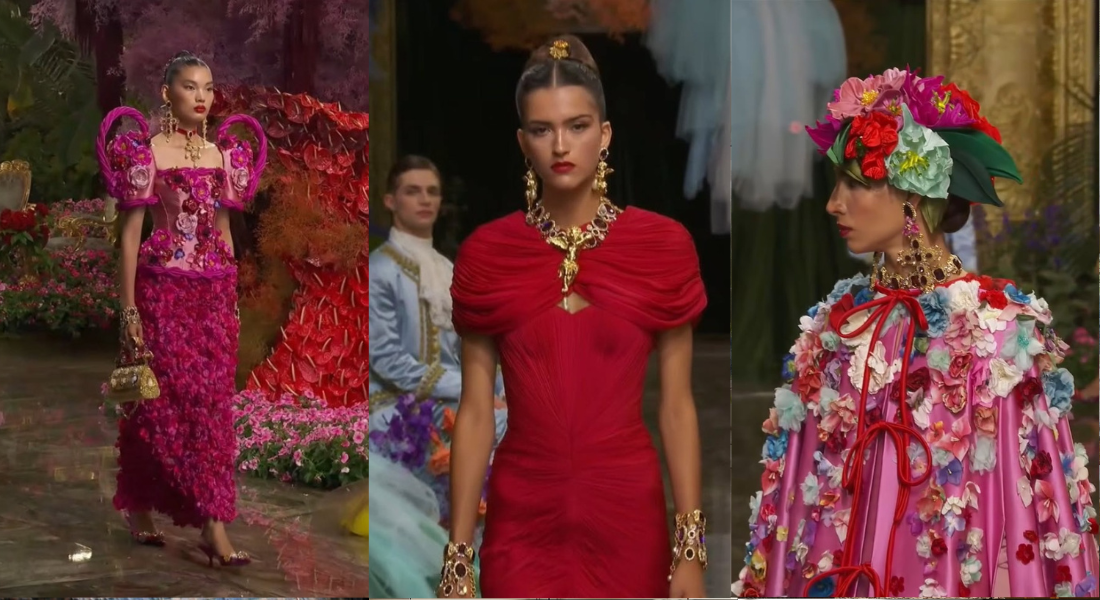



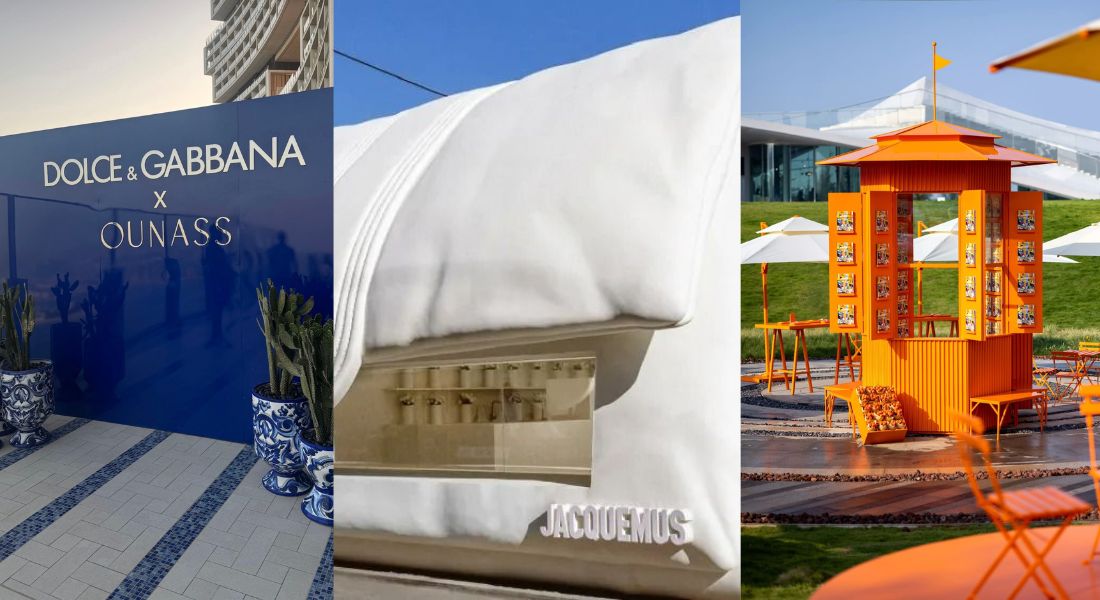
Luxury retail, once defined by the quiet grandeur of permanent flagship boutiques on the world’s most prestigious streets, now share their crown with a more fluid, dynamic, and highly curated luxury pop-up. These transient activations have moved beyond simple temporary shops and evolved into immersive brand playgrounds. From Dior’s Mediterranean “Dioriviera” beach club takeovers in Capri to Dolce & Gabbana’s iconic majolica print washed over Dubai’s most exclusive rooftop pools, luxury is no longer just selling a product, it is styling a lifestyle fantasy.
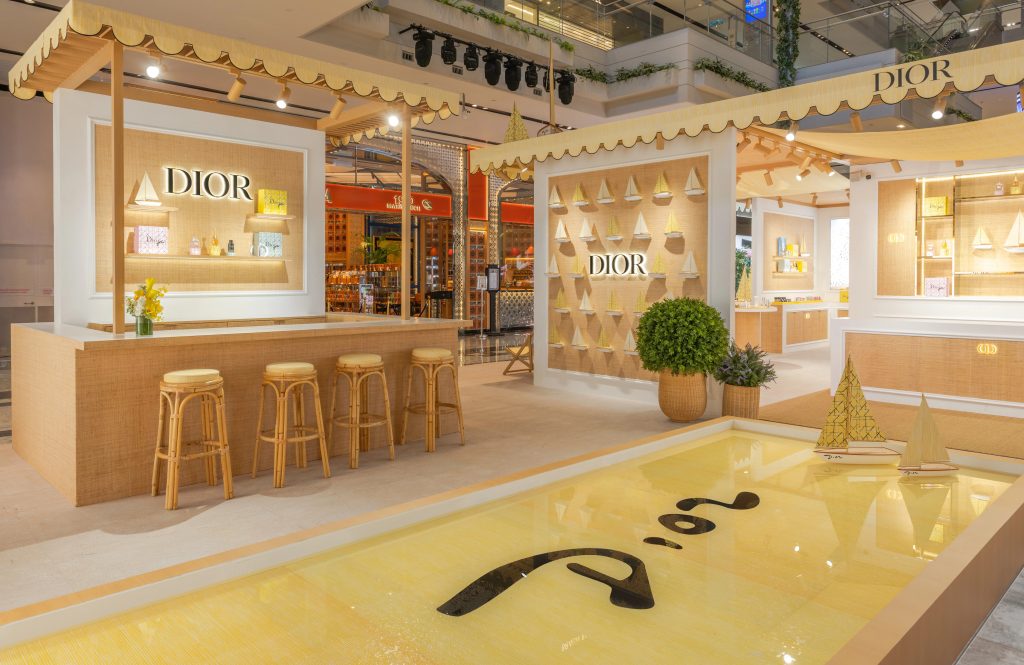
But what makes a pop-up truly click? Beyond the whimsical aesthetic lies a calculated framework of behavioural architecture.
The Decompression Zone, or your first area of impression, is where the anatomy of a successful luxury pop-up begins. This open space with ambient lighting, unique textures, and thematic styling first transports the guests into the brand’s world rather than overwhelming them with immediate inventory. This acts as a deliberate pause button, prompting visitors to forgo the rush of the street and tune into the brand’s mood.
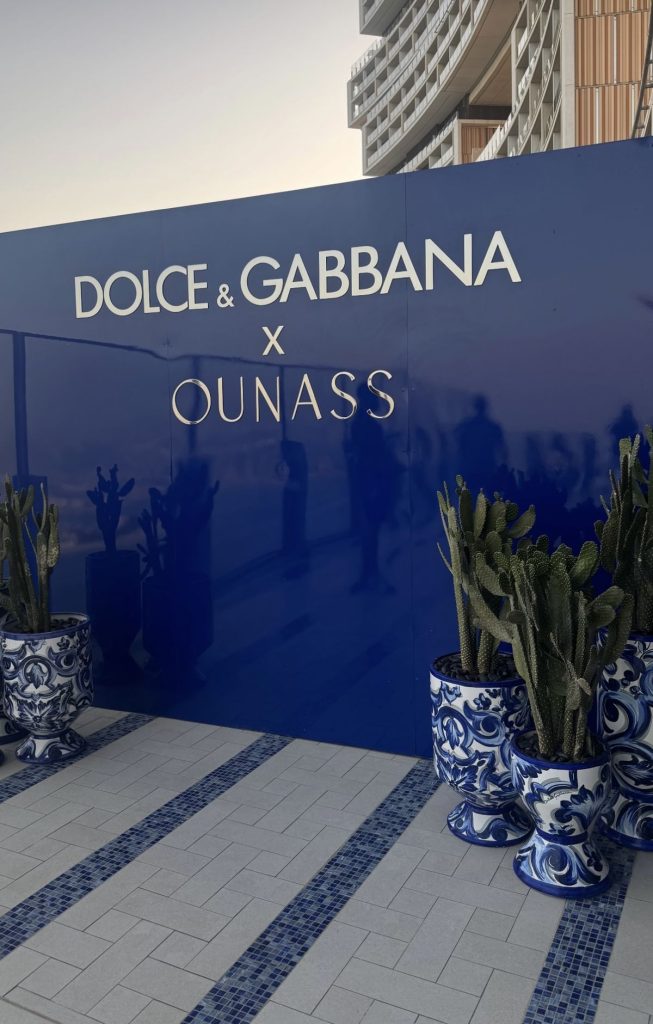
Further in, the visual power walls directly to the right of the entrance anchor attention with high-visibility, limited-edition collections. Modern pop-ups use organic, free-flowing pathways broken up by interactive AI mirrors, bespoke espresso bars, or artisan workshops to increase dwell time and build emotional connections.
This physical layout also operates on a potent psychological lever, that is engineered scarcity. This “now or never” timeline drives immense consumer urgency. If a consumer misses Dior’s custom-branded paddleboards or a Jacquemus beach buggy this season, they may never experience that exact, highly specific universe again. The minimal time window transforms a simple shopping trip into an exclusive, calendar-marked event.
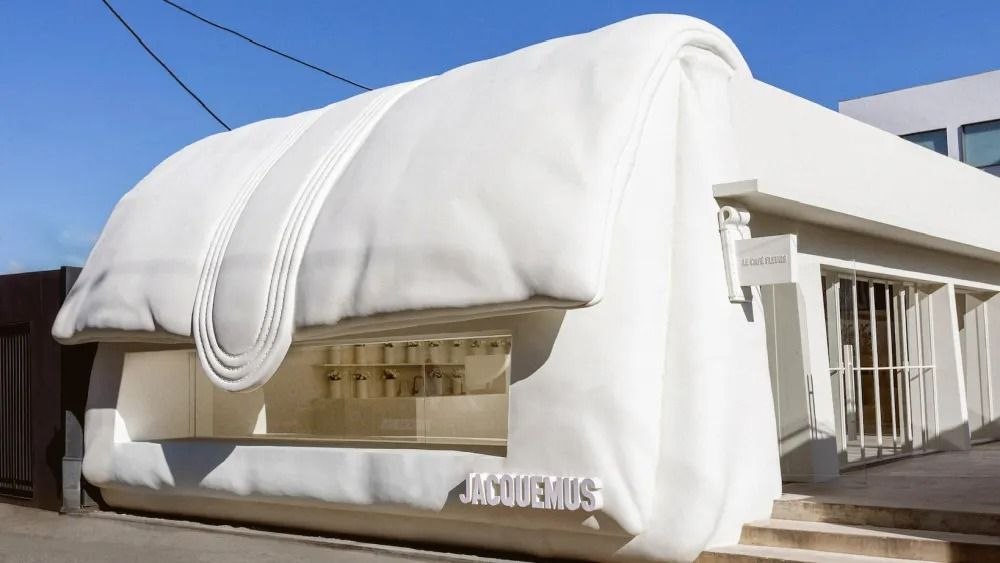
Furthermore, these open spaces act as organic content engines. Modern luxury consumers do not just shop, they document. Shoppers turn into virtual brand ambassadors as they capture and share their experience of these aesthetically styled, photogenic spaces across social media.
For luxury maisons, these pop-ups are low-commitment spaces that allow them to test geographic markets, collect behavioural data, and experiment with sustainability, all while building a deeper connection with evolving Gen Z and Millennial audiences who are seeking more experiential commerce over lacklustre transactions.
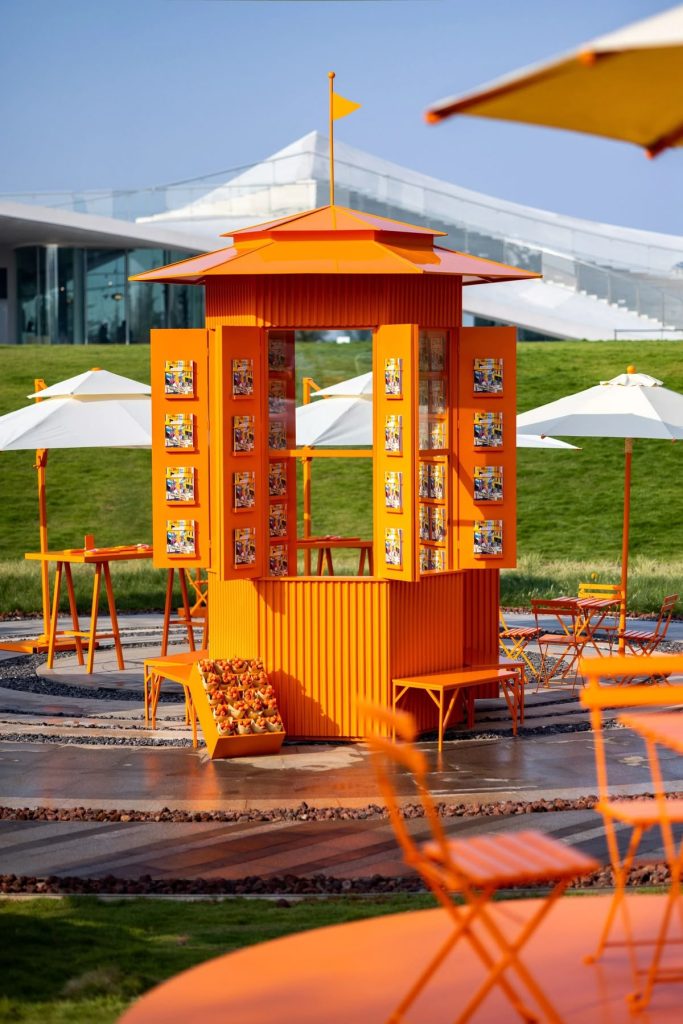
By seamlessly merging hospitality, art, and high-end retail, the pop-up has redefined modern luxury, proving that in a saturated ecosystem, the most valuable asset a heritage brand can sell is a fleeting yet memorable moment.
By Bhavatna Prasad