



Initiative brings together more than 35 organisations and institutions to advance textile circularity across the UAE.
Naseej, the UAE’s National Initiative for Textile Circularity, has signed 14 strategic Memorandums of Understanding, expanding its partnership ecosystem to more than 35 organisations and institutions across the public, private and non-profit sectors.
The agreements reinforce Naseej’s role in advancing textile circularity in the UAE and supporting programmes that create an integrated national pathway for a circular textile economy. The milestone follows the initiative’s official launch and the successful The Fabric of Possibility community activation held at Yas Mall in Abu Dhabi in June 2026.
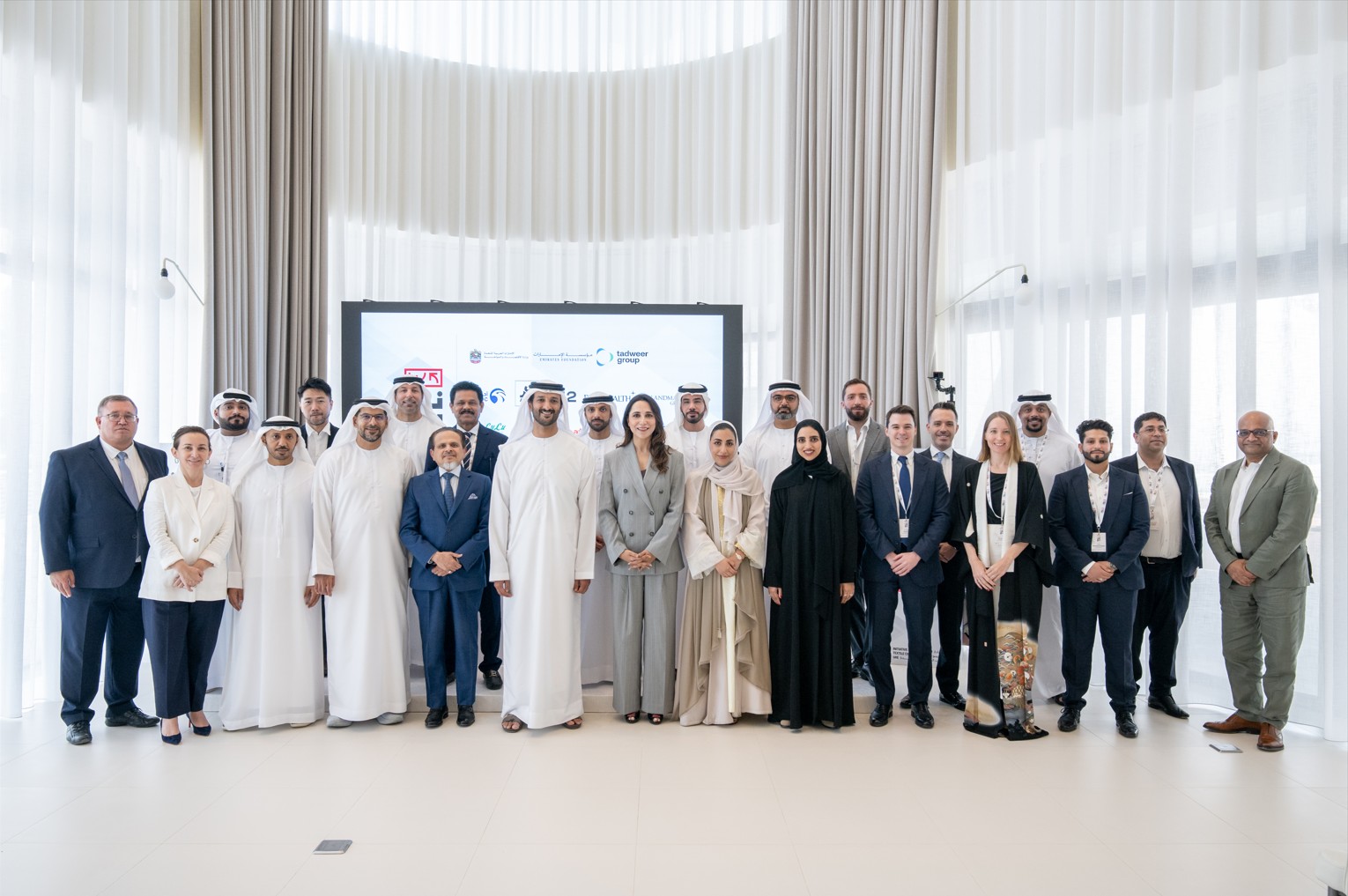
Signed at the Emirates Foundation headquarters in Abu Dhabi in the presence of H.E. Abdulla bin Touq Al Marri, Minister of Economy and Tourism, the MoUs bring together 14 strategic partners to strengthen collaboration across the textile value chain—from collection and sorting to reuse, recycling and innovation.
The partners include ADNOC Distribution, Aldar, PureHealth, M42, Landmark Group, LuLu Group, Deliveroo, Talabat, Re-Up, Rebound, Miniwiz, Fabricaid, Thrift for Good and Kiswa.
Together, they form part of a broader ecosystem of more than 35 organisations spanning government, industry, academia, civil society and innovation. Collaboration will focus on four priorities: textile collection and recovery, research and innovation, public awareness, and policy development.
Naseej is now moving from framework development to implementation through pilot programmes that will be scaled nationally. Current initiatives include retail textile take-back schemes, school uniform recycling programmes and residential textile collection projects.
The initiative is also developing circular uniform programmes for sectors including healthcare, hospitality, aviation and logistics, while working with stakeholders to establish supportive policies, standards and incentives. In parallel, Naseej is conducting market research and behavioural studies to accelerate the UAE’s transition to a circular textile economy.
Later this year, the initiative will publish the inaugural State of Fashion Circularity in the UAE report, offering the country’s first comprehensive assessment of the sector’s readiness for circular transformation.
As it continues to grow, Naseej is inviting retailers, recyclers, logistics providers, innovators, academic institutions, government entities and local communities to join its efforts. By fostering collaboration across sectors, the initiative aims to extend the life of textiles, reduce waste and unlock the environmental, social and economic benefits of a circular textile ecosystem.