


The many moods of summer, immortalised on film, WORDS BY PRIYANKA PRADHAN
Under the midday sun, a dragonfly hovers over a lotus pond flushed crimson from the heat. Nearby, a kaleidoscope of butterflies takes refuge under the canopy of a giant mango tree, nursing their wings, waiting for summer to end. The mangoes have been pecked to the stone by birds, leaving behind a litter of seeds and the aroma of overripe sweetness in the air. This is July in Nagercoil, India.
This scene reminds me that summer is not one season, but several, depending entirely on where I’m standing. For some, it can be a fantasy, and for others, a test of endurance. Cinema has always understood this.
Summer unfolds like magic on the screen, in its many moods, and its many landscapes – both literal and emotional. The greatest summer films are love letters to a feeling, whether uplifting or heartbreaking.
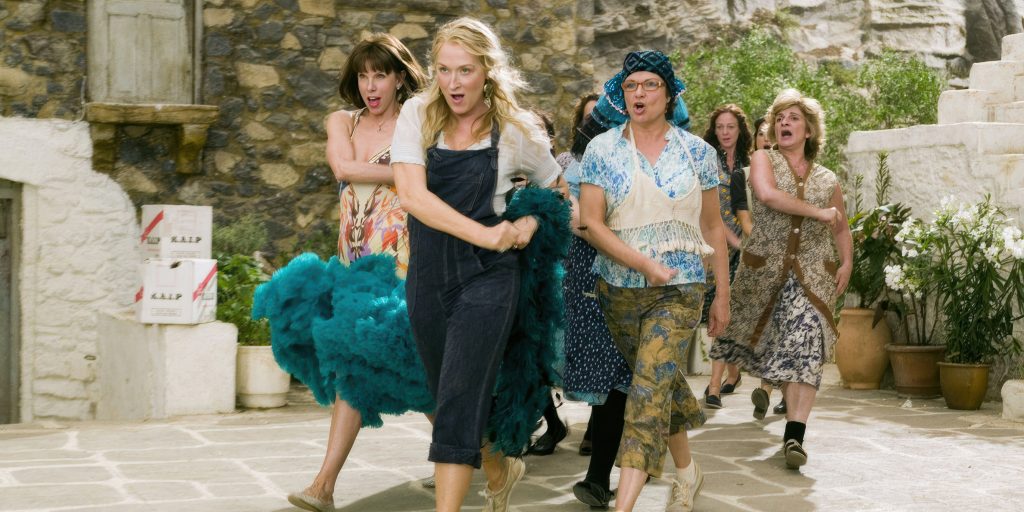
Consider, for instance, Phyllida Lloyd’s Mamma Mia!, adapted for the screen in 2008 from the book, which itself was based on a play of the same name. Summer here is about an emotional reckoning. Starring Meryl Streep, Pierce Brosnan, and Amanda Seyfried, the film is set on the fictional island of Kalokairi and shot largely on Skopelos and Skiathos in the Northern Sporades. It is a celebration of summer as a state of being, with white-washed walls, turquoise water, a pink Aegean horizon, and, of course, ABBA. What it really does is make you want to drop everything, find a taverna on a Greek island, and not leave until September.
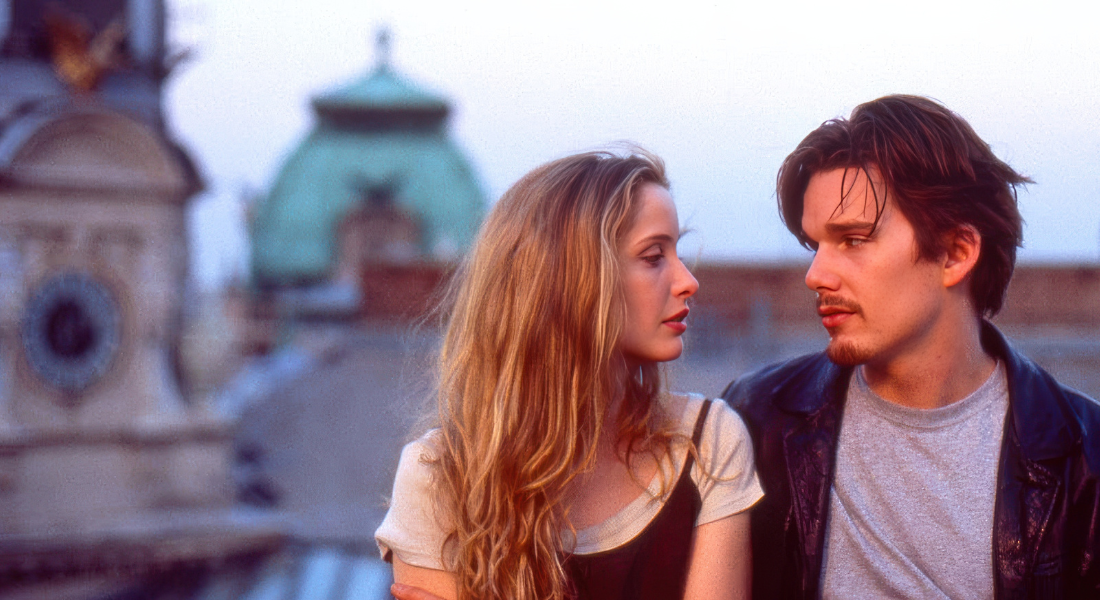
But euphoria is easy. The harder achievement is to make summer feel intimate. I saw Richard Linklater’s Before Sunrise (released in 1995) shortly after, and it changed my idea of a summer romance forever. The film introduced cinema to one of its great romances — not just between two people, but between two people and a city on a single unspooling summer night.
Jesse and Celine meet on a train and spend the night walking in Vienna. The Prater, Cafe Hawelka, the banks of the Danube Canal, and the Albertina steps all become witness to their fleeting encounter, turning into collaborators in their connection. Linklater also understood that Vienna in summer is not the same city at any other time of year.

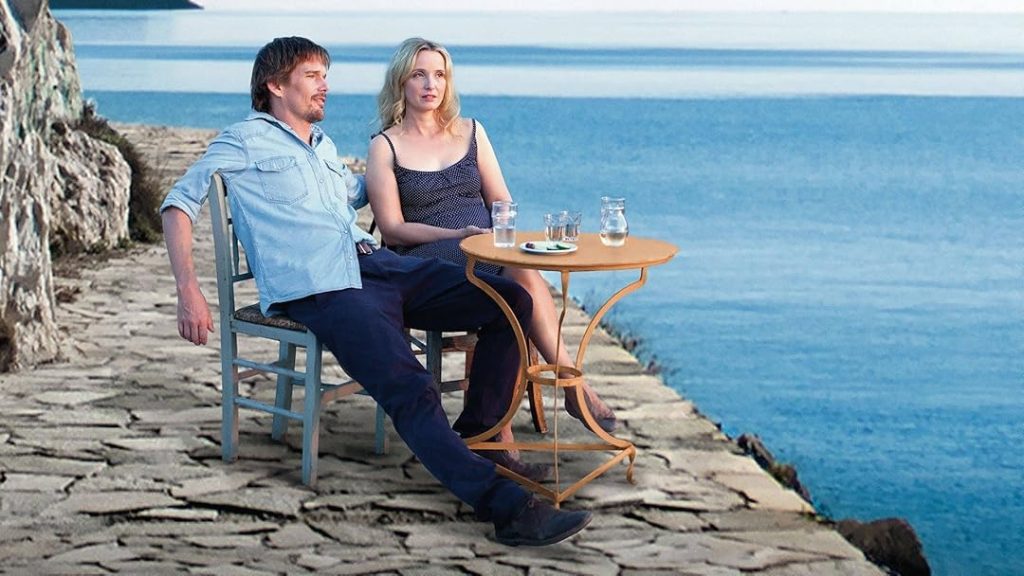
Before Sunset followed in 2004, reuniting the pair in Paris over another summer, specifically in the bookshop Shakespeare and Company on the Left Bank. The trilogy closed with Before Midnight in 2013, set largely in the Peloponnese region of Greece, amid the backdrop of olive trees and low stone walls. The way this trilogy marries human connection and love for travel is a masterclass in storytelling.
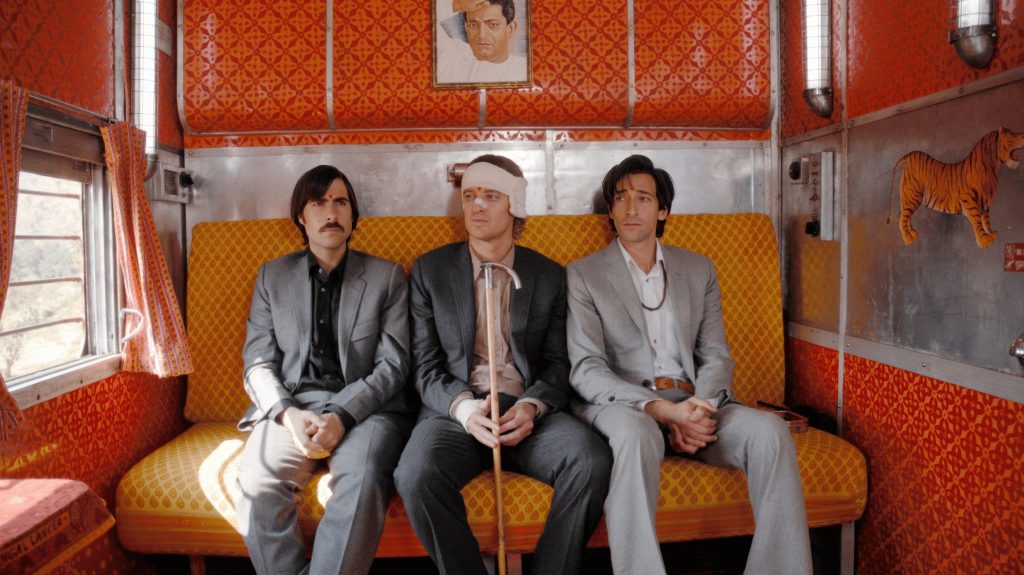
For the traveller, these films are also something else entirely – an invitation. Wes Anderson’s The Darjeeling Limited (2007) takes a different approach to summer travel. This film walks a zany path of its own, looking at journeys through a whimsical lens.

Three American brothers ride a train across Rajasthan on a journey that is both spiritual and chaotic. The film moves through the saffron and ochre of Jodhpur, the bone-white light of the desert, and railway stations teeming with life. The Darjeeling Limited makes the strongest possible case for slow travel, and for the idea that the journey itself is the destination. Summer in India, for all its heat, offers something transformative here.
Make Me Believe, a Turkish film released in 2023, belongs to a newer tradition. This Mediterranean summer romance is told with specific attention to place. Set in the villages and coves of the Turkish Aegean coast in Alaçati, with its stone streets and lush bougainvillea, and the broader landscapes of the Çeşme Peninsula, it follows a young woman navigating a summer that alters her understanding of herself. After the success of the movie, Alaçati has become one of the most sought-after summer destinations in the region, its windmills and narrow lanes drawing a knowing crowd.
Otto Preminger’s Bonjour Tristesse, made in 1958 and based on Françoise Sagan’s novel, asks a different question, approaching summer with a more complicated intelligence. The film stars Jean Seberg as Cecile, a young Frenchwoman spending the summer on the Cote d’Azur with her charming, irresponsible father. Shot in and around Cap Roux and Cagnes-sur-Mer, against the backdrop of the Riviera, the story’s particular genius is to understand that summer is not only pleasure, but also a season to face consequences.
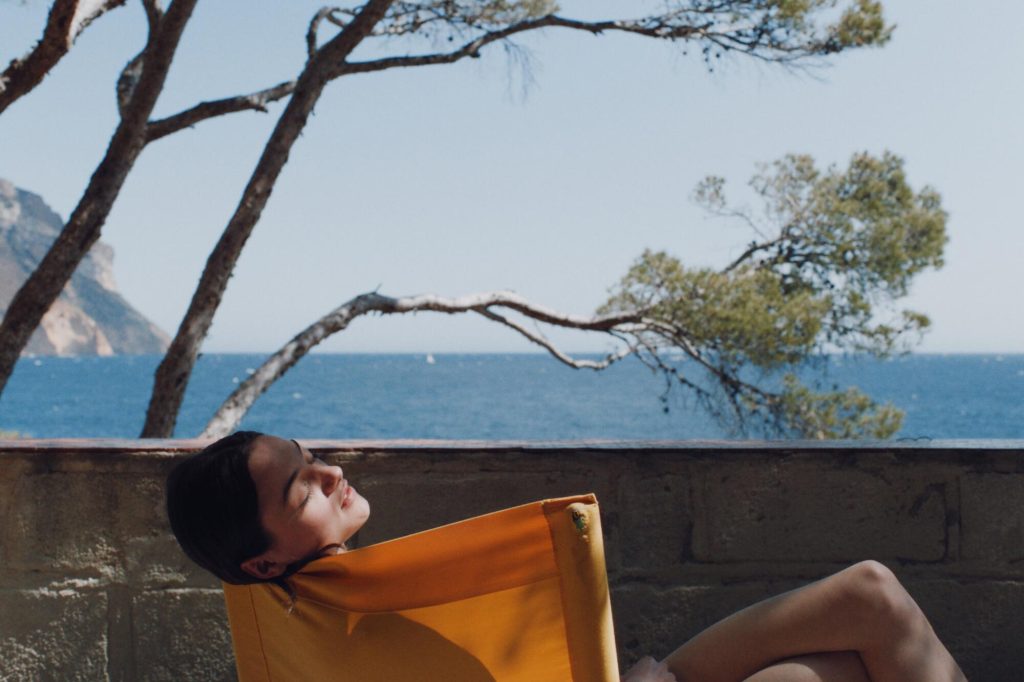
Preminger renders the Riviera in Technicolor extravagance, with speedboats, white villas above the water, the blue of the Cote d’Azur to make it glamorous, but also faintly ominous. It remains one of cinema’s most intelligent treatments of summer. Sixty-six years later, Canadian writer-turned-filmmaker Durga Chew-Bose returned to the same novel and the same coastline to find that Sagan’s understanding of summer had not dated at all.
What these films share is an understanding that summer is about plurality. Cinema, at its best, does not show us one summer. It shows us many and then makes us want to stand somewhere new inside each one. Every film here is a summer I can return to.