


Interview by Milo Radonjić
Asma Al Fahim, Arabian Publishing Media’s founder and editor-in-chief, talks about her version of Abu Dhabi, beyond its evolving skyline and celebrated cultural landmarks. To her, the UAE capital reveals itself most beautifully in the quieter moments – in the rhythm of the Mina, the conversations shared over coffee, the artists shaping new ideas, and the traditions that continue to anchor everyday life.
In this intimate conversation, Asma reflects on the people, places, and rituals that define the Abu Dhabi closest to her heart – a city in which heritage and creativity exist side by side, where warmth, community, and cultural connection remain at the centre of daily life.
Which neighbourhoods or creative pockets in Abu Dhabi feel most reflective of the city’s true cultural pulse today and why?
Abu Dhabi has transformed rapidly over the past two decades. While much of the attention naturally goes to its skyline and large-scale developments, I believe the city’s true cultural pulse lives in the spaces where tradition, creativity, and community quietly intersect. One place I always return to is the Mina area, especially around Warehouse 421.
What was once an industrial shipping district has evolved into something much more layered and human, a creative pocket where artists, designers, filmmakers, and young entrepreneurs come together to exchange ideas and tell stories. There’s a certain honesty to the area that I love.
It still carries traces of old Abu Dhabi while embracing a younger, more experimental energy. I’m drawn to places that feel lived in and emotionally connected to the city’s identity, and the Mina has that balance. You can move between contemporary exhibitions, local workshops, flower markets, and traditional spaces, all within the same afternoon.
It reflects the Abu Dhabi I know best – one that is evolving, but still deeply rooted in memory, culture, and community.
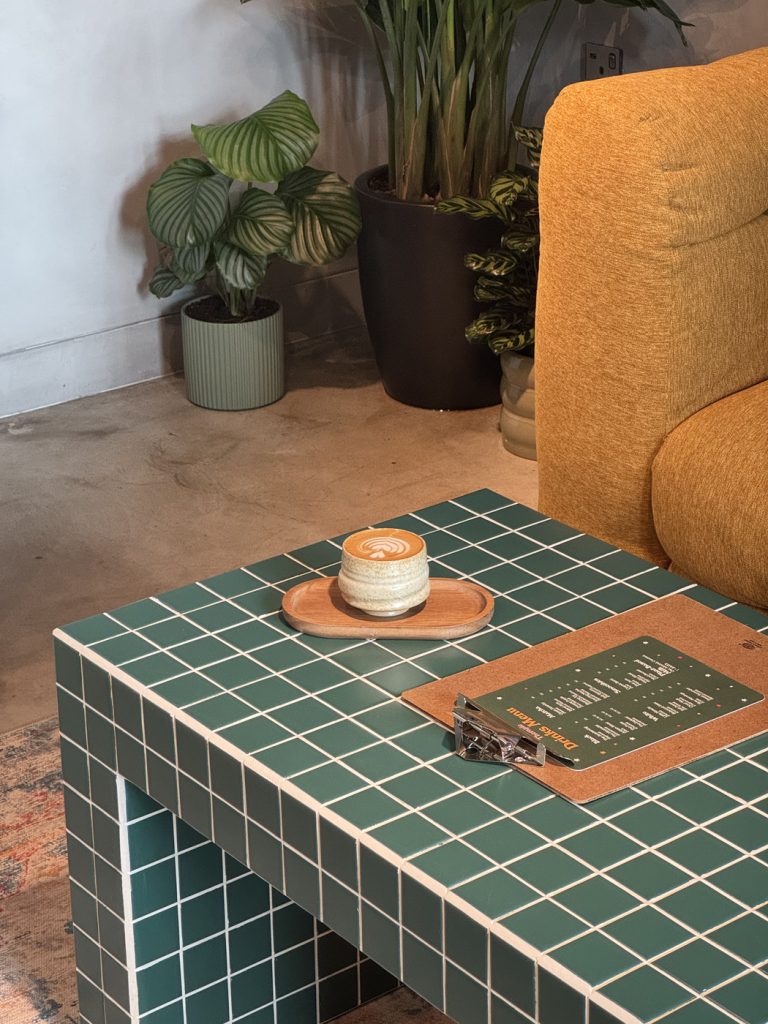
If you curated a day in Abu Dhabi beyond the landmarks, which cafés, studios, or districts would best express the city’s everyday rhythm?
I love this question, because sharing Abu Dhabi through my own perspective always feels very personal. For me, the beauty of the city isn’t only found in its landmarks, but in the slower moments and rituals that shape everyday life. I would begin the morning with a walk along the Corniche, especially early when the city still feels calm and soft.
From there, I’d make my way to the Mina, which is one of the few places where you can truly feel different layers of Abu Dhabi existing together. I’d stop for coffee at Theory Cafe, then spend time wandering through the exhibitions at Warehouse 421. I love how the space constantly introduces new artists and perspectives while still feeling accessible and welcoming.
After that, I’d walk through the flower market and Souq Al Mina, simply observing the rhythm of daily life. There’s a small oud shop there run by a man who has lived in Abu Dhabi for more than 30 years. He opened the shop after retirement, and if you’re lucky, he’ll sit with you and speak about oud-making with so much passion and care. Those kinds of encounters are what stay with me most.
The afternoon would probably include a ceramic pottery class, because I love experiences that slow you down and reconnect you with craft and creativity. Then a long, late lunch at Marmellata Bakery, before ending the day at teamLab Phenomena Abu Dhabi. It’s one of those experiences that completely shifts your emotions and perception of space. For me, that combination of heritage, creativity, conversation and stillness captures the everyday rhythm of Abu Dhabi best.
Which emerging movements, institutions or initiatives do you feel are defining the evolving creative identity of Abu Dhabi?
I think Abu Dhabi has approached culture in a very thoughtful, long-term way. What makes it special is that the city hasn’t only focused on becoming a tourism destination, but on building a cultural ecosystem that genuinely supports creativity, dialogue, and education.
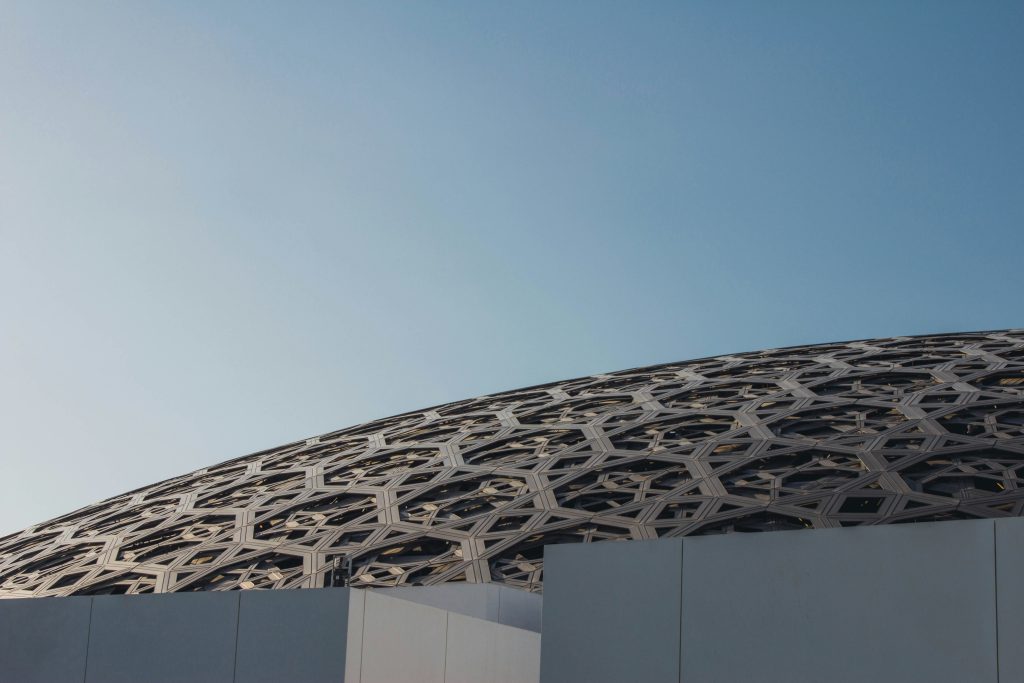
The development of the Saadiyat Cultural District has played a huge role in shaping that identity. Institutions such as Louvre Abu Dhabi have already changed the cultural landscape of the region, and with the upcoming Guggenheim Abu Dhabi and Zayed National Museum, the city continues to position itself as a place where global art and Emirati heritage can meaningfully coexist. At the same time, I think what matters equally are the more accessible and community-driven initiatives. Spaces like Manarat Al Saadiyat, Abu Dhabi Art, and creative programmes across the city have created opportunities for emerging local artists and young creatives to feel seen and supported. There is a growing confidence in the cultural scene now, a sense that Abu Dhabi is not only presenting culture to the world, but actively shaping its own creative voice.
When hosting someone you admire, where do you take them to reveal the side of Abu Dhabi that’s closest to your heart?
Always the Mina. No matter who visits, that’s the place I return to most naturally, because it feels like the most honest reflection of Abu Dhabi to me. It’s not overly polished or performative. It’s creative, warm, layered, and deeply human. You can spend hours simply walking, speaking to people, discovering small details, and observing everyday life unfold around you.
That’s the version of Abu Dhabi I love most, the quieter side of the city that reveals itself slowly.
For someone visiting Abu Dhabi, what should they know to experience the city more meaningfully?
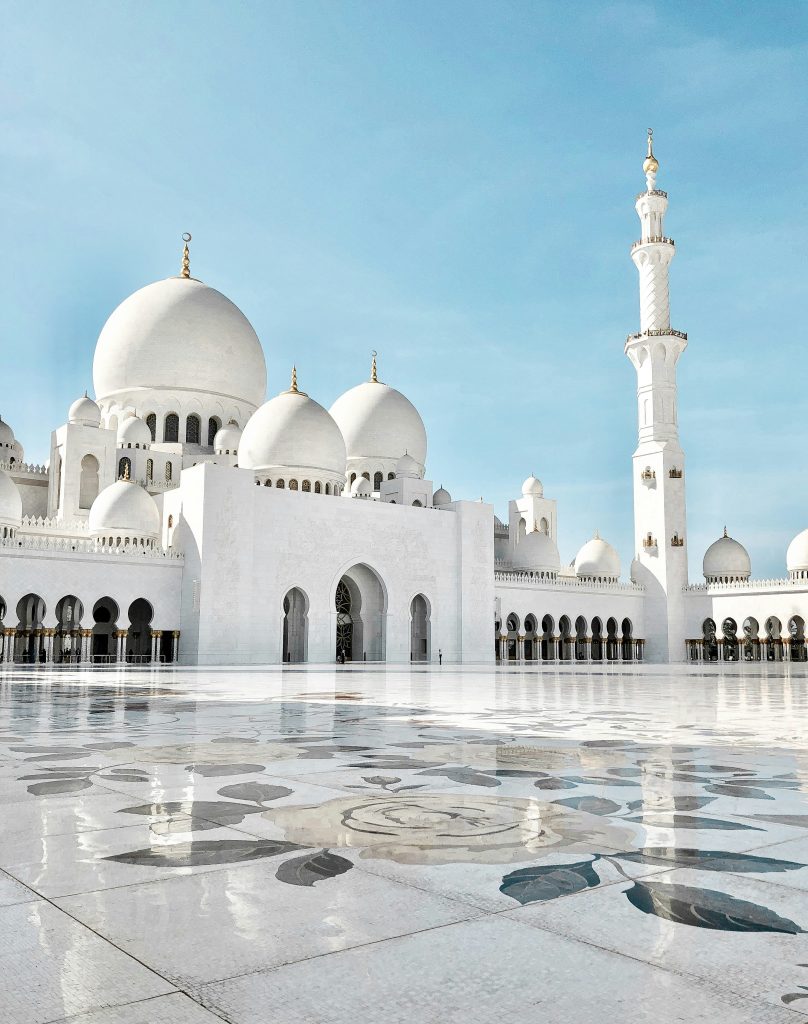
I believe the most important thing when visiting any country is to approach it with respect, curiosity, and openness. Abu Dhabi is a very welcoming city, but understanding and appreciating local customs makes the experience much richer and more meaningful.
That can be as simple as dressing modestly in public spaces, being mindful of traditions, or taking time to learn about the culture and people beyond the surface. I always feel that when visitors slow down and genuinely engage with the city, they discover a completely different side of Abu Dhabi, one built around generosity, warmth, and human connection, rather than only landmarks or luxury.
What has living in Abu Dhabi taught you about community and connection across cultures?
Living in Abu Dhabi has taught me what real love for a place feels like. Being surrounded by so many cultures and perspectives every day has deepened my appreciation not only for my own country, but also for the importance of connection, empathy, and representation.
You learn very quickly here that community is built through openness and mutual respect. Abu Dhabi brings together people from everywhere, yet there’s still a very strong sense of harmony and coexistence.
It has taught me the importance of carrying your culture with pride while remaining open to others, and of representing your country thoughtfully and respectfully wherever you go.