


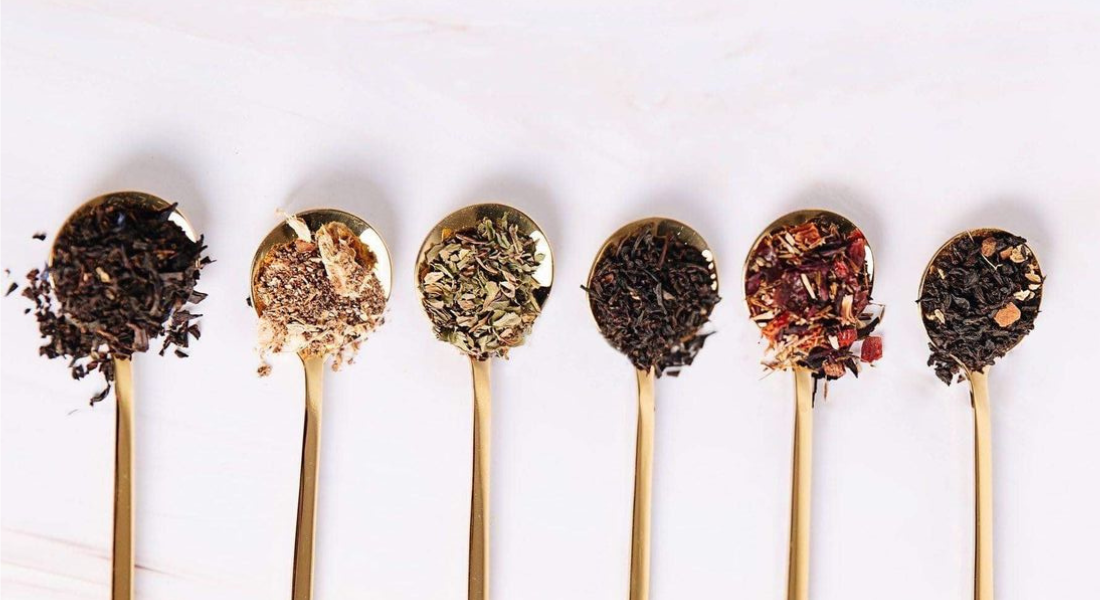
Long before wellness became a global trend, the Arab world had its own rituals of healing rooted in nature, nourishment, and centuries of traditional knowledge. Today, as consumers seek more intentional and culturally connected approaches to wellbeing, many of these ancient ingredients are quietly making a powerful return.
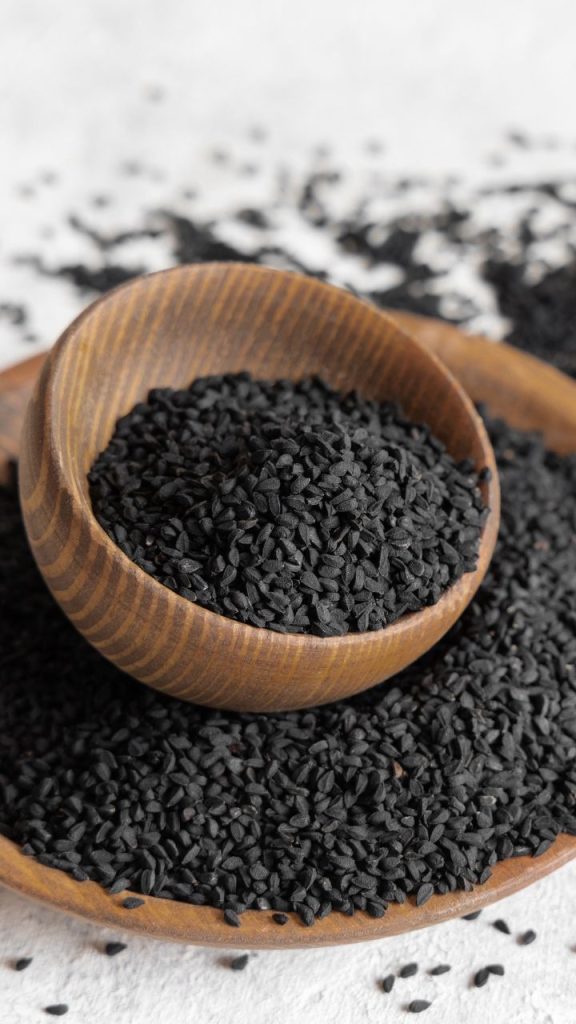
Among the most revered is black seed, known in Arabic as Habbat Al Barakah, the “seed of blessing.” Derived from Nigella sativa, black seed has been used across Arab and Islamic medicine for centuries, traditionally consumed with honey, milk, or bread, and valued for supporting overall wellbeing. Today, black seed oil is making a strong return through immunity blends, scalp treatments, clean beauty formulas, and natural supplements, prized for its antioxidant-rich profile.
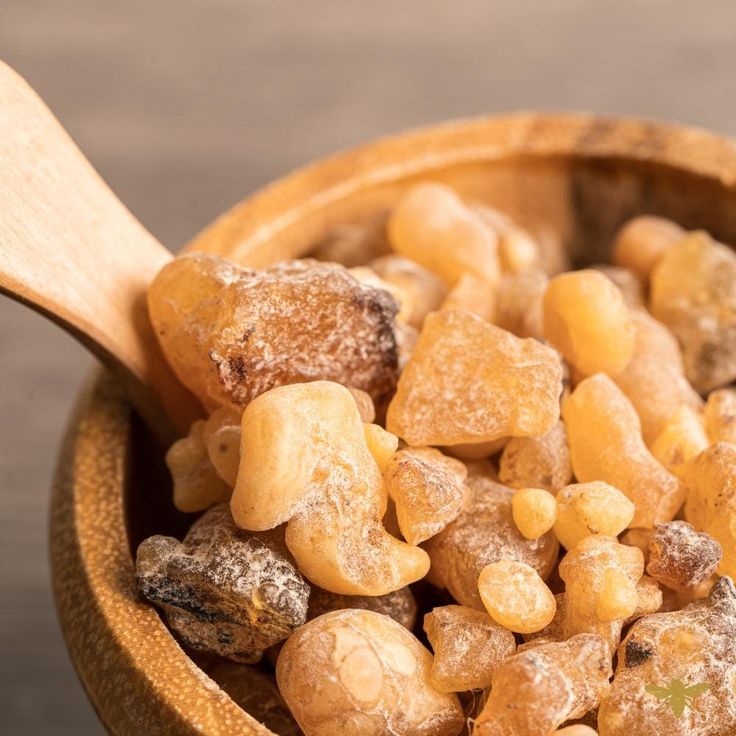
Then there is frankincense, or luban, one of Arabia’s most iconic botanical treasures. Harvested from Boswellia trees in Oman and southern Arabia, frankincense has been traded across the region for over 5,000 years. Once burned in homes for purification and spiritual rituals, it is now experiencing a modern revival through essential oils, meditation practices, luxury skincare, and wellness treatments focused on relaxation and restoration.
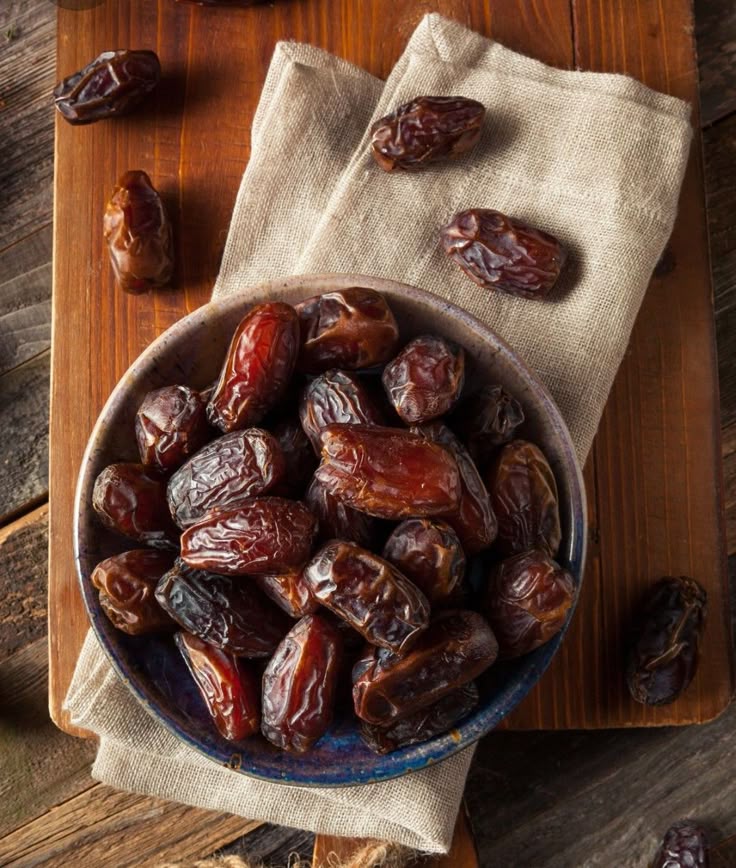
Dates, often described as the fruit of desert life, are also being rediscovered through a wellness lens. Cultivated in Arabia for thousands of years, dates have long symbolised nourishment, hospitality, and resilience. Once essential for sustaining travellers across harsh landscapes, they are now appearing in protein bars, natural sweeteners, energy blends, and functional snacks, offering a nutrient-dense alternative to refined sugar while maintaining deep cultural significance.
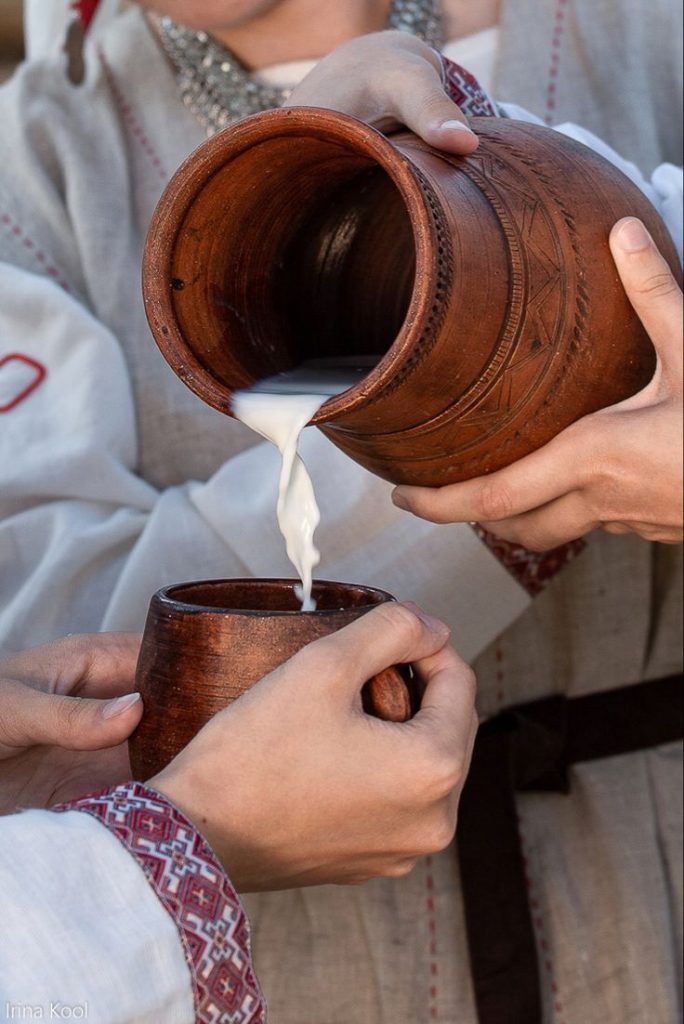
Another ingredient making a strong return is camel milk, a staple of nomadic life across the Arabian Peninsula for centuries. Known for its digestibility and nutritional value, camel milk is increasingly being reintroduced in premium cafés, protein products, skincare formulations, and wellness-focused food concepts across the GCC. Its revival reflects a broader movement towards ingredients that are both locally rooted and nutritionally functional.
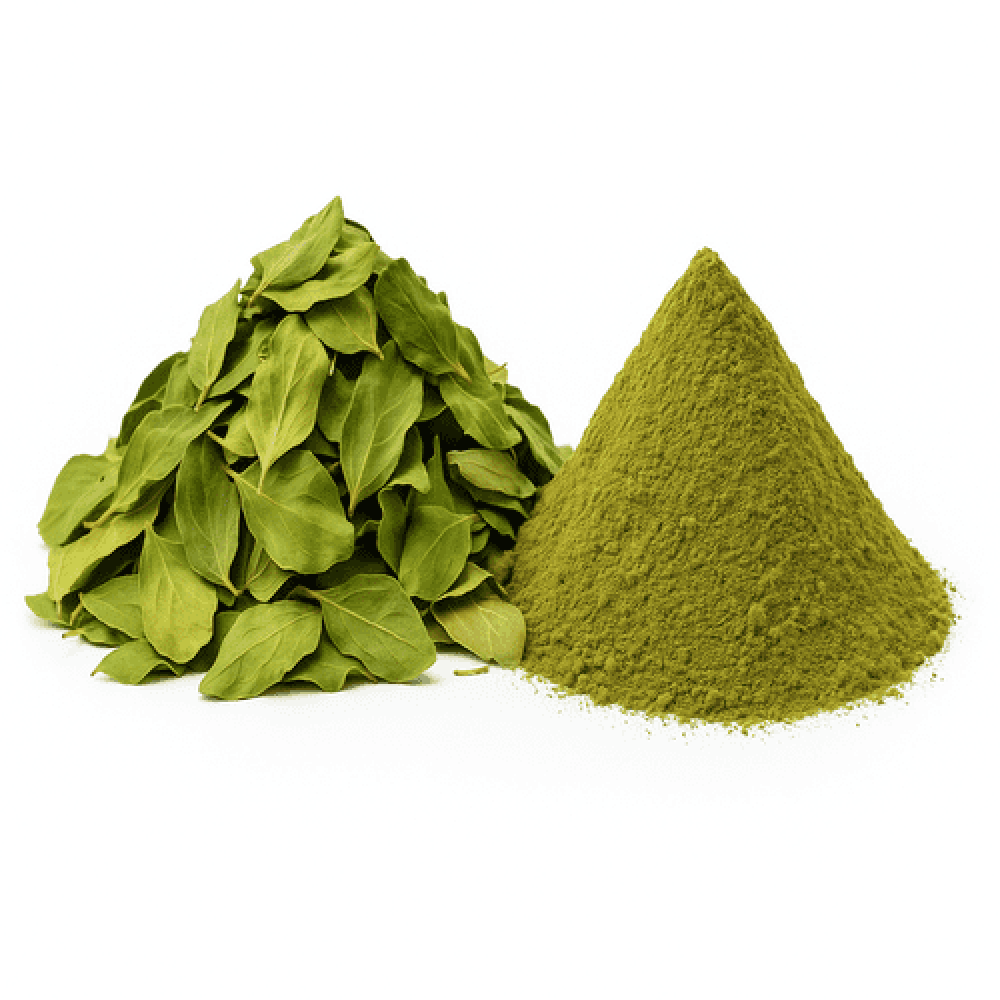
And then there is sidr, derived from the leaves and honey of the Ziziphus tree, long used across Arab households for cleansing rituals, hair care, and skin treatments. Traditionally associated with purity, healing, and nourishment, sidr is now finding its way into clean beauty formulations, scalp therapies, and natural wellness products, bridging centuries-old rituals with modern self-care.
In an era where wellness feels increasingly personal, these ingredients are proving that innovation does not always begin in a laboratory. Sometimes, it begins in traditions that have quietly endured for centuries.