


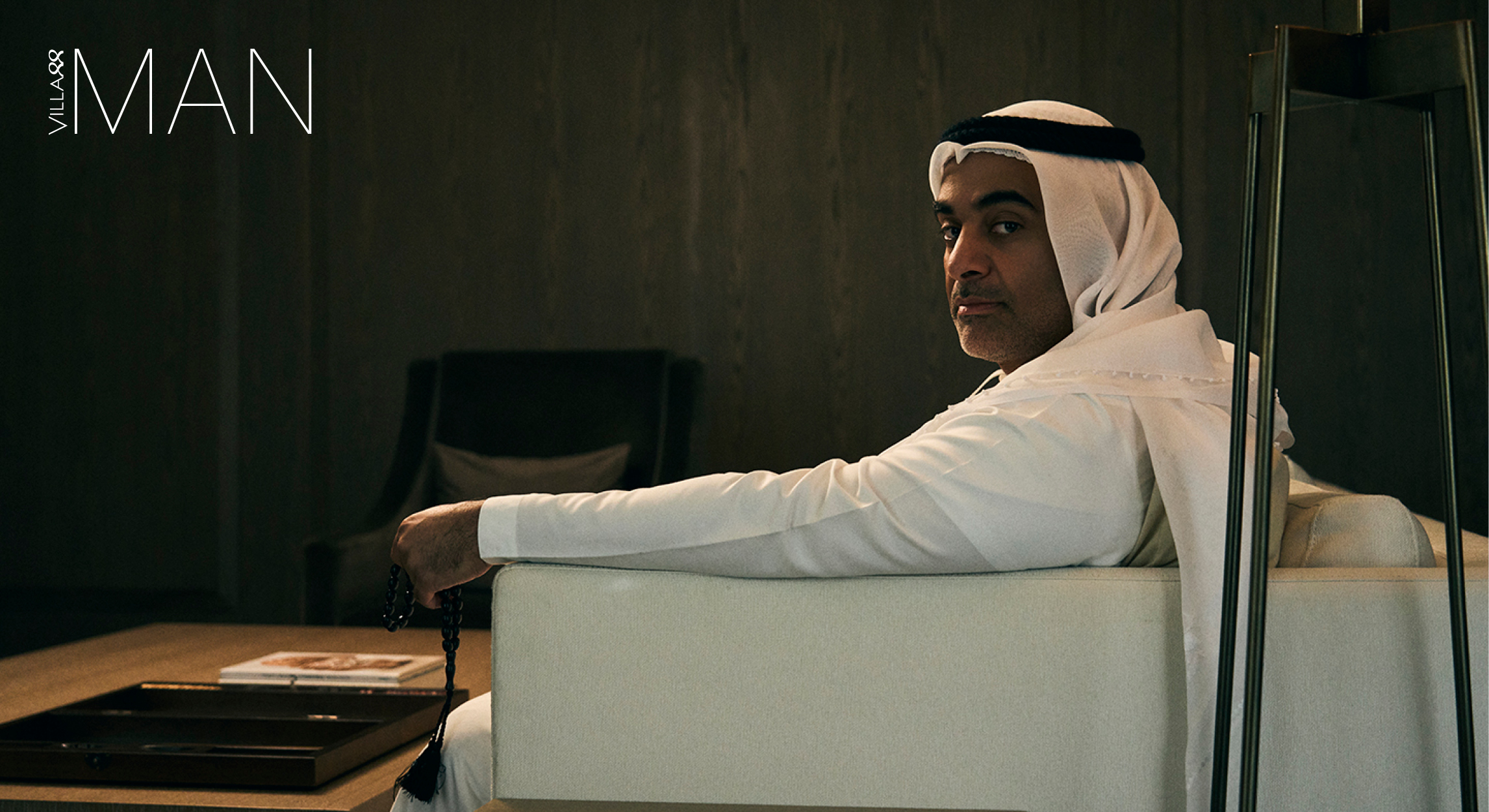
From Egyptian cotton fields to the French Riviera, Carter & White is defining what it means to be the first Emirati luxury Maison on the global map. Leading this charge is founder and CEO, Marwan Al Serkal.
Founder / EIC: Asma Al Fahim
Deputy Editor: Priyanka Pradhan
Creative Direction/ Production: Beya Bou-Harb
Photographer / Videographer: Ben Cope
Talent: Marwan Al Serkal
Grooming: Mattia Esposito
Assistant Photographer: Japskie Hardin
Location Shoot: The AbuDhabi Edition
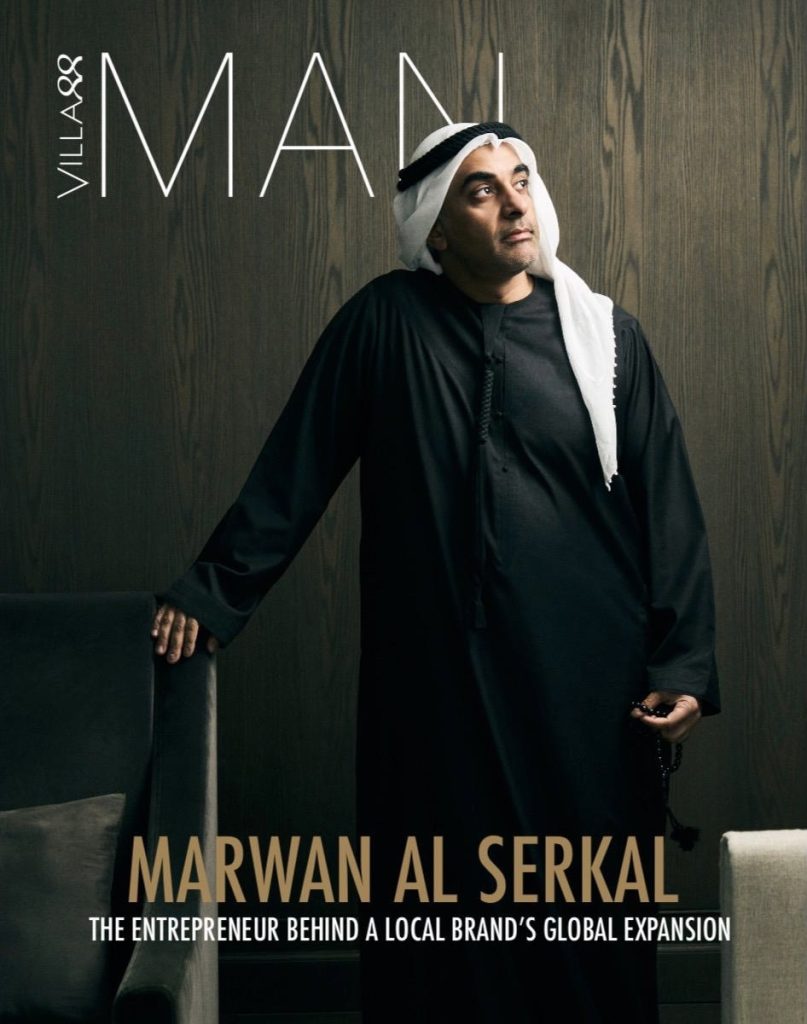
H e spent two decades in banking and finance before flying to Egypt to touch raw cotton with his own hands. What Marwan Al Serkal found there went on to become homegrown luxury fashion brand Carter & White, which now sells ‘Made in the UAE’ garments to Italian customers who know exactly what quality means.
“The name Carter & White was chosen to signal a certain universal language of luxury – timelessness, tailoring, discretion, and heritage,” he says. “It carries the cadence of an old-world house, something that feels established, familiar, and globally legible. That was intentional. But the deeper story is that the brand was never meant to imitate Europe. It was meant to enter the global luxury conversation from Dubai.”
Marwan is the founder and CEO of what he describes as the first Emirati luxury fashion house. He is also, by any conventional measure, the last person you might expect to have built it. A former investment banker, he moved through HSBC and Credit Suisse, sitting on boards, reading capital structures, watching deals close. The distance between that world and a store on the French Riviera selling resort wear to Italian clients is vast, and Marwan acknowledges that. “Banking is largely transactional,” the former banker explains. “You’re working on deals, structuring financing, managing risk…but you’re one step removed from the end customer. Retail, on the other hand, is immediate and visceral. You see customer behaviour in real time, you shape experiences directly, and your decisions show up on shelves, in stores, and in people’s daily lives.”
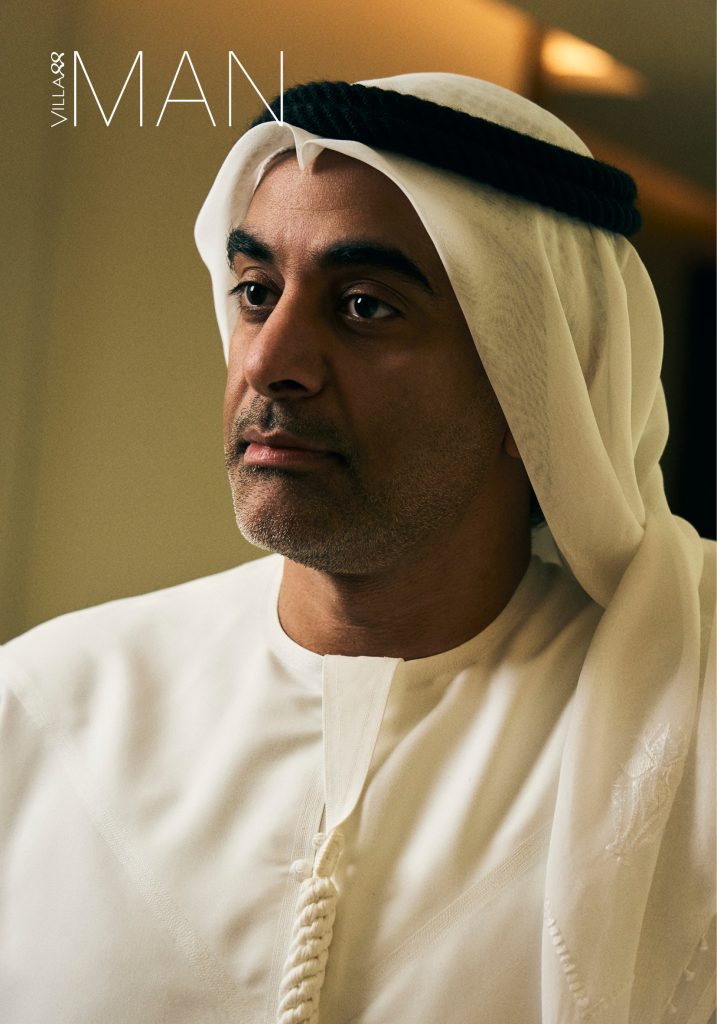
The origin of Carter & White, like all good brand stories, is rooted in a specific act of curiosity. Marwan flew to Egypt specifically to find Giza cotton. Not to order samples, but to see the fields himself, meet the graders, and understand the supply chain from the ground up. What he encountered there gave him both the material and the mission. “There is genuinely exceptional cotton grown in Egypt, particularly in the Giza regions along the Nile, but there’s also a lot of inconsistency in how the term is used globally,” he says. “‘Egyptian cotton’ had, in many cases, been diluted as a label. That gap between what it should be and what it had become was the first spark. The quality existed, but the transparency didn’t.”
Today, Carter & White has 14 stores across the UAE, the wider Gulf region, and Europe, with two more set to open before the end of the year, and a stated target of 100 stores globally by 2030. The brand also has seasonal boutiques in Porto Cervo, Cannes, and Marbella. It has a store in Italy too, where 60 percent of the customers are Italian, and the clothes are tagged ‘Made in the UAE’.
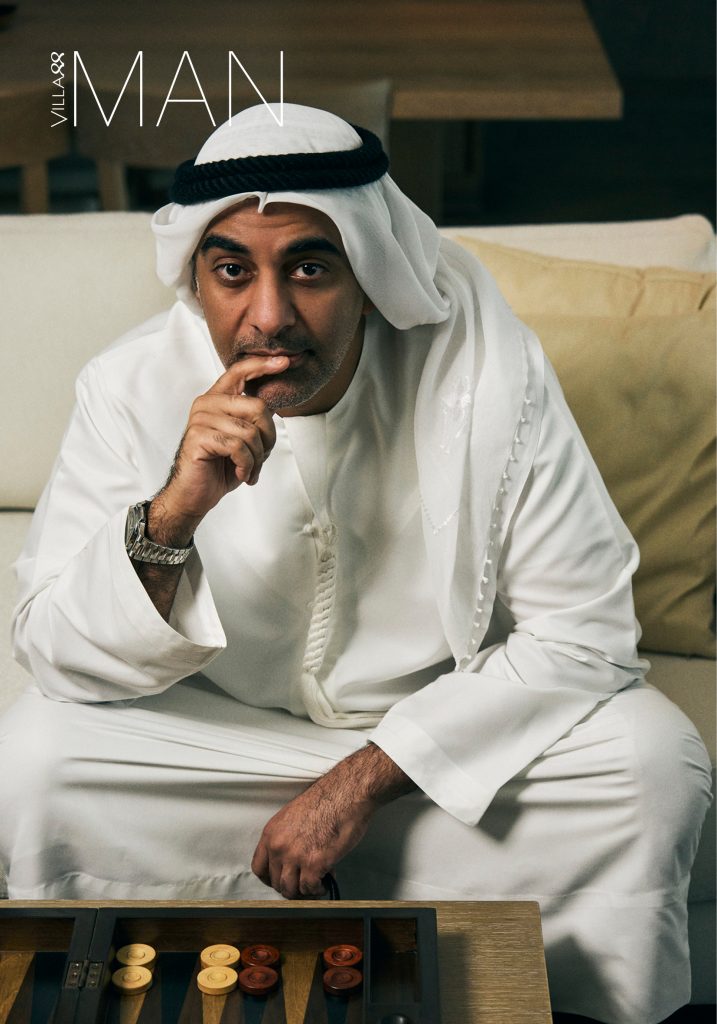
Marwan describes that last fact with something close to reverence. “To see a store in Italy, a country that has shaped global standards of craftsmanship, style, and luxury, carrying garments marked ‘Made in the UAE’ is deeply meaningful,” he shares. “The fact that many of our customers there are Italian matters because they understand quality,” he adds. “They know cut, fabrication, finishing, and value. They are not buying the story alone. They are buying the product. That is the highest form of validation.”
A former investment banker with over two decades in finance, Marwan stepped into the world of retail in 2016. The seasonal boutiques follow what Marwan describes as the brand’s natural habitat. “Our customer moves between cities and coastlines, between business and leisure, between formal life and relaxed elegance. The brand should be present where that rhythm exists,” he says.
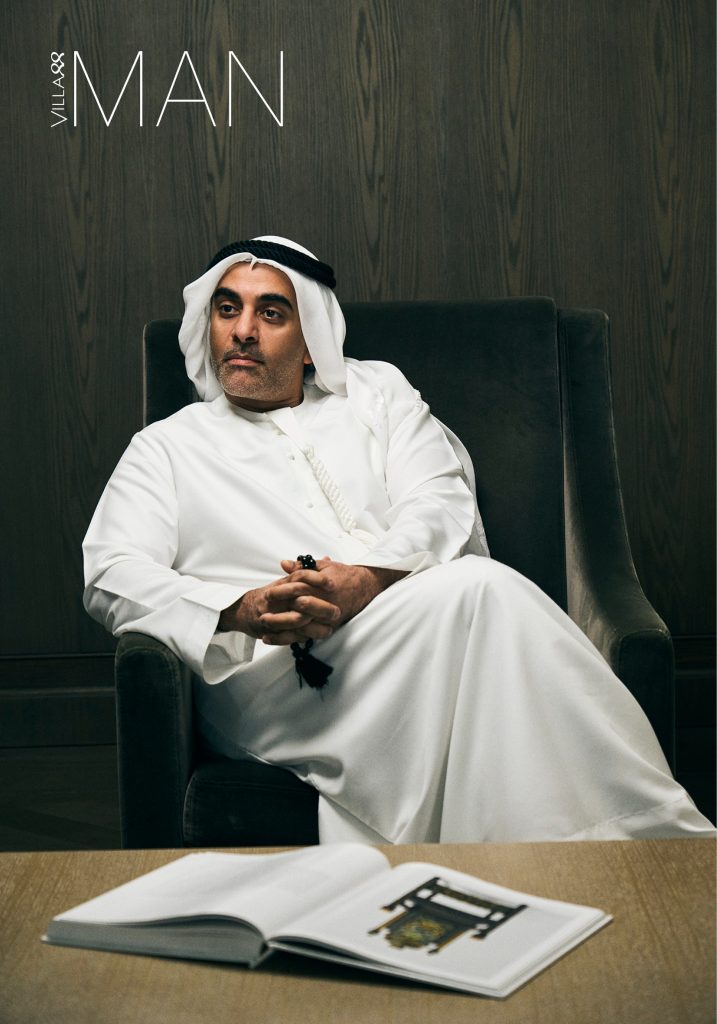
Of all the addresses, he singles out Cannes as the city that changed him most. “There was something powerful in seeing a brand born in the UAE feel natural on the French Riviera,” he says. “It confirmed that elegance, confidence, and quality are universal languages when executed properly. Cannes made me see the brand not as regional ambition, but as international possibility. Every label that says ‘Made in the UAE’ in an Italian wardrobe represents confidence that we no longer only admire global standards. We can set our own.”
Carter & White’s early go-to-market strategy placed the brand at the Dubai International Boat Show and private jet exhibitions, rooms full of people who, as Marwan puts it, already own everything. Most brands approach that customer incorrectly, he believes. “What many luxury brands misunderstand is that truly affluent customers are often the least interested in being impressed,” he says. “They already have access to everything. Ownership is not the aspiration for them. Discernment is.” He also notes that there’s a misconception about brand loyalty at the top of the market.
“Many legacy luxury houses speak at wealthy customers through image. Very few genuinely listen to them,” he says. “Another misconception is that high-net-worth clients are loyal only to heritage names. They are often more open than people assume. If the product is exceptional and the relationship feels personal, they enjoy discovering something not everyone else has found yet. The wealthiest customer is often not chasing more. They are chasing better.”
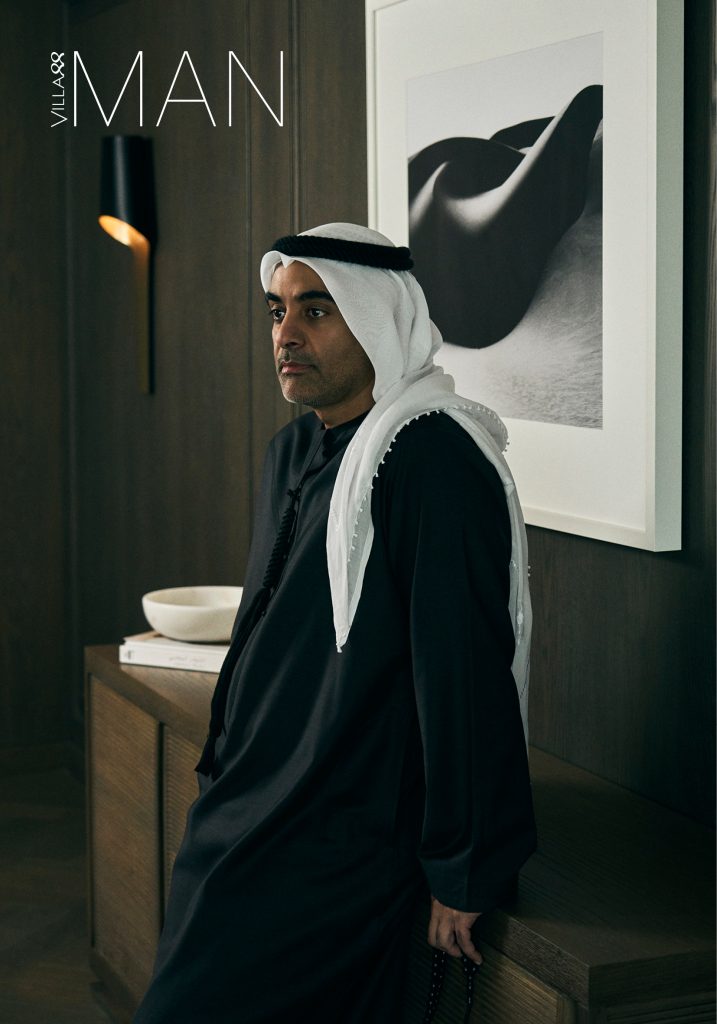
In 2023, Carter & White closed a Series A round of AED 40 million. The total capital raised is now approaching AED 100 million, with a potential public listing slated for 2030. “A public listing is not simply a financing event,” Marwan says. “It is a transformation of discipline. Markets price governance, credibility, consistency, and leadership maturity. If we list, the real milestone will not be the bell-ringing moment. It will be having built a company worthy of public trust.”
When asked about the one object in his wardrobe he refuses to replace no matter how worn it gets, he answers without hesitation – a white T-shirt in 100% Giza cotton. “A truly great white T-shirt becomes like architecture – clean lines, balance, proportion… nothing unnecessary.”
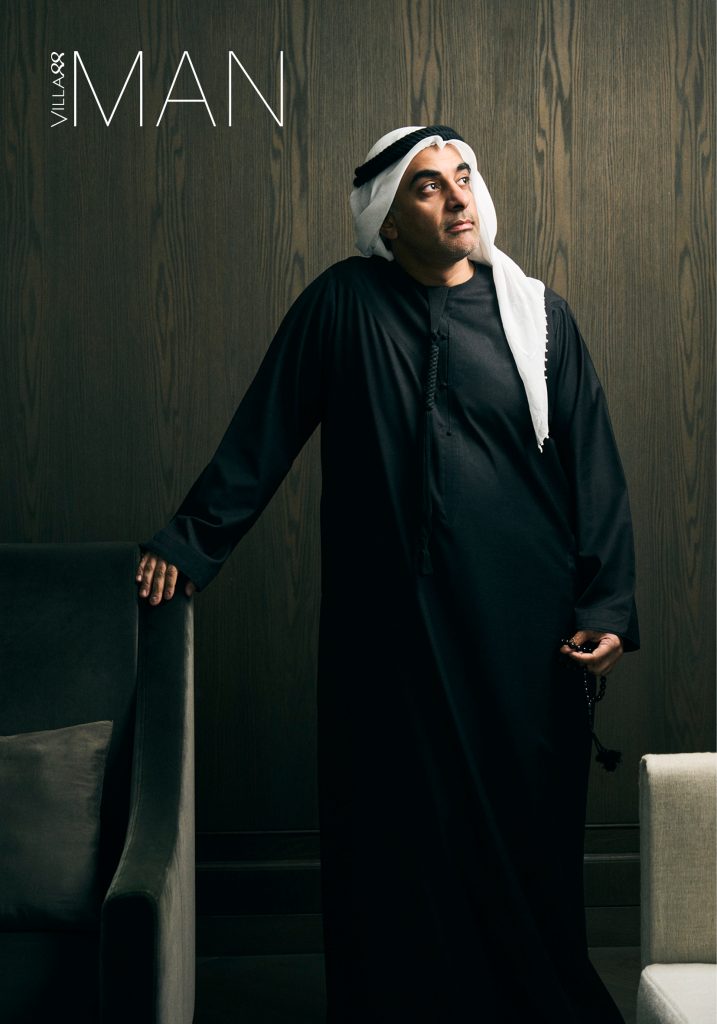
Marwan wants his customers to feel confident. “Not the confidence that comes from logos or attention or proving something to others,” he says. “The deeper confidence that comes from knowing you’re wearing something well-made and aligned with who you are.” What Marwan understood, somewhere between a cotton field in Egypt and a boutique in Cannes, is that a Maison is built in the same way as a fabulous white T shirt – carefully, from the right materials, and for the right reasons.