


Where, how and why to collect in today’s world
Collecting art in 2026 is a different process than it was ten or twenty years ago. In a world where we have so much access to art as well as the impact of technology and AI, recognising true creative talent is often shaped by instinct and a growing awareness of cultural context. The most compelling collections often begin with a work that holds attention and continues to resonate beyond a first encounter. That initial response remains a reliable guide, offering a natural starting point for building a collection with clarity and intention. As Jean-David Malat, Founder of JD Malat Gallery, explains, “start with emotion, not decoration… Art is something you wake up with, have dinner with, and live beside. If a work makes you feel something, calm, curiosity, energy, nostalgia, then it is already a good sign.”
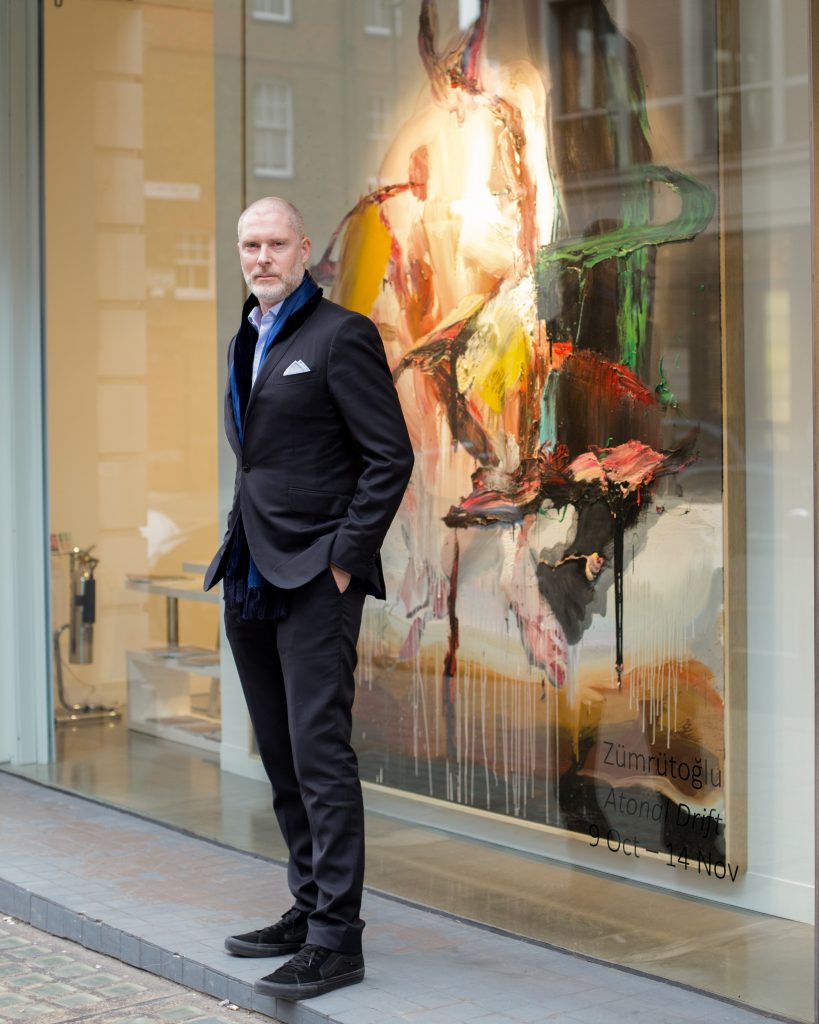
Across the Middle East, collecting has become increasingly connected to the region itself and its talented artists. There is a heightened focus on artists from the UAE and the wider region, whose practices reflect identity, memory and contemporary life. Malat points to a clear shift in mindset: “collectors are no longer buying art only as decoration or as a symbol of status, they are building collections, supporting artists, and living with art in a very personal way.” This evolution is shaping a more engaged audience, one that is curious, informed and increasingly invested in the cultural narratives behind the work.
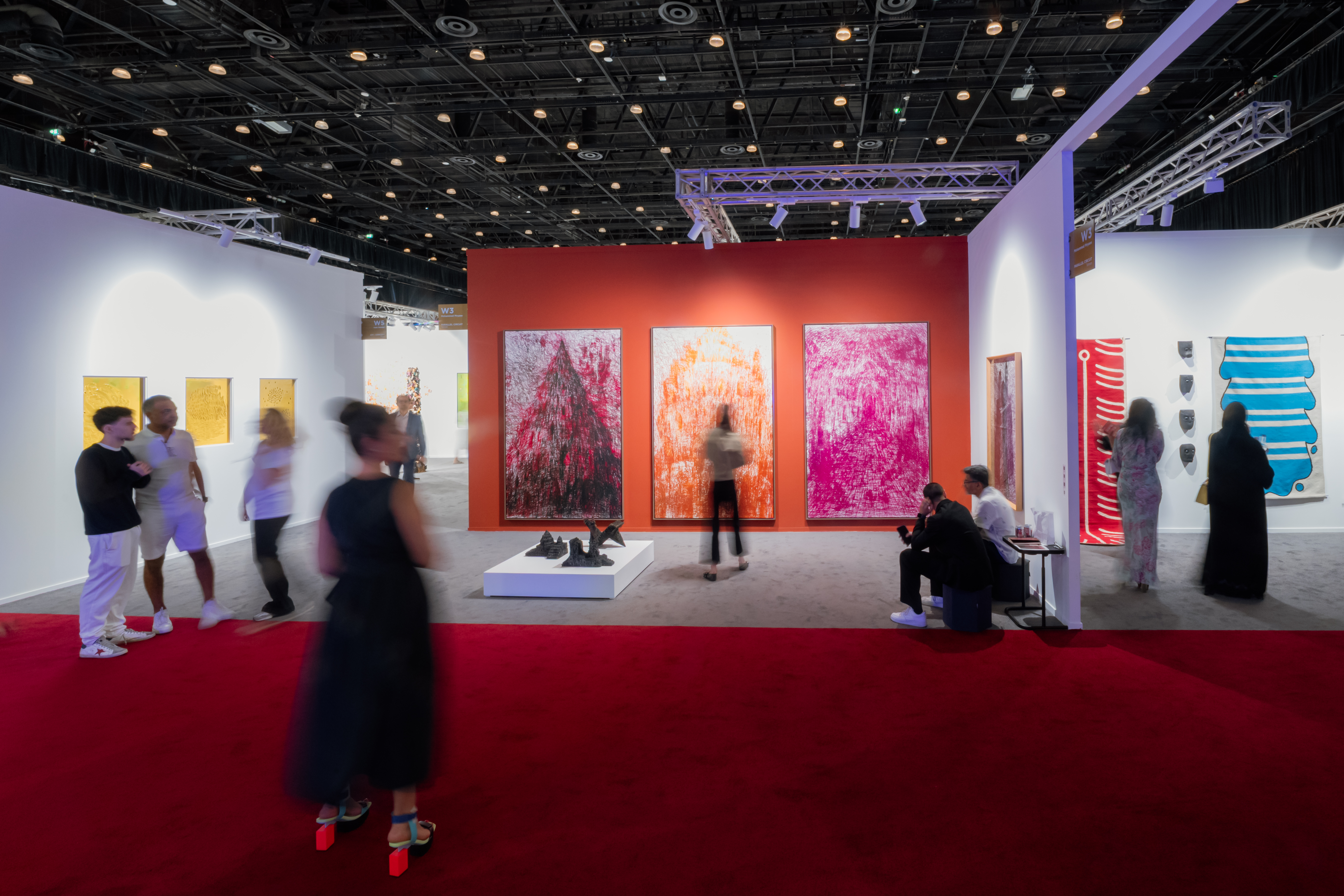
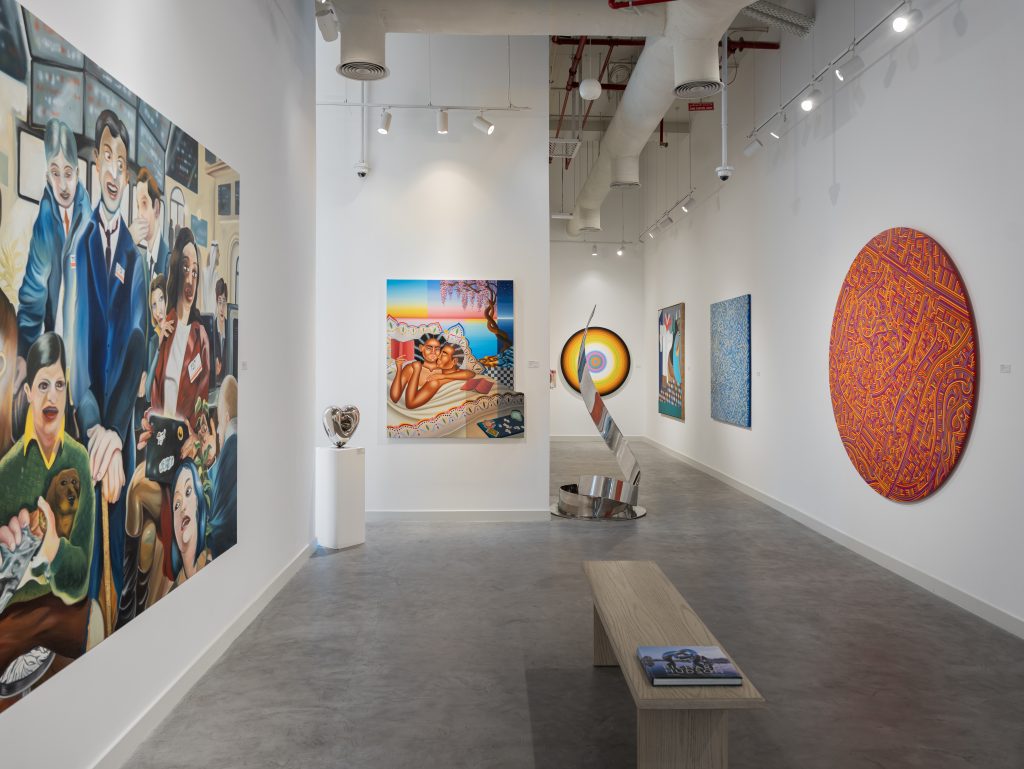
Understanding where to look is central to this process. Art fairs such as Art Dubai and Abu Dhabi Art remain key entry points, offering a comprehensive overview of both regional and international practices. Beyond fairs, small galleries with carefully curated art pieces provide a more continuous point of engagement, where conversations with gallerists can shape a collector’s perspective over time. As Malat notes, “it is my role as a gallerist to guide collectors towards artists with strong careers, museum shows, institutional recognition, and an international market.” He references some of the artists currently represented by JD Malat, including Conrad Jon Godly, Darren Reid and Nojo Masayoshi – all unique in their own right and bringing something different to the industry.
Digital platforms are now integral to how art is discovered and researched. Online marketplaces such as Artsy and Artnet allow collectors to explore artists globally, track availability and understand pricing structures, while Instagram offers direct access to studio practices and emerging voices. These tools enable a more considered approach, allowing collectors to observe, follow and refine their perspective before making decisions.
Practical considerations remain essential. Medium, edition and provenance provide clarity, while scale and placement ensure a work sits comfortably within its environment. Asking questions is part of the process, whether about the artist’s background, the work’s significance or its place within a broader body of work. “The best collections are built with both the heart and the eye,” Malat adds. “Emotional connection is essential… but when emotion and quality come together, that is usually where long-term value is created.”
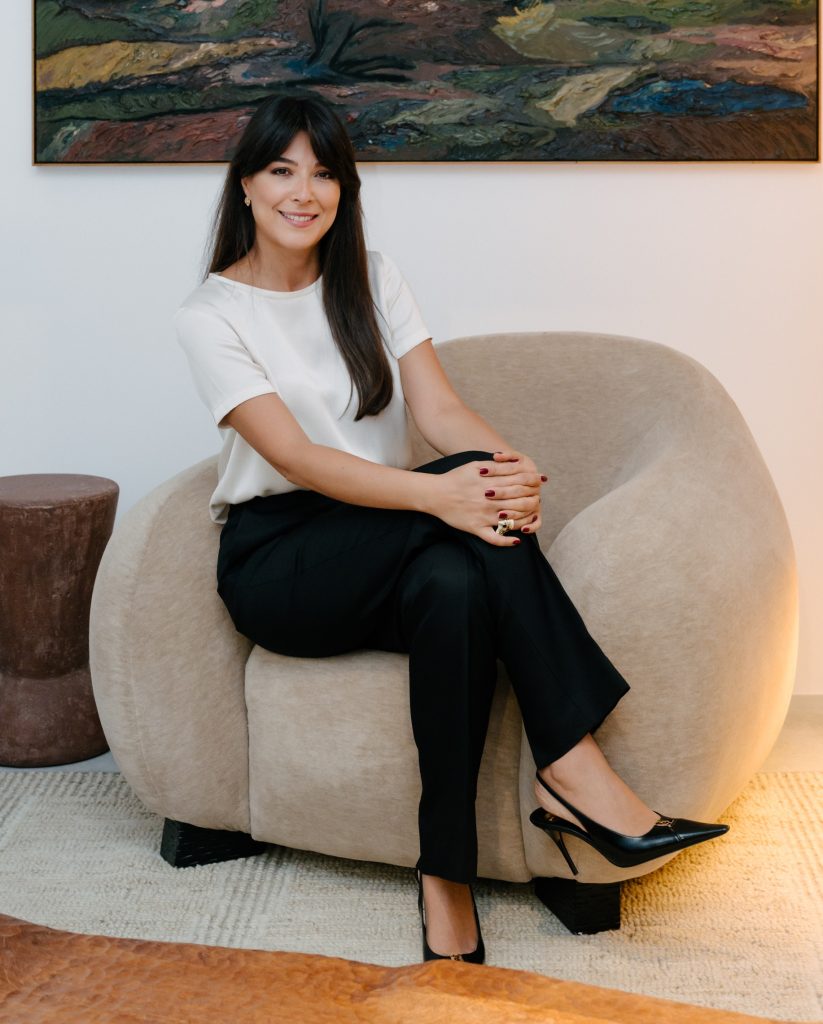
For Christelle Bassila, Founder of The A/P Room, collecting today is closely tied to a broader shift towards meaning and permanence. “In moments of uncertainty, we instinctively return to what feels real… materials that carry weight, forms that endure, and objects that anchor us in our daily lives.” She notes. “We are witnessing a move away from impulse, toward meaning… toward works that resonate deeply, that stay, that evolve with us.”
She adds: “There is a quiet reassurance in craftsmanship. In the hand of the artist. In the intention behind a gesture. These works carry a sense of permanence that contrasts with the volatility around us. They remind us that time, care, and material still matter.
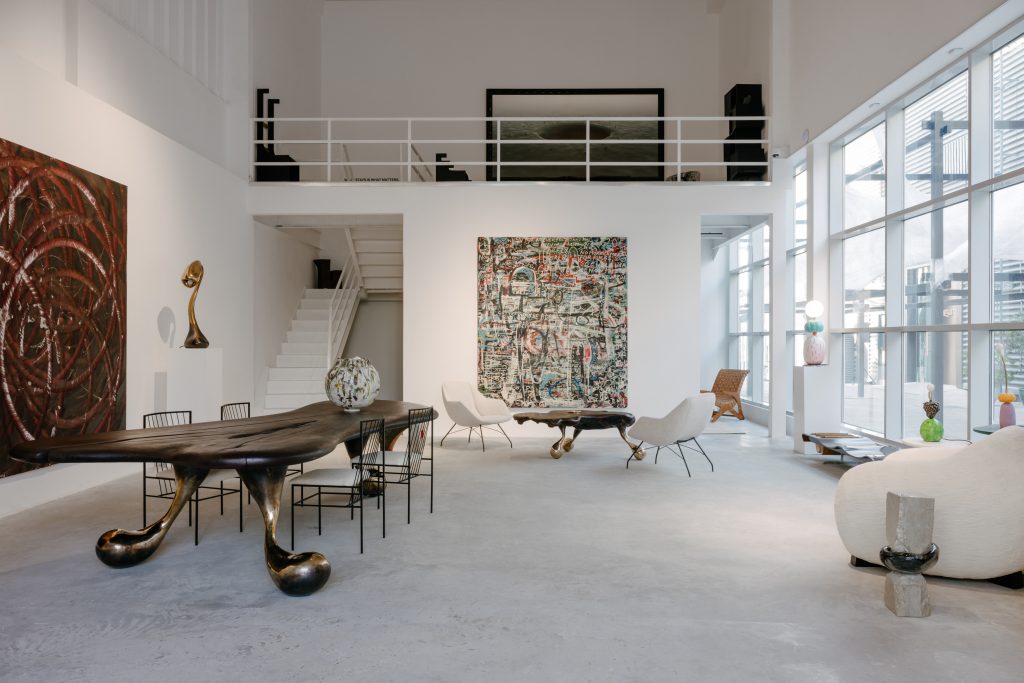
This is particularly evident in the growing interest in regional practices. Bassila highlights artists such as Sayar & Gharibeh, Georges Mohasseb and Roham Shamekh, whose work explores material, identity and place with a strong sense of narrative and precision. At the same time, international names continue to shape the global conversation, reinforcing the importance of looking both locally and globally.
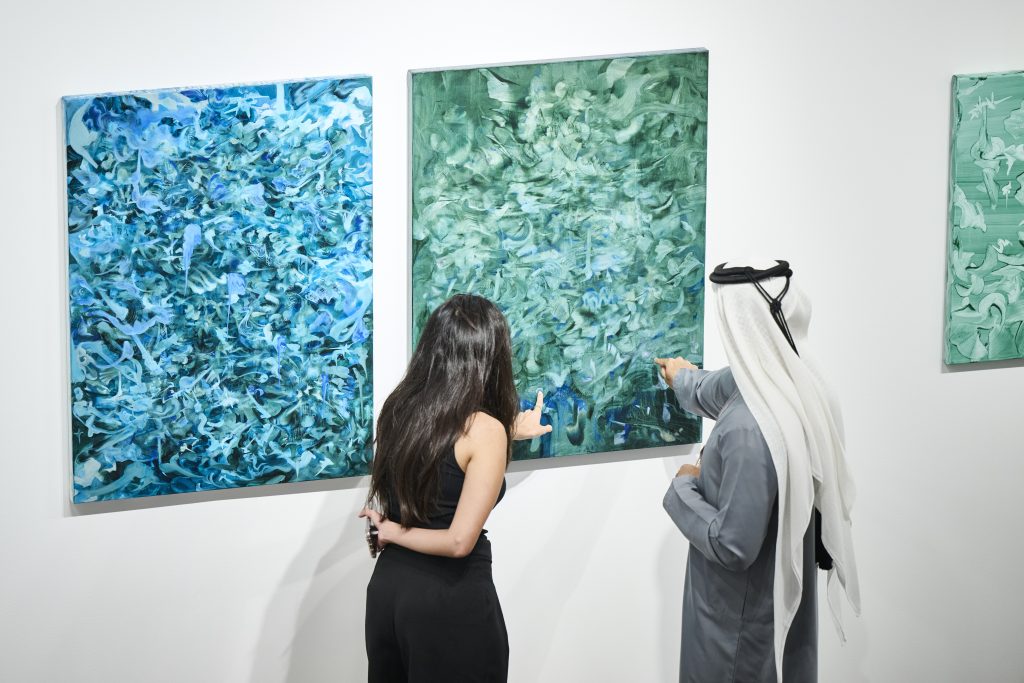
Collecting, ultimately, is an evolving process. Over time, patterns emerge, tastes refine and a collection begins to reflect a distinct point of view. Shaped by curiosity, dialogue and experience, it becomes a personal landscape, one that continues to grow and deepen with every acquisition.
Galleries and Collectives to Visit in the UAE: