


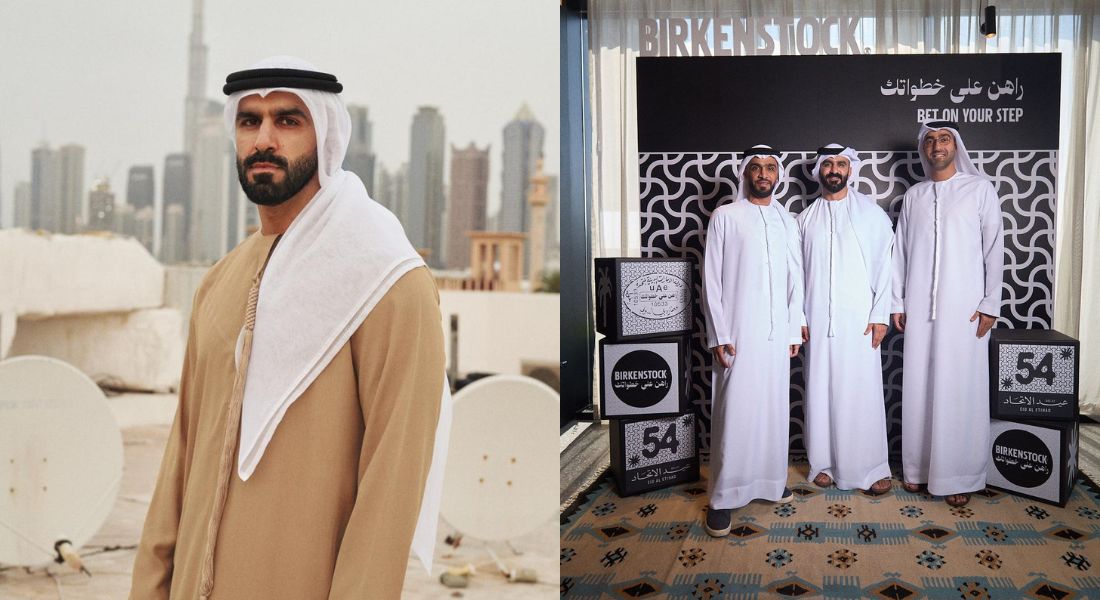
Local identity and global narrative: In conversation with Ahmad Al Gergawi, Founder and Managing Director of Dyemension A
At The Grey in Dubai, over an afternoon that blended the city’s familiar warmth with its ever-evolving creative pulse, I sat down with Ahmad Al Gergawi. A storyteller, strategist, and the mind behind Dyemension A. What unfolded was not just an interview, but a portrait of a homegrown creative whose identity has grown in parallel with the city he represents.
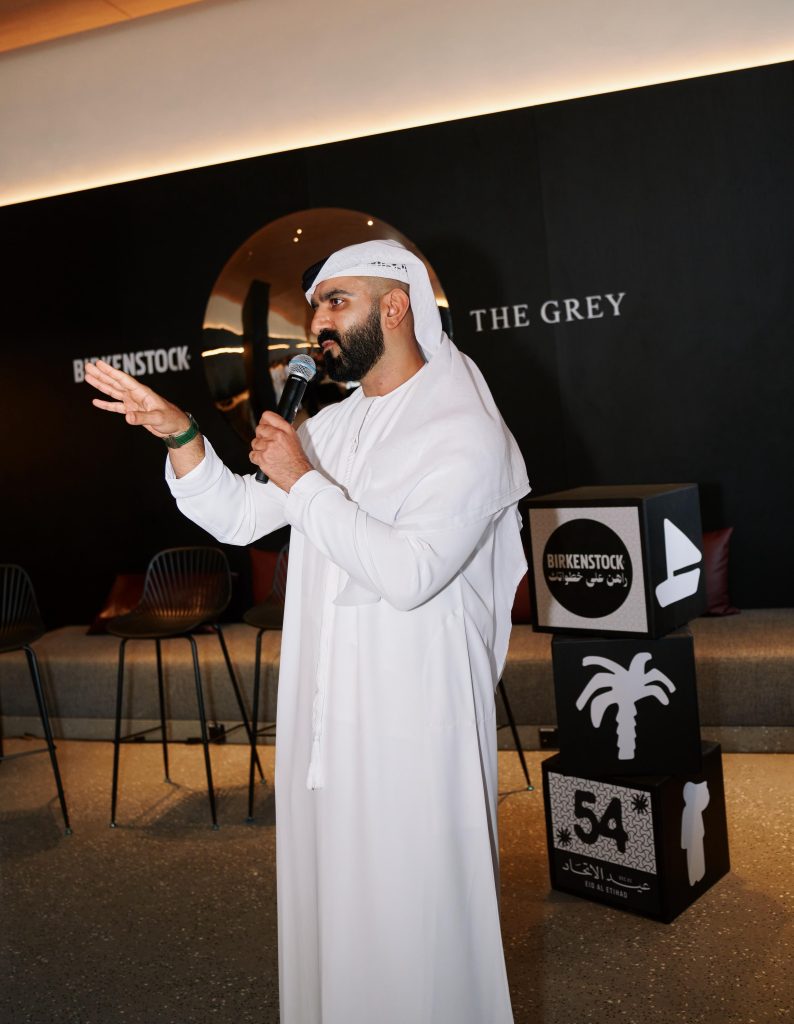
Ahmad speaks about Dubai the way one speaks about a family member. Intimately, instinctively, with a sense of responsibility and pride. His world is one where heritage meets global sophistication, where brands aren’t simply localized but reinterpreted through lived culture, real voices, and the stories of the people who shape the UAE every day.
As we talked, it became clear that his approach to travel, branding, and culture is deeply intertwined. He sees cities as classrooms, boutiques as cultural markers, and creative ecosystems, from Alserkal Avenue to Daikanyama – as mirrors reflecting how communities define themselves. His work with global houses and homegrown institutions shows a commitment to authenticity that is rare: campaigns built by the people they represent, grounded in nuance, elevated through a global lens.
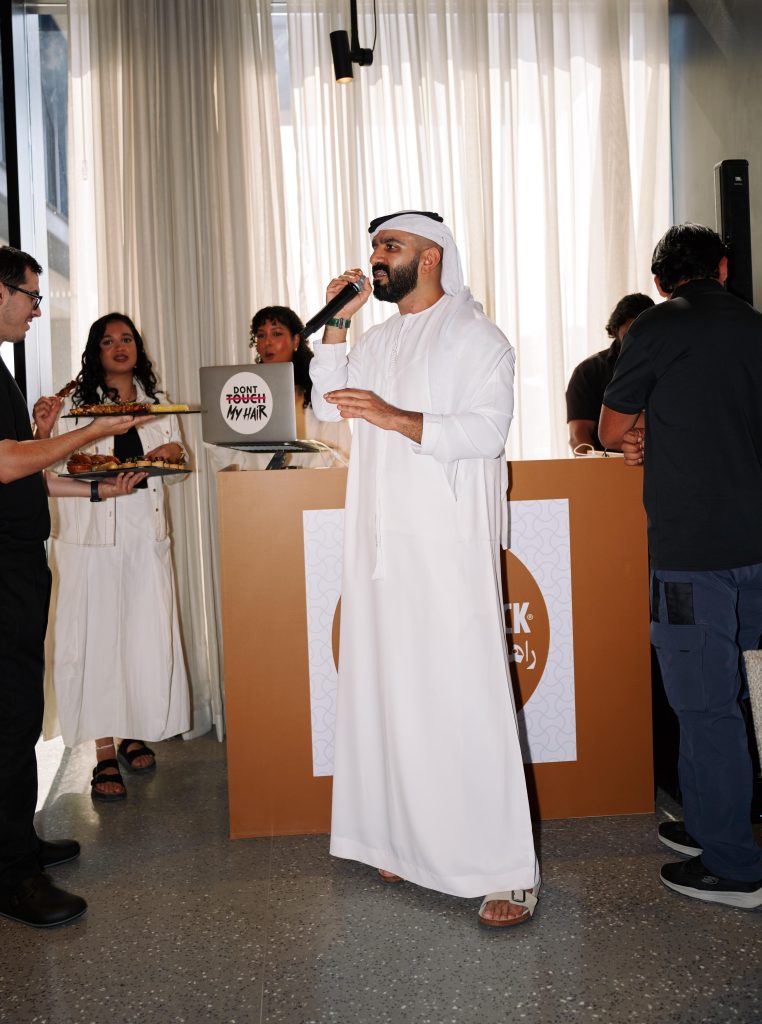
For Villa 88 Travel, Ahmad embodies the spirit of the contemporary Emirati creator – rooted yet outward-looking, deeply aware of the market’s rhythms, and unafraid to challenge outdated assumptions about the region. His insights reminded me that travel isn’t only about geography, it’s about perspective. And in a world where identity, culture, and branding now flow together, he stands at the crossroads, shaping how the UAE is seen, experienced, and understood on the world stage.
Growing up in Dubai, how has the city’s evolution influenced the way you position local culture within global brand narratives?
Nothing exists quite like Dubai for me. My identity and the identity of this city have always evolved together, each shaping the other in ways that feel inseparable.
I grew up in a lively, open home, surrounded by siblings and guided by parents who welcomed people from all walks of life. That constant exchange of cultures, stories, and perspectives was eye-opening, and in many ways, it mirrored the spirit of Dubai itself.
The 1990s and early 2000s were transformative years. It was a time when Dubai was rapidly growing, redefining itself, and stepping onto the global stage. Yet despite all the change, one thing has always remained constant: its people. The true wealth of Dubai lies not just in its skyline or ambition, but in the richness of experience, knowledge, and culture that its people carry.
Positioning a global brand within this landscape goes far beyond incorporating traditional art or surface-level cultural elements. It requires something deeper, allowing the brand’s story to be shaped by the people who live, experience, and interpret it here. In doing so, entirely new narratives emerge.
These are the authentic, often unheard stories, told by both locals and expatriates, that truly define the UAE. They are what give meaning to a brand’s presence, transforming it into something lived, felt, and uniquely rooted in this place.
Your work often bridges Emirati identity with international brands. How does travel, both personal and professional, shape your creative perspective?
Travel, for me, is not a luxury, it’s a necessity. It’s how you begin to understand that your experience isn’t singular, that countless others share, shape, and reinterpret the world in their own ways. Travel expands that awareness.
I’ve always been fascinated by how culture reveals itself in the smallest details. Even something as specific as stepping into a luxury boutique in another country can tell you so much. I make it a point to visit a Loewe store wherever I go, observing how each city subtly influences its aesthetic, merchandising, and storytelling.
We’ve seen global brands adapt meaningfully to local cultures. Prada celebrating Chinese New Year, or designing pieces like the Emirati men’s sandal (Na’al) for occasions such as Eid and weddings. These adaptations go beyond product; they reflect an understanding of cultural nuance.
Across cities today, there’s also a rise of creative ecosystems spaces that nurture local talent and independent brands. In Dubai, Alserkal Avenue has become a hub for this. You see similar energy in Tokyo’s Daikanyama and London’s Hackney, where creativity is rooted in community and identity.
For me, travel is ultimately about understanding how people define themselves, through music, art, and clothing. When you look closer, you begin to see how market trends shift across regions, how what resonates in one place may not in another, and why.
It’s in these differences and the stories behind them, that real insight lives.
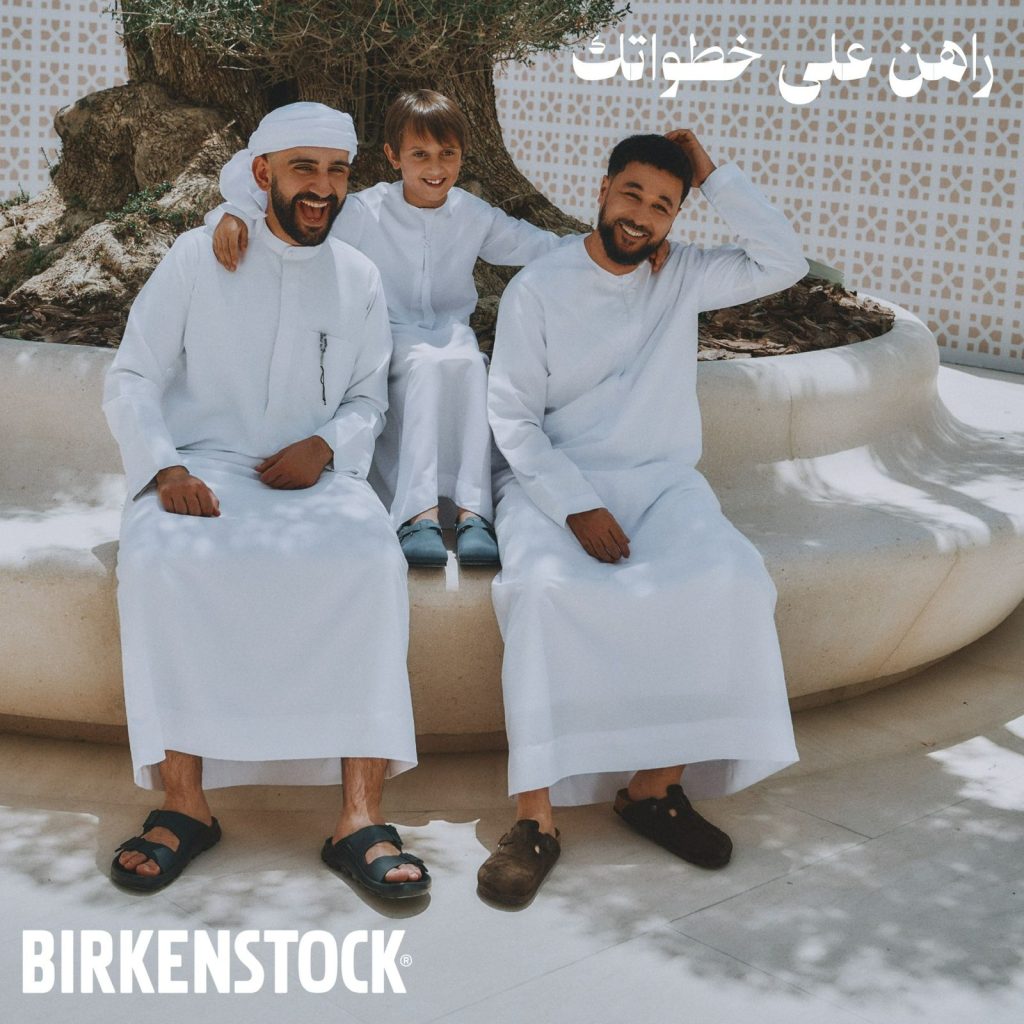
When working with global brands like Birkenstock, how do you ensure the UAE’s cultural nuances are authentically represented rather than adapted superficially?
Ensuring that a story is told by the people of the country is essential. Too often, we see creative campaigns developed without truly consulting or involving the communities they aim to represent.
When we worked on the Birkenstock campaign, we approached it differently. From the very beginning, representation wasn’t an afterthought, it was the foundation. The story was shaped through a local lens, ensuring authenticity at every stage.
This meant that the director, scriptwriter, cast, and even the businesses featured in the campaign were all Emirati. It wasn’t just about visibility; it was about ownership, allowing the narrative to be created, expressed, and defined by those who live it.
Can you share how your Birkenstock campaign redefined regional storytelling within a global brand framework?
Beyond the ad itself, it was important to create a real, community-driven experience around the campaign, specifically in the Emirati neighborhood of Al Khawaneej. By bringing the launch into that setting and building a connection between a UAE homegrown business, The Grey, and a global brand like Birkenstock, we extended the campaign beyond content into lived experience.
That collaboration reinforced the message in a more tangible way, showing that UAE representation doesn’t just exist in storytelling, but can be embedded in partnerships, spaces, and how people engage with the brand.
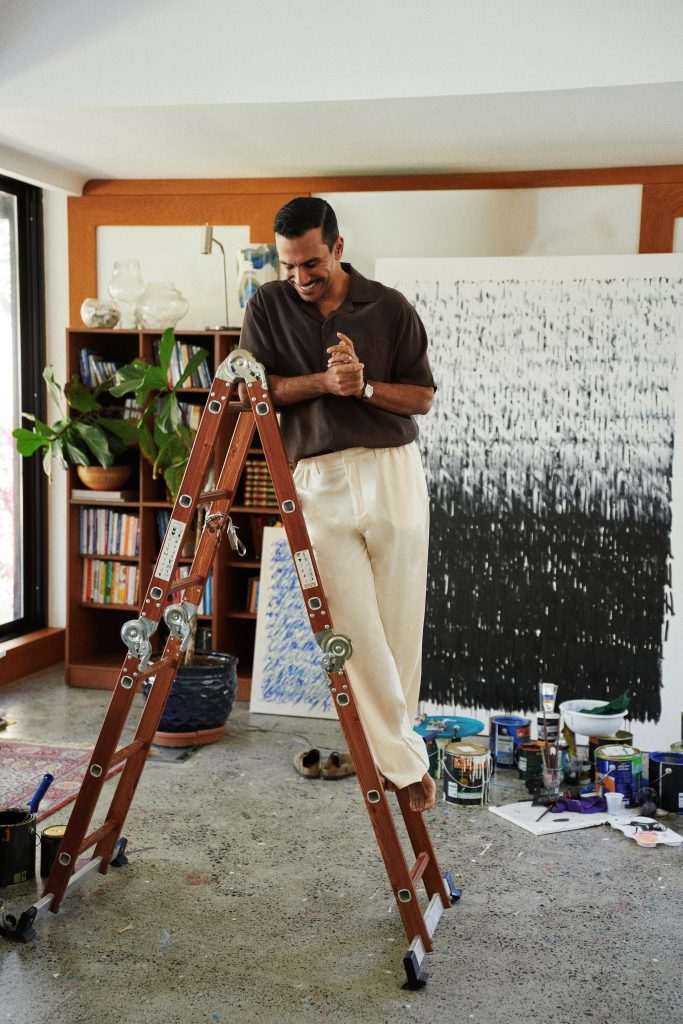
Many of your projects highlight place and atmosphere. How important is physical location and travel context when crafting a campaign?
Space is important, but it’s equally important not to oversaturate a space, style, or creative approach. Audiences today move quickly, they lose interest when ideas feel repetitive or overused.
With The Giving Movement’s Ramadan campaign, we intentionally moved away from relying on a physical setting. Instead, we reimagined “space” as something nostalgic and emotional, a place the creatives return to rather than one we simply film in. By focusing on Emirati creatives, we used their work and personal expression to communicate that feeling.
It shifted the narrative from showing a space to feeling it, keeping the storytelling fresh, more personal, and more impactful.
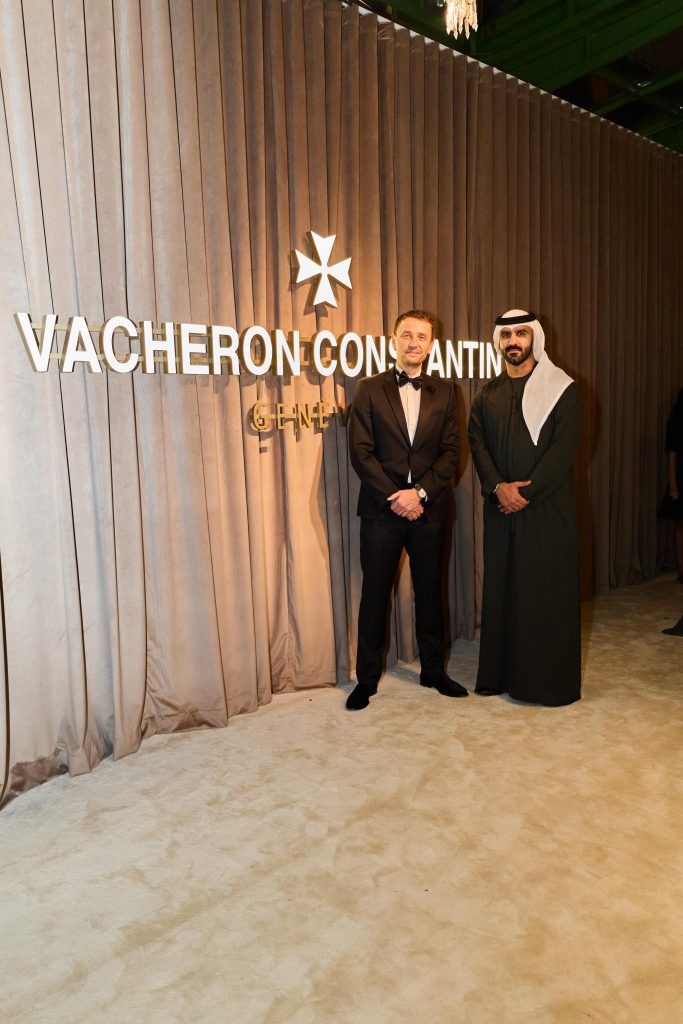
You’ve collaborated with luxury brands such as Vacheron Constantin and Van Cleef & Arpels. How do you translate regional heritage into a language that resonates with international audiences?
Translating regional heritage into a language that resonates globally starts with understanding that authenticity is universal. My work is rooted in the UAE’s unique balance between heritage and modernity. Something I grew up experiencing firsthand, and I aim to express that in ways that feel both culturally grounded and globally accessible
When collaborating with luxury brands like Vacheron Constantin or Van Cleef & Arpels, the approach is never about adapting heritage to fit a global mold, but rather elevating local narratives through a refined, universally understood language of storytelling, design, and emotion. By focusing on shared human values – craftsmanship, legacy, identity, and innovation, we create narratives that transcend geography while still honoring their origins.
Ultimately, it’s about bridging local and global perspectives: presenting Emirati culture not as something niche or regional, but as a source of inspiration that naturally belongs on the international stage.
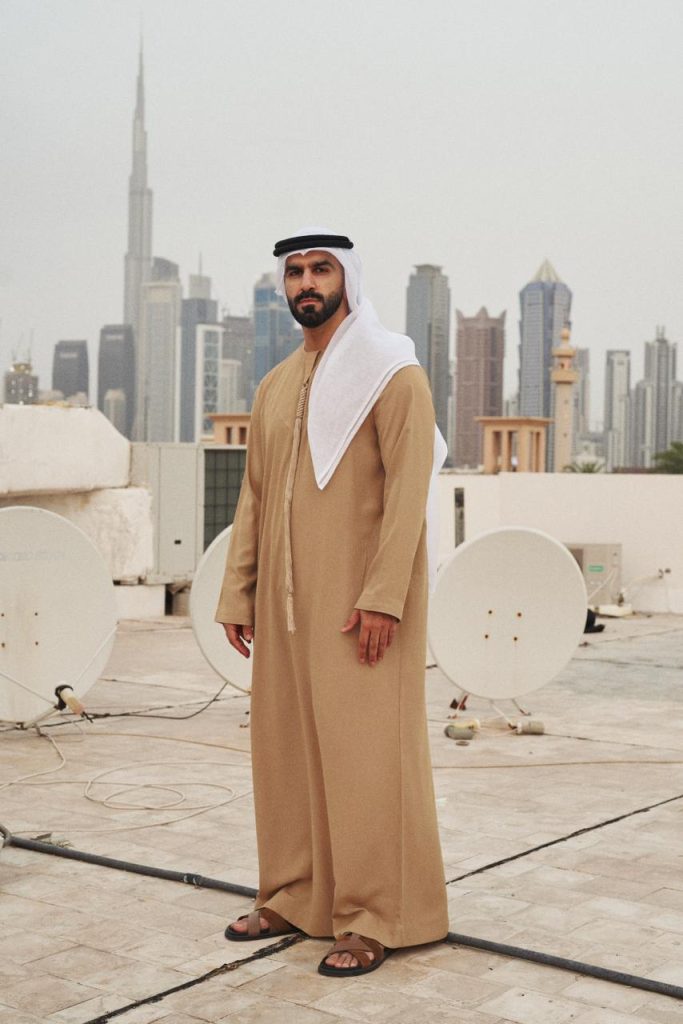
How does Dubai, as a global travel hub, influence the narratives you build for both local and international audiences?
For local audiences, I focus on preserving and amplifying real Emirati voices, ensuring stories feel grounded in culture and identity. For international audiences, I frame those same stories in a way that’s accessible and relatable across cultures, without losing their essence.
Ultimately, I see storytelling as a form of translation using Dubai & the UAE as a bridge to connect local narratives with a global audience while staying true to where they come from.
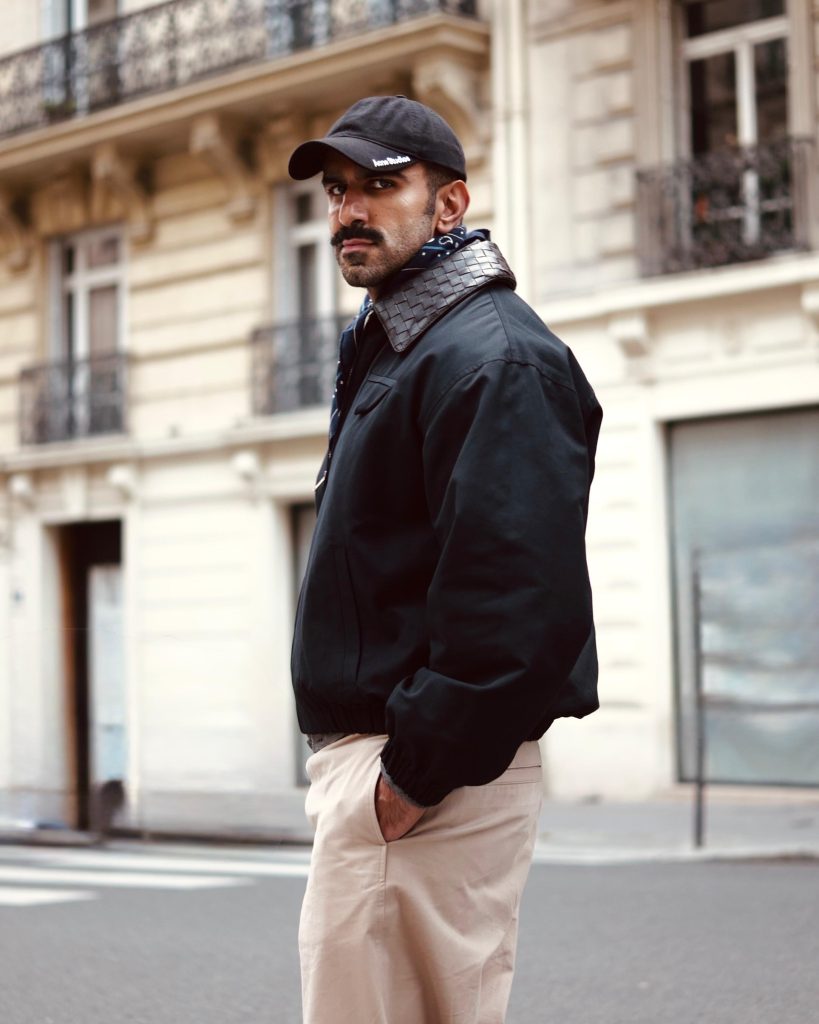
In your experience, what do global brands often misunderstand about the Middle East, and how do you correct that through your work?
They assume everyone is a collective; they never have a targeted market strategy or understand how the Middle East market, and the micro-Dubai market are made up of many segregated clusters. In my career at “du,” I learned this firsthand, as we would segment campaigns to different communities based on preferred language, dialect, and even imagery. I truly believe that one size does not fit all in the UAE market. Even the purchasing-power strategy for Emiratis in Dubai versus Abu Dhabi is very different, so having this full visibility is what allows brands to succeed.
Your pop-up with Birkenstock in Al Khawaneej was very location-driven. How do you approach destination storytelling in brand activations?
There had been no prior activations by global brands in Al Khawaneej, and there was initial hesitation to explore an untested location. However, I believe in taking calculated risks sometimes you have to step into new territory to unlock real impact and see how it pays off.
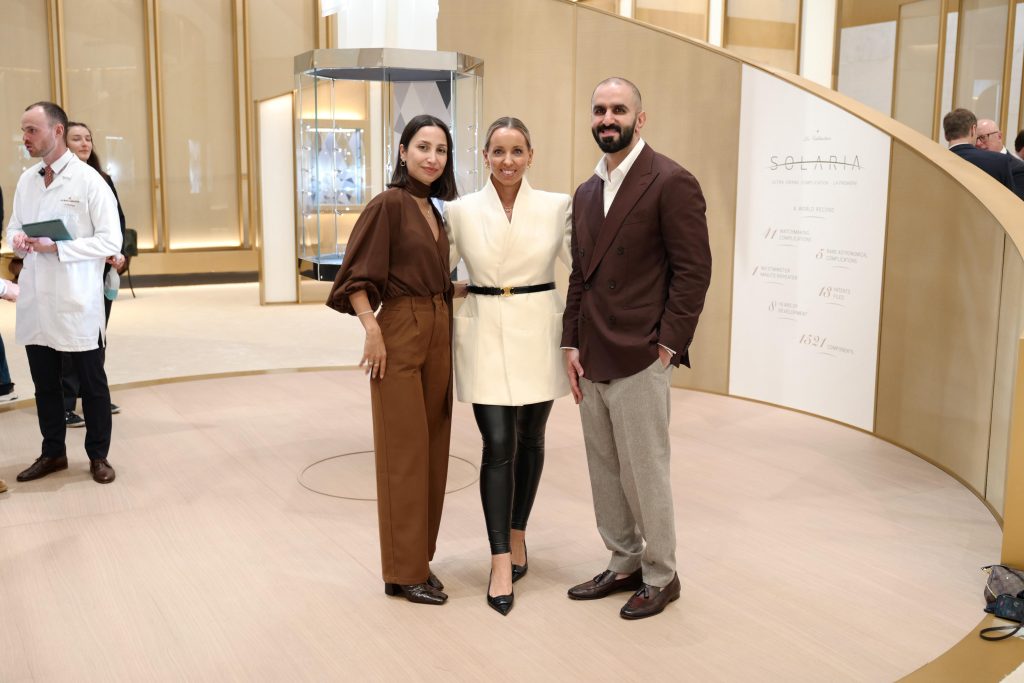
Travel often inspires creativity. Can you share a destination or experience that directly influenced one of your campaigns?
Many of the fashion film campaigns I was exposed to growing up came from cities like Paris, Milan, and New York. Seeing that level of cinematic storytelling early on really shaped how I think about brand narratives.
It inspired me to create campaigns with that same level of artistry and intention, but through a UAE lens. So when working with brands like Vacheron Constantin, Christian Louboutin, and Birkenstock, I aim to bring a global visual language while adding an Emirati layer that makes the work feel rooted and original.
That balance is what ultimately led me to create Dyemension A.
How do you balance creating content for a global traveler audience while staying true to local identity?
We build every concept from a local insight, whether it’s culture, community, or environment, and let that lead the narrative. That’s what gives the work its originality and depth.
Then we elevate it through a global lens, how it’s designed, produced, and experienced – so it naturally speaks to an international audience. Working with both local institutions and global brands has taught us how to create work that feels culturally specific, yet globally relevant.
Through Dyemension A, you’ve worked with cultural institutions like Louvre Abu Dhabi. How do you position the UAE as both a cultural destination and a creative voice?
One of the great things about the UAE is its vision and trust in UAE talent. Clients like Abu Dhabi Retail see that and trust our vision when we work on events in Abu Dhabi such as Sothebys Auction or Shop Talks, the creative industry in the UAE is in synergy with the Creatives allowing us as a business to pitch ideas and compete with other big long standing agencies, which means there is a space for creativity for all whether you’re a startup or a long standing business, the market is generous and welcoming.
What role does storytelling play in shaping how travelers perceive a destination like Dubai today?
As HH. Sheikh Mohammed bin Rashid Al Maktoum once said: “We in the UAE have no such word as ‘impossible’.” This mindset is deeply embedded in Dubai’s storytelling, positioning the city as a place where extraordinary experiences are not only possible, but expected.
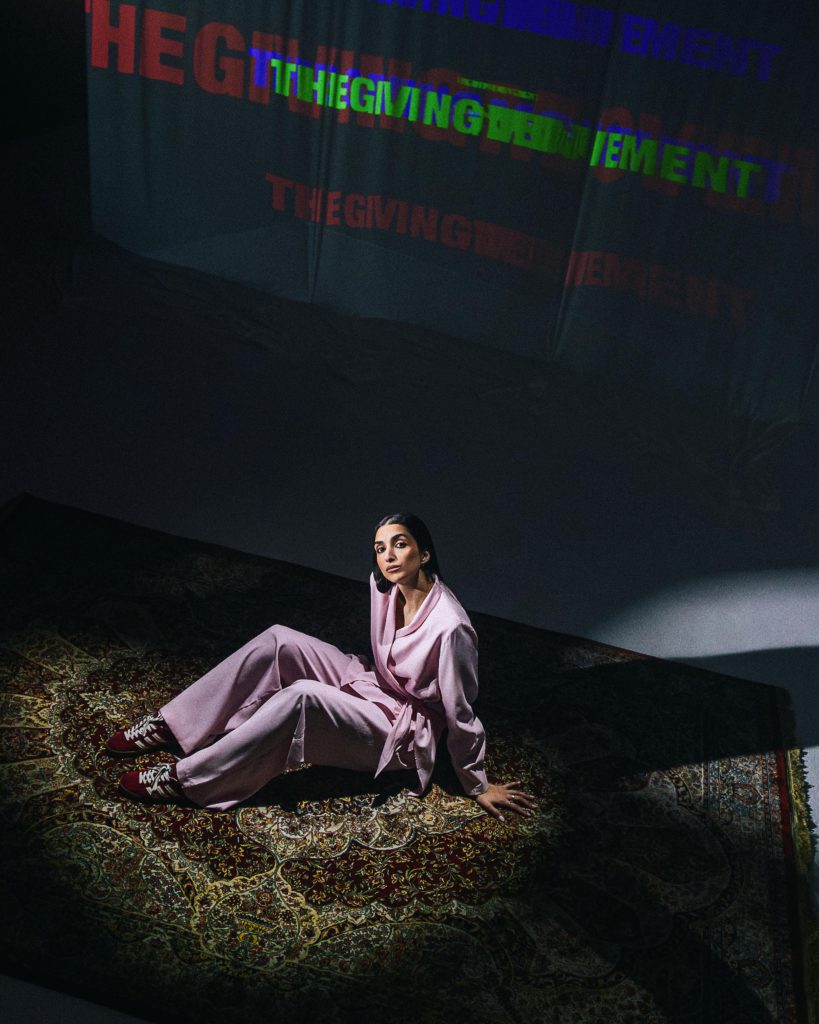
You’ve spotlighted Emirati creatives in campaigns like The Giving Movement. How important is it to localize global narratives for traveling audiences?
It’s essential, especially in a place like Dubai, where audiences are constantly moving between cultures.
With “Disconnect to Connect” for The Giving Movement, the idea was universal – slowing down, being present, reconnecting, but the expression was intentionally local. By spotlighting Emirati creatives and their personal rituals during Ramadan, we grounded that message in real voices, culture, and lived experience.
For traveling or global audiences, that’s what makes a narrative memorable. People don’t connect with something generic, they connect with something real. When you localize a global idea, you give it depth and credibility, while still allowing others to relate to it through shared human themes like reflection, creativity, and connection.
So, for me, localization isn’t a limitation, it’s what gives a global narrative meaning.
Looking ahead, how do you see the relationship between travel, culture, and branding evolving for Middle Eastern creatives on the global stage?
The future is no longer about travel, culture, and branding as separate forces, they are converging into a single system of identity creation.
Middle Eastern creatives are not traveling to absorb the world anymore; they are engaging with it as equals – exchanging, influencing, and shaping global culture in real time.
Cultural depth is no longer something to soften for broader appeal. It has become the brand itself. Identity, heritage, and perspective are now the core differentiators in a crowded global landscape.
At the same time, branding has evolved beyond static visuals into immersive storytelling. Campaigns are cinematic and narrative-driven, expressing place, memory, and emotion. Creative direction has become an act of cultural translation, bridging worlds rather than flattening them.
Collaboration is also shifting. Middle Eastern creatives are no longer seeking validation from established centers; they are co-creating with global peers on equal footing. Partnerships are horizontal, built on shared vision rather than hierarchy.
In this new model:
Travel expands perspective.
Culture defines identity.
Branding expresses it to the world.
Together, they form a continuous loop, one that doesn’t just participate in global culture, but actively redefines it.
Words: Milo Radonjic
Photos: Ahmad’s archive