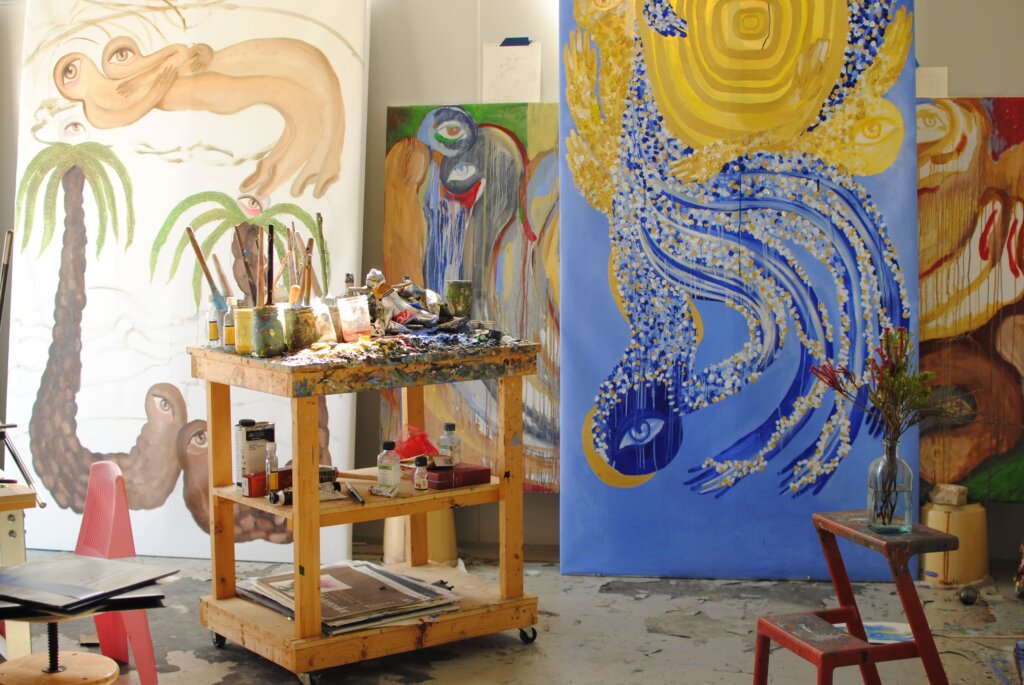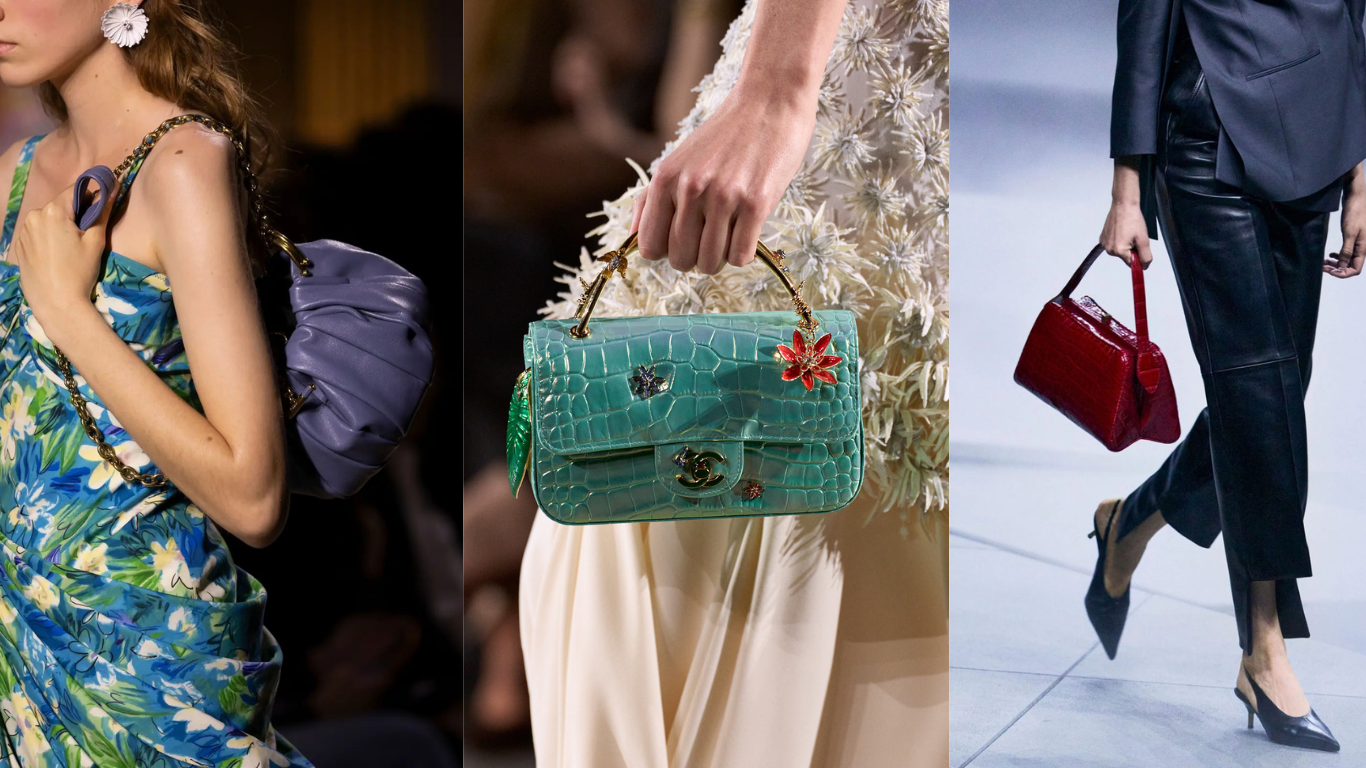



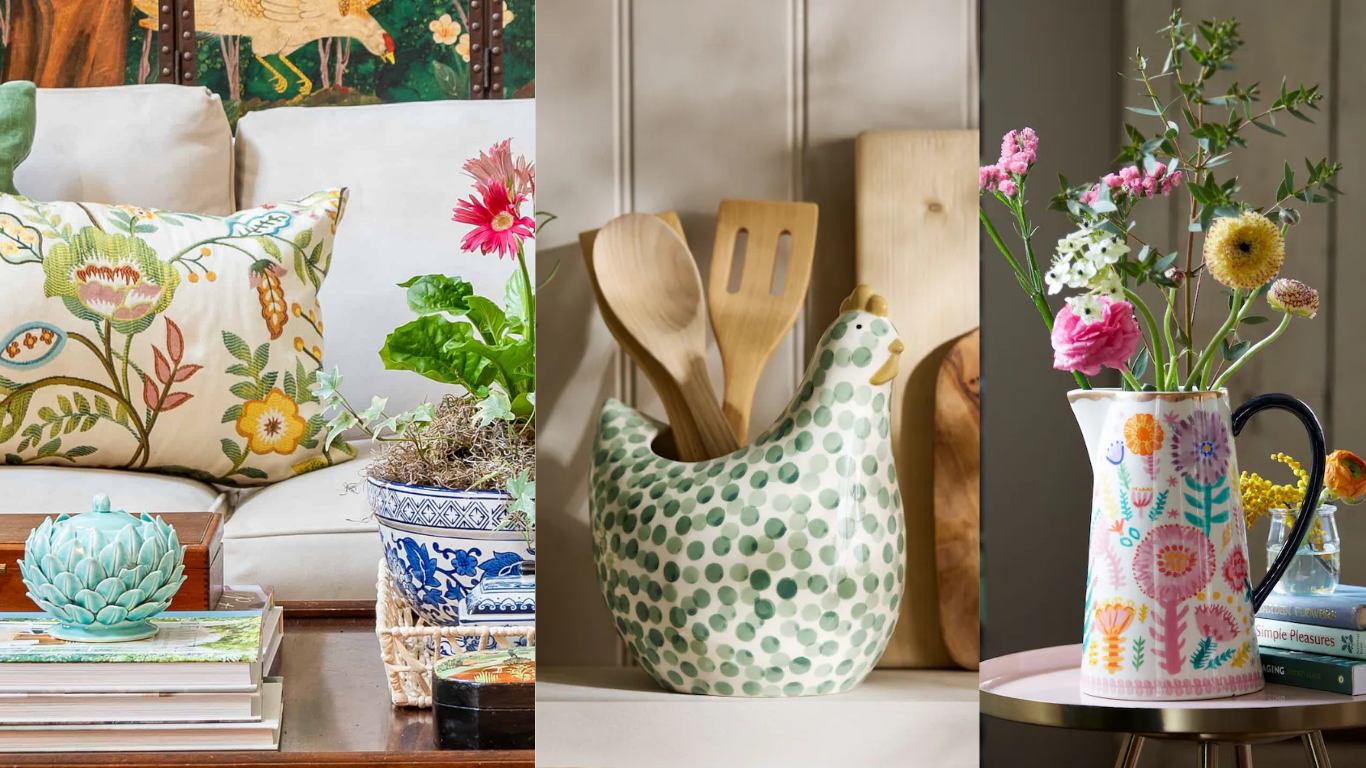
Here are six targeted changes to make to your home this spring. A gentle guide to a more deliberate eye for what is already there, and a clearer sense of what is not working.
Retire the Heavy Textiles
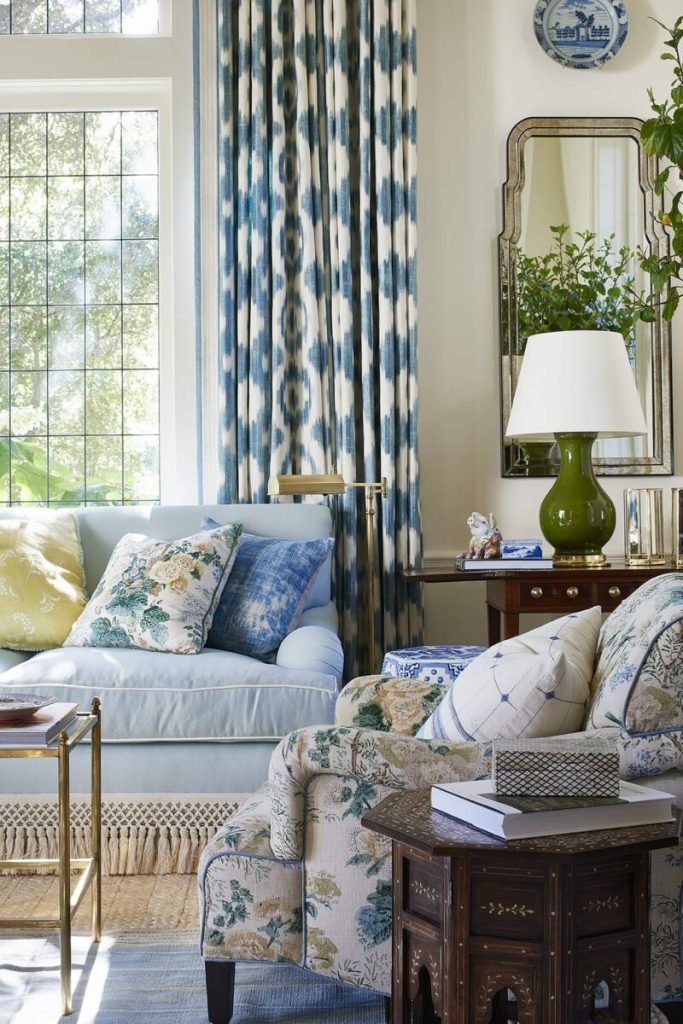
Pull the velvet, the boucle, the double-weight linen, and replace them with something that has actual provenance and with materials that feel lighter but remain grounded in craft: ikat-woven cotton, hand-loomed raffia, fine open-weave linen. The shift is not just visual. It alters how a room breathes.
Reconsider One Wall
The 2026 conversation in interiors is about surface as material: limewash applied in opposing directions for texture, microcement finished with a burnishing cloth by hand, raw plaster left intentionally uneven at the edges. One treated wall changes the metabolism of a room entirely without touching its furniture plan or disturbing the structure.

Edit the Objects
What most rooms require in spring is subtraction, or the removal of anything that has become visual noise. Keep one strong ceramic, one piece of sculpture that earns its place, one tray that does actual work. Editing decor is about curating one object with purpose. Fewer elements allow each to register with clarity.

Address the Light Source
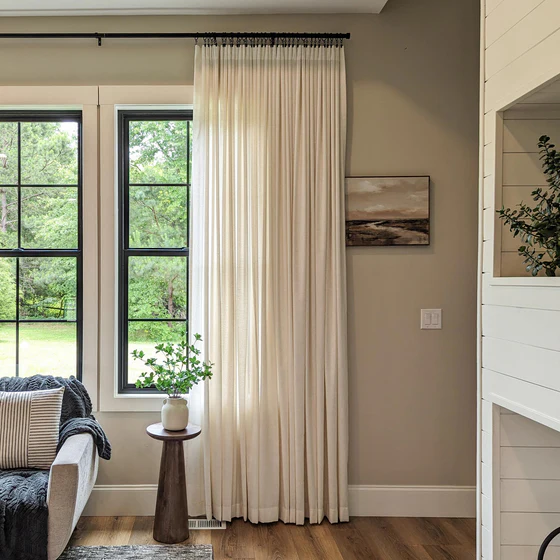
In spring, the issue is typically sheer fabric weight: curtains too dense for the angle of seasonal light, which sits lower and more oblique than summer’s overhead blaze. Switching to a semi-sheer in ivory or pale bisque costs little and renegotiates the room’s entire mood between 4 and 7pm.
Introduce Living Material
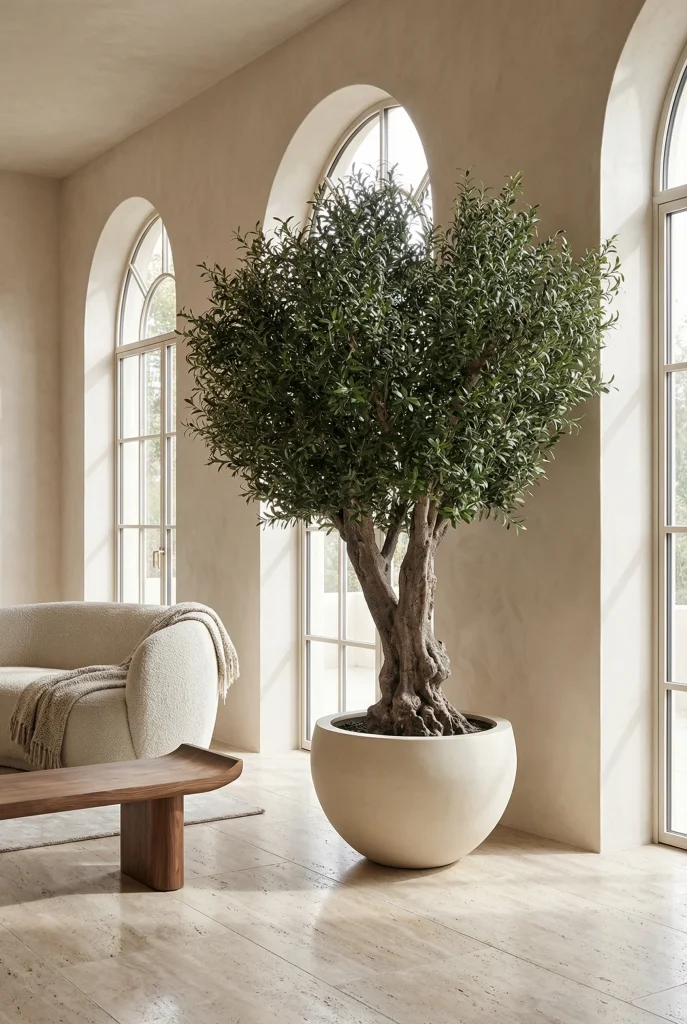
Consider a single, architecturally shaped plant, such as a mature olive in a terracotta vessel, a fig tree positioned near the window it requires, a specimen fiddle-leaf in a pot worthy of the room. One deliberate piece of living material reads like its thoughtful, as opposed to multiple plants that could create clutter.
Commission art or furniture that’s personal and meaningful
Spring is the right moment to place a bespoke order — a kilim sized precisely for the entrance hall, a coffee table in a stone not found in any showroom, an installation developed in conversation with a an artist. Including art is the best way to incorporate personality into the home and commissioning a personalized piece makes it that much more unique and memorable.