


Exploring the UAE’s enduring love affair with the sea
Humanity has always held nature in soft reverence. It’s a realm where purity meets possibility, where peace pools in the spaces between rustling leaves and rolling waves. It encapsulates our moods like an invisible hand – the grey sky that draws us inward, the turquoise shoreline that opens our lungs. Across social media feeds and lived experiences alike, nature serves as muse and mirror, its infinite variations
including emerald forest depths, coral tapestries in a thousand textures, ocean blues that deepen from cerulean to midnight, alerting us to the beauty that thrives in differentiation. Yet of all nature’s domains, the ocean remains the most enigmatic. It’s a world we glimpse but never fully comprehend, where treasures lie waiting in liquid darkness, calling to designers, dreamers, and divers who dare to interpret its mysteries.
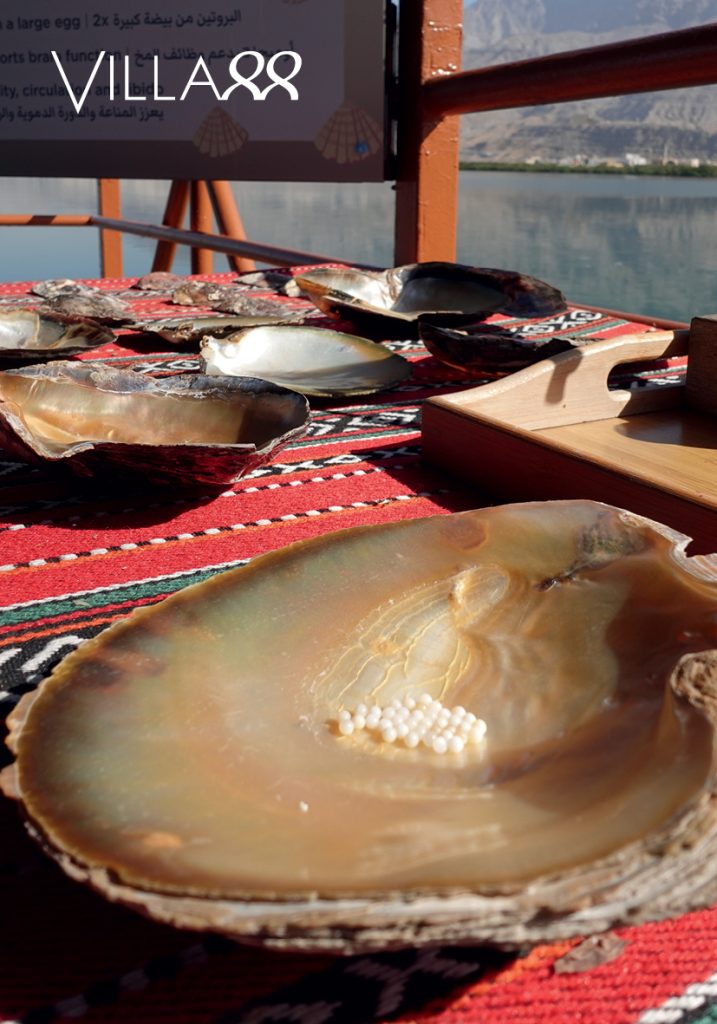
In certain cultures, water transcends the physical to become sacred. Indian devotees offer prayers to the Ganges, believing the river carries divine purity. Monks meditate beside still lakes, seeking clarity in reflection. This appreciation speaks to something fundamental, and that is, water as life-giver, as cleanser, as a portal to the unknown. For jewellery designers, the underwater realm offers boundless creative terrain – a place where natural artistry has been perfecting itself for millennia, producing treasures that require no human improvement.
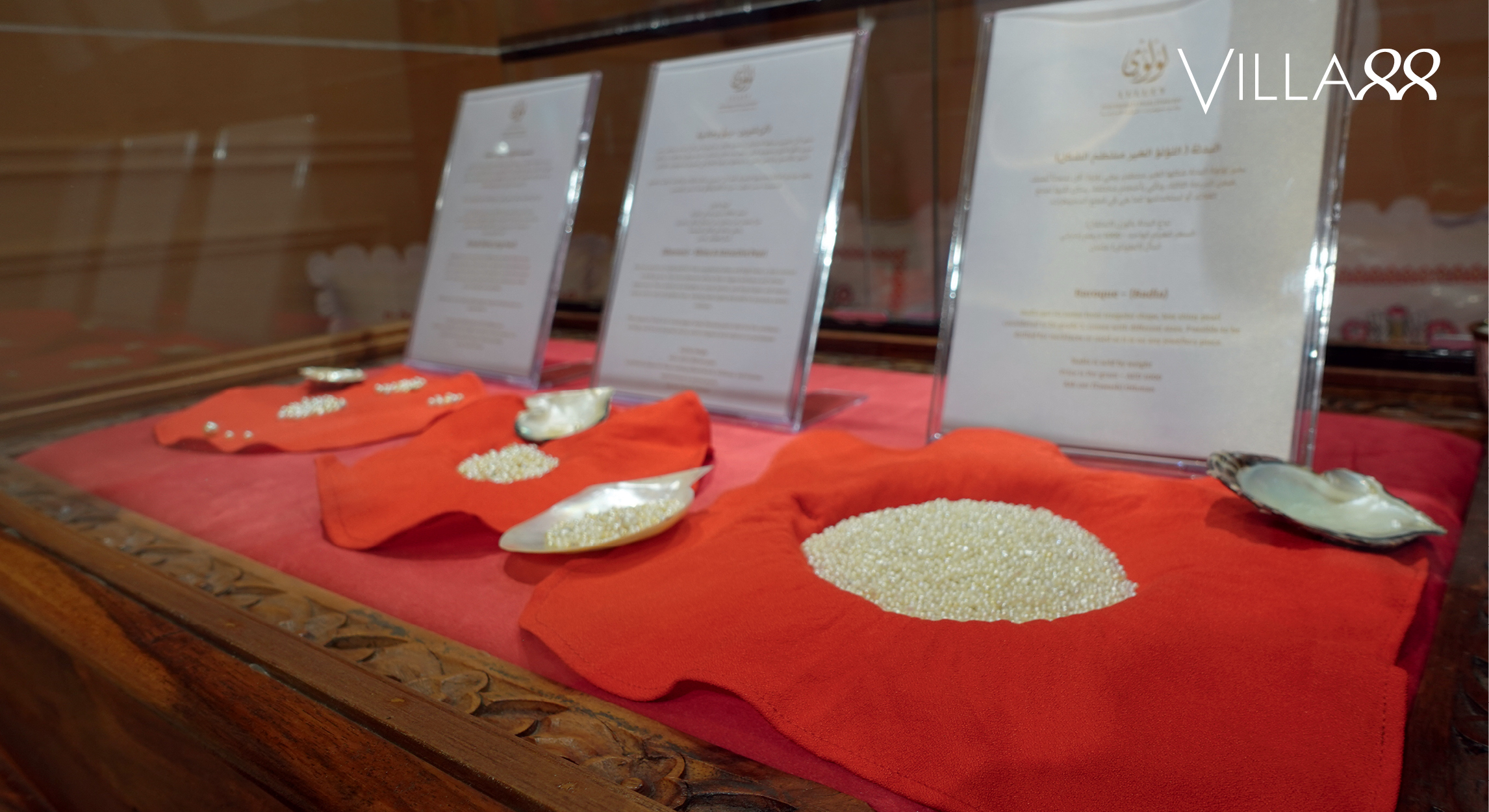
Among these treasures, pearls reign supreme. In the UAE, they represent far more than adornment. Pearls are woven into the very fabric of Emirati identity. Before oil transformed the Arabian Gulf, pearl diving formed the backbone of the region’s economy and culture. For centuries, brave ghais (divers) aboard traditional dhows would free-dive into Gulf waters during long, perilous summers, risking everything for the luminous spheres hidden within oyster shells. This heritage lives on through immersive experiences and sustainable pearl farms that honour ancestral traditions.
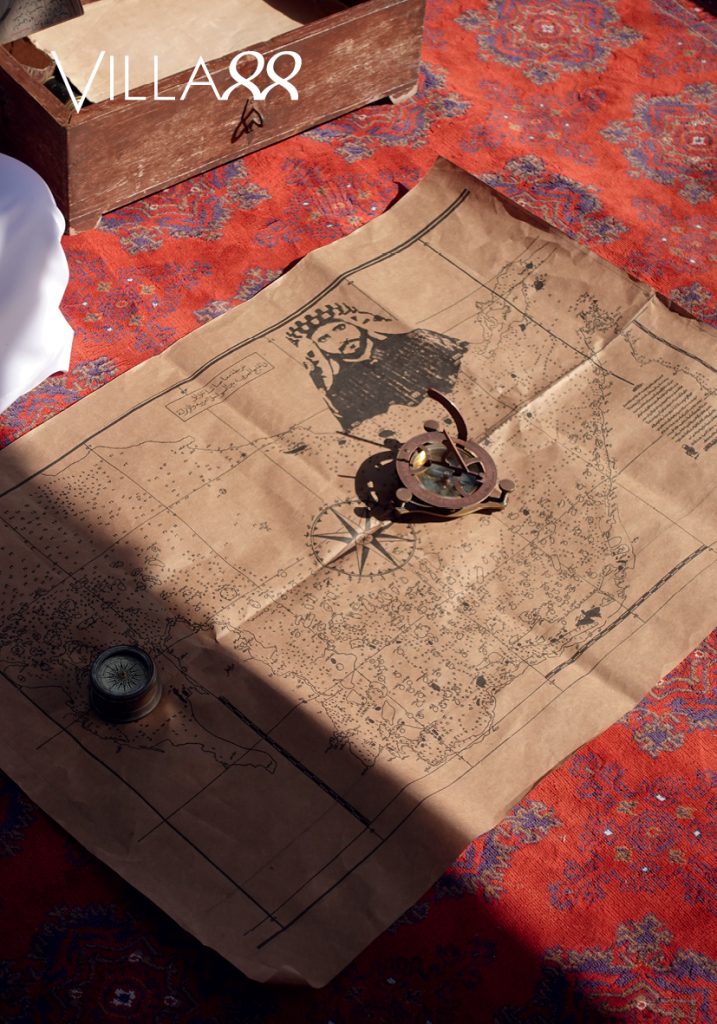
At Suwaidi Pearls in Ras Al Khaimah, the House of Pearls preserves these stories with admiration. Founded by Abdulla Rashed Al Suwaidi, a descendant of generations of pearl divers, the venture revives the Arabian pearl industry through a marriage of tradition and innovation. Abdulla’s inspiration springs from childhood fascination – he once believed his grandfather was “half man, half fish” until he learned the truth about his diving prowess. Today, Abdulla continues this legacy, still free-diving with traditional nose clips, offering visitors the chance to experience the heritage first-hand.
The mythology surrounding pearls is as lustrous as the gems themselves. Ancient tales claimed that oysters surfaced on full-moon nights to capture moonlight and transform it into iridescent spheres. Another legend spoke of divine tears falling into waiting shells, creating teardrop-shaped pearls believed cursed unless gifted freely. Science eventually revealed the prosaic truth pearls form when oysters coat irritants with nacre yet the romance persists. Archaeological evidence confirms that pearl diving in the UAE dates back 8,000 years, giving the region an unparalleled legacy.
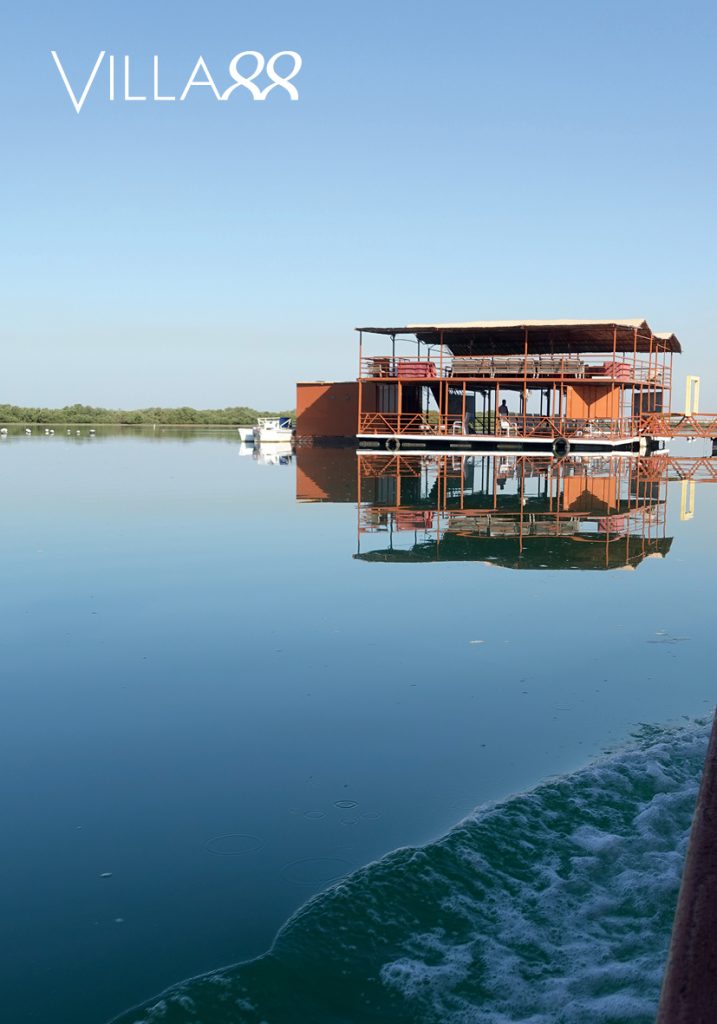
The Epic of Gilgamesh immortalises this practice through allegory, describing a dive for a sea flower that promised immortality. Early manuscripts praised Arabian pearls as “the most perfect”, establishing a reputation that endures today. For royalty, pearls symbolised the ultimate status. Persian kings adorned their crowns so extravagantly that some became unwearable, remaining suspended above thrones as a testament to wealth. Queens favoured pearls for their natural perfection.
Unlike other gems requiring cutting and polishing, pearls arrive complete, their worth diminishing if altered. They remain closest to “alive” among gemstones, requiring delicate care to preserve their lustre like living tissue. Traditional pearl diving demanded extraordinary courage. Divers tied stones to their feet for rapid descent, wore turtle-bone nose clips for deeper dives, and donned dark clothing to avoid resembling fish to sharks. “Divers had to say goodbye to their families as they may have never returned,” guides recount. This “sea to store” journey now follows more humane paths through sustainable farming, but the respect remains.
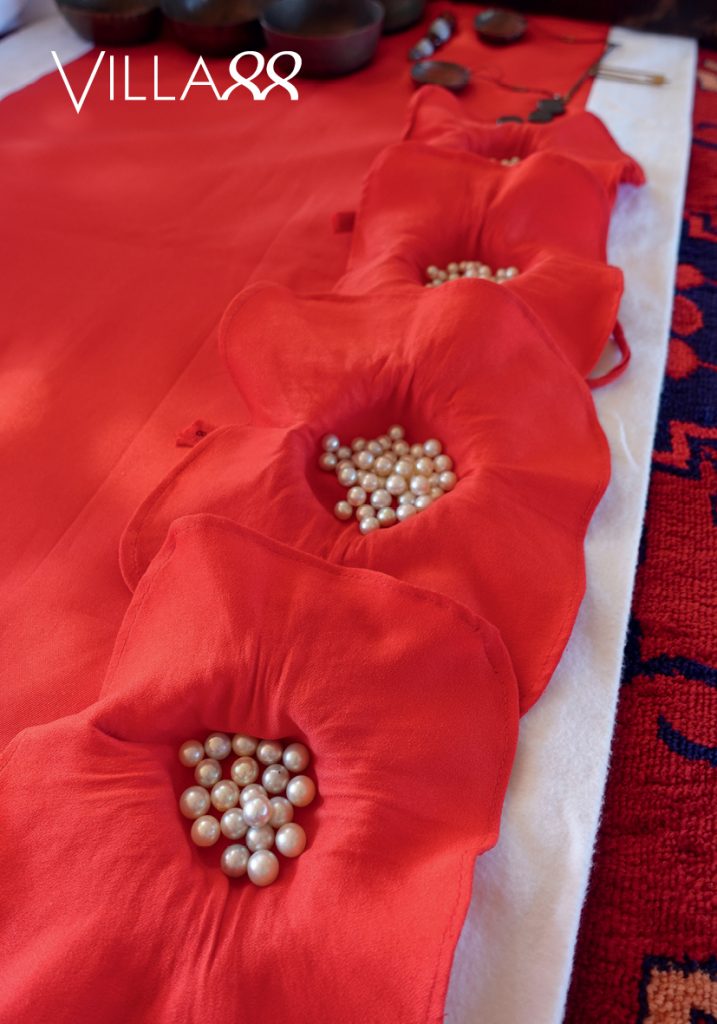
Contemporary Emirati jewellers channel this oceanic obsession brilliantly. Gafla Jewellery’s Bahar Collection honours pearl-diving heritage through pieces combining gold, diamonds, pearls, and coral. Founded by Emiratis Hamad Bin Shaiban, Abdulla Beljafla, and Bushra Bint Darwish, Gafla bridges tradition and modernity. Damas, by Dhamani Group, draws inspiration from sea, sand, and stars, while By Mystique champions sustainability through recycled gold and ethically sourced stones in nature-inspired designs.
Globally, the oceans’ pull proves equally irresistible. Tiffany & Co. selected Sea of Wonder as the theme for its 2025 Blue Book high-jewellery collection, featuring intricate depictions of crabs, starfish, and underwater flora. Van Cleef & Arpels has been captivated by the aquatic world since the 1920s, with collections like Seven Seas and Treasure Island featuring motifs of underwater fauna, flora, and mythical creatures like mermaids. Boucheron’s Vague earrings and Ocean rings capture water’s movement through diamond and sapphire cascades, while Cartier employs aquamarines and rare natural pearls to evoke azure waves.
The enduring love affair between the Arabian Gulf and those who seek its treasures remains unbroken. It is a testament to the UAE’s guardianship of heritage, where every pearl and wave-inspired curve carries within it the courage of the ghaiṣ who first understood that the sea’s greatest gifts are meant to be honoured, not simply possessed.