


There is a tendency, in broader fashion discourse, to describe ornament as something that returns. It suggests absence, a period of restraint followed by reappearance. The language implies that embellishment is cyclical, subject to trend.
In the Middle East, this framing feels incomplete.
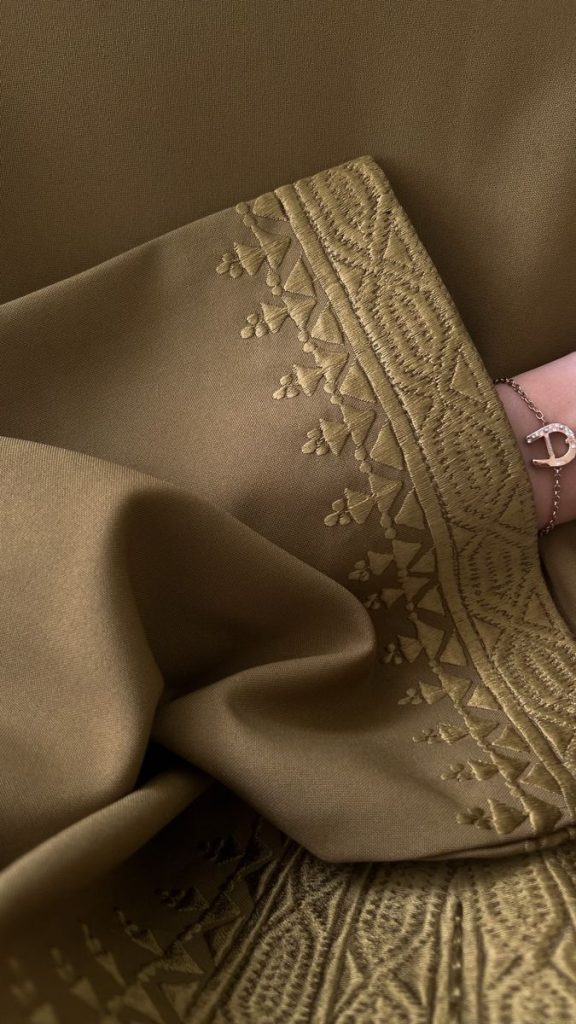
Ornament has not disappeared here. It has remained, shifting in scale, adapting in form, but never fully receding. Embellishment is not an addition. It is part of the structure.
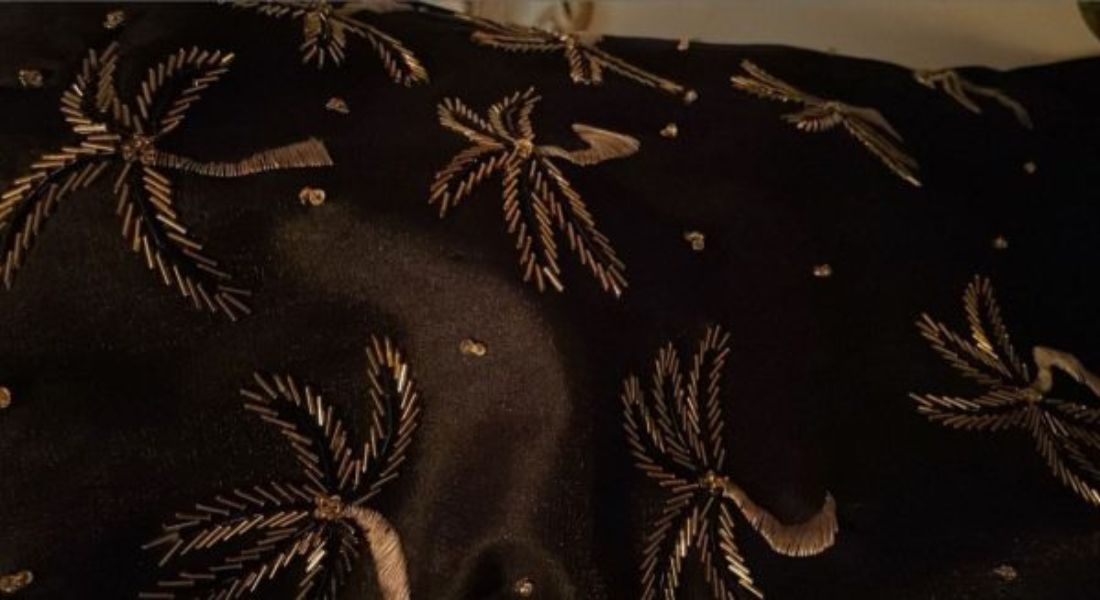
Historically, detail has been tied to craft. Embroidery, beading, and metalwork were not simply decorative practices, but methods of preserving skill and time. The density of a garment reflected the labor within it. Detail became a measure of care.
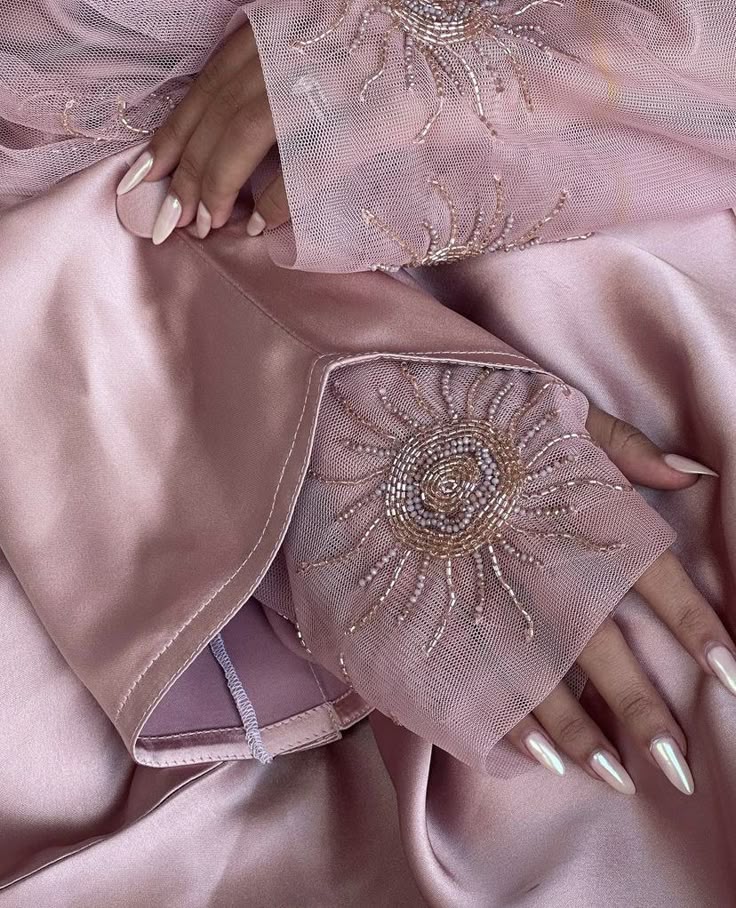
That relationship continues. Contemporary design may favor precision over excess, but the intention remains. Embellishment is placed, not scattered. A single embroidered line or cluster of stones can hold as much weight as a fully adorned surface.
Color operates in the same way. Jewel tones and metallics persist, not as statement, but as continuity. They reflect a broader visual culture shaped by materials, architecture, and light.
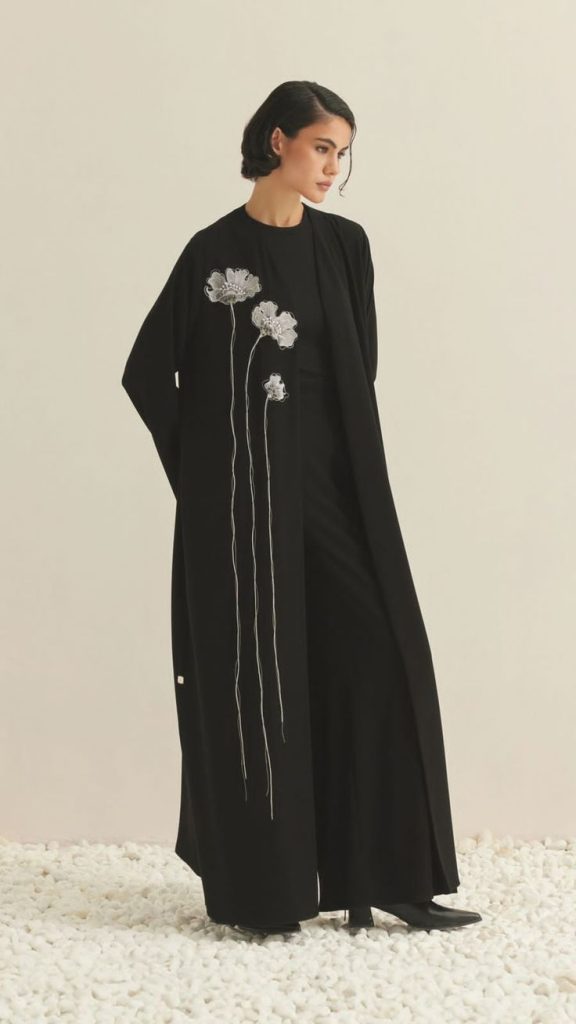
What is often described as a return is, in this context, a continuation. Ornament does not reappear. It evolves.
And in doing so, it remains a language through which presence, intention, and cultural identity are made visible.