


From the riads of Marrakech to the colourful palaces of Jaipur, we imagine a travel diary through the eyes of Yves Saint Laurent
I have long dreamed of visiting Yves Saint Laurent’s former homes in Morocco. Not just for their architecture, though that alone is reason enough, but for the atmosphere they seem to hold, something deeply personal, offering a cinematic glimpse into the mind of a fashion genius. Yves Saint Laurent never saw travel as escape, but as a source of endless inspiration. And it made me wonder: if I were to travel as Yves would, where would I go, and what would I be looking for?
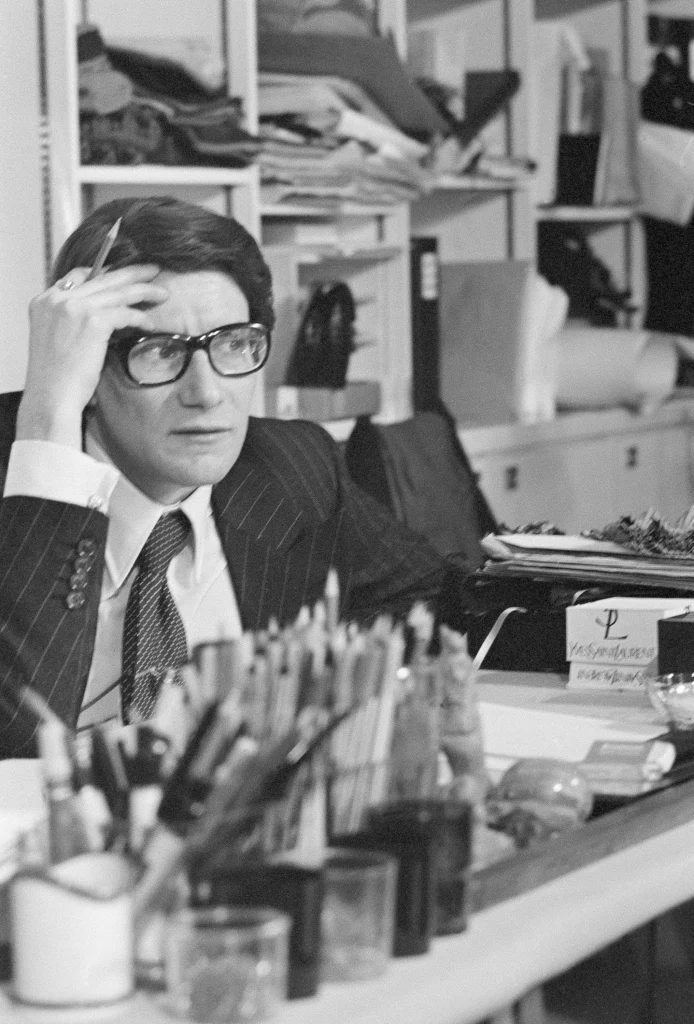
Paris, of course, feels like the obvious starting point. The polished nonchalance of the city, the women who walk with quiet confidence, the café culture that’s perfect for watching the world go by. It is easy to imagine him here, watching and taking it all in. Yet, for all its elegance, Paris was only one side of his story. His work tells us that inspiration came from many corners of the world.
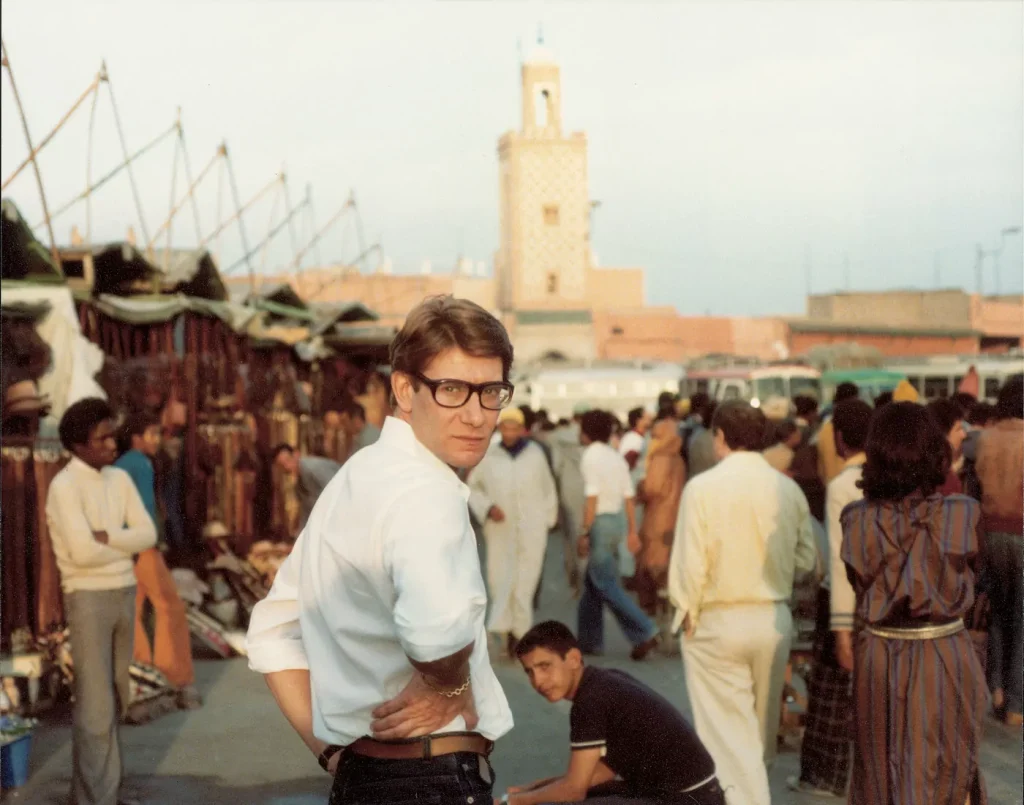
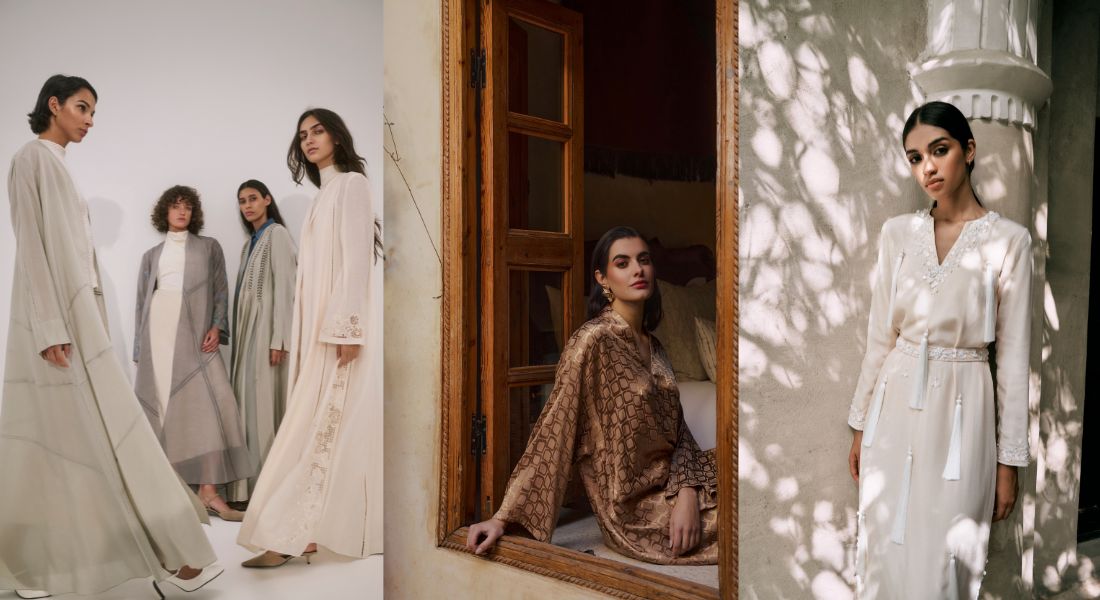
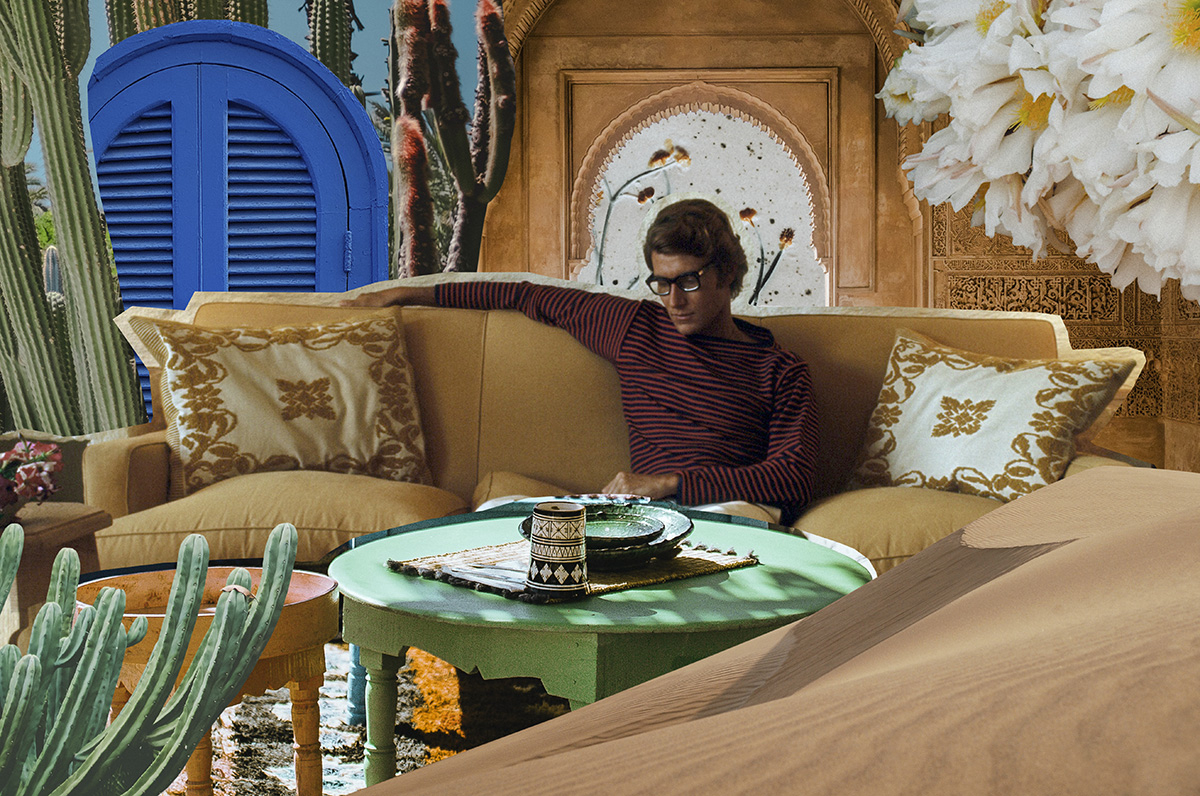
It is impossible to think of Yves Saint Laurent without thinking of Marrakech. A place where he had a home for many years. When he first arrived, he found a colour palette that would stay with him for the rest of his life. The electric blue of Jardin Majorelle, the burnt terracotta of the city walls, the saturated greens of hidden courtyards. Suddenly, his use of colour makes perfect sense.
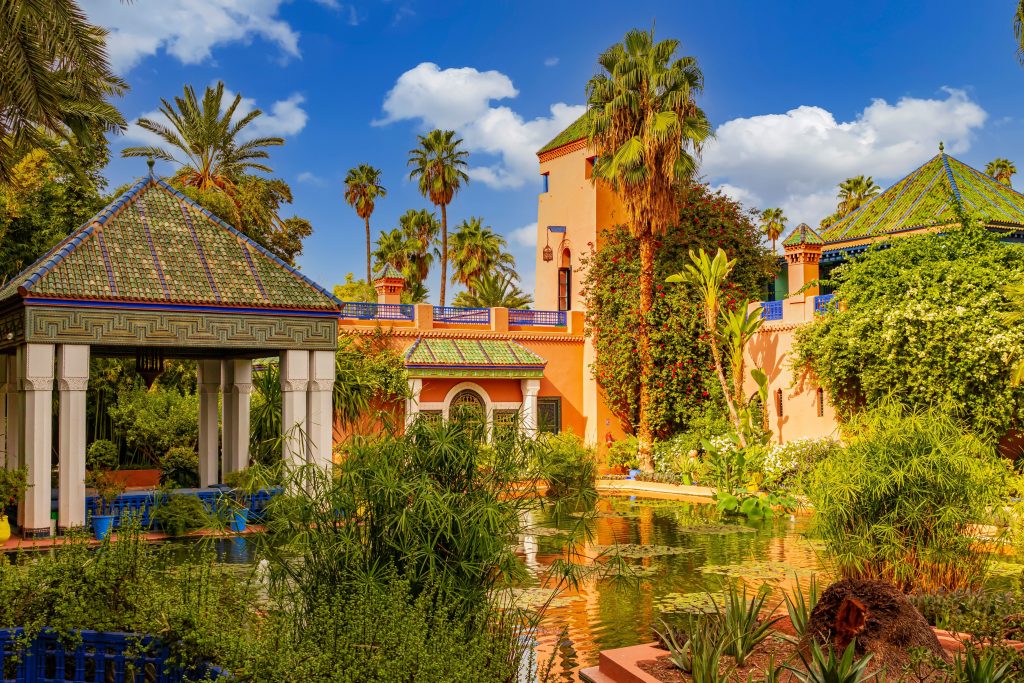
Observing Jardin Majorelle today, you can understand how a garden could influence an entire body of work. Much like his collections, there is a sense of juxtaposing organisation and creativity to it and the colour palette is something you will never find anywhere else. Nearby, the Musée Yves Saint Laurent Marrakech offers a different kind of insight. Showcasing the late designer’s sketches and garments, in a tribute to the icon in the place he loved the most.
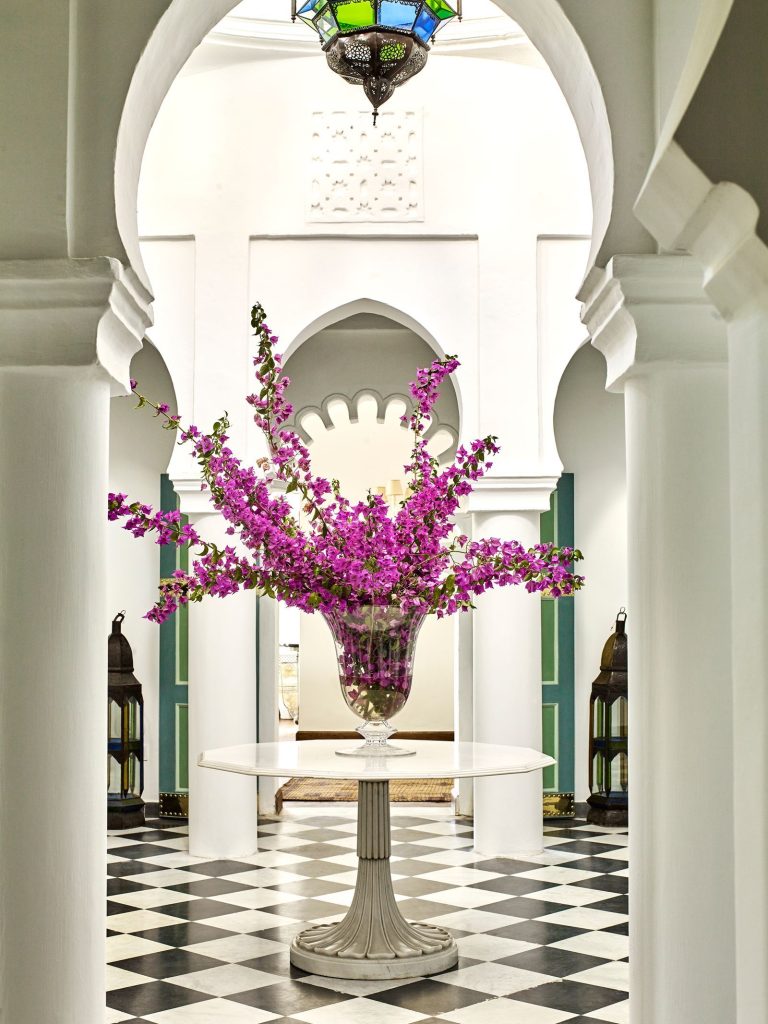
Then there is Tangier, the location of Yves Saint Laurent’s former holiday home, Villa Mabrouka. Perched above the Strait of Gibraltar, this quaint property feels like a secret hideaway. I imagine him spending long afternoons here, taking in the scenery. There is a softness to Tangier that contrasts with Marrakech’s intensity. Today, that Villa has been transformed into a stunning boutique hotel, and yes, you can stay there.
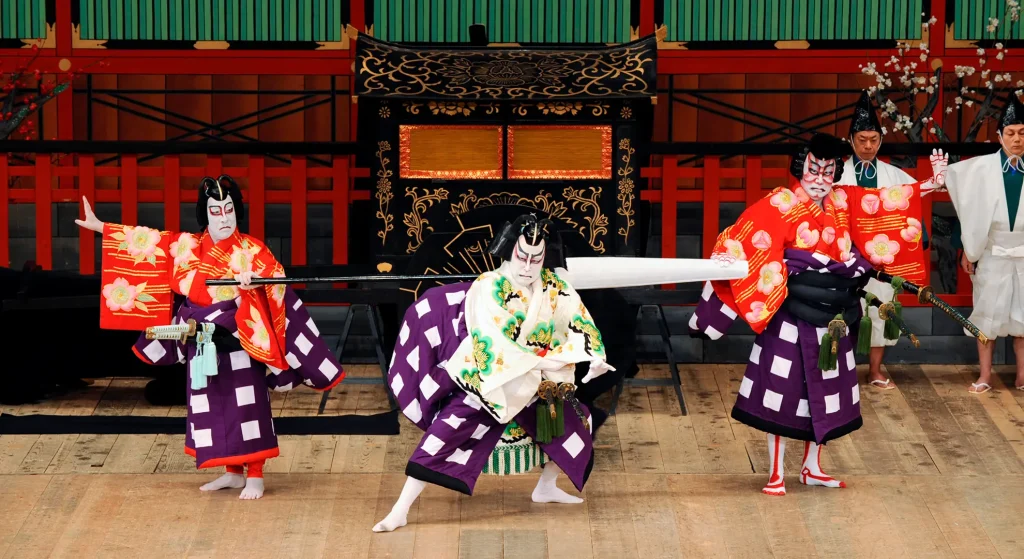
Beyond Morocco, his travels stretch further. Japan stands out, not just as a holiday destination, but as a profound influence on his work. His visits to Tokyo, Kyoto and Nara, his fascination with Kabuki theatre, all found their way into his designs.
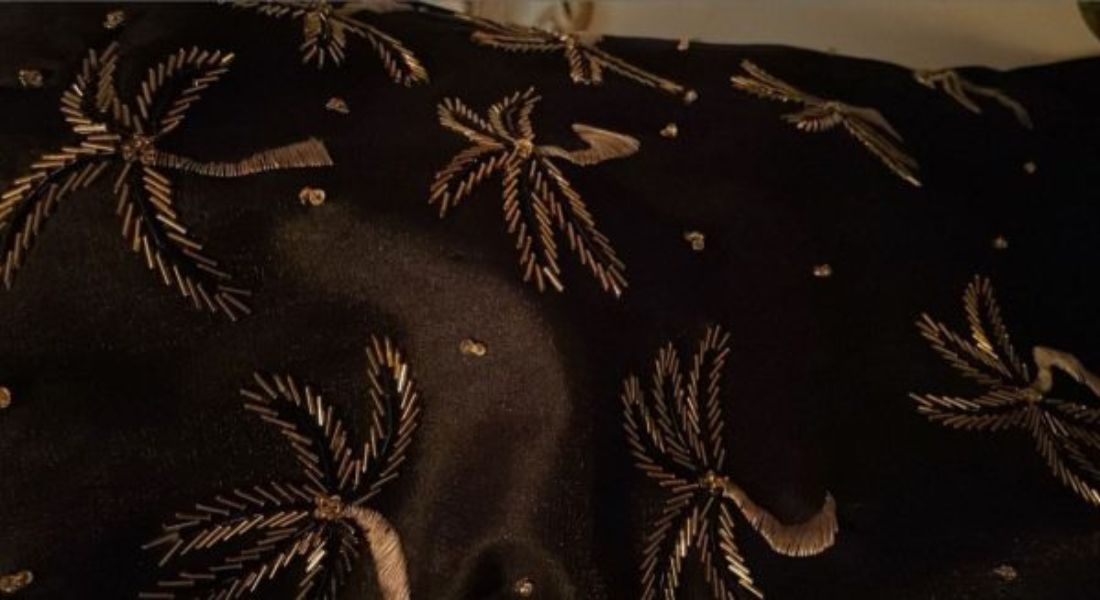
And then there are the places he may not have visited as often, but which still lived in his imagination. China and India, with their rich textiles, intricate craftsmanship and architectural depth, feel like natural extensions of his world.
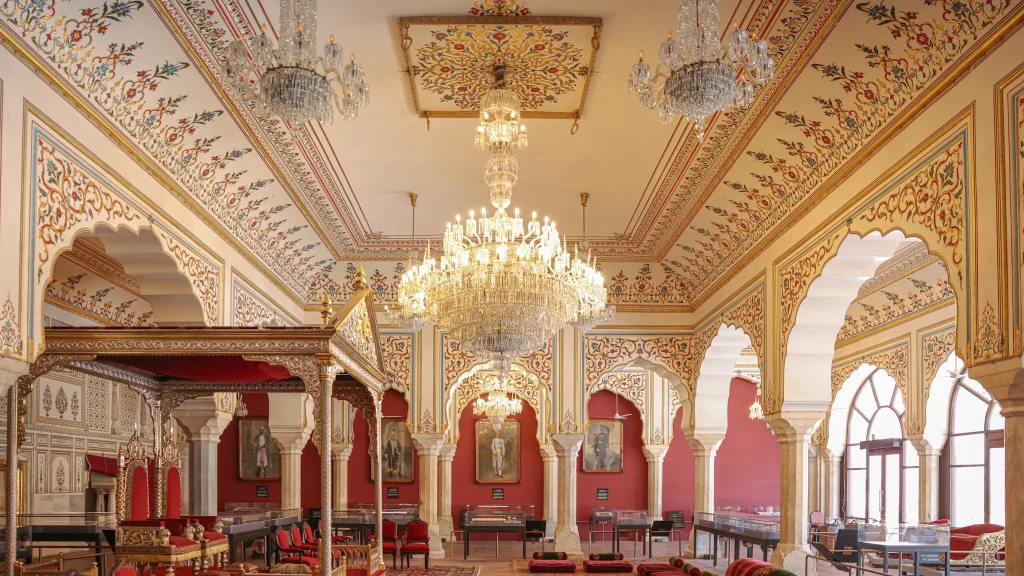
When I think of India, Jaipur feels like an obvious starting point, with its block-printing traditions, vibrant markets, and palatial architecture. The City Palace, with its intricate motifs and saturated hues, feels almost like a living moodboard. Then there is Varanasi, where silk weaving has been perfected over centuries. I am sure this holy city would have been of great inspiration to him.
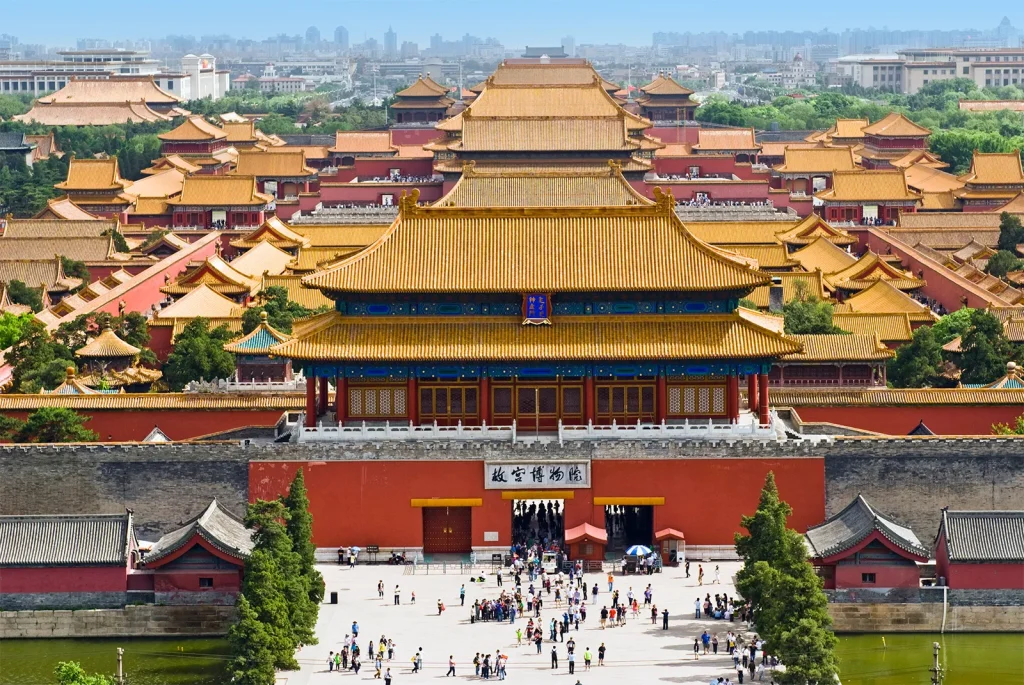
In China, I imagine him in Beijing, exploring the symmetry and structure of the Forbidden City. Or in Suzhou, known for its classical gardens and silk production. There is also something about Shanghai, with its blend of heritage and modernity, that feels aligned with his ability to reinterpret tradition through a contemporary lens.
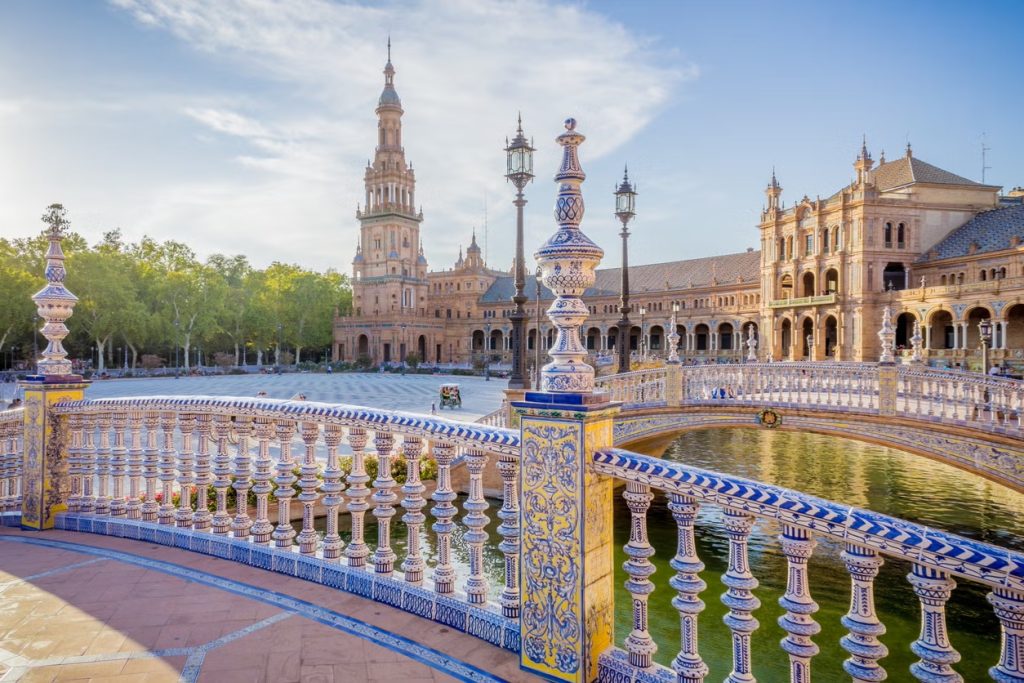
Spain, too, comes through in his work. I imagine him in Madrid, wandering through the halls of the Prado Museum, standing before the works of Goya and Velázquez, two artists who were a great source of inspiration for the designer. Perhaps he would have travelled south to Seville too, where flamenco, architecture and atmosphere collide in a way that feels almost cinematic.
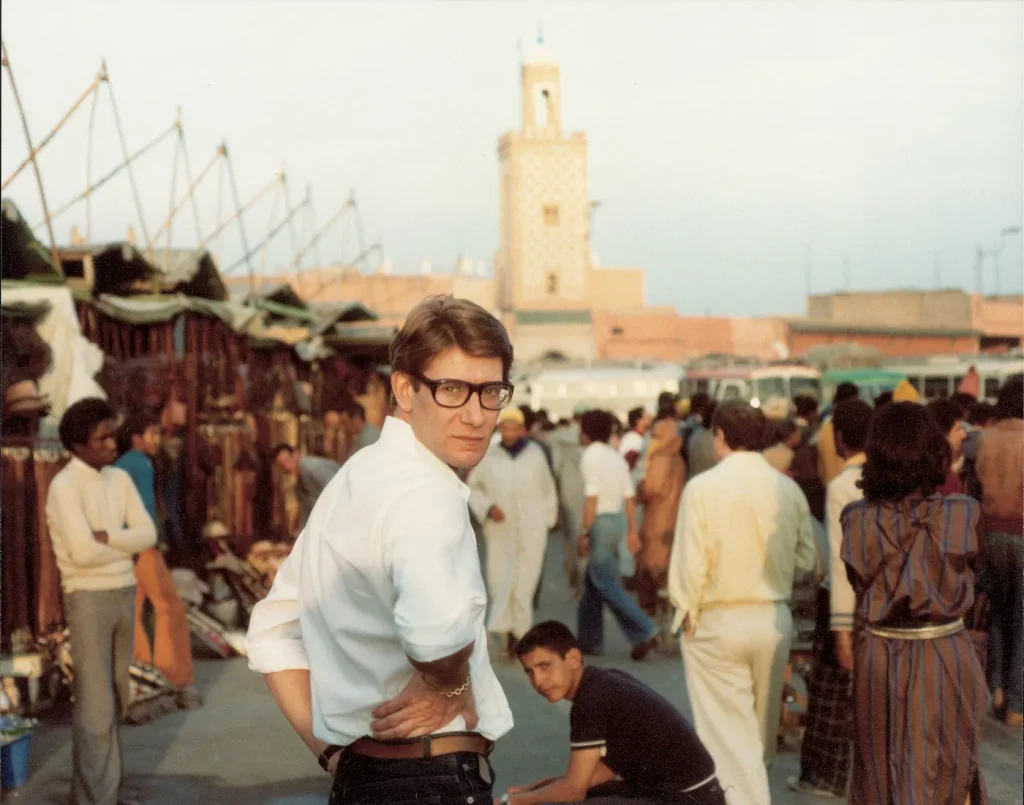
To travel as Yves Saint Laurent would be about more than simply ticking off destinations. It would be really seeing them and allowing those impressions to shape something within you. For him, inspiration could come from anywhere, and perhaps that is what makes retracing his steps so compelling: imagining the world as he saw it.
By Lindsay Judge