



Azuma Farm Koiwai, a new resort by Aman founder Adrian Zecha, introduces a style of luxury travel rooted in agriculture, craft traditions and the landscapes of northern Japan for a thoughtful rural escape.
In the world of luxury hospitality, few names carry the authority of Adrian Zecha. The hotelier who founded Aman Resorts in 1988 and reshaped the language of Asian luxury travel has spent decades refining a philosophy rooted in place, culture and landscape. Now, with the launch of Azuma Farm Koiwai, Zecha turns his attention to something even more elemental: farm life.
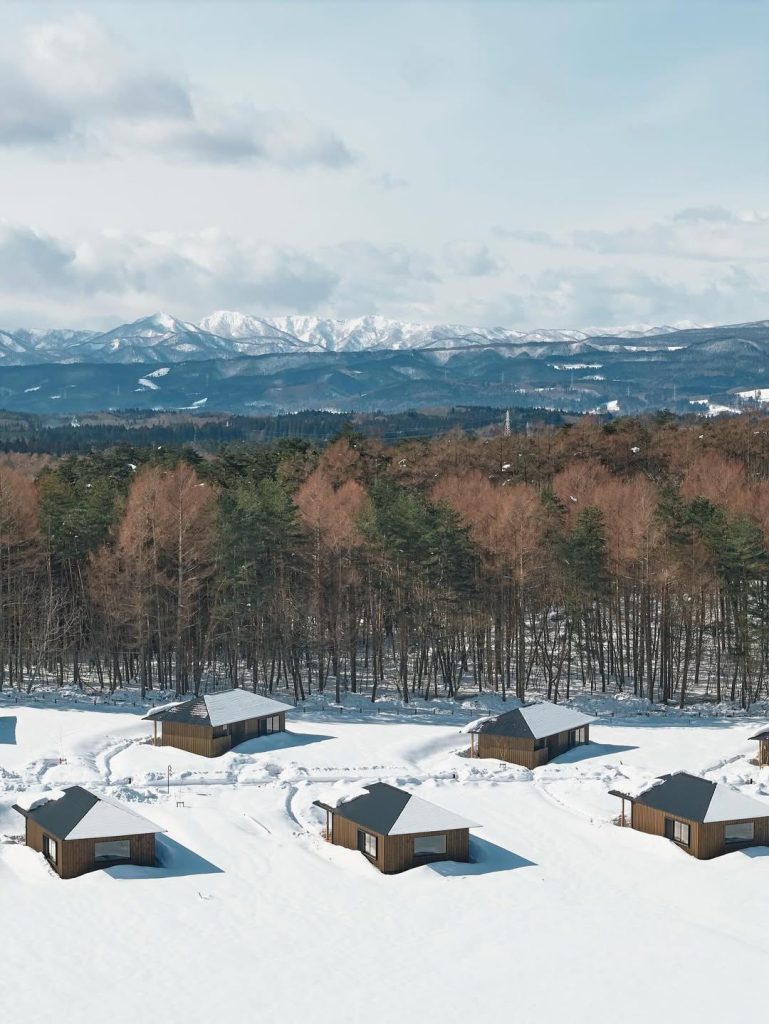
Opening on 23 April 2026 in the rural heart of northern Japan, the retreat sits within the vast grounds of Koiwai Farm in Iwate Prefecture, beneath the slopes of Mount Iwate. The land itself carries a remarkable history. What was once a barren landscape layered in volcanic ash has, over the past 130 years, been slowly regenerated into one of the country’s most biodiverse rural environments, an expanse of pasture and forest shaped as much by human stewardship as by nature.
This idea of coexistence is central to the Azuma Farm vision. The property places daily agricultural rhythms at the centre of the guest experience. Walking through woodland paths, feeling the damp soil underfoot or sitting beside a fire as evening settles over the forest becomes part of a slower rhythm of travel that reflects the life of the farm itself.
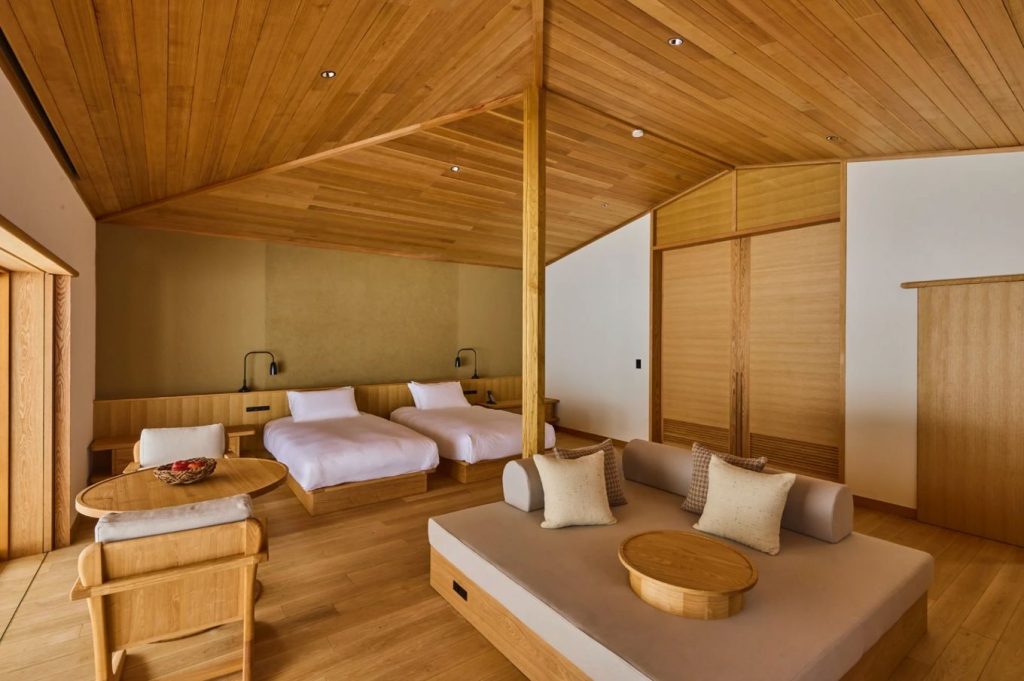
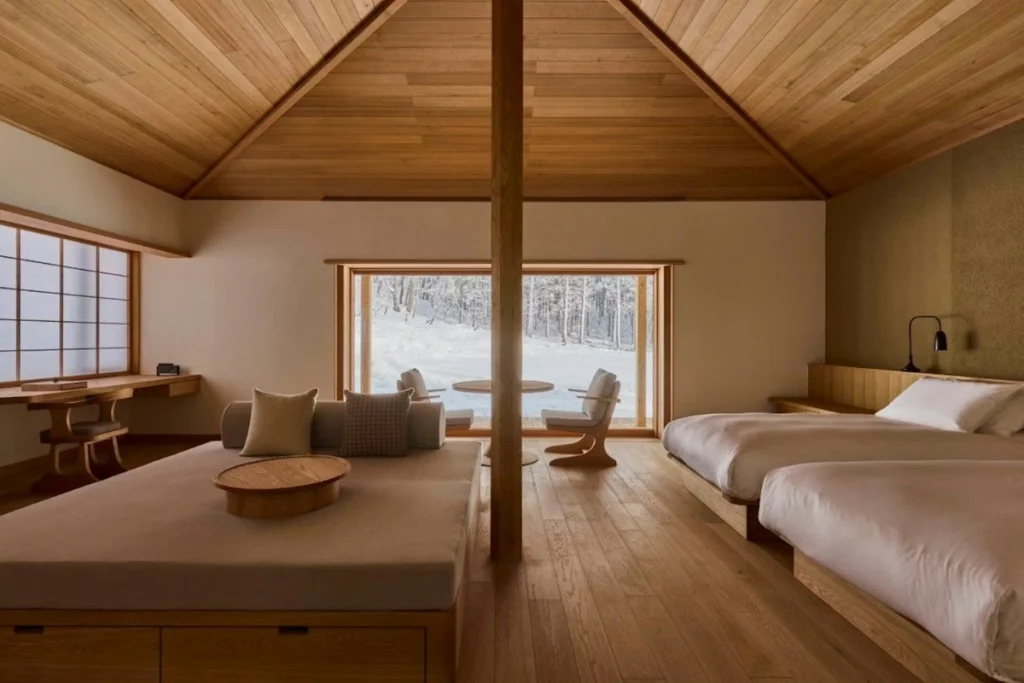
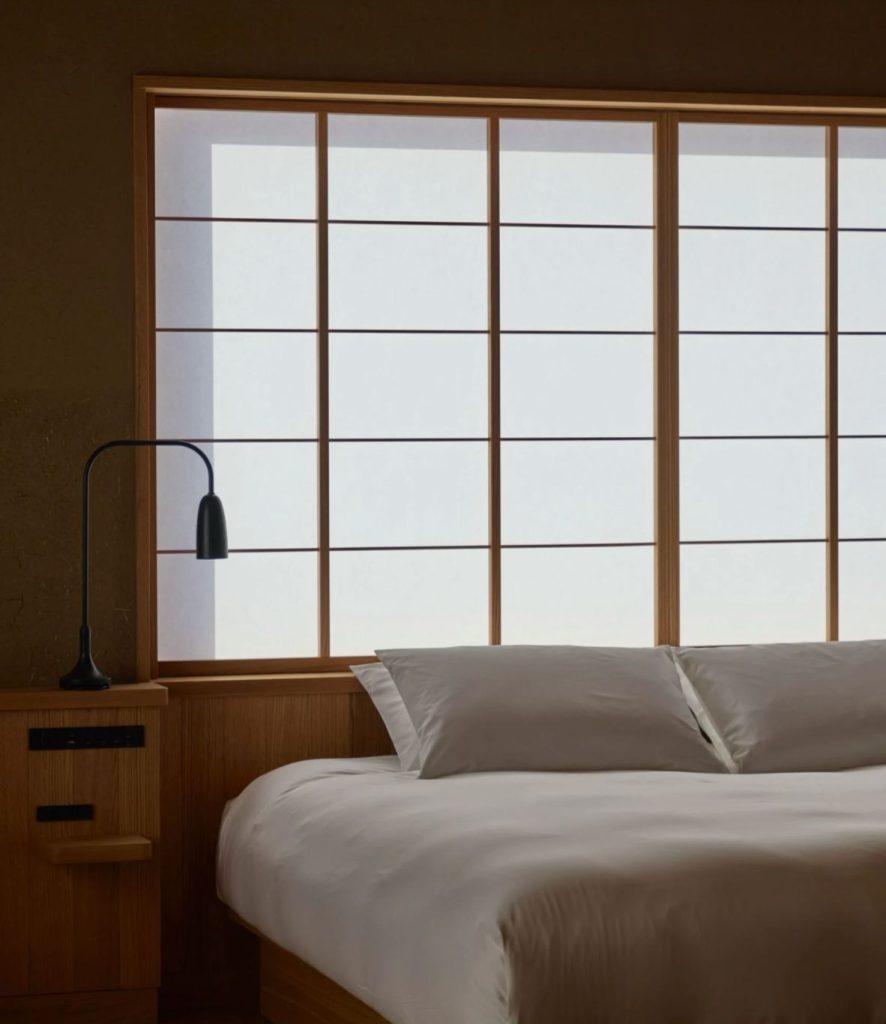
Architecture plays a significant role in grounding the retreat within its landscape. Designed by Kyoto-based architect Shiro Miura of Rokkakuya, the buildings were conceived only after long walks through Koiwai’s forests alongside local foresters. Trees grown on the land, including red pine and cypress, were carefully selected and integrated into the construction.
Across eight hectares of woodland, the resort’s 24 villas are scattered discreetly among the trees. Forest Villas are immersed within the woodland canopy, where large windows frame uninterrupted views of the surrounding forest and a red pine pillar anchors the interior space. The two Garden Villas occupy the most secluded corner of the property, opening onto broad wooden verandas that look out over deep forest.


Food at Azuma Farm Koiwai follows the same logic of place. The farm’s fertile soil, enriched through agricultural reforms dating back to the Meiji period, supports a thriving dairy and farming community. Breakfast draws from the produce of the land itself: freshly harvested vegetables, seasonal fruit and milk sourced directly from Koiwai’s dairy herds. Dinner shifts with the seasons of the wider Tohoku region, incorporating seafood from the Sanriku coast alongside mountain ingredients native to Iwate.
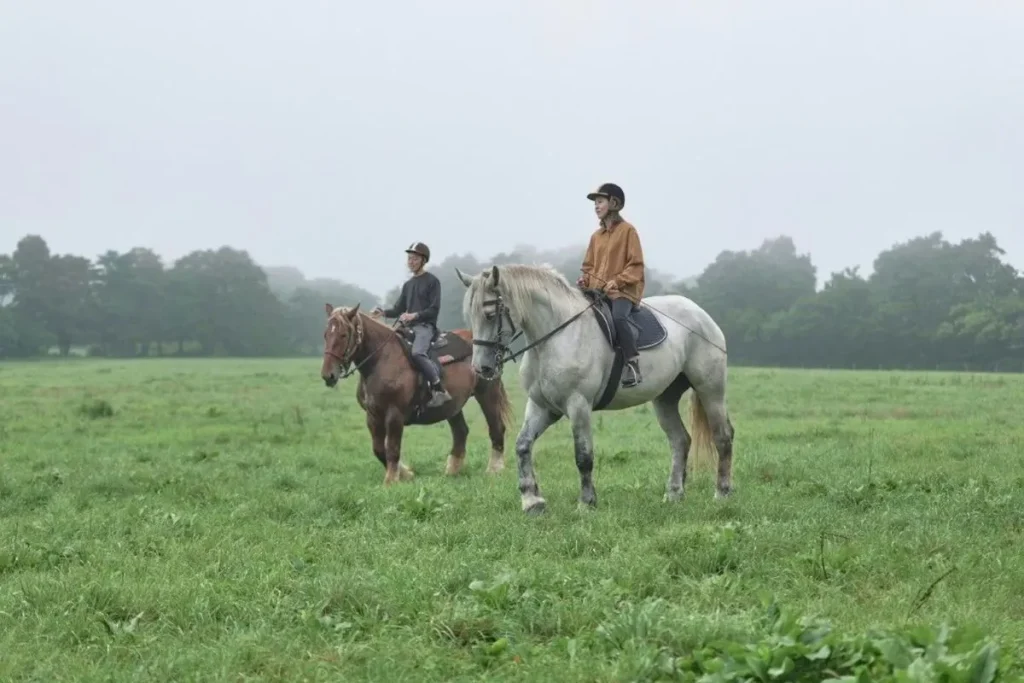
Experiences extend beyond the farm into the wider landscape. Horseback rides through the nearby Ainosawa Pasture echo Iwate’s long-standing reputation as one of Japan’s historic horse-breeding regions. Cultural excursions introduce travellers to the craft traditions that continue to shape local identity, including the renowned Nanbu ironware workshops where guests work alongside an 11th-generation master artisan to create their own kettle.


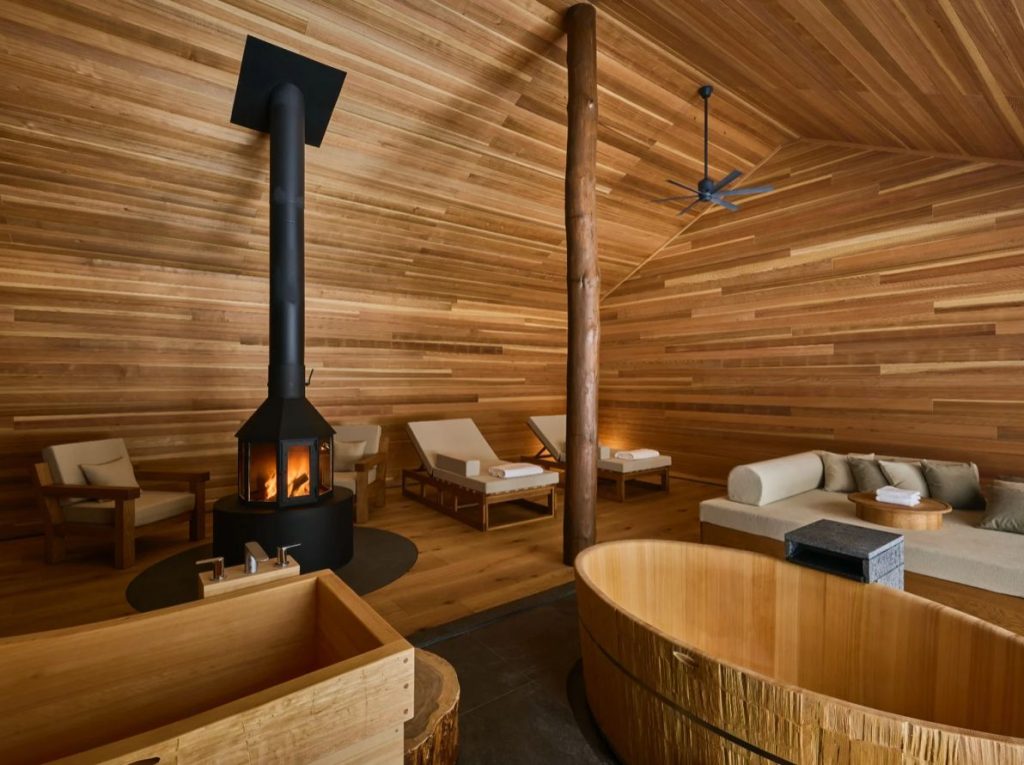
Back at the property, three dedicated sauna pavilions known as Forest Springs offer another form of retreat, including wood-fired saunas paired with cold baths, fireplaces and daybeds overlooking the surrounding woodland.
Like many of Zecha’s projects, Azuma Farm Koiwai resists easy categorisation. It is not a traditional farm stay, nor a conventional luxury resort. Instead, it presents something rarer: a place where travel reconnects with the land, and where the rhythms of forest, soil and season shape the experience of being there.