


A trip to Rome rarely needs justification. The promise of exceptional Italian cuisine, centuries-old landmarks and elegant shopping streets lined with luxury boutiques is usually reason enough. But this month, the Eternal City offers an added incentive.
On February 26, Corinthia will open its first hotel in Italy, one of the season’s most anticipated debuts and a new chapter of luxury hospitality to the Italian capital.
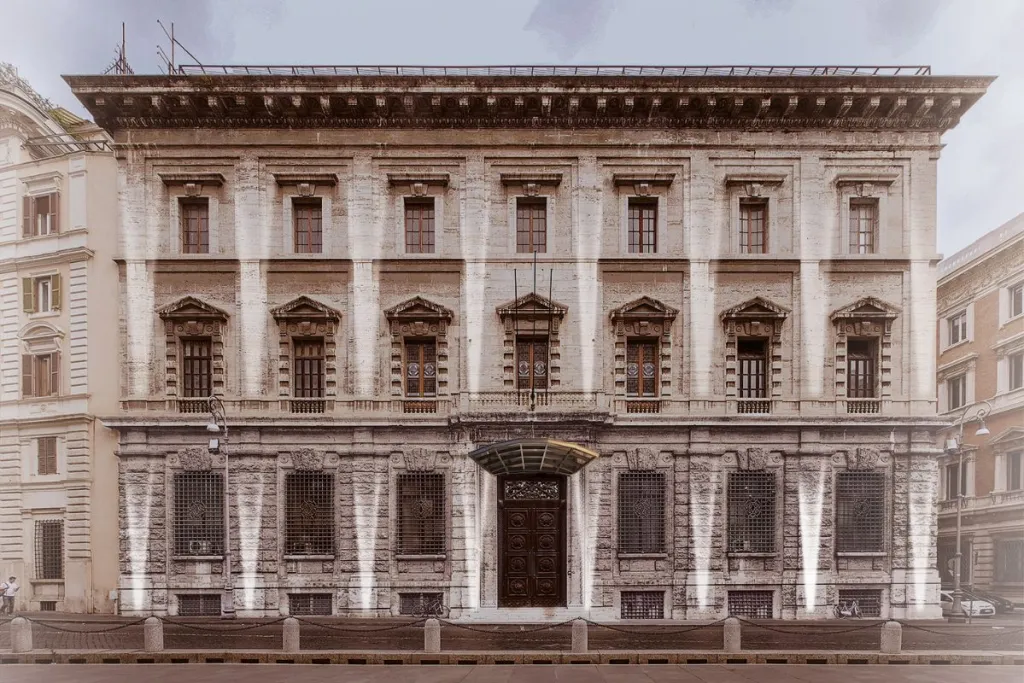
Located within the storied neighborhood of Campo Marzio, Corinthia Rome occupies the former headquarters of the Bank of Italy, Corinthia Rome occupies the former headquarters of the Bank of Italy, a landmark building completed in 1914 and designed by the renowned architect Marcello Piacentini.
Within these historic walls, Corinthia has breathed new life into the property following a multi-year restoration across its seven floors. Although the building has been fully reimagined, its architectural heritage remains firmly intact. Marble paneling, frescoed ceilings and carved wooden detailing have been carefully restored to preserve its character, complemented by contemporary interiors that carry the property into a modern era.
The rooms
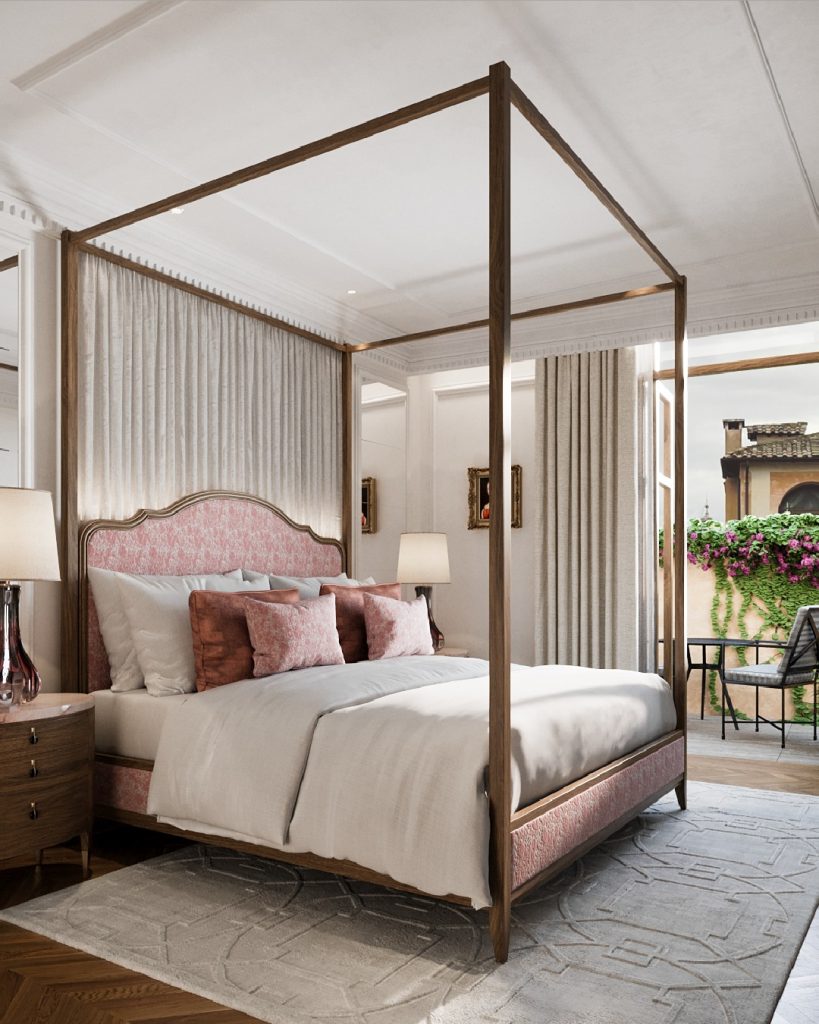
The hotel features 60 rooms, including 21 suites. Designed by G.A. Design, the interiors take inspiration from a private Roman residence, with spacious layouts and an emphasis on natural light. Italian marble bathrooms, soft muted tones and silk wall coverings lend a sense of quiet luxury throughout. High ceilings and tall windows further enhance the feeling of openness, drawing in generous daylight, a rarity in many of Rome’s denser historic districts.
Among the most impressive accommodations is the Aurea Penthouse, a two-bedroom residence inspired by the Domus Aurea, complete with expansive terraces and a spacious indoor living area. The Theodoli Heritage Suite, once the building’s Council Chamber, preserves its original 1920s frescoes and offers views over Palazzo Montecitorio, adding a tangible link to the property’s storied past.
The spa
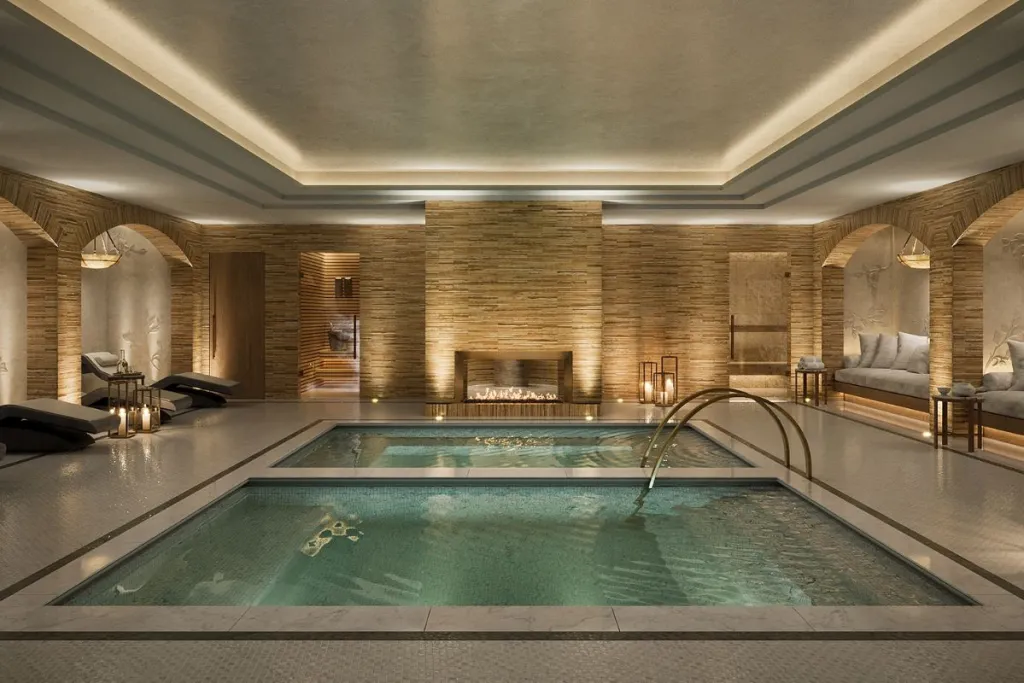
One of the hotel’s standout features is the spa, which is set inside the bank’s former vault, which once housed and safeguarded Italy’s financial reserves. Keeping some of the original features it has been transformed into a calm, intimate space focused on rest and wellbeing. Inspired by the laurel wreath, an ancient Roman symbol of strength and vitality, the spa offers three treatment rooms, two bathing pools and bespoke therapies created in collaboration with 111Skin and Seed to Skin Tuscany.
Dining options
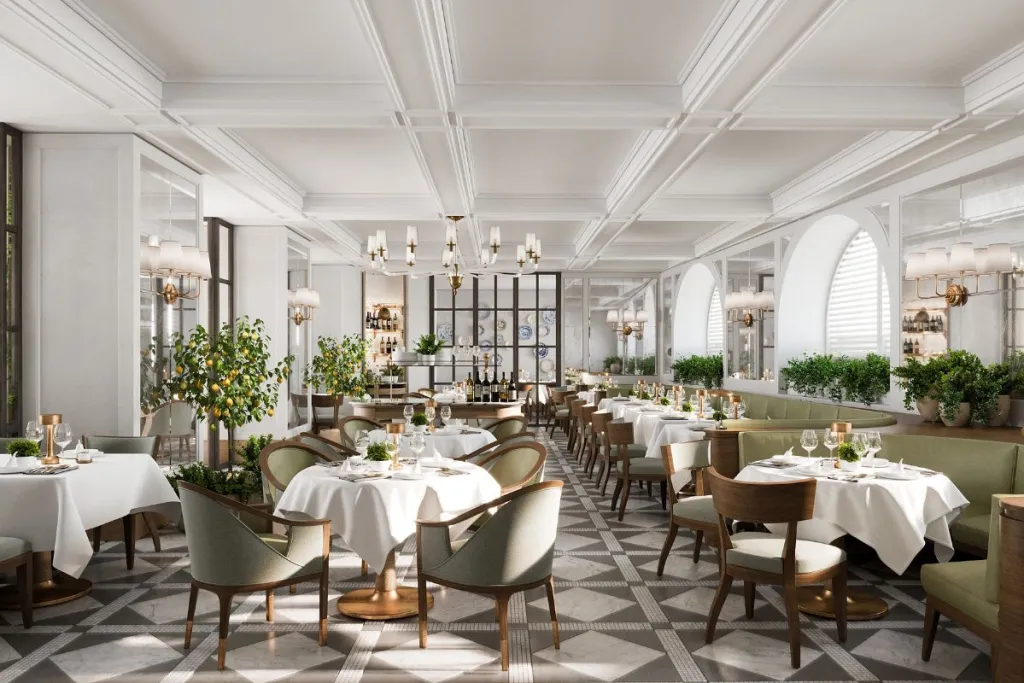
The hotel features two restaurants and a bar arranged around a tranquil internal courtyard, each offering a distinct atmosphere. Culinary direction is overseen by renowned Italian chef Carlo Cracco, whose contemporary interpretation of Roman cuisine shapes the overall concept. In collaboration with Executive Chef Alessandro Buffolino, each venue has been designed to reflect a different mood and architectural detail within the building.
Viride serves as the hotel’s signature restaurant, serving contemporary Italian dishes centered on fresh, garden-inspired flavors.
For a more relaxed option, Piazzetta sits within the courtyard and offers traditional Roman fare throughout the day, making it well-suited to casual dining.
On the ground floor, overlooking the courtyard, Ocra Bar provides an intimate setting inspired by the warm tones of a Roman sunset, serving cocktails alongside light bites.
The neighborhood
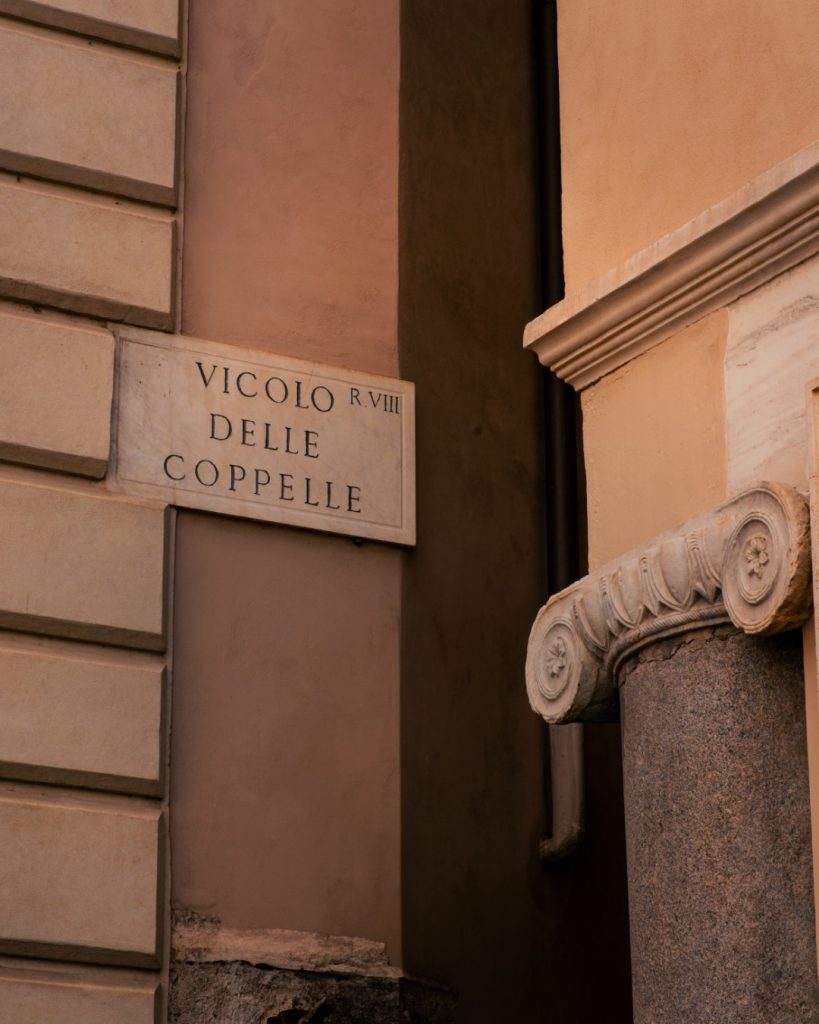
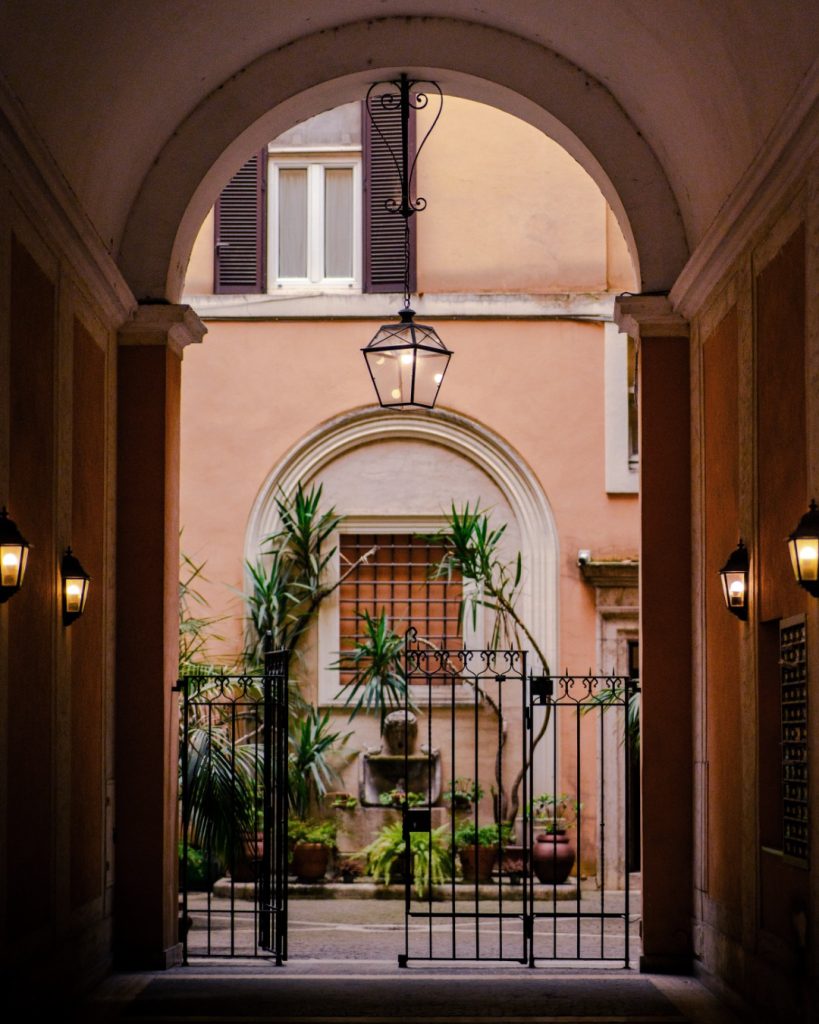
Located on Piazza del Parlamento in Campo Marzio, Corinthia Rome serves as an ideal base for exploring the city. The neighborhood strikes a balance between high-end fashion and historic landmarks. Via dei Condotti runs through the district, lined with luxury boutiques, while the Spanish Steps and Piazza del Popolo frame two of Rome’s most recognizable gathering places. Step away from the main thoroughfares, however, and the atmosphere shifts to quieter streets where artisan workshops, independent galleries and long-established cafés continue the rhythm of daily Roman life.