


From Omani pioneers to global couture voices, Muscat Fashion Week unfolds as a considered conversation between tradition, modernity, and design integrity.
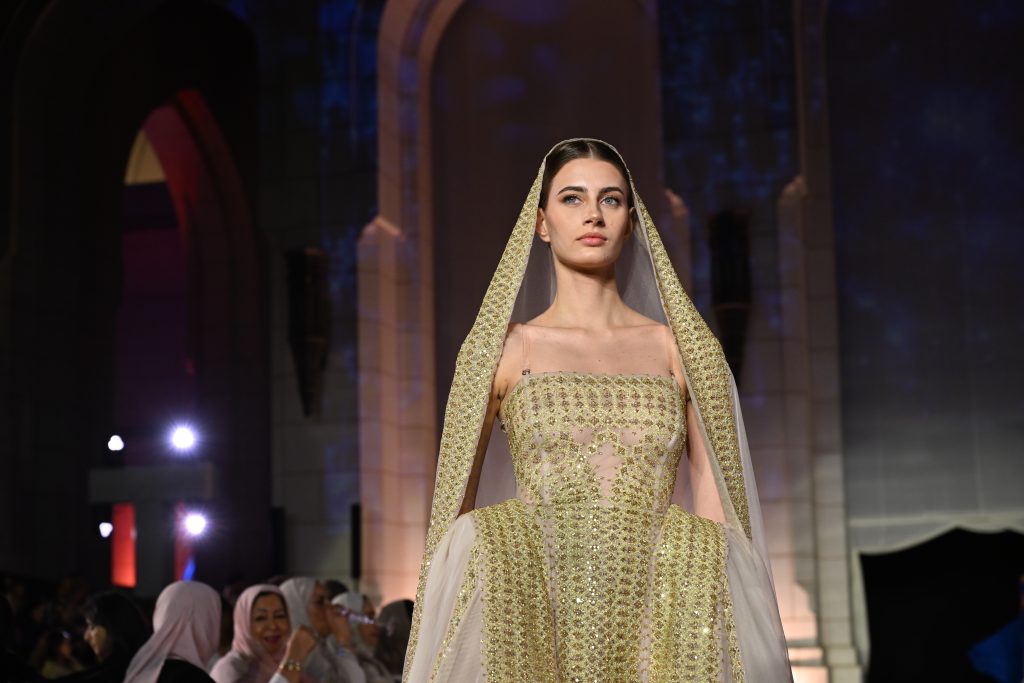
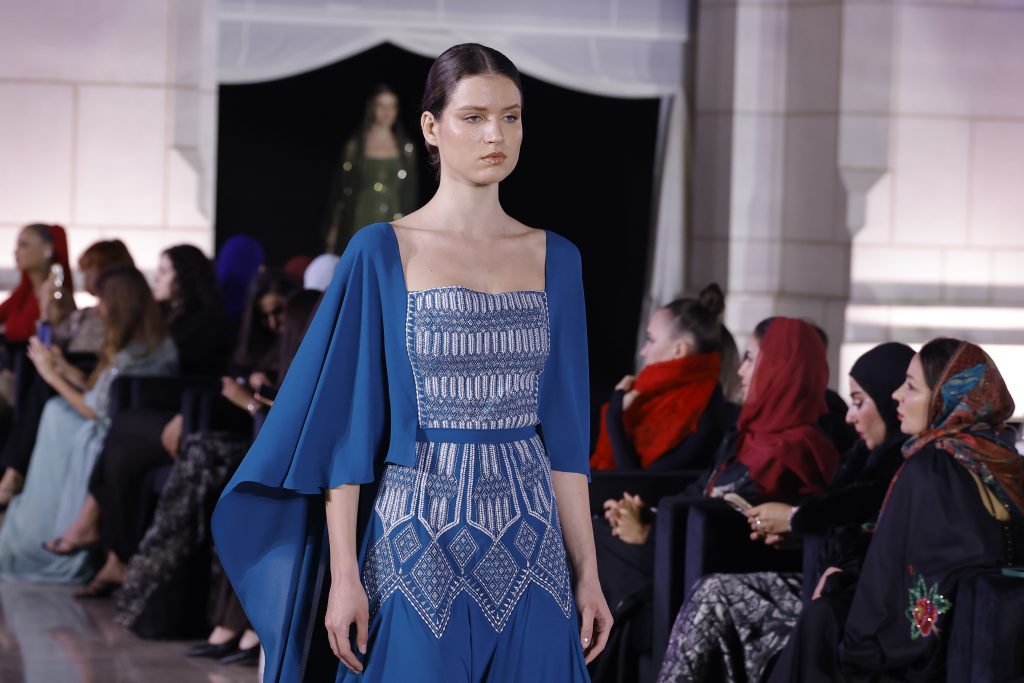
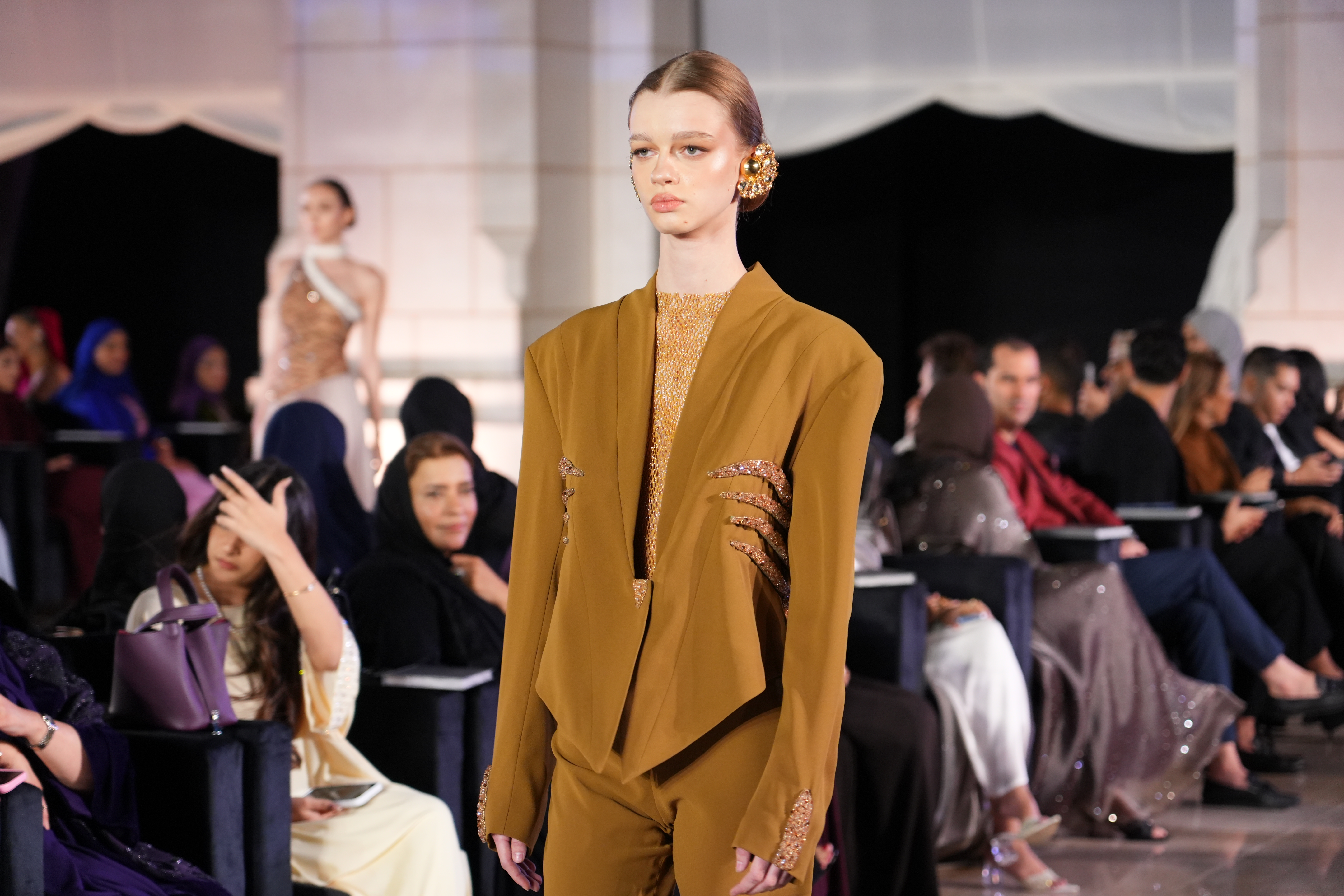
Muscat Fashion Week returned to the cultural calendar with a sense of assurance rather than spectacle, opening its inaugural edition at the Royal Opera House Muscat, an address that quietly signals intent. Set within the wider Muscat Nights programme, the opening evening framed fashion not as trend or pageantry, but as cultural expression: grounded, deliberate, and outward-looking.
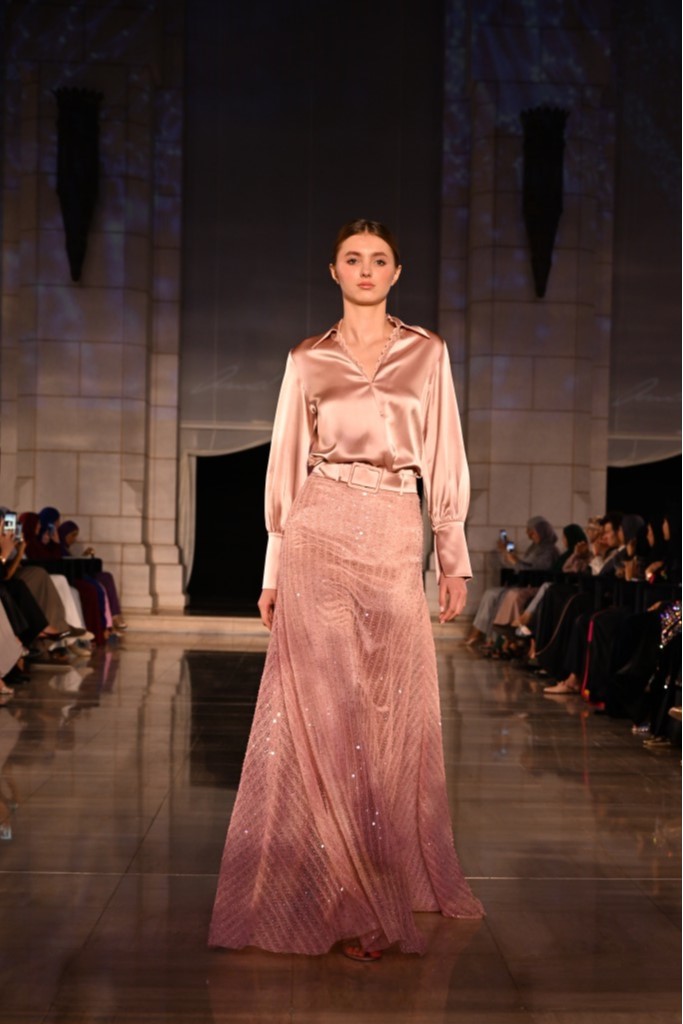
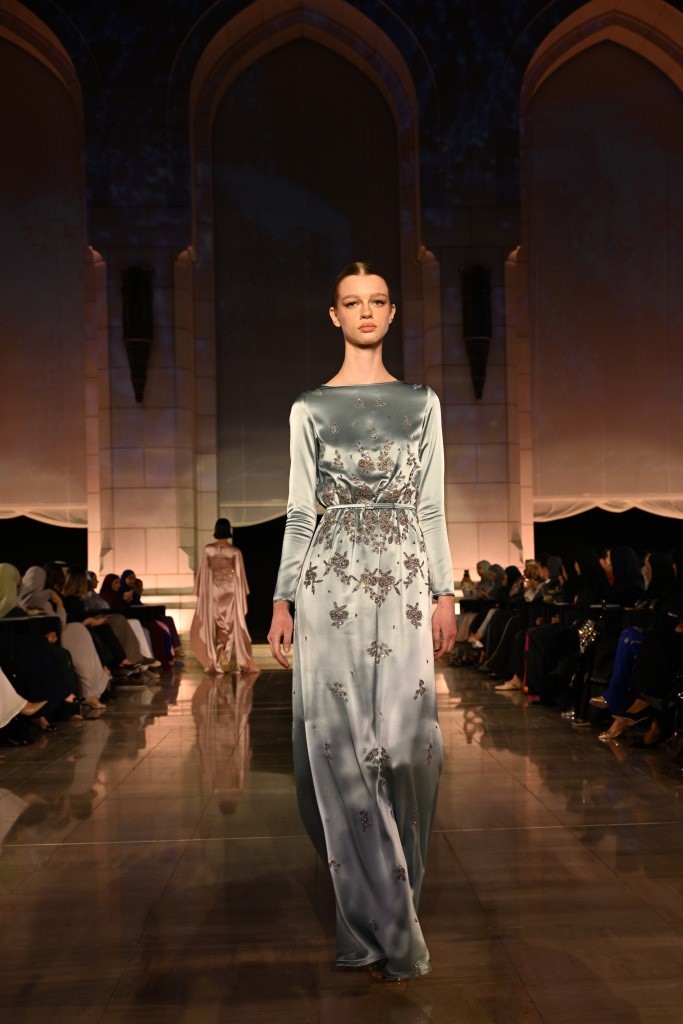
The tone was set by Amal Al Raisi, founder of Muscat Fashion Week and one of Oman’s most enduring design voices. Her opening collection, presented in collaboration with Parisian watchmaker Charles Oudin, brings together Omani craftsmanship and Parisian savoir-faire. Al Raisi’s silhouettes balanced structure with softness, heritage with clarity, reinforcing her role as a bridge between local identity and global design language. The collaboration underscored a shared lineage of artisanal precision and female legacy, marking a thoughtful beginning to the week.
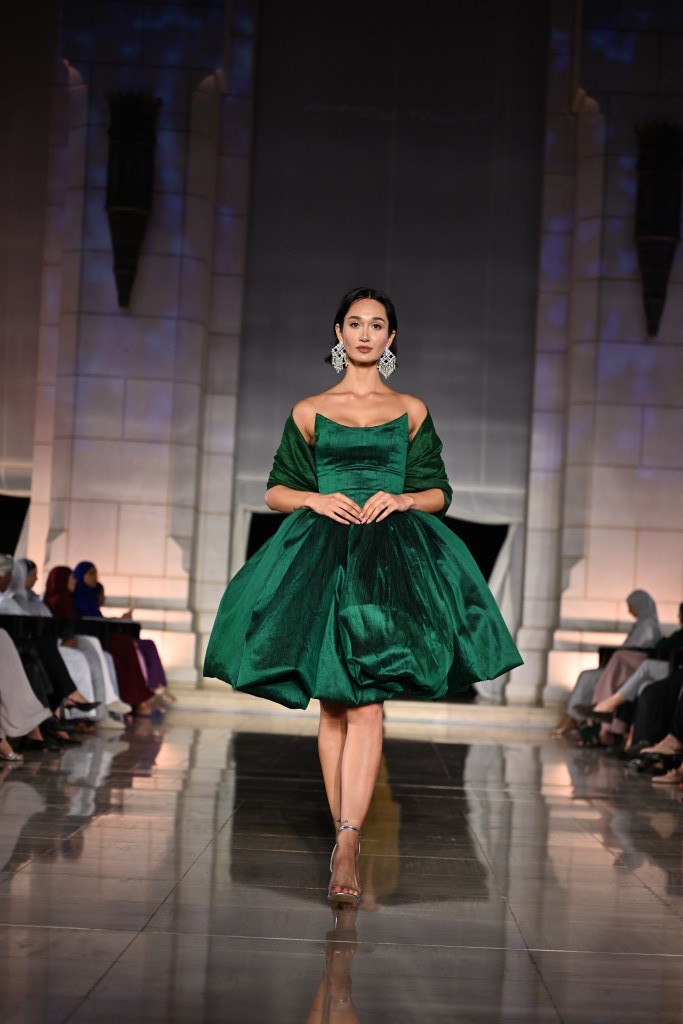
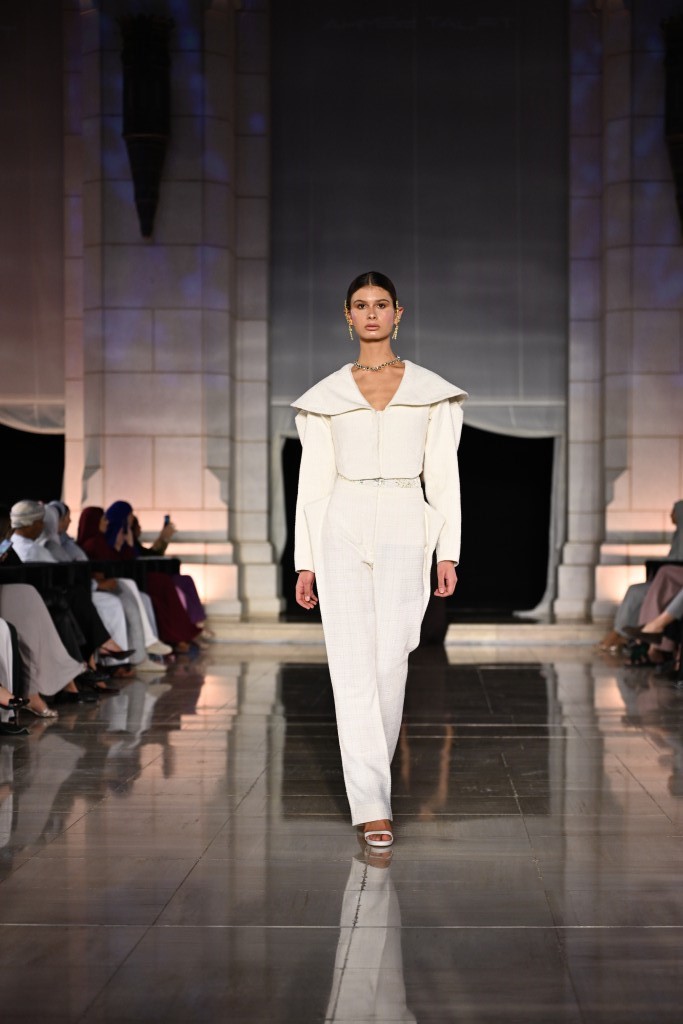
From there, the evening unfolded as a regional conversation. Qatar-based Moonlight Concept, founded by Muna Al Kaabi, reinterpreted traditional motifs through velvet, satin, and tulle, lending familiar forms a contemporary elegance. Tunisian Moroccan designer Ahmed Talfit followed with a collection that leaned into structure and artistry, enhanced by jewellery from Zayn by Dorra Zayani. The show closed with model and actress Myriem Boukadida, punctuating the presentation with confidence.
Day one continued to foreground Omani talent. Bait Al Fanar by Faiza Al Balushi and Bthaina offered modern interpretations of local heritage, demonstrating how traditional codes can evolve without dilution. Lebanese designer Elio Abou Fayssal closed the night with a dramatic couture statement, reinforcing Muscat Fashion Week’s regional reach and international ambition.
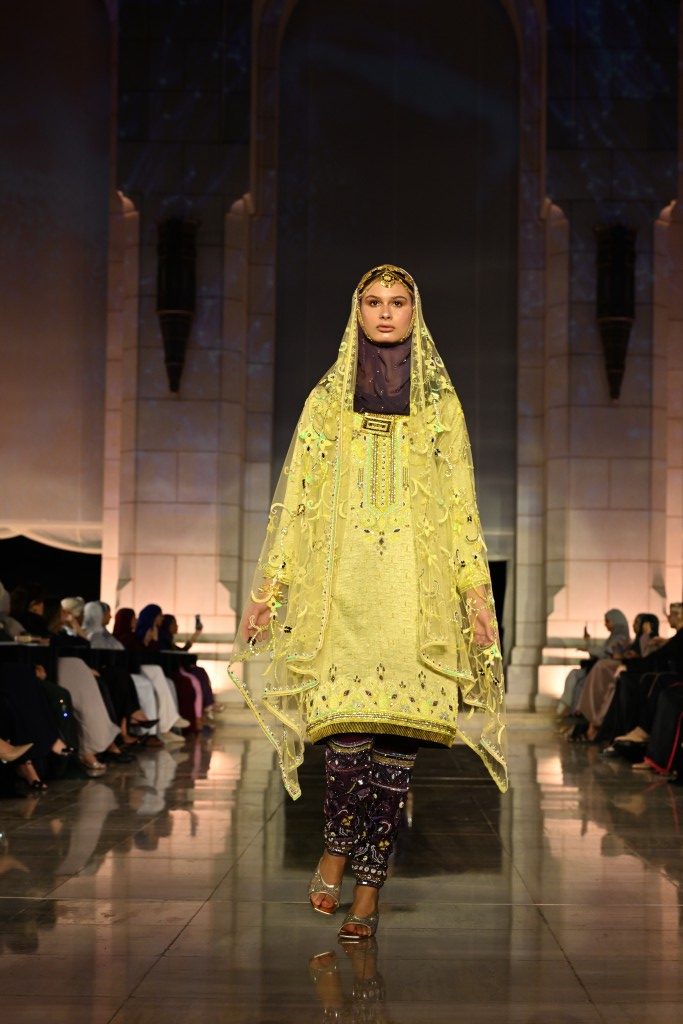
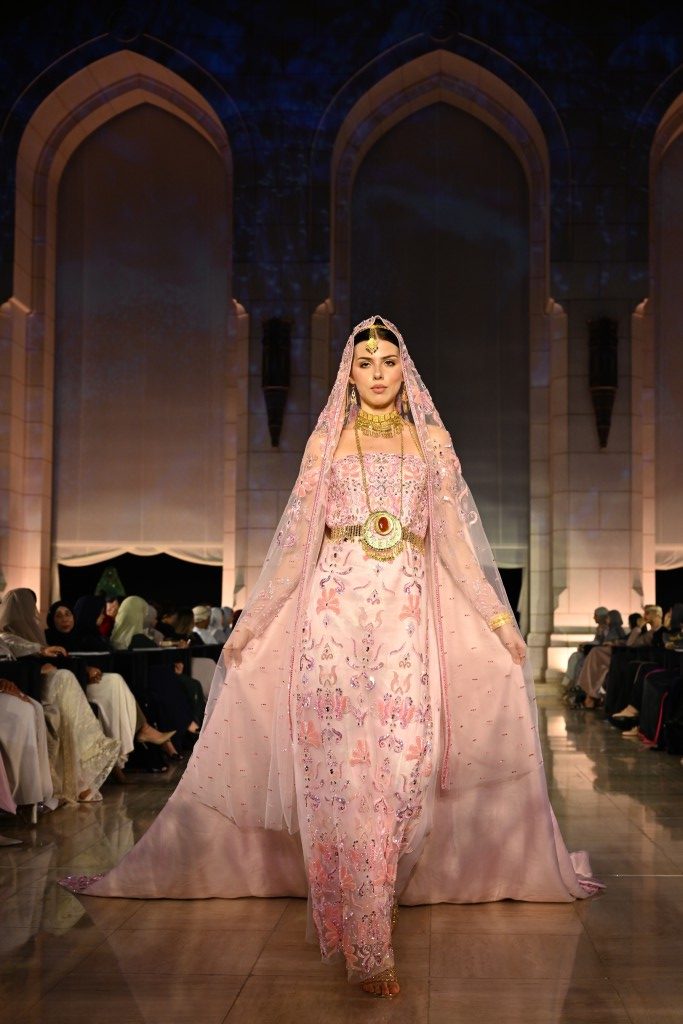
Subsequent days expanded the narrative globally. Russian fashion house Solangel by Irena Soprano, Britain’s House of Savin, and Morocco’s Maison Sara Chraibi each brought distinct perspectives, while regional labels including Kawashi Fashion, Khalijia, and Buthaina Boutique sustained the dialogue between heritage and modernity. Omani brands remained central; Endemage, Saaf Collection, and Noor Al Bahraini reaffirmed the depth of local design talent, before the week concluded with an opulent finale by Indian couture designer Suneet Varma.
Muscat Fashion Week positioned itself as a relevant platform of representation for the Middle East, that understands fashion as cultural currency, molded by place, memory, and craft, and ready to speak confidently beyond its borders.