


For travellers in the GCC, the idea of cultural travel has long been shaped by global capitals. For decades, these cities carried an almost unquestioned authority and came to be associated with prestige and validation. Paris for art, London for theatre, Milan for fashion. We travelled to them not just to see, but to be seen.
However, when discovery is reduced to a familiar set of Instagram frames, the promise of the world’s big capitals begins to feel diluted.
Today, a more discerning kind of luxury traveller is emerging in the region; one more attuned to rhythm and authenticity. Smaller cities, with their slower pace and deeper connection to daily life, craftsmanship, and gastronomy, are appealing to travellers looking for cultural immersion and truly exclusive experiences.
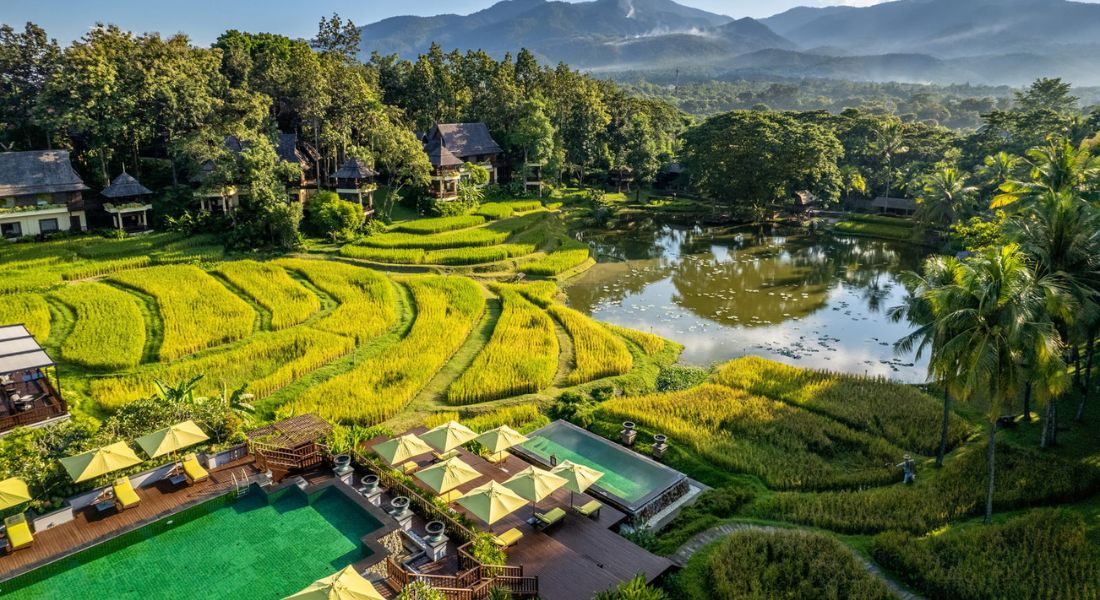
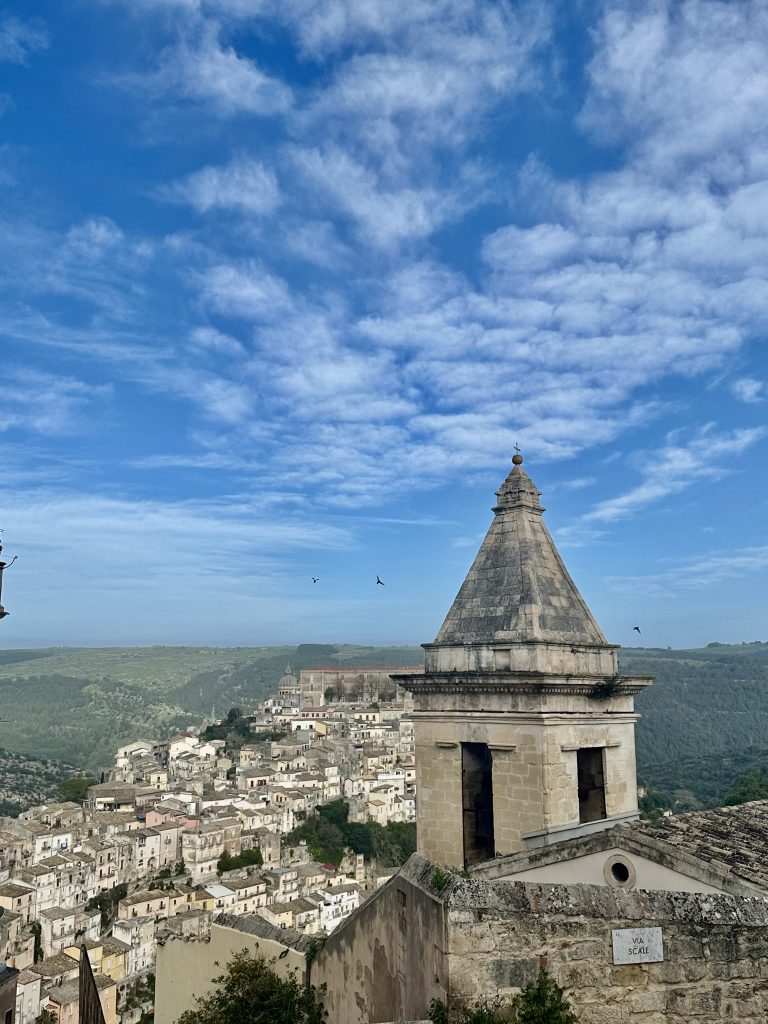
Tourist hubs such as Bali, London, Barcelona, or Tokyo are now passing the baton to smaller towns and cities like Ragusa, Cordoba, Paratay or Chiang Mai.
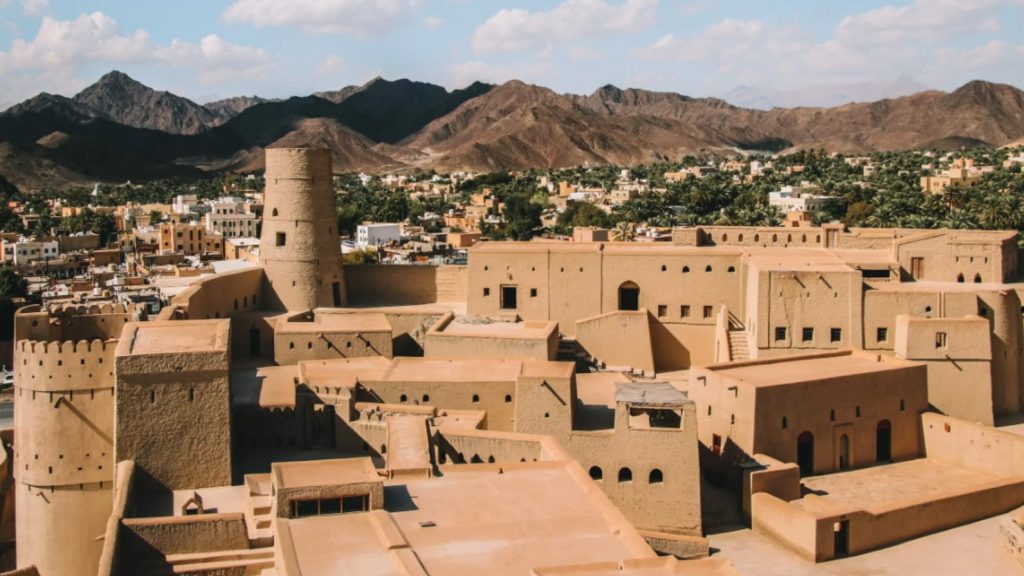
In the GCC, Oman’s historic town of Nizwa captures this sensibility. The city reveals itself slowly through scholarship, craft, and daily ritual. The rhythm is not curated for visitors, yet visitors are welcome within it. For travellers who value substance, this kind of authenticity feels rare.
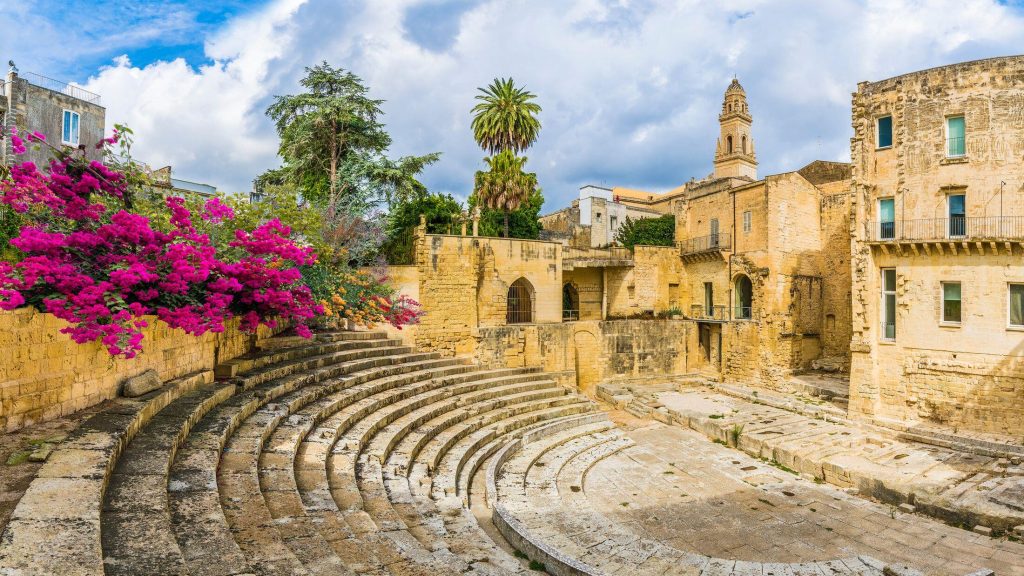
In Europe, destinations like Lecce in southern Italy are attracting an audience seeking history and adventure, without the congestion and hype of Rome. Here, discovery happens through conversations rather than queues.
Asia, too, is seeing a resurgence of interest in smaller cultural towns and cities. From the traditional Luang Prabang to the historic Kanazawa, these places offer experiences rooted in heritage. These are not places meant to impress quickly, which is precisely their appeal. Certainly not for the kind of tourist looking for instant gratification.
What connects these destinations is not size or geography, but their aesthetic and tempo. Smaller cities allow space to observe, to listen, to absorb. Without the pressure to “see everything,” travellers become more present and engage more deeply with architecture, food, language, and daily rhythm.
In an era where luxury travel has been flattened into access and excess, choosing a small city is no longer a compromise, but a statement. One that signals discernment over display, curiosity over validation, and depth over social documentation. For the modern GCC traveller, accustomed to the very best the world has to offer, this quieter choice may now be the most sophisticated one of all.