



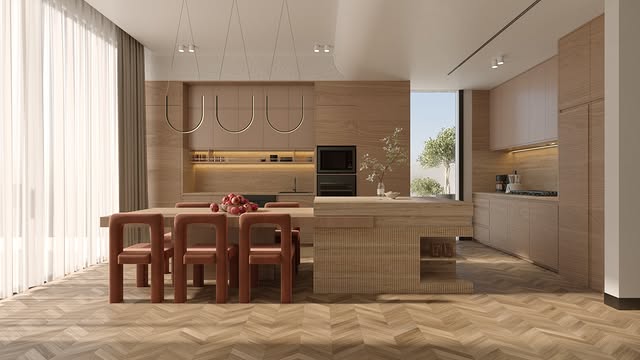
Modern minimalism is about choosing emotional value over sheer volume in a lifestyle rooted in clarity, restraint, and purpose. This is why it is considered one of the most influential luxury design principles today.
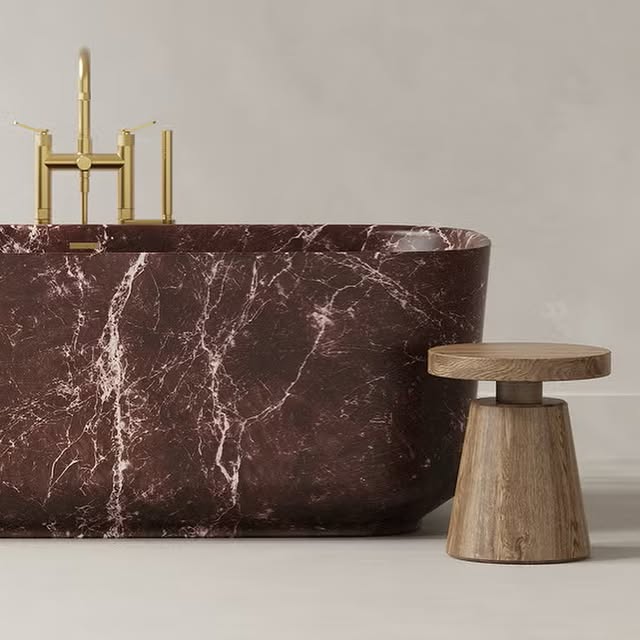
One of the most effective ways to incorporate minimalism is through simple curation. Instead of filling spaces with decorative objects, one chooses pieces that carry personal stories. For example, a commissioned artwork marking a milestone or a restored heirloom passed down through generations brings depth and individuality, making spaces seem personal, not sparse.
Minimalist interior design thrives on fewer, better-made pieces. Investing in fewer pieces demands restraint, but results in a home that feels enduring rather than driven by trends. The use of furniture and décor crafted from stone, wood, linen, and metal creates a home that feels calm, grounded, and truly luxurious.
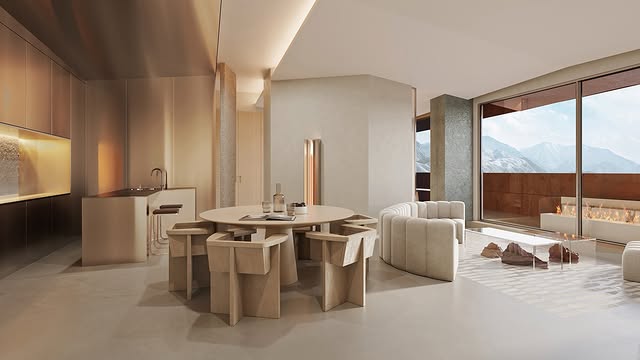
Minimalism is also about reducing visual clutter, allowing rooms to breathe. Open layouts, clean lines, and balanced spacing can transform homes into soothing environments rather than overstimulating or erratic ones.
Fewer meaningful purchases often bring more meaning to the home and a strong sense of satisfaction. Conscious consumption, long-term ownership, and durable design reduce waste while enhancing connection to one’s home.
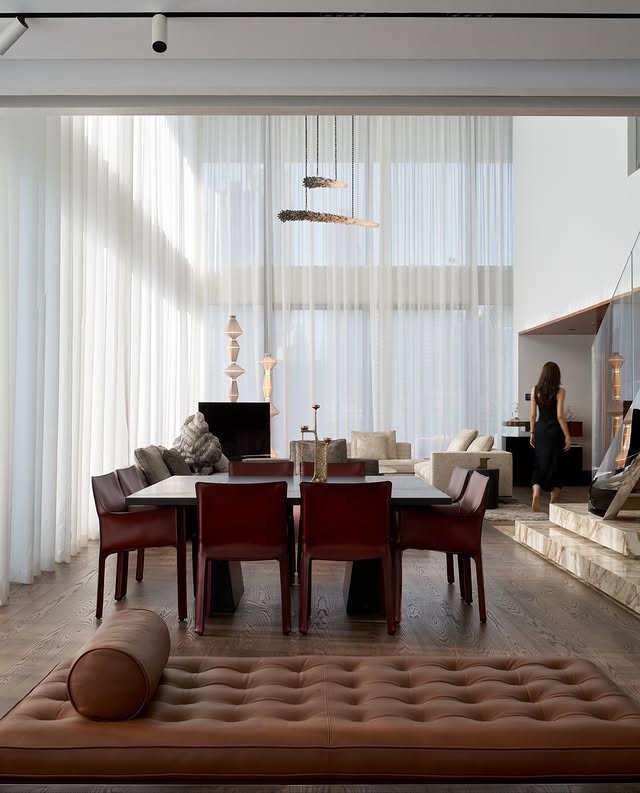
Incorporating minimalism is also about material intelligence. One of the most meaningful ways to do this is to value locally sourced, regionally relevant resources over imported materials. This reinforces the idea that luxury is not about uniformity or excess, but about connection to place, people, and heritage.